“Happy and excited”: UNICEF’s summer activities bring normalcy to East Jerusalem’s children
As the situation in East Jerusalem becomes more challenging, children need safe outlets for play and community.
- English
- العربية
Mayar, 17, glows as she closes her eyes, singing into a microphone during a UNICEF-supported fun day for children with disabilities. “I feel very happy to be part of these summer activities,” says the teen, who requires an assistive device to walk. “My favourite moments are when I sing for everyone because it makes me smile and brings joy to the other children. I love spending time with my friends, joining the activities and being part of such a fun and welcoming place.”
Palestinian children in the West Bank, including East Jerusalem, are facing heightened violence and displacement. UNICEF’s partners are reporting constant fear, sleep disturbances, behaviour changes and other symptoms of anxiety and trauma among the children communities they engage with.
That’s why UNICEF is supporting children and youth—especially those with disabilities—by providing mental health and psychosocial activities to help them better cope with these challenges. Play and social activities are essential in building resilience and nurturing healing.
Focusing on children at risk
Between January and April this year, UNICEF provided 4,360 children —including nearly 2,200 girls who often face barriers to participating in activities outside the home—and 8,546 caregivers with mental health and psychosocial services. Participants also included persons with disabilities, who can be isolated and have fewer opportunities to participate in play.
This summer, UNICEF and its partners have continued to provide children in East Jerusalem with cooking lessons, storytelling, drama and music—all of which foster creativity, self-expression and social interaction in a safe and inclusive environment.
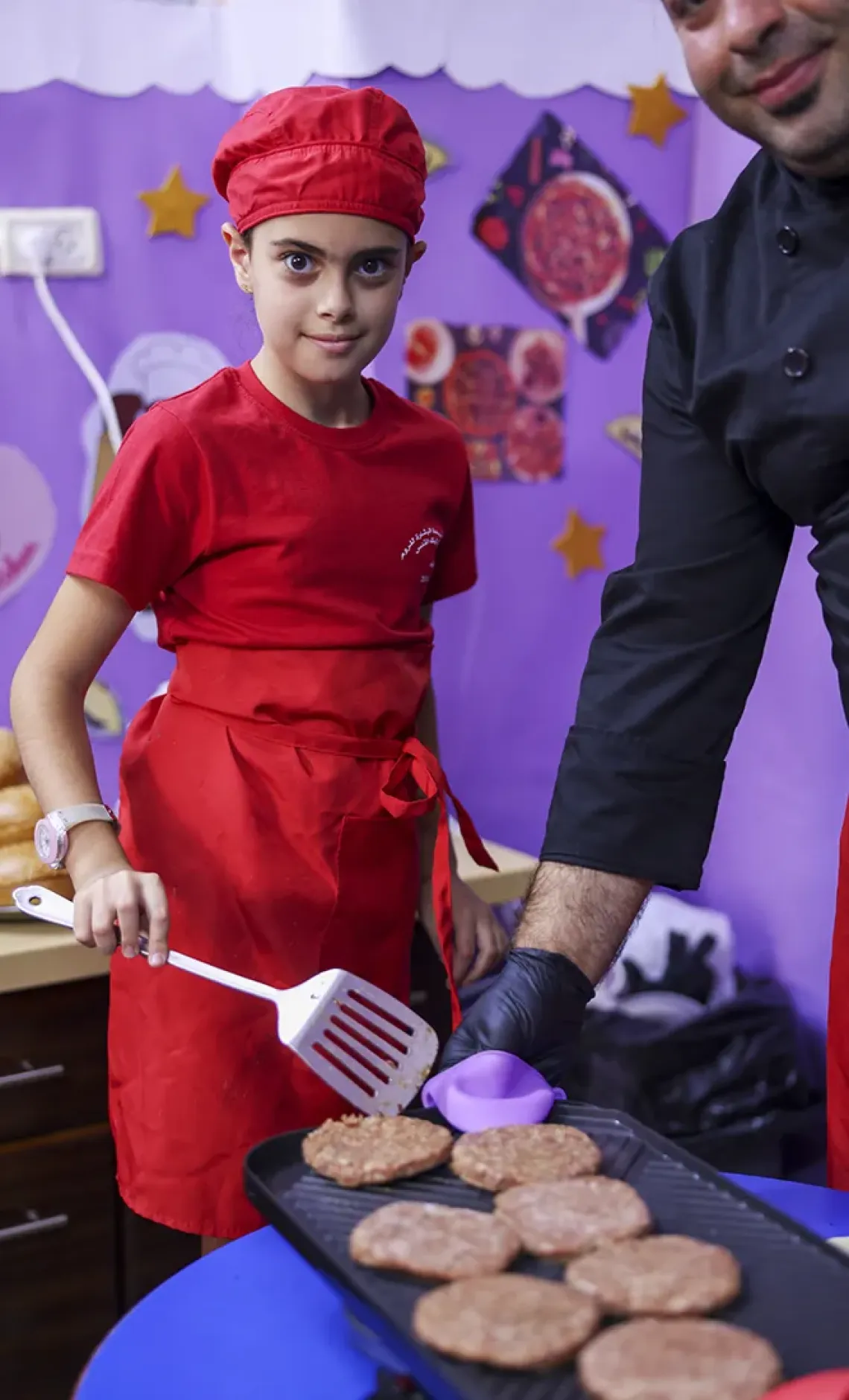
“My favourite part was decorating the food and seeing how everyone created something different, said Jouli, a 9-year-old from the Old City of Jerusalem, who participated in a cooking class. “It was exciting to cook with my friends, share our ideas and taste what we had prepared together. I felt proud because I learned something new, and I hope we can have more cooking activities like this.”
Play-based learning and shared experiences enabled children to build confidence, strengthen communication skills and form friendships while having fun, providing a vital respite from everyday stress and uncertainty.
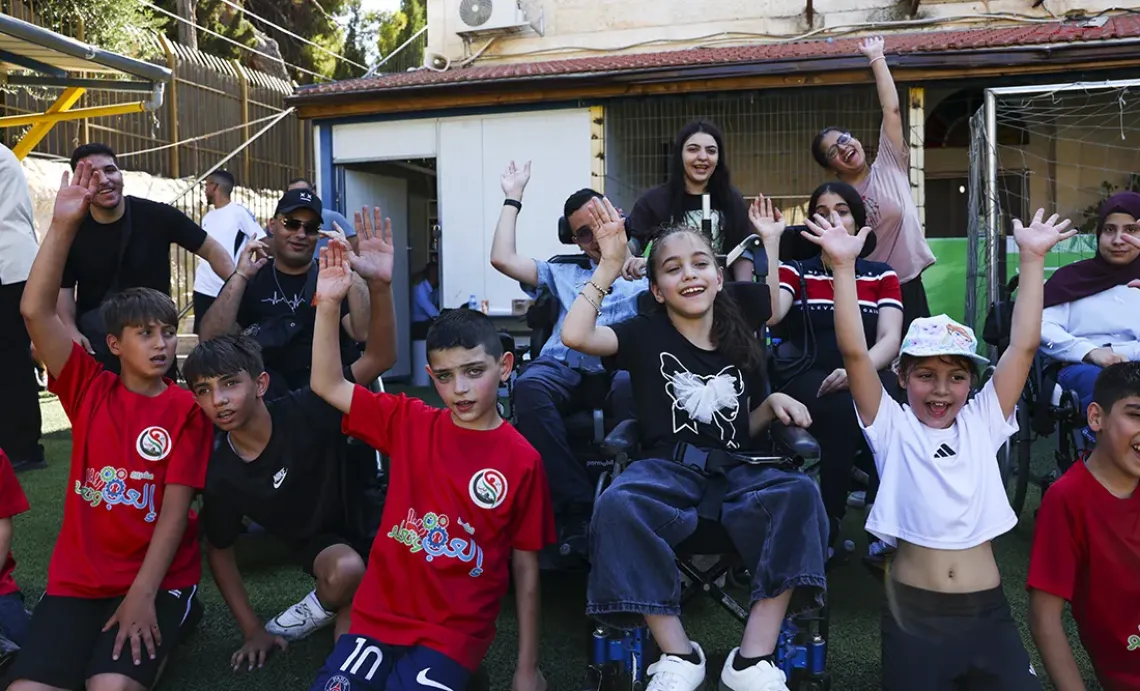
“Every day we do something fun,” says Lamar, an 11-year-old from Kufr Aqab neighbourhood. “I love that we play together, make new friends and enjoy creative games in a safe and welcoming environment where everyone feels included. Being here has helped me become more confident, communicate with other children and enjoy being part of the group. It’s a place where I feel happy, accepted and excited to come back every day.”
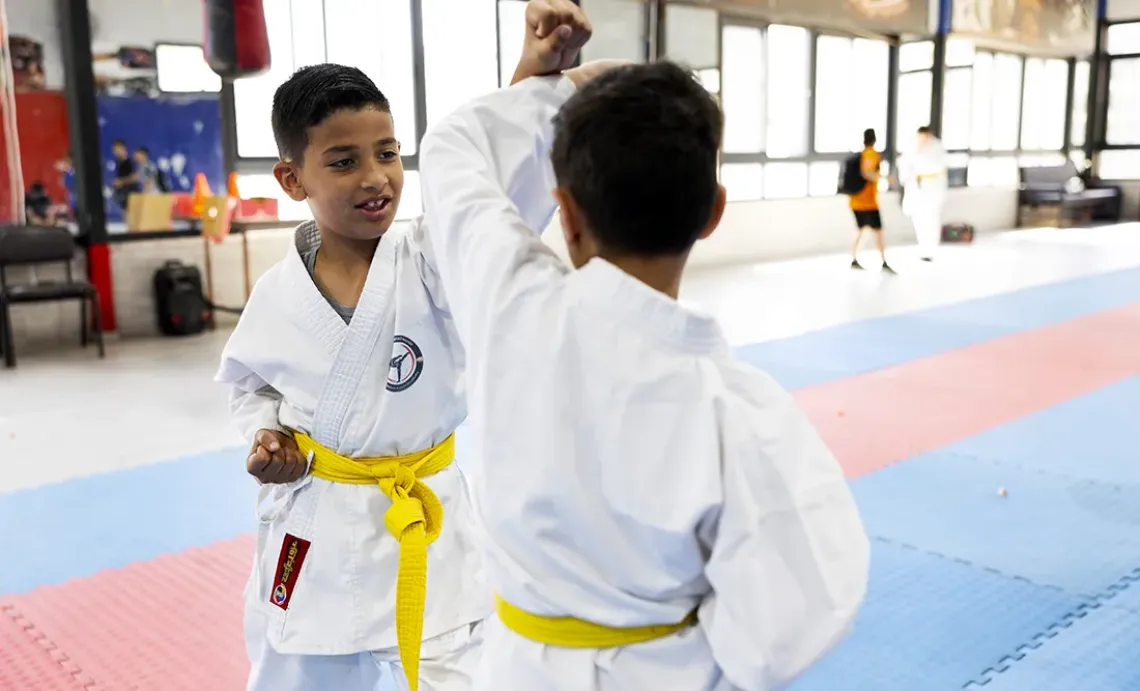
Laith, an eight-year-old boy from Shu'fat refugee camp, loves learning karate and practicing his martial arts skills.
“Karate is my favourite activity because it makes me feel strong and confident, and it teaches me discipline. These summer activities helped me learn new skills, make new friends and enjoy spending time with the other children.”
These activities were made possible thanks to the generous support of the Government of Sweden, whose contributions helped create opportunities for children to play, connect and enjoy positive experiences during the summer months.