Palestinian children enjoy summer play and catch-up learning
Nearly 300,000 children in the Gaza Strip and the West Bank got a respite from violence and hardship with UNICEF-supported activities to have fun and to prepare for the new school year
- English
- العربية
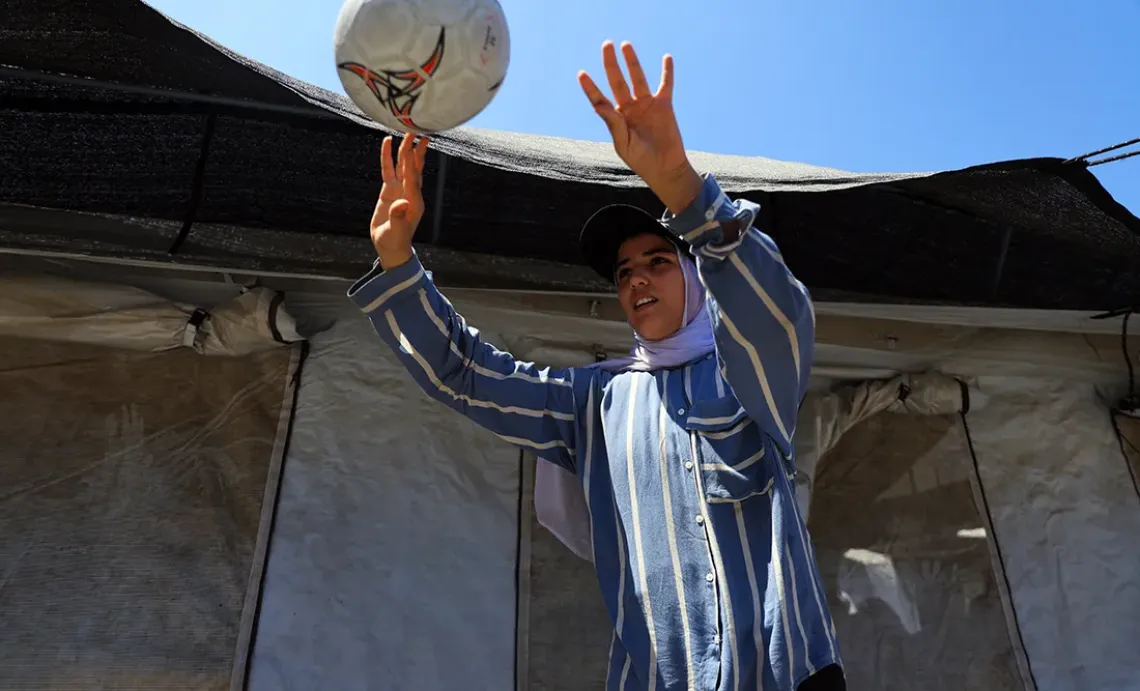
“Summer camp takes us away from the atmosphere of war and the destruction around us. Here, we can forget the difficult things for a while,” says 13-year-old Tala from Gaza.
She says that she loves to play soccer, one of the activities, because “it helps me release negative energy and fills me with positive energy.”
Throughout the Gaza Strip and the West Bank, hundreds of thousands of Palestinian children enjoyed the opportunity to play and build friendships during structured activities supported by UNICEF.
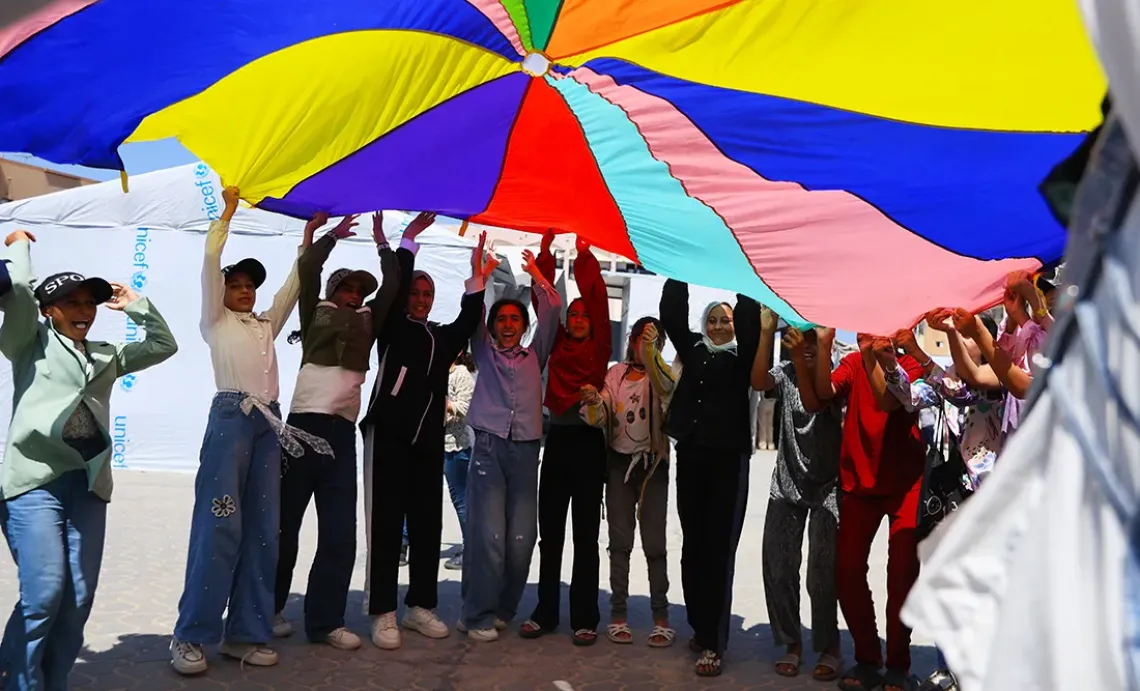
Tala and other girls also played outside together with a parachute, laughing as brightly coloured fabric flew up over their heads.
The Gaza Strip is still dangerous for children, despite the October 2025 ceasefire and its landscape remains in ruins after nearly three years of heavy bombardment that destroyed schools, parks, and other infrastructure used for youth activities and recreation.
“At home, we often feel bored, but here we have fun and learn many new things,” said 11-year-old Noor, one of the summer camp participants. Noor’s home was destroyed in the bombing and her family is displaced, like most Gaza families.
She hopes to become a doctor to help others, she says. “After my brother was injured during the war, he had difficulty speaking, and we could not find the medical care he needed.”
UNICEF’s support for the summer activities gives these children a chance to imagine a future for themselves beyond their daily lives. In the Gaza Strip, many children are tasked with fetching clean water or firewood to help meet their families’ basic needs, while adults try to eke out a living or find food.
“Helping Us Cope”
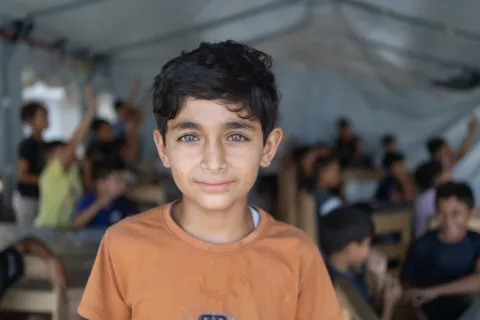
More than 290,400 children participated in UNICEF-supported summer activities across 400 schools, centres, and communities. In the Gaza Strip, most of the activities were held in temporary shelters such as tents.
The summer activities include practice in Arabic and mathematics, along with recreational activities and social and emotional learning and activities that help younger children prepare for Grade 1.
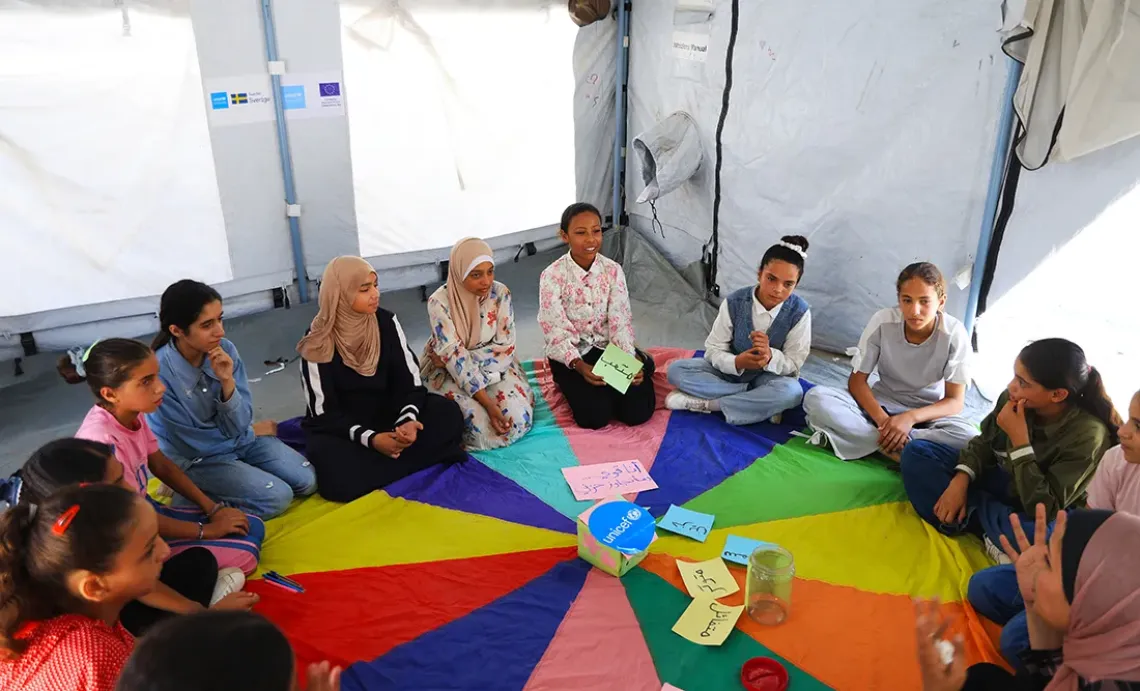
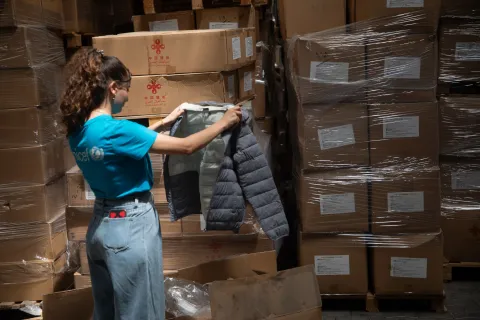
UNICEF also supported the summer activities programme with 4,321 school-in-a-carton kits, 1,042 recreational kits and 867 early childhood development kits, as well as water, paper supplies and professional development for teachers, counsellors and other education staff.
“The summer camp taught me many things. I learned how to draw, make videos, and use a camera, and the teachers encouraged us to learn whatever we wanted,” says Hadeel , 14, who dreams of being a poet.
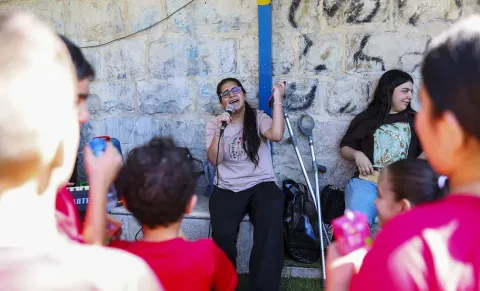
“The counselling sessions helped us cope with what we experienced during the war. They made us enjoy speaking, as though we had become journalists and public speakers. We learned empathy, respect, appreciation, and the importance of using kind words with one another.”
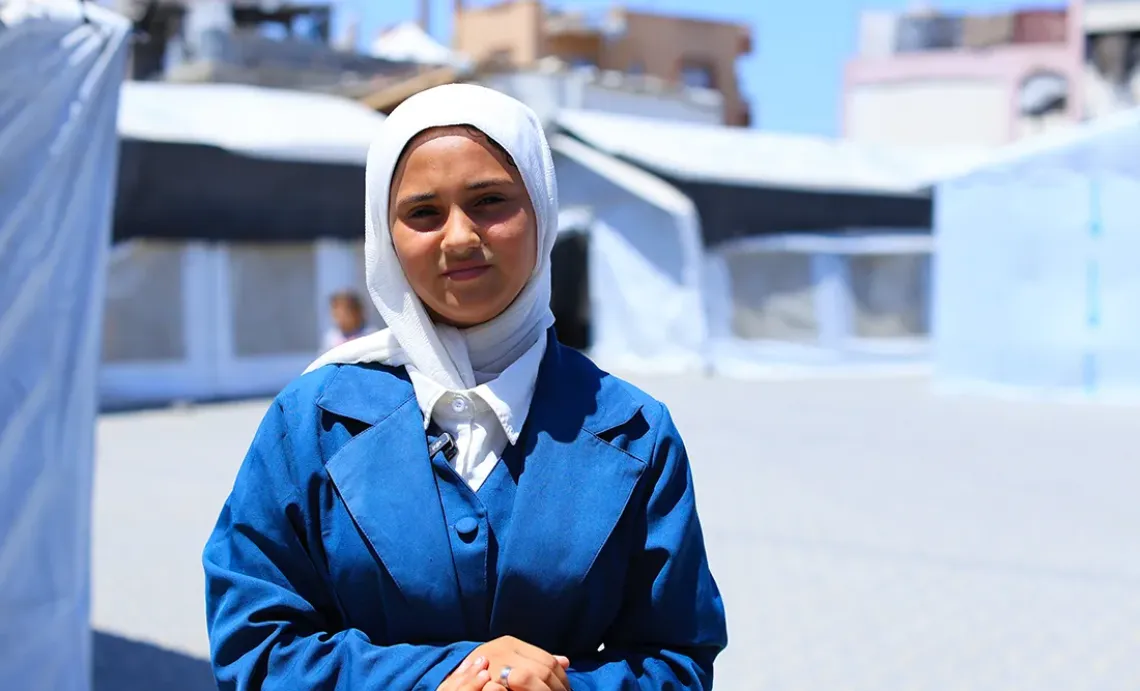
“I hope that every girl who is struggling academically will have the opportunity to learn.”
In a school in the West Bank town of Nablus, 10-year-old Rahaf says that the activities helped her to develop her reading and writing skills. “And of course, the teacher played with us and did many activities and exercises. I loved her so much – she was very nice.”
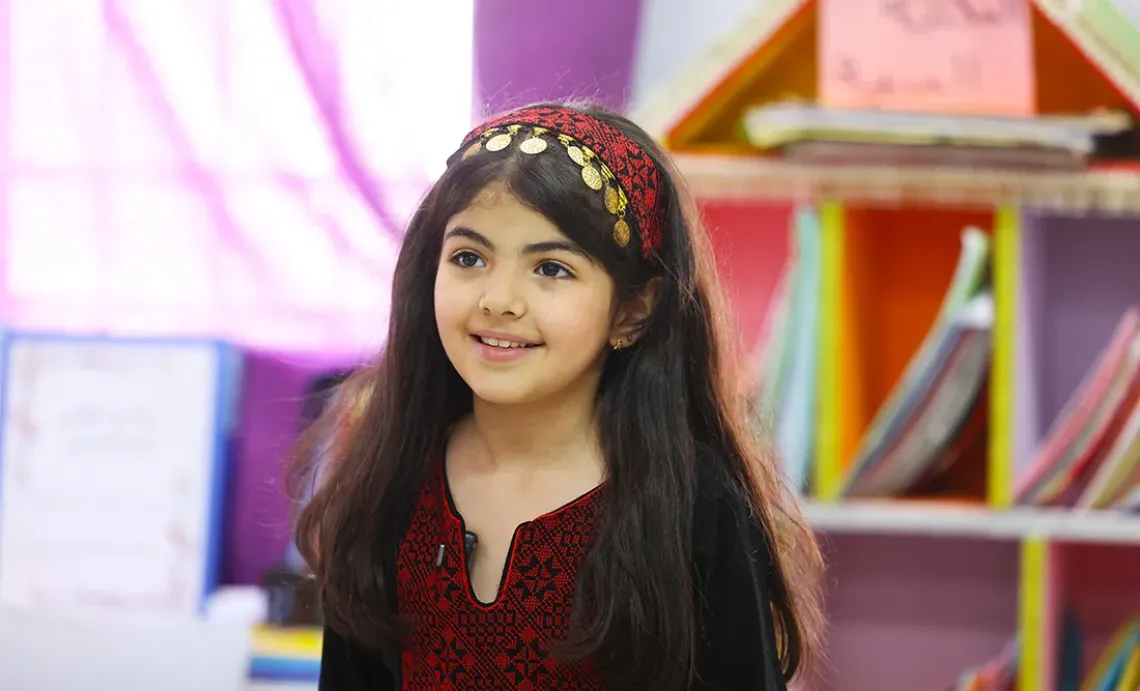
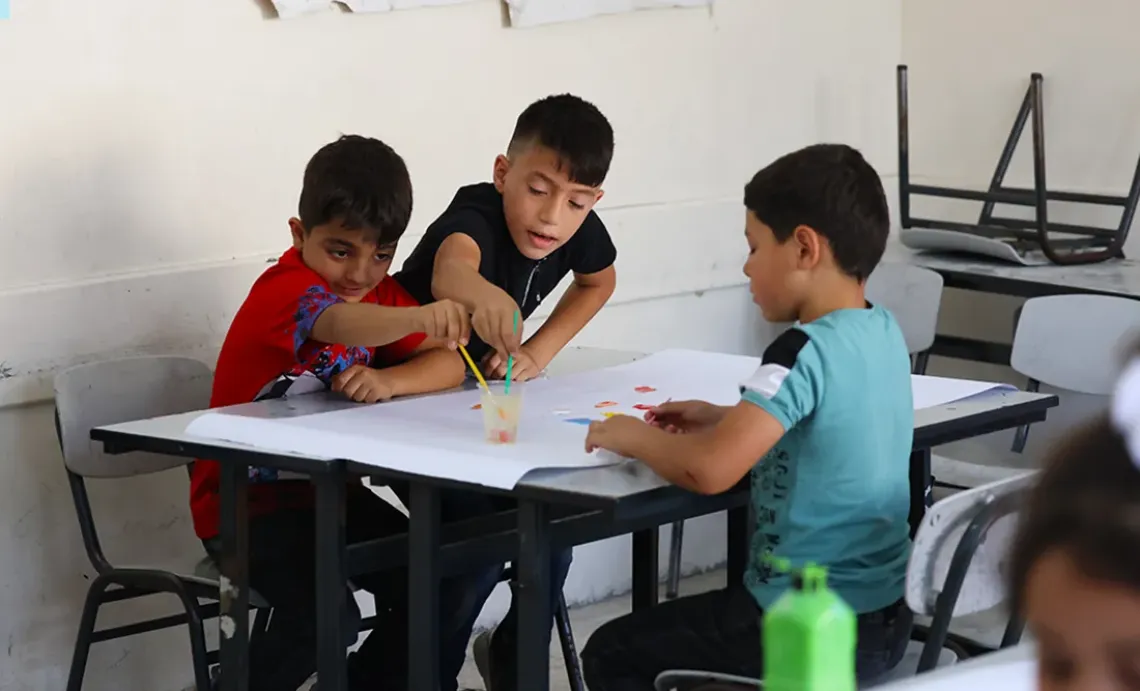
Children had the opportunity to paint and to join in fun science activities.
Humanitarian conditions in the Gaza Strip remain dire, with most of the population – 1.9 out of 2.1 million people – displaced and exposed to ongoing health and environmental risks. Ninety-one per cent of the children served by UNICEF’s summer activities were in the Gaza Strip. The rest were located in vulnerable areas of the West Bank, including East Jerusalem, where displacement and violence are increasing.
These summer camps were made possible thanks to the support of the European Union, the Akelius Foundation, the Governments of Australia and Sweden, and donors supporting Global Humanitarian Thematic Funding.