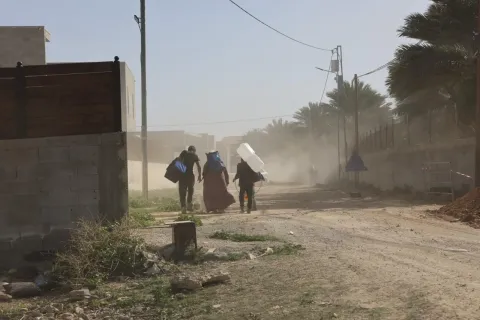
Children in the West Bank seek safety amid escalating violence
UNICEF-supported learning spaces are helping children affected by violence and displacement continue their education and access psychosocial support.
- English
- العربية
Where there is an environment of violence and uncertainty, schools can provide normalcy, learning, and a safe space for children.
In the occupied West Bank, settler violence and displacement is escalating and education is threatened. In the first six months of 2026, OCHA recorded an average of six settler violence incidents per day, and more than 2,300 Palestinians including over 1,000 children displaced due to settler violence and access restrictions.
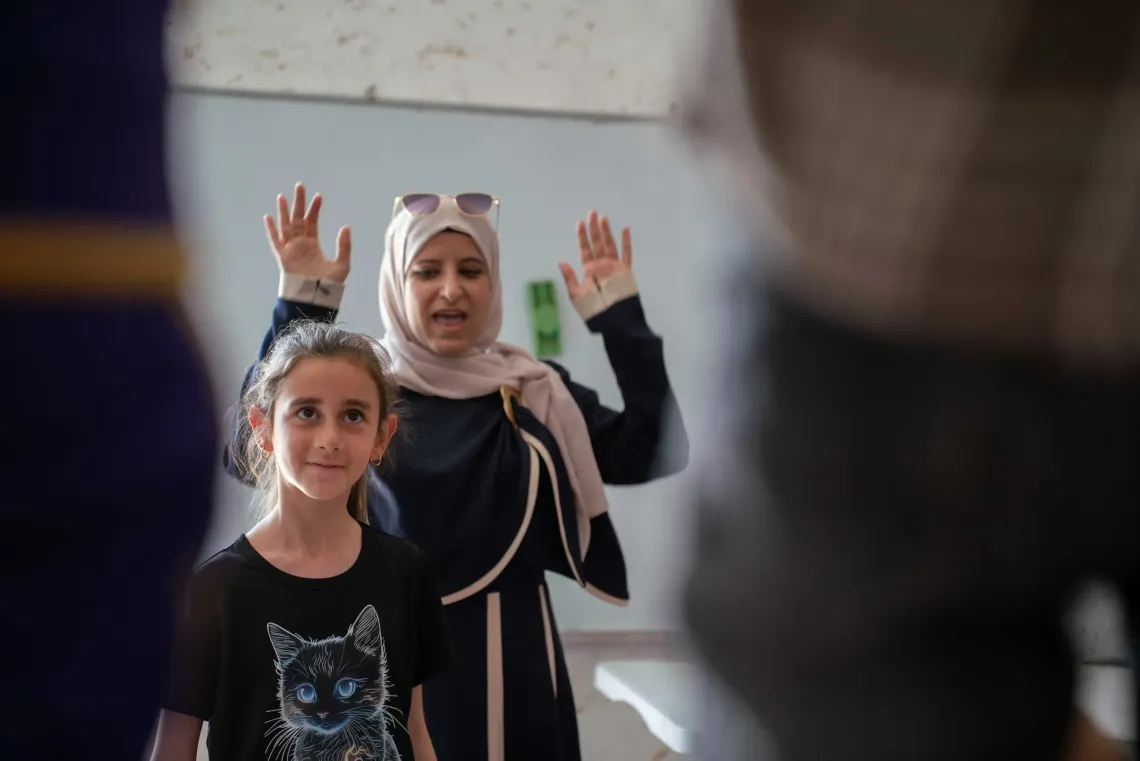
“There is no sense of safety at home or anywhere in the village,” says Lina, age nine, of her northern West Bank community of Qaryut. “Soldiers used to come into our neighbourhood and open fire. One day, they killed my father.”
Lina, who is in psychological distress from recurrent violence, says that she feels afraid all the time now.
Under Threat
To support children facing such threats, UNICEF is supporting psychosocial and educational support programming in isolated northern West Bank communities.
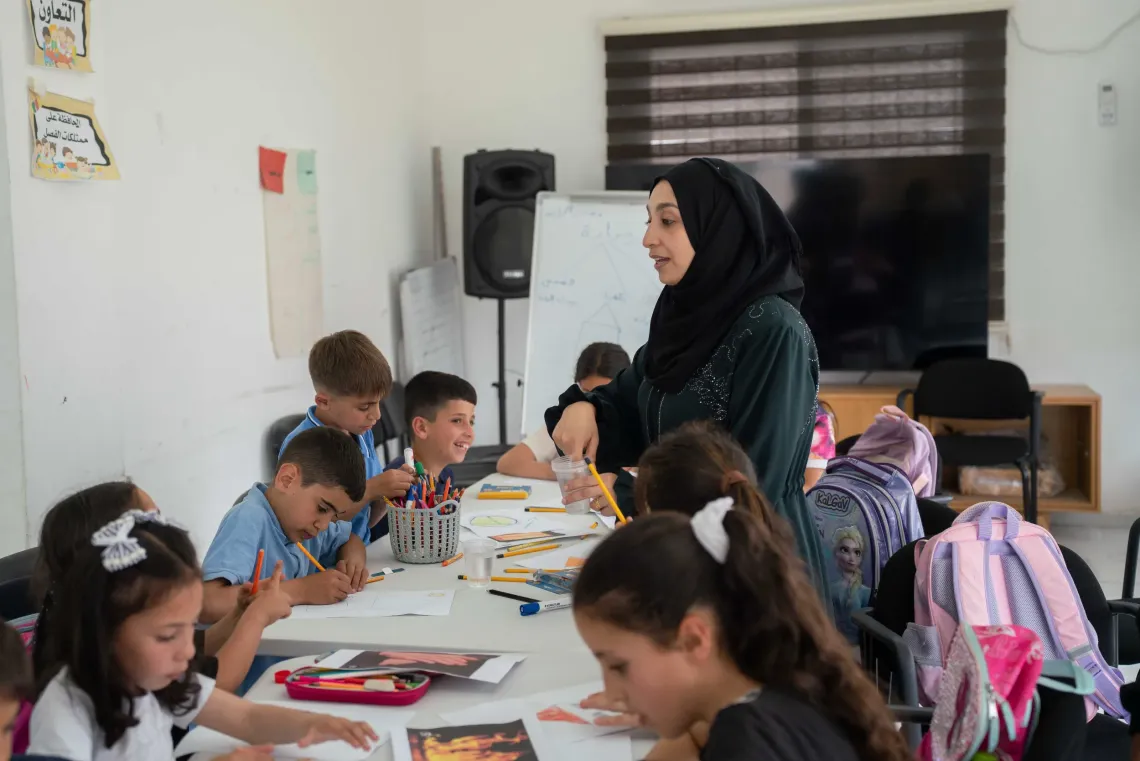
The Community Empowerment Network for Children’s Well Being and Education project supports 90 marginalized communities across the West Bank exposed to violence from settlers.
In some more remote areas, violence and threats by Israeli settlers and operations and access restriction by Israeli forces have brought about the displacement of entire communities.
One donor-built school, Al-Maleh Basic Co-Educational School in Tubas Governorate in the northeast West bank, was notified in December 2020 it would be demolished by Israeli authorities for construction without a permit. Building permits in this area are almost never granted to Palestinians. Still, between 43–70 students from the surrounding herding communities continued to attend the school.
In 2026, escalating settler violence displaced more than 100 residents of al-Maleh, including at least 40 children, comprising most of the community of al-Maleh. Repeated threats and attacks, including arson, theft of livestock, restrictions on movement and livelihoods, as well as vandalism and damage to the school. Fearful and seeking schooling for their children, remaining families were displaced to surrounding villages.
On 21 April, after most of the community had been forcibly displaced, settlers entered the area at night and demolished the school to the ground.
Creating Safe Spaces
In this high-stress environment, it is important that children have safe spaces where they can continue to grow and learn. At the UNICEF-supported hubs, children are supported with remedial classes and play, along with shadow teachers provided for children with specific needs.
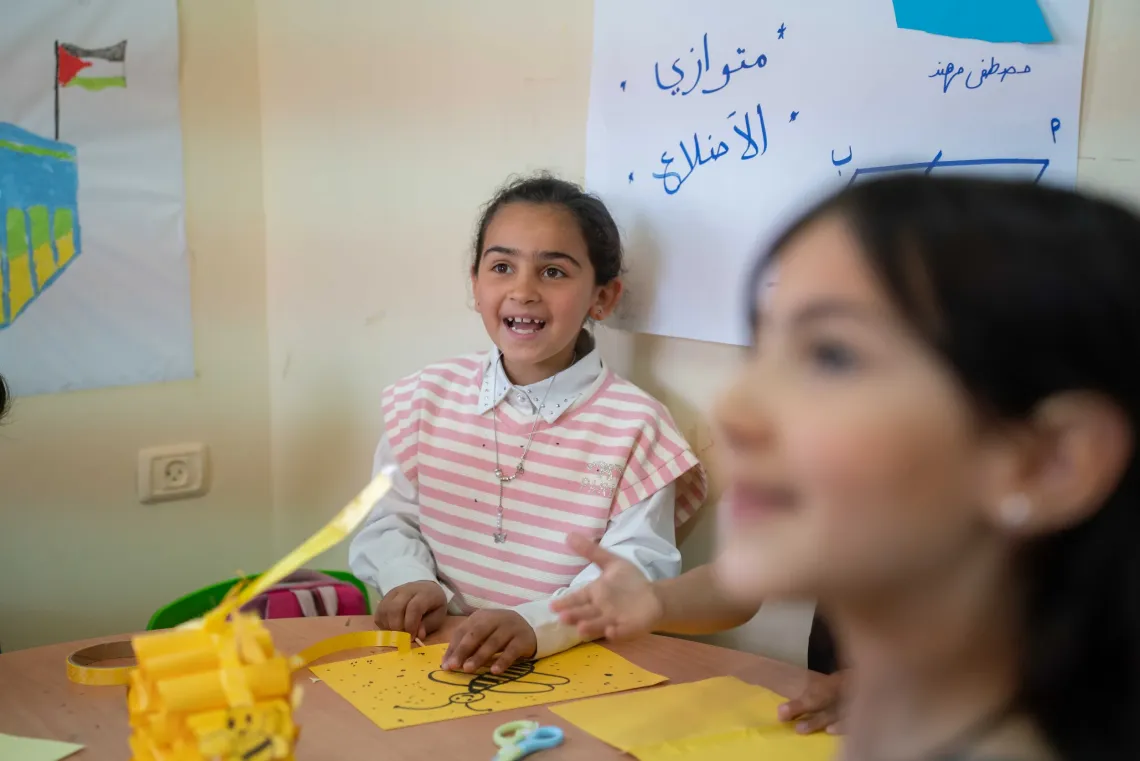
“This space is more than a classroom for me,” eight-year-old Malak says. “Here I can learn, play, and enjoy every moment.”
The children’s mothers say that the programme helps to close learning gaps and improve children’s emotional well-being. It also provides them with support.
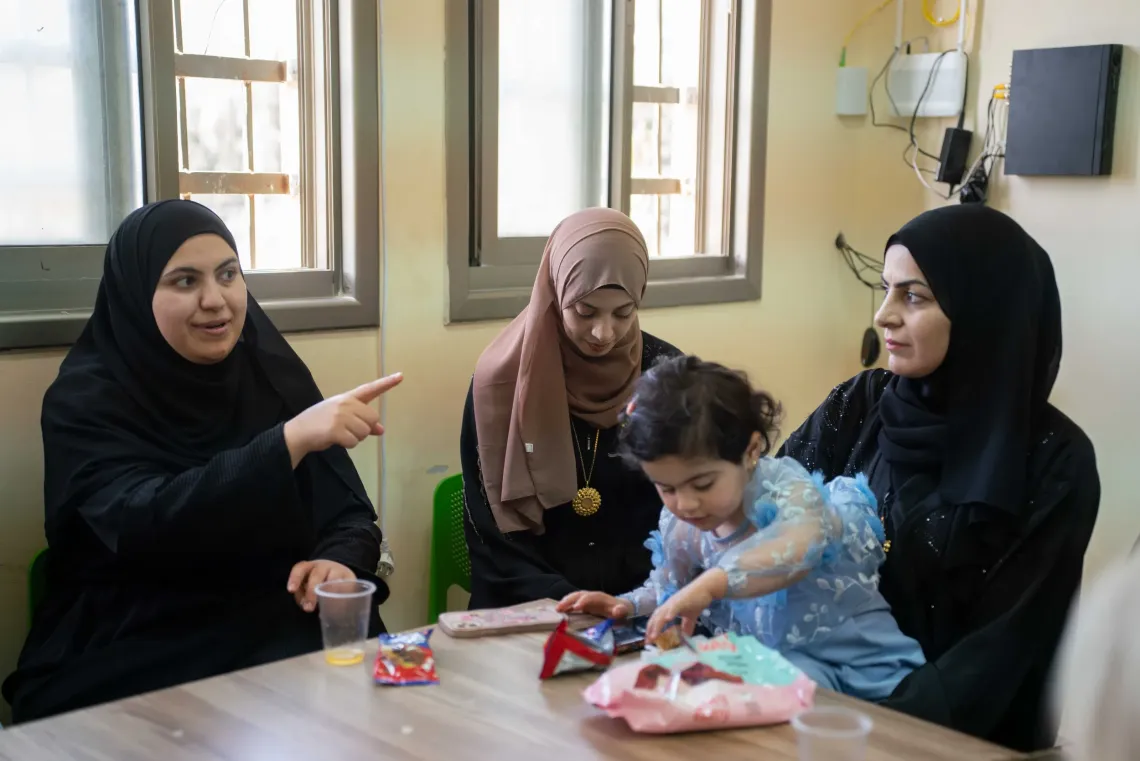
Including Al-Maleh school, 85 schools across the West Bank, including East Jerusalem, have pending demolition orders, most of them ordered destroyed completely and 30 with orders to destroy some part of the structure.
Between January and June of this year, over 3,250 Palestinians including more than 1,500 children, were displaced in the West Bank including East Jerusalem due to settler violence, access restrictions and administrative demolitions. Another 32,000 Palestinians, including 12,000 children, remain displaced since January 2025 from three Palestine refugee camps in the northern West Bank.
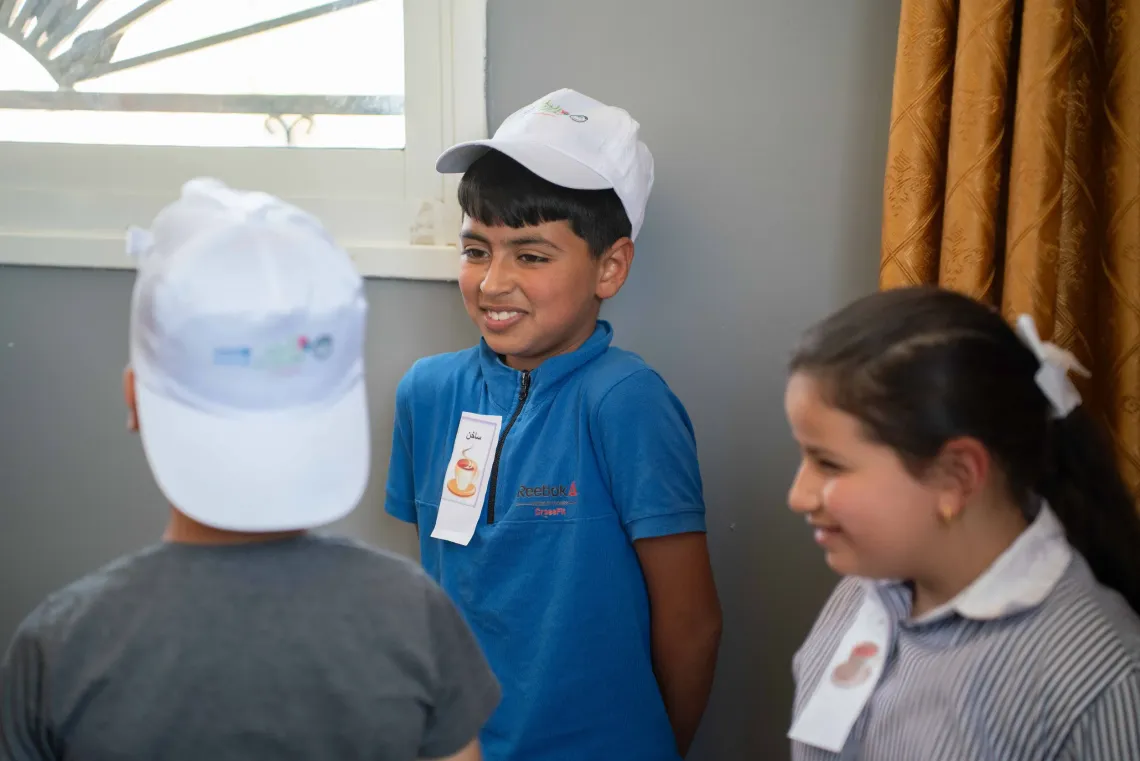
“Soldiers attacked our school before and threw stun grenades at it. Here, I feel safer,” says eight-year-old Muhannad from Qusra, as he joins in the learning exercises.
Jana has to walk a long distance to her school. “Sometimes I cannot go because of the situation,” the eight-year-old explains. “Sometimes I’m afraid to leave the house when the Israeli army passes near us or implements a militarized operation near my house.”
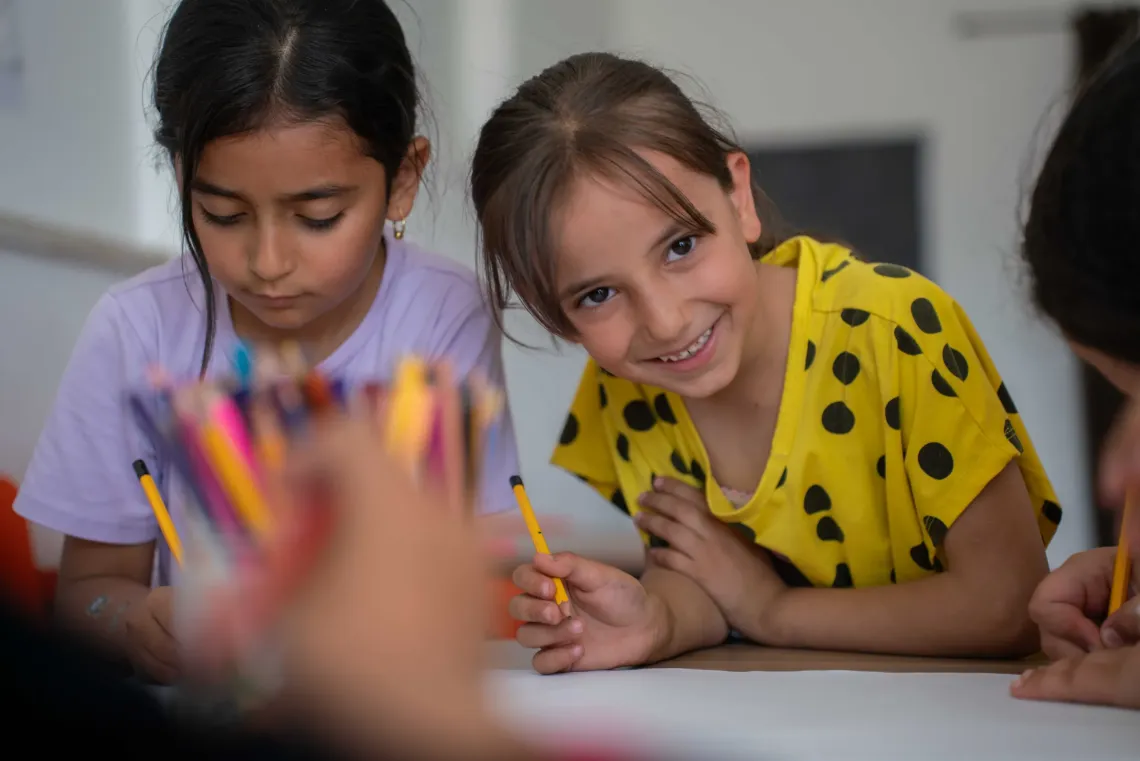
She wants to be a hair stylist when she grows up. “I love colouring and doing hairstyles,” says Jana.
“I also love riding my bicycle to school along the safe road,” she added. “I have to be very careful on my way, because the other roads do not feel safe due to settlers.”
Under the Convention on the Rights of the Child, every child has the fundamental right to education, and states are obligated to respect, protect, and fulfil this right.
UNICEF continues to help children across the West Bank access quality education, remedial learning opportunities, and Mental Health and Psychosocial Support, including Socio-Emotional Learning (SEL), while creating safe spaces and supporting them to pursue their dreams. This is made possible thanks to the support of partners, including the European Union Humanitarian Aid, Akelius Foundation, Education Cannot Wait, the Global Partnership for Education, and the Governments of Australia and Finland.