Gaza’s Children Need Urgent International Support to Get Them Back to Learning
UNICEF and its partners, including the Palestinian Ministry of Education, are launching the Back to Learning Programme, to expand non-formal learning to hundreds of thousands of Gaza’s children.
- English
- العربية
Education is a critical part of child development, offering children stability, community and learning that will help them through adulthood.
For Gaza’s 700,000 school-age children, however, getting back to school after more than two years of devastation and fear is vital for their wellbeing – a life preserver in a sea of uncertainty.
UNICEF and its partners, including the Palestinian Ministry of Education, are launching the Back to Learning Programme, to expand non-formal learning to hundreds of thousands of Gaza’s children.
Gaza’s landscape still lies mostly in ruins. Nearly all of its education facilities were damaged or completely destroyed. At least 92 per cent of schools in Gaza will either require full reconstruction or major rehabilitation work to be functional again.
Jana, 17, is trying hard to study for the tawjihi – a matriculation exam that will determine if she can continue on to get her undergraduate degree, and what she can study in college. But reviewing books and notes inside a cold, wet, and dark tent is almost impossible. “I need to study, but there is no light; it’s cold and wet,” she shares.
Books are too expensive, so she borrows them from friends and tries to protect them from rain and damage. The tent floods regularly and her family depends on a local soup kitchen for food. “Now everything feels scary and unsafe.”
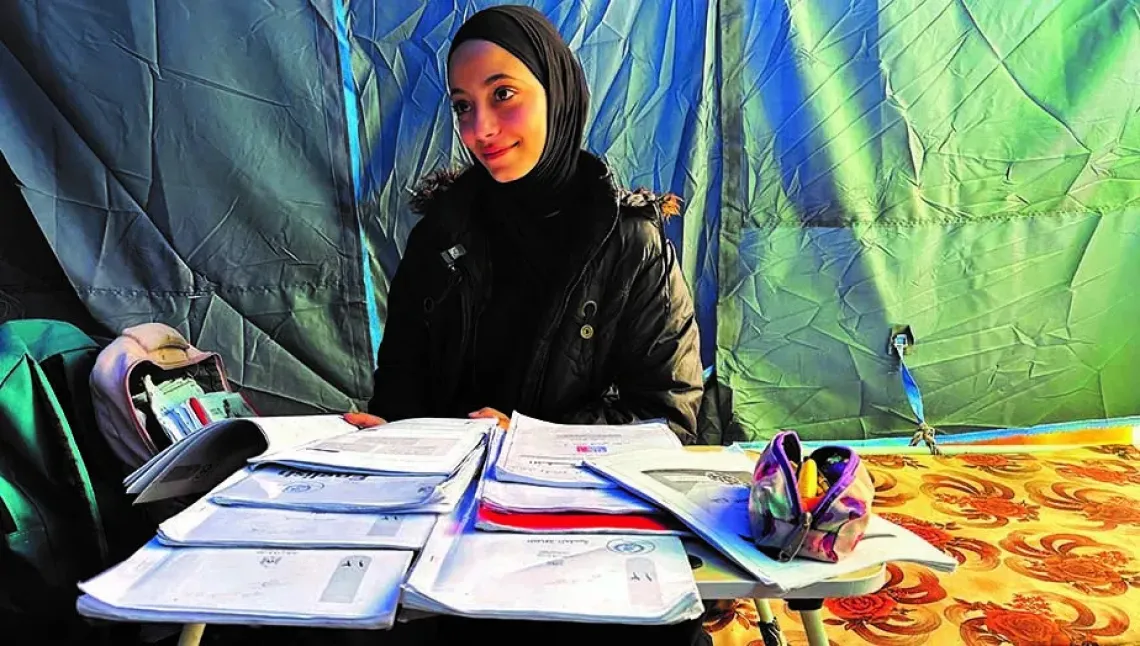
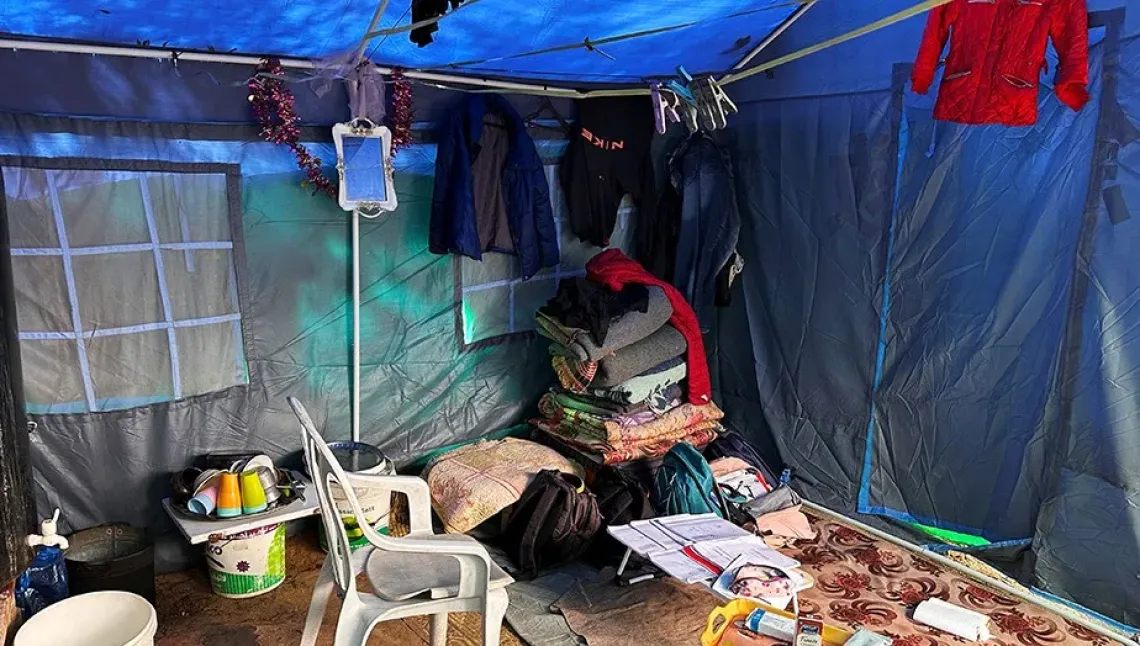
Still, Jana hopes for a different life – one where she and her family are safe and life in Gaza is more ordinary. “I wish to make my family proud,” she says. “I want to study like a normal child, in safety and dignity.”
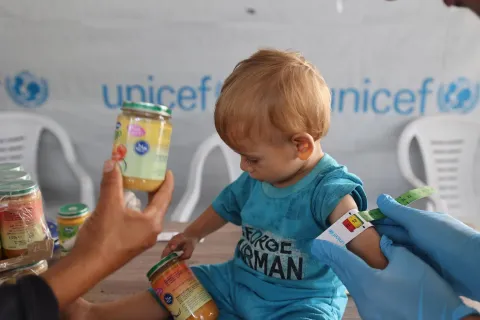
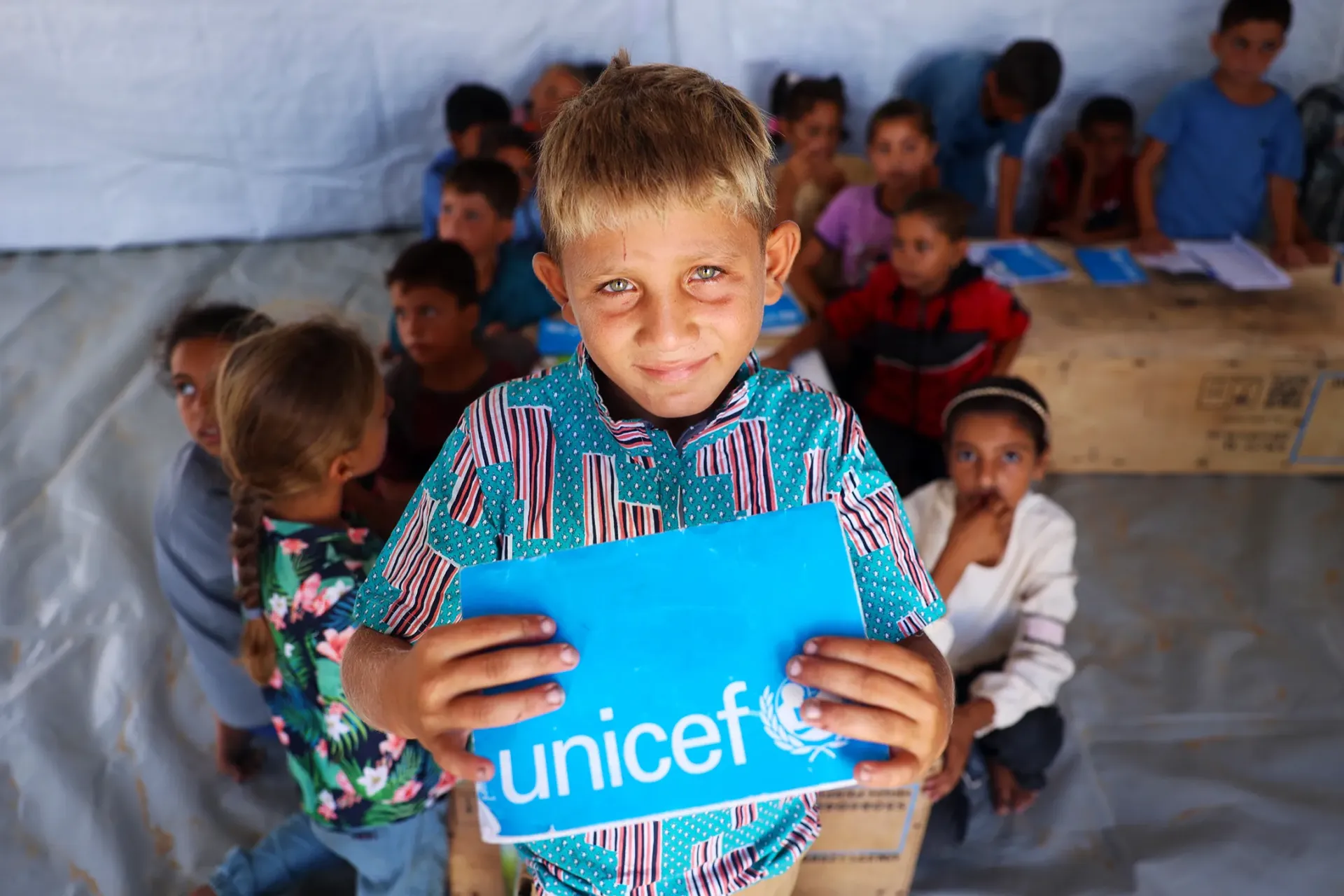
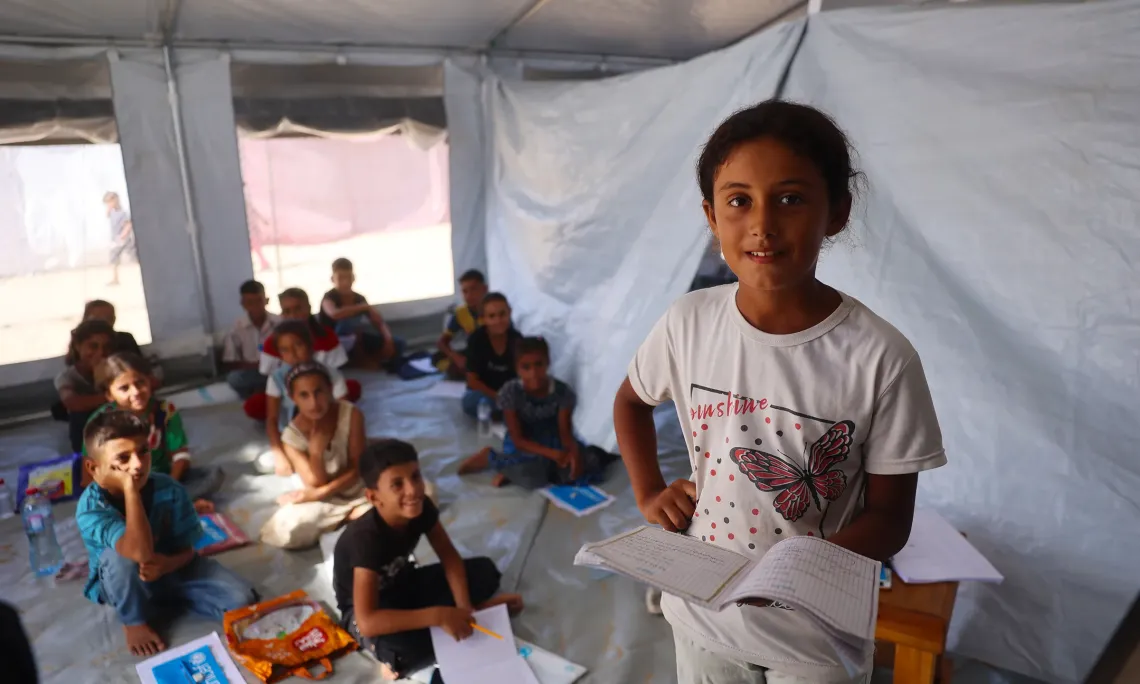
UNICEF is providing temporary learning to 135,462 children in 111 temporary learning spaces (TLS) in the Gaza Strip. These spaces are strengthening children’s core competencies in math, reading and writing and science. After two years of restriction, education supplies have finally been allowed into the Gaza Strip. End of January 2026, more than dozens school in the box containing school supplies for teachers and students have been distributed in the Gaza Strip, bringing amazing smiles on the children faces.
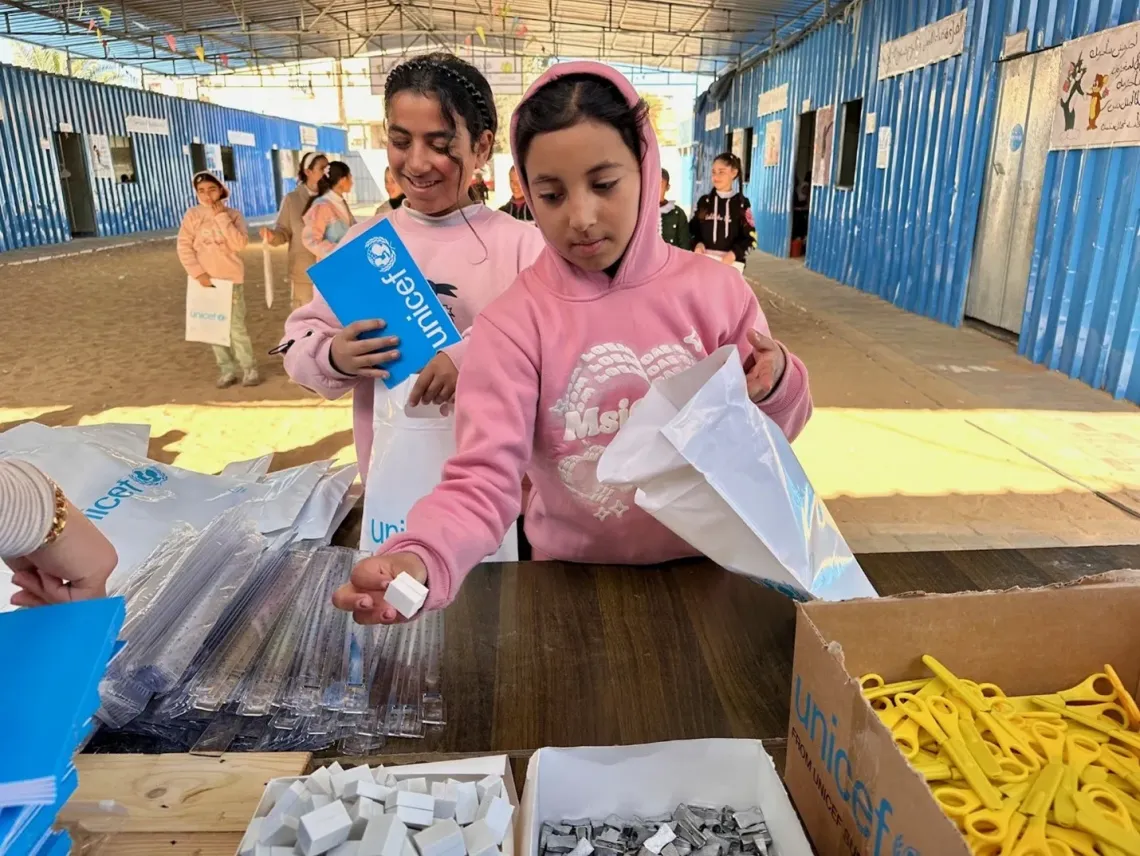
UNICEF, together with partners, aims to raise the number to 336,000 school-age children in 2026 through the Back to Learning, with the hope that by 2027 all school-age children in Gaza will go back to in-person learning.
In UNICEF TLSs, children also participate in recreational activities and exercises that support their safety and mental health. For example, children are taught the risks of unexploded ordinance and lack of sanitation.
Because most Gaza Strip families have been displaced numerous times, the temporary learning spaces provide a place where young people can make friends and form new relationships.
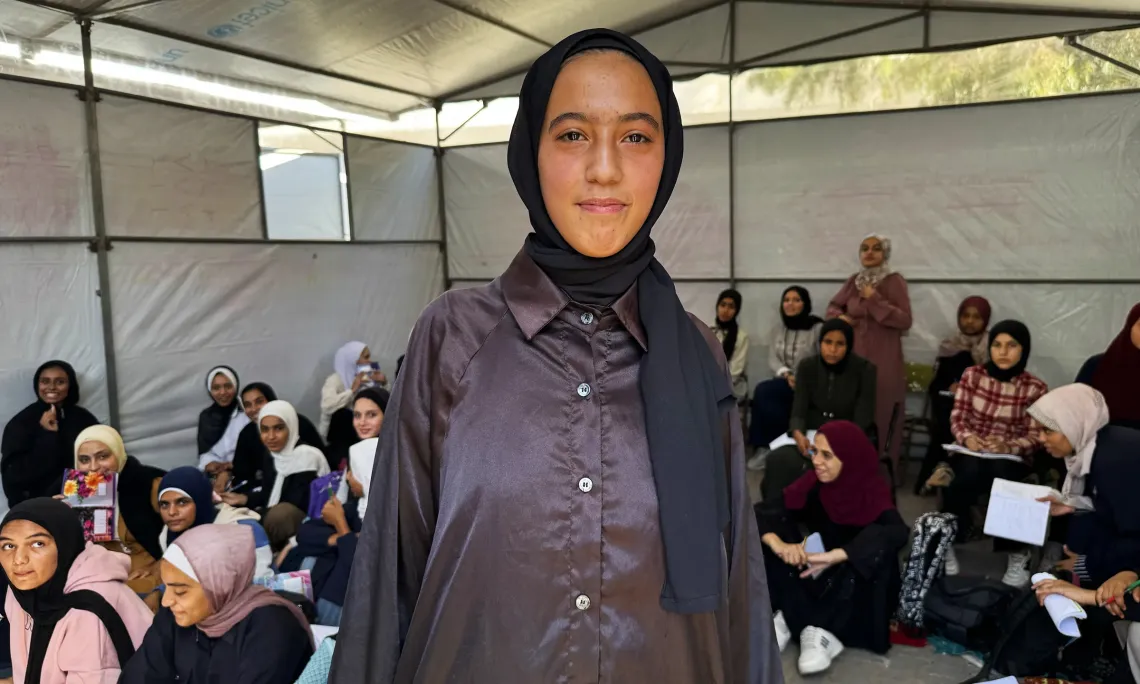
“I’m originally from Beit Hanoun, but now I’m displaced in Deir al-Balah,” says Lama, who loves to study English. “This school makes me feel normal again. Studying face-to-face is so much better – it helps me connect with my teachers.”
Lama’s brother was killed at the beginning of the war, which broke out in October 2023. She says that’s why she wants to be a doctor – to help others. “Before the war, I loved coding, but now we don’t have internet,” she says. “I still dream of being a doctor who can code — someone special who can make a difference.”
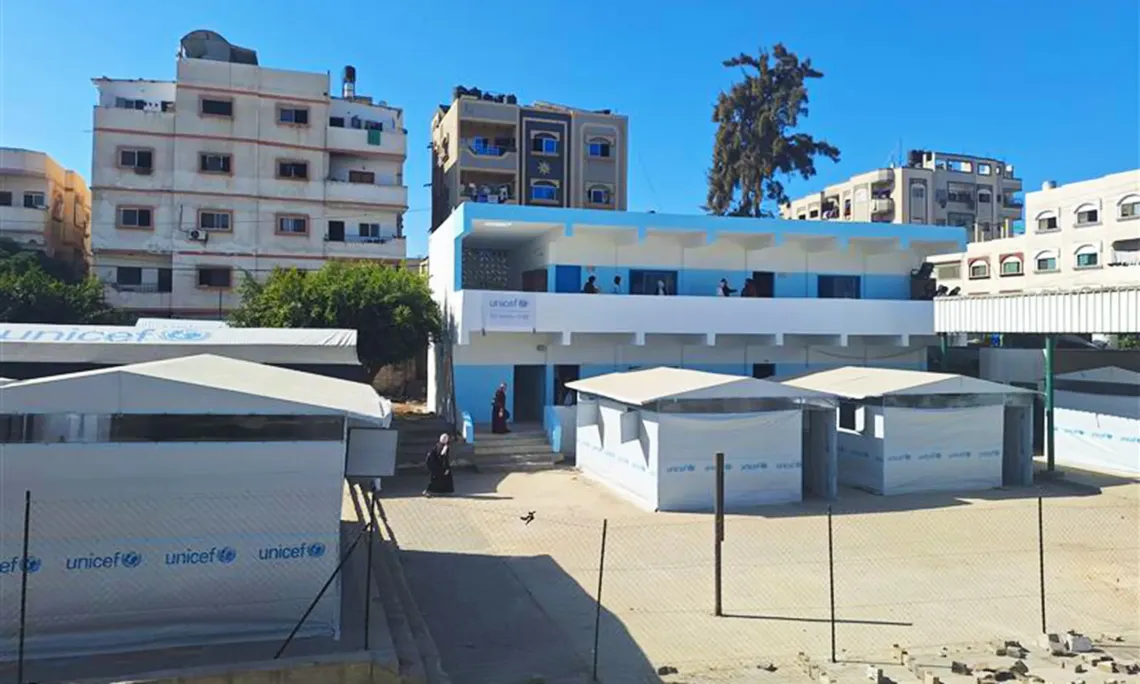
But these learning spaces have long wait lists. With this programme, UNICEF and its partners seek to expand non-formal learning opportunities for school-age children, while also beginning to return children to their school buildings. Children represent half the population in Gaza and hold the greatest potential to rebuild a peaceful, healthy and thriving society.
"I'm displaced from north Gaza to the south,” says Ibrahim. “I hope we can return to the north [where my school is] so that when I grow up, I can be well-educated."
Currently, thousands of families are surviving in crowded displacement sites between piles of rubble. This debris needs to be cleared, and the land deemed safe from unexploded ordinance, so that more learning sites can be built, especially in the north of the Gaza Strip.
For too long, there have been no school bells ringing in Gaza. UNICEF calls on the international community to fully support the Back to Learning programme, alongside the Palestinian Ministry of Education and Higher Education and education partners, so that every child in Gaza can return to learning – safely, inclusively and without delay.