Violence against children in the West Bank mounts
UNICEF is rushing emergency supplies to Palestinian children driven forcefully from their homes.
- English
- العربية
For years, children in the West Bank have been subjected to various forms of violence and deprivation – routinely cut off from their schools, hospitals and other services. Now, as the world shifts its gaze to regional conflict, settler violence in the West Bank is escalating by the day.
UNICEF has received regular reports of assaults on Palestinian children, leading to a surge in displacement and humanitarian needs.
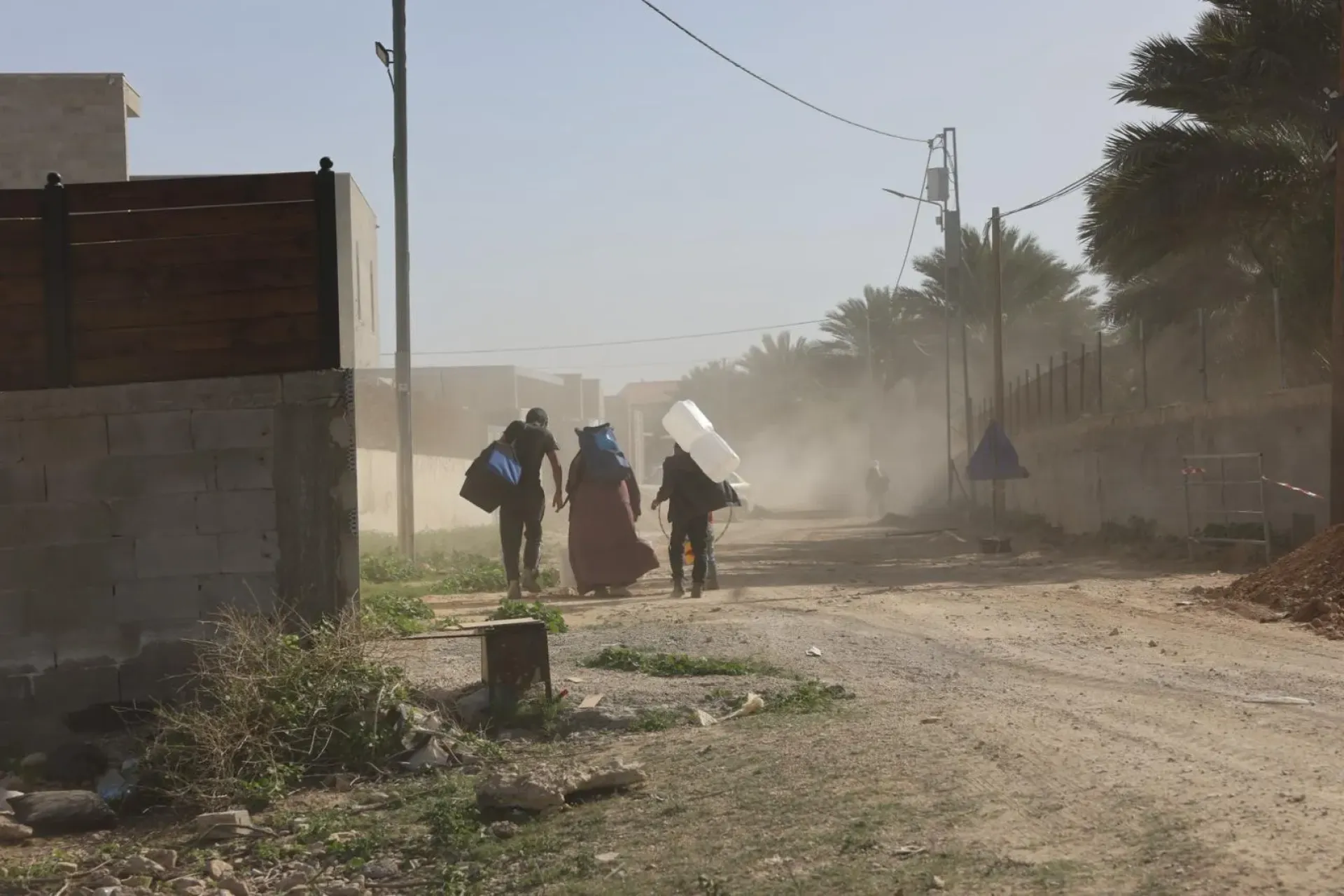
When 13 Bedouin households were forcibly displaced from their Ad Dyouk Al Tahta village in the Jericho neighborhood on 10 February, attacks didn’t spare children.
Adults and children were reportedly threatened and beaten as their residential shelters were demolished. The area was then sealed off, leaving 47 children and their families stranded outdoors, without adequate shelter, for two consecutive nights.
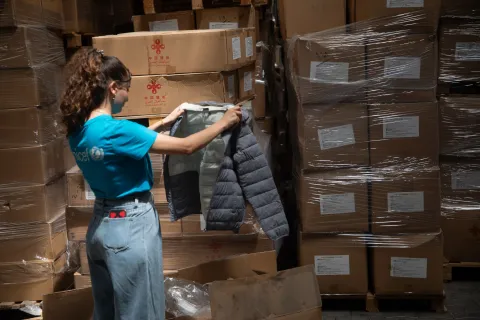
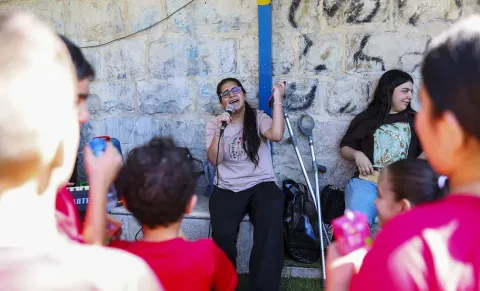
Upon receiving an alert, UNICEF rushed jerrycans for water storage, hygiene kits for women and adolescent girls, and packages of infant care supplies for mothers. Teams also brought recreational kits to support children’s psychosocial health and help them cope with the distress of being torn from home.
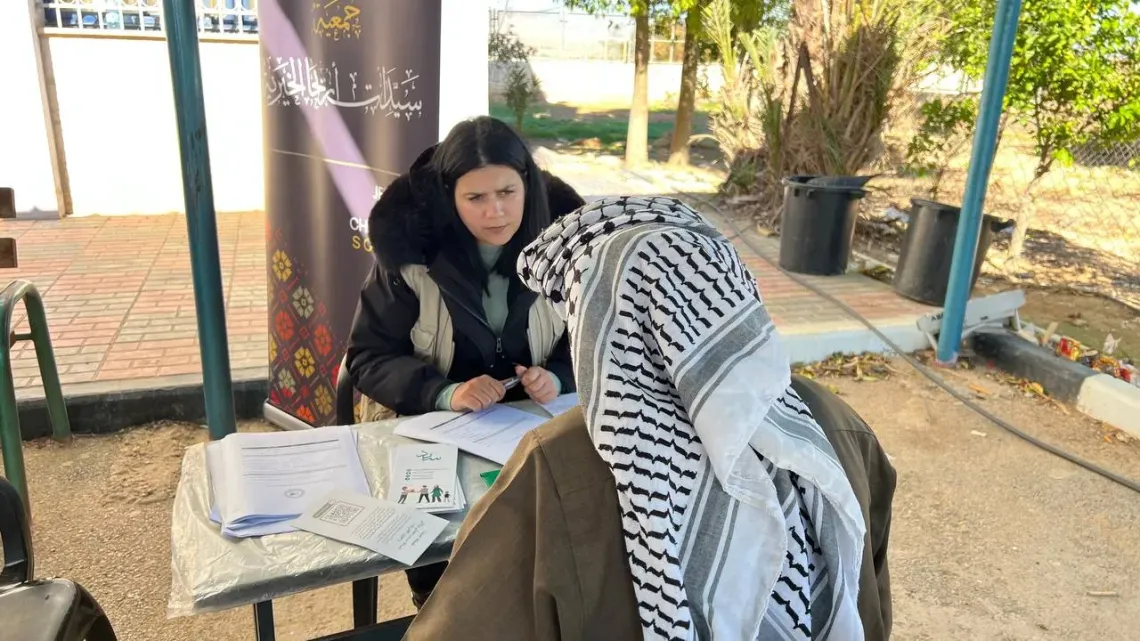
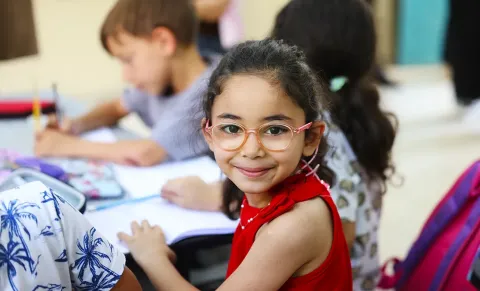
This is all part of UNICEF’s Rapid Response Mechanism, which provides immediate care to displaced communities in the West Bank. Child protection teams are deployed within 24 to 48 hours of notification. In addition to supplies for learning, clean water, safe sanitation and breastfeeding, UNICEF also delivers humanitarian cash assistance, helping Palestinian families deprived of their livelihoods provide for their children.
Since July 2025, UNICEF has responded to the needs of over 1,600 displaced families across the West Bank, including more than 800 children.
Because children are likely to have endured extreme distress while driven, often violently, from their homes, UNICEF also provides mental health and psychosocial support.
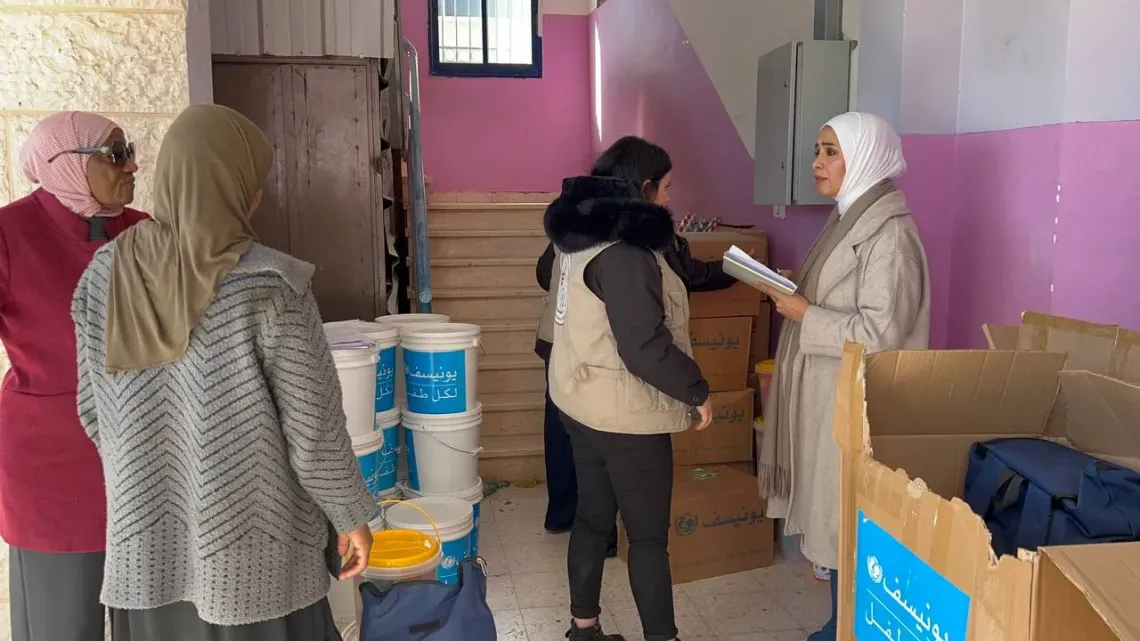
These families deserve to be protected, their rights respected. They need to be rehoused and provided support to relocate their children to community schools. They ask for safe access to drinking water, for themselves and their livestock.
Funding for this response is critical amid swiftly rising needs. We thank our donors and partners who continue to enable our work for children in the West Bank through flexible humanitarian funding, and welcome additional support to sustain and scale up these efforts.