Investing in Knowledge: Building a Stronger Support System
Training professionals is changing practice and improving the quality of support for refugees and migrants

- Srpski
- English
Obrenovac, June 2026 – “They treat the children good. I am so happy because the children interact and there is no discrimination based on the colour of their skin or anything like that,” says Susan Koroma, a 36-year-old mother of two from Sierra Leone. She lives in the Asylum Centre Obrenovac with her husband and their younger son, Ismail, who was born in Serbia a year and a half ago.
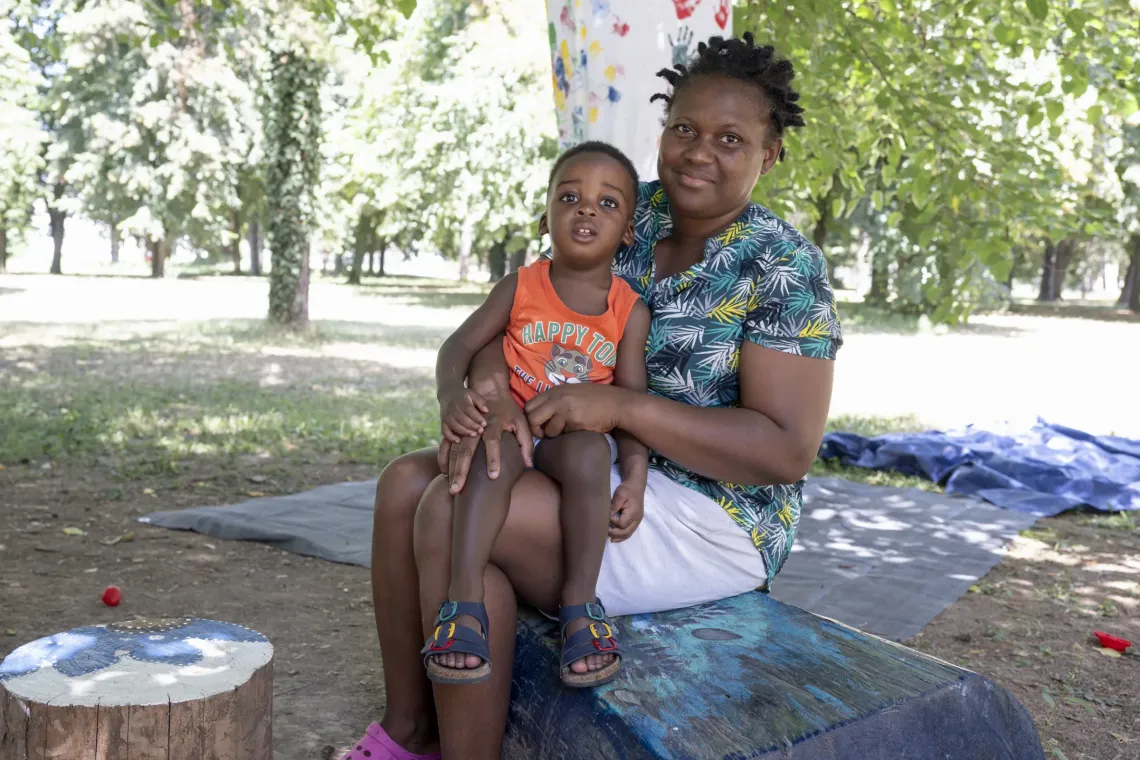
“The children do their schoolwork and play at the same time. They draw, make furniture and create different things. I feel safe here. I feel truly blessed to be in this country,” says Susan.
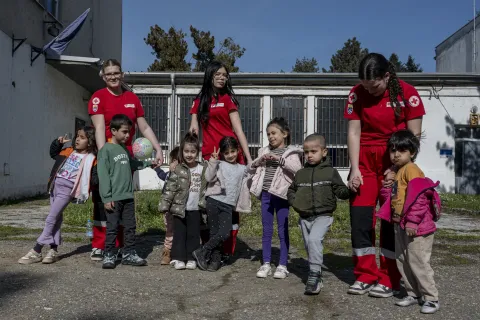
The Centre is currently home to 20 children, most of them of pre-school age. Although they and their families are now safe, they continue to face many challenges along the way. Refugee and migrant children in Serbia – especially unaccompanied children – are at risk of trafficking, violence and exploitation. That is why UNICEF is strengthening the capacities of professionals working on the front line to protect them.
At the Child-Friendly Space, we meet Fabiana from the CSO Caritas Belgrade, who works as a child facilitator, Sidi, a translator and cultural mediator, and Danica, who provides support to families on behalf of the Commissariat for Refugees and Migration.
Fabiana, Sidi and Danica took part in training delivered through the project the project “Promoting Evidence-based Migration Governance for Maximizing Development Potential of Migration,” jointly implemented by UNICEF, IOM, UNDP and UNHCR with the support of the Migration Multi-Partner Trust Fund and in cooperation with the Commissariat for Refugees and Migration of the Republic of Serbia.
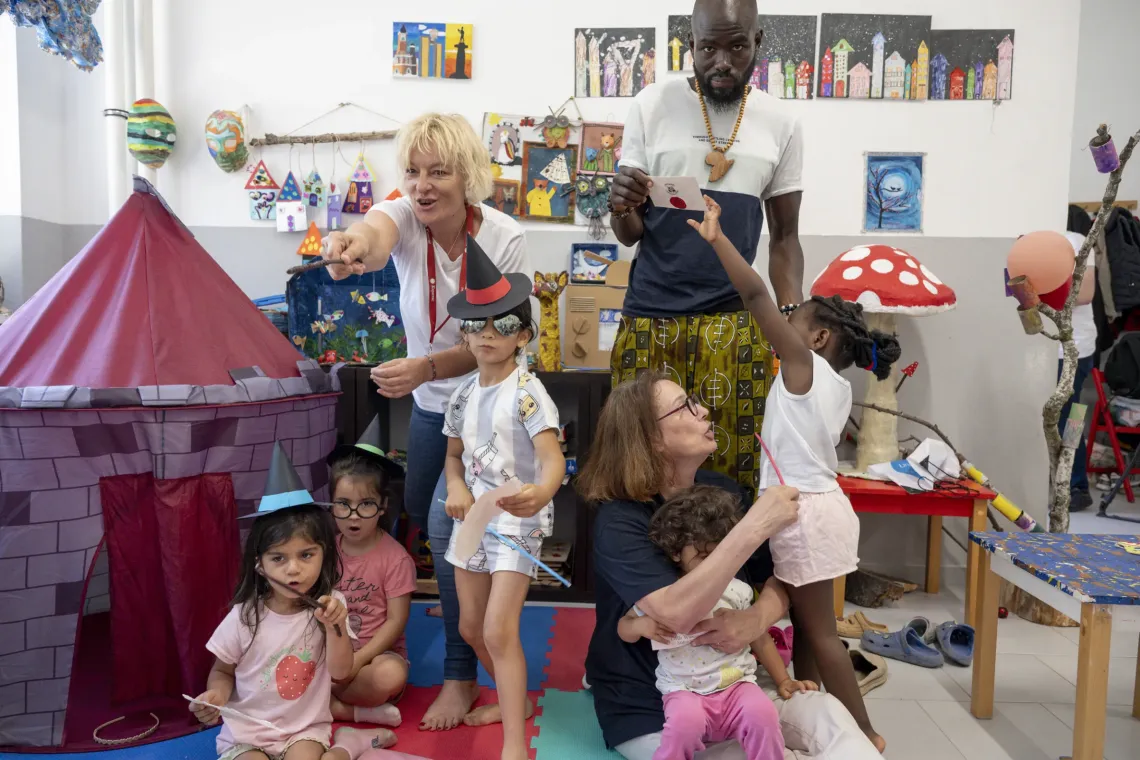
As part of the project, UNICEF supported the development and enhancement of training programmes on Child Protection in Emergencies, Gender-Based Violence in Emergencies, Safeguarding and Prevention of Sexual Exploitation and Abuse, as well as Facilitation Skills. Nineteen trainers were trained and certified, and 16 training sessions were delivered to 210 participants.
“I attended the ‘Child Protection in Emergencies’ training in Plandište. All the organisations working with migrant children were there. The central theme throughout the training was the best interests of the child,” says Fabiana.
Every day, she organises creative and sports activities for children. For her, it is important to know how to respond in every situation.
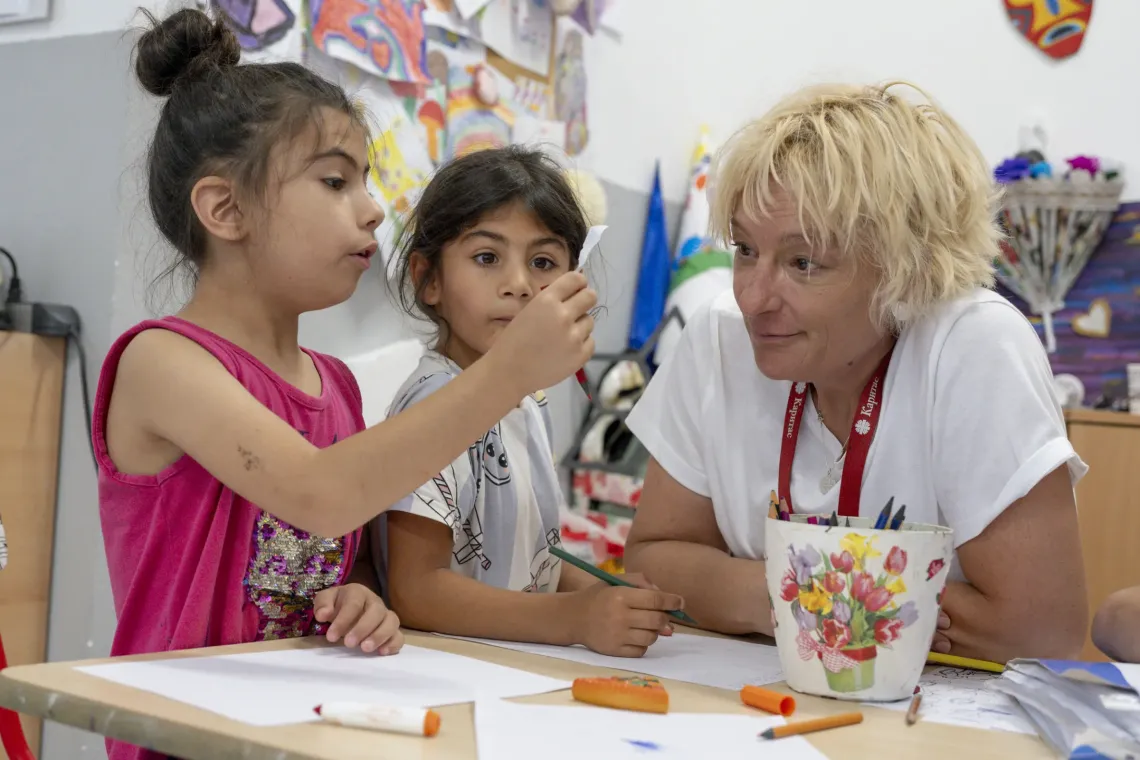
“The way this training helped me was that I learned much more about how the whole system works. I learned how to recognise a child's needs and strengths and, if any problem arises, how the system works and who to turn to – whether it is the Commissariat, a doctor, a psychologist or a social worker. The training also helped me improve the way I talk to and get to know parents, so I can better understand their children's needs and what is in the child's best interests,” she explains.
Sekou Sidi Diawara works with the Centre for Youth Integration as a translator and cultural mediator. He came to Serbia from Mali six years ago. After receiving a scholarship from his home country, he graduated from the Faculty of Political Sciences in Belgrade and is currently pursuing a PhD in International Relations. He considers participating in UNICEF training to have been extremely valuable, as it has strengthened both his theoretical and practical knowledge. Every day, he works with children from different countries and with different life experiences.
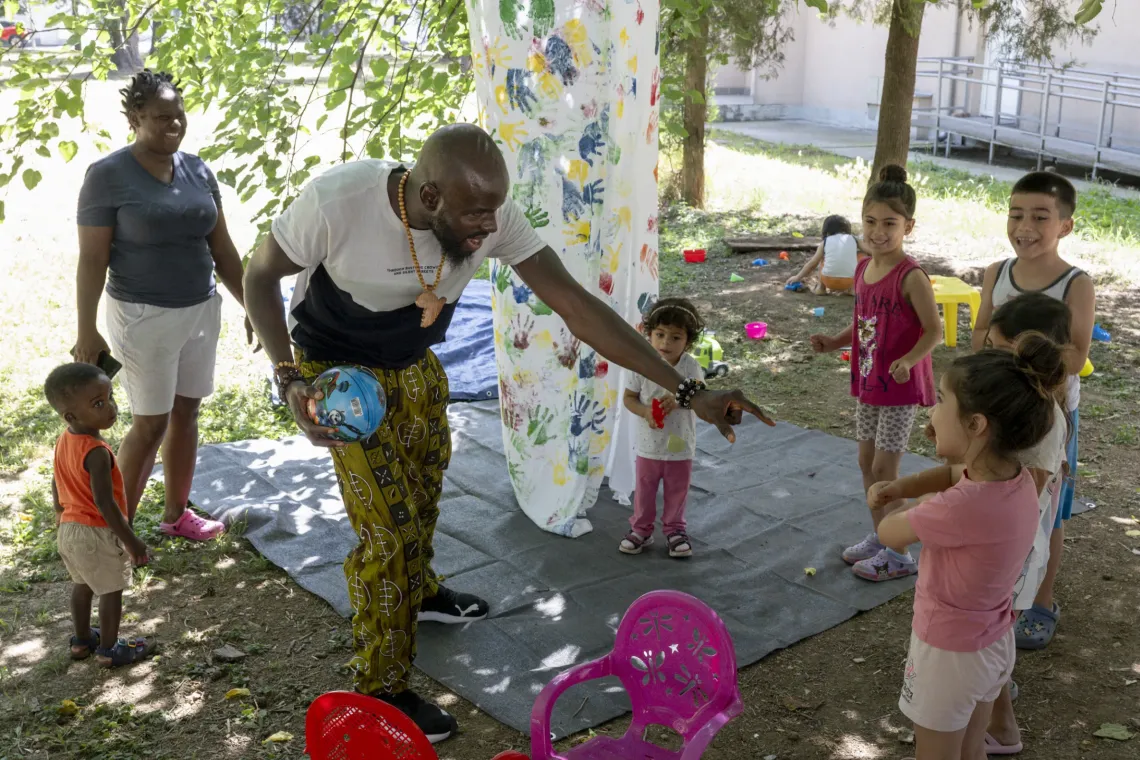
“The training I attended in Plandište focused on violence. What is violence? How can we recognise that someone is in a violent situation? And how can we respond? We learned about both the psychological aspects and the legal framework, including all the laws related to child protection. We also learned about communication, because when you work with children, the most important thing is how you communicate with them, especially with their parents,” he says.
Sidi considers the exchange of experiences with colleagues from organisations and institutions working with migrants and families on the move to be one of the most valuable aspects of the training.
“Everyone brings their own experience, their own background and their own knowledge. We learn from one another, and that helps us improve the way we work and understand which concepts and approaches we can adapt in different situations,” he says.
Sidi knows the families living at the Centre well. They come from Türkiye, Sierra Leone, Burundi and Kyrgyzstan. He accompanies them to institutions, follows children's progress at school, attends parent-teacher meetings and organises Serbian language classes. The knowledge he gained through the training helps him make everyday life easier for families and supports their integration into society.
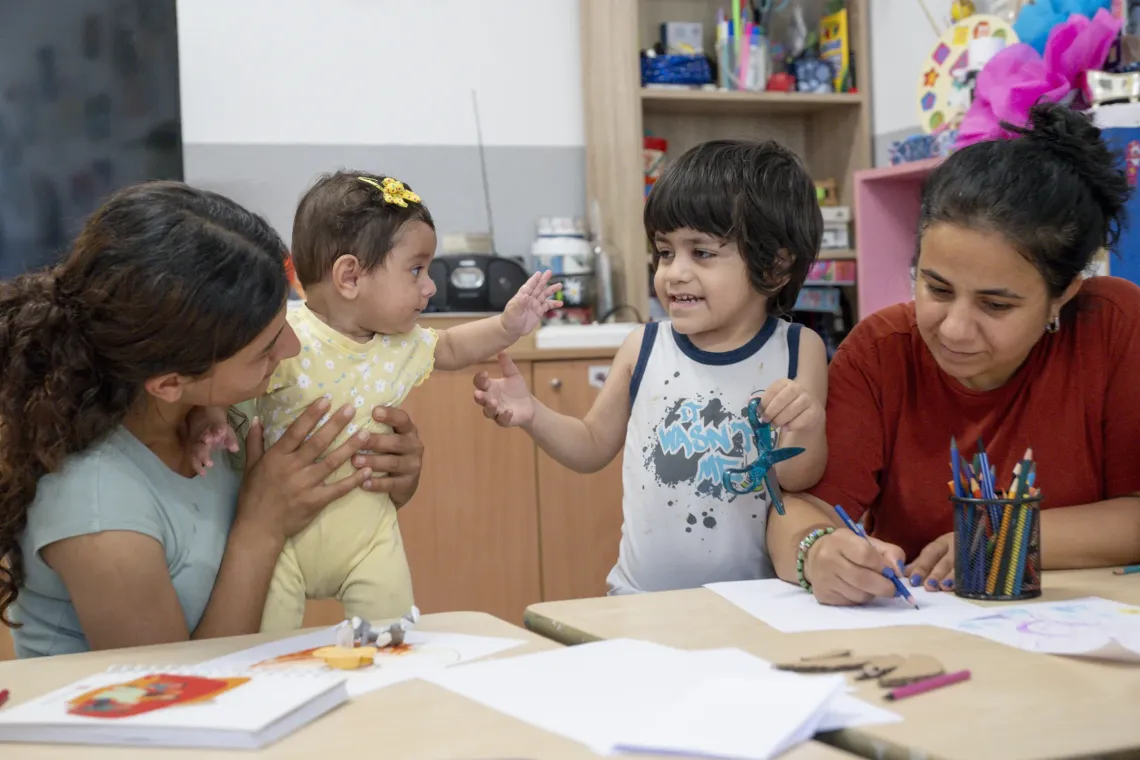
“People who come from Eastern countries have cultural differences. For example, when children play together here, some parents do not allow their boys to play with girls. We try to explain that there is no difference between girls and boys, that everyone is equal,”says Sidi.
Danica Ćirić works for the Commissariat for Refugees and Migration. A clinical psychologist by profession, she has worked in the field of migration for three decades. At the Asylum Centre, she supports vulnerable groups and children's education. She is now also one of the 19 certified trainers.
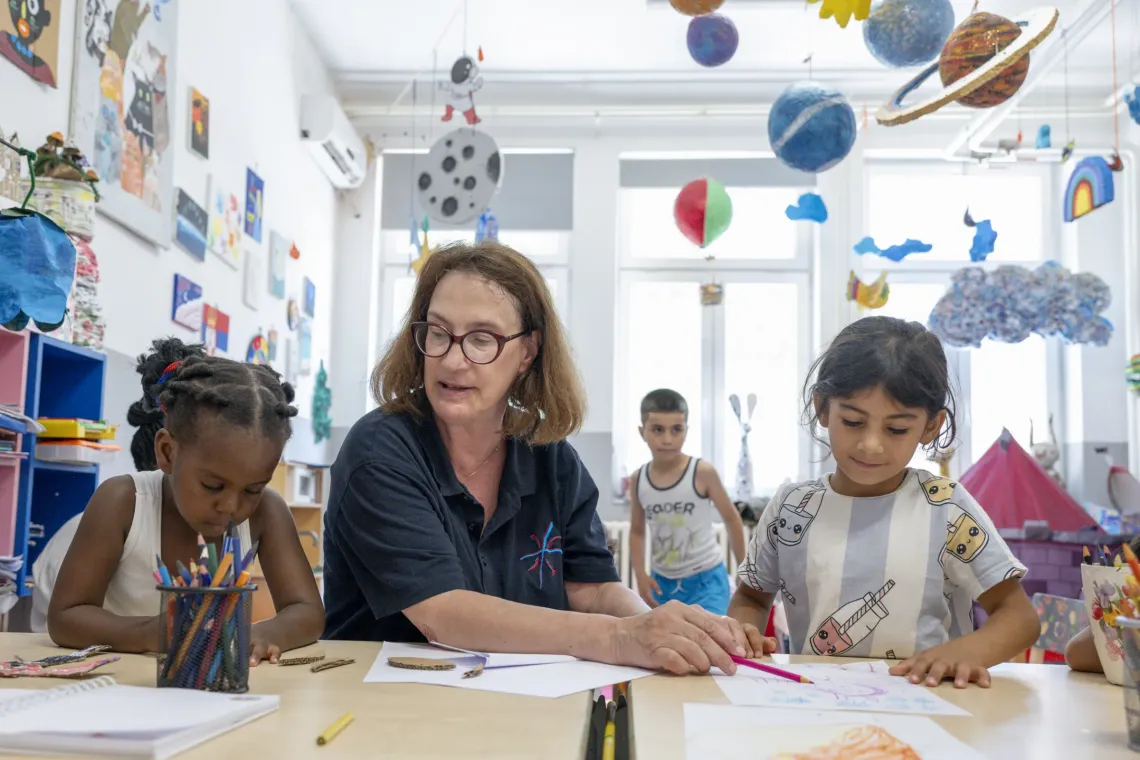
“Through the training of trainers, which was very well designed, we learned how to deliver these trainings to our colleagues. It provided a comprehensive overview, from the legal framework and standards to the practical steps applied in working with children, protecting children and supporting people who have experienced gender-based violence,” she explains.
Training trainers ensures that knowledge reaches a large number of professionals, including staff from the Commissariat, asylum centres, non-governmental organisations working on migration, local governments, the Red Cross, the health, social protection and education sectors. The aim, Danica explains, is to strengthen cooperation by building stronger links between all those involved.
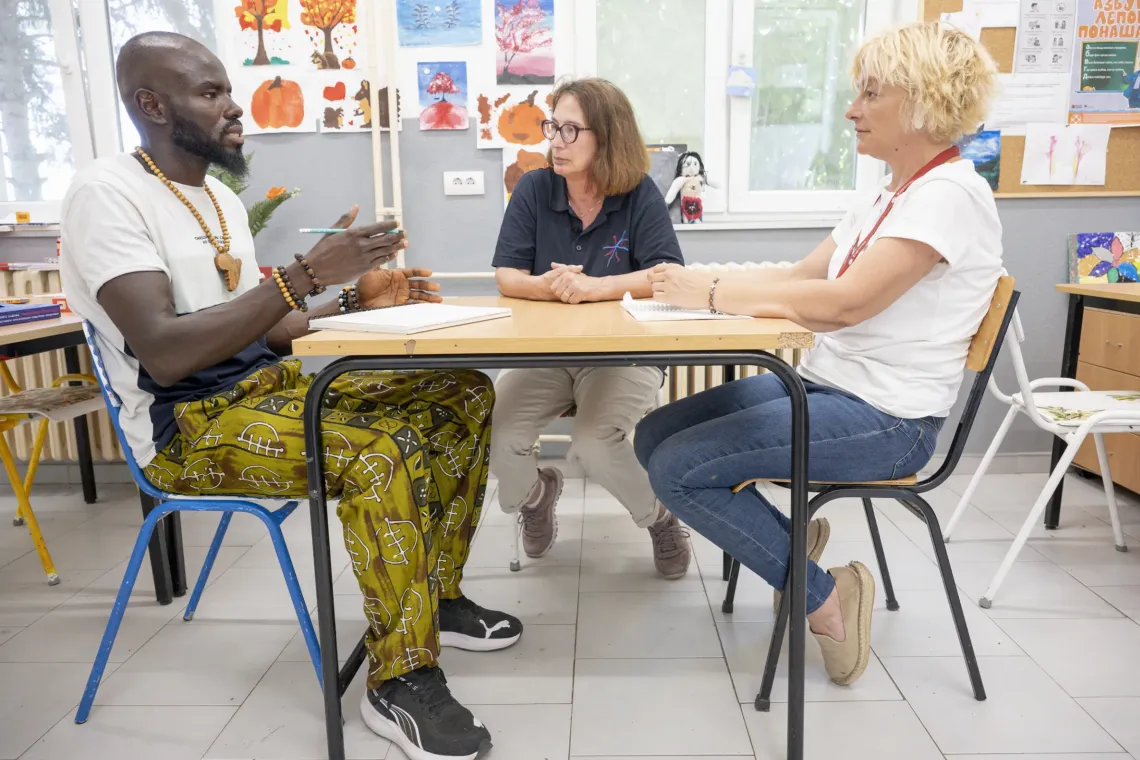
“What complemented my existing knowledge and experience were the aspects of social protection, particularly how the best interests of the child are applied in practice and how we at the Centre should respond when a child is facing a particular challenge. It also helped us understand how all organisations and professionals working in the field can coordinate their efforts more effectively,” she says.
Fabiana, Sidi and Danica demonstrate how professionals who continue to strengthen their knowledge and skills can also transform practice and improve the quality of support provided to vulnerable groups, including refugee and migrant children. Their shared motivation is the well-being of every child.
“We were guided by the desire to create the best possible environment for the people we support, especially for children who have already experienced enough trauma on their journey and everything they have been through. We wanted to help make their daily lives here feel as normal as possible,” Fabiana concludes.