The Exploitation of Refugees and Migrants
Hidden Struggles Along Migration Routes
- Srpski
- English
Belgrade, Serbia, October 2024 - For many refugees and migrants, the journey to safety involves navigating not just geographical borders but also significant risks of exploitation, with many falling victim to exploitation by human traffickers. Along the Balkan migration routes the hidden danger of human trafficking looms large for those who are vulnerable, including unaccompanied and separated minors, women, and financially insecure men.
Refugees and migrants are increasingly more dependent on smugglers, who intentionally mislead people, scaring them with the threat of deportation to their countries of origin”. This increased reliance on smugglers has led to a rise in cases of human trafficking, as traffickers take advantage of this fear and isolation.
A particularly vulnerable group on these routes are unaccompanied and separated children. They are often coerced into criminal activities or forced into sexual exploitation.
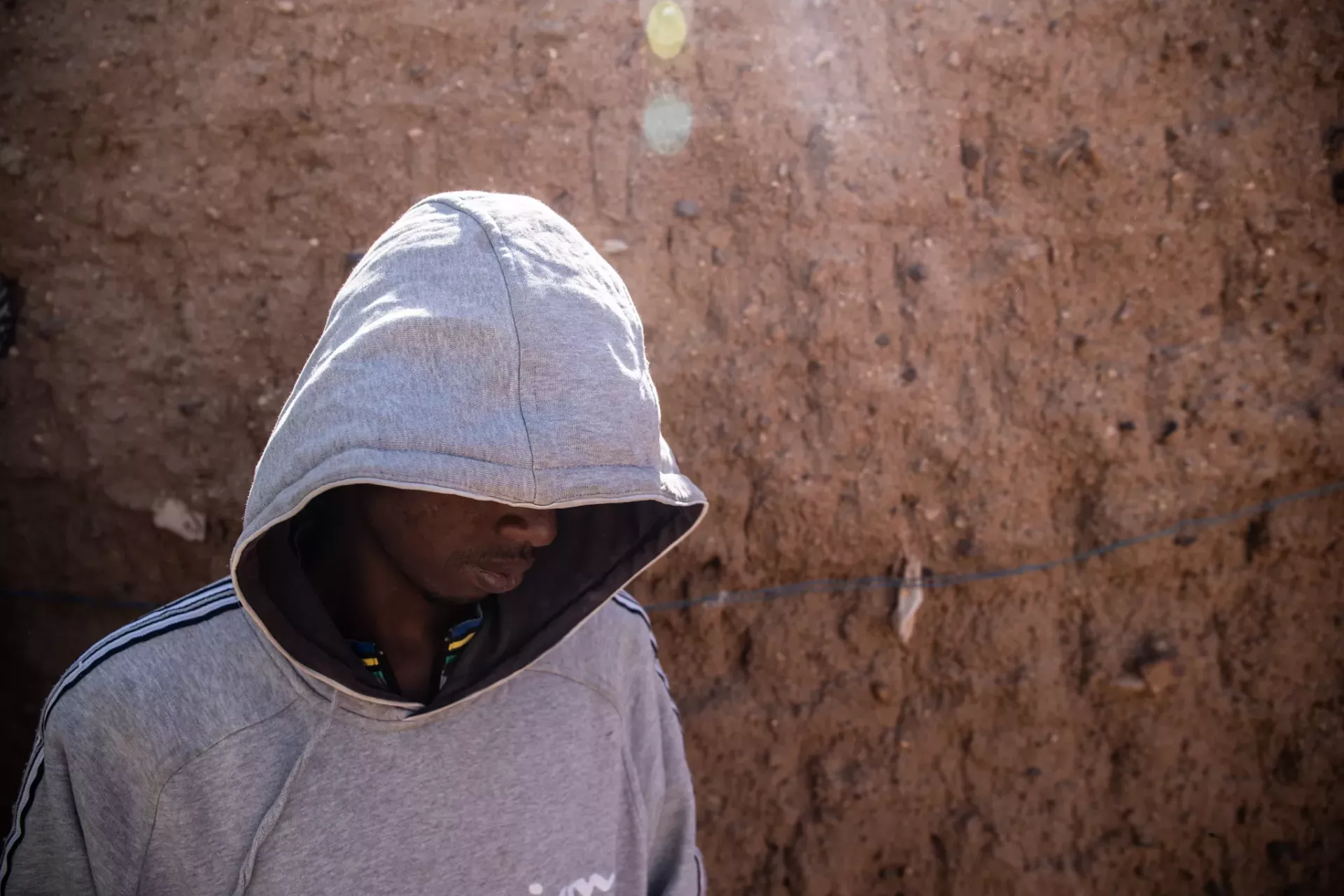
“They raped me and recorded it. They threatened to send the video to my parents and everyone in my village. We live in a small place, and if that video were sent, my whole family would be shamed. Even my younger brother would suffer. I worked for them because I had no choice. That’s why I smuggled for them. Tonight, I’ll continue my journey and try to leave it all behind,” recounted one Afghan teenager, now 19, his horrifying experience with traffickers.
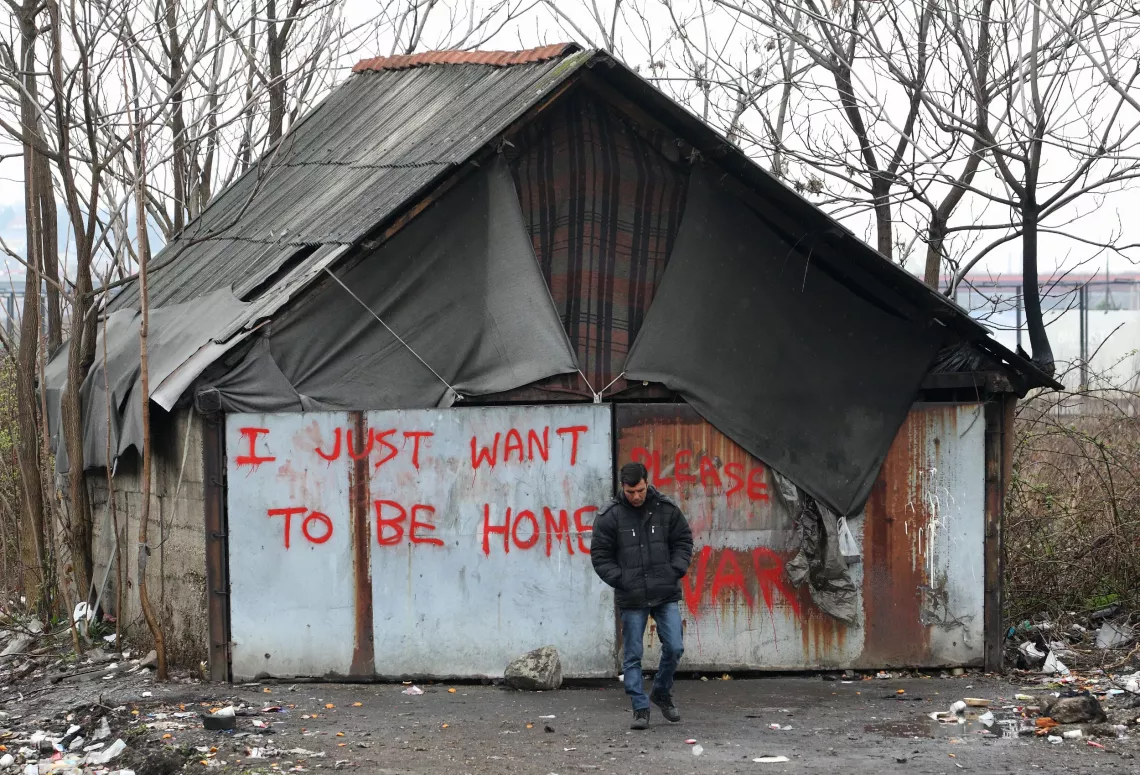
Unaccompanied and separated children face significant risks during their journey, often targeted by traffickers who exploit their vulnerability. Many, like this young man, feel they have no choice but to comply, driven by fear for their safety and the well-being of their families.
Women, particularly those traveling alone or with children, are also at heightened risk of exploitation. Smugglers often present themselves as protectors, but this protection comes with a cost.
“What else could I do with three kids and my husband in Germany? I clean and work for the smuggler. He leaves my children alone, and we have food and shelter. It’s not easy, but it’s better than being harmed by other men. We’ll make it to Germany, and then this will be behind us,” a 33-year-old woman from Iraq, traveling with her three children, described her difficult situation.
Labour exploitation is another common form of abuse. Men who lack the financial resources to pay for organized travel are often forced into gruelling labour under exploitative conditions.
“We worked on a plantation for months. The agent promised us 600 euros a month for 10 hours of work a day, but we ended up working 16 hours. We lived in tents, 30 of us in one, with barely enough food to survive. After three months, I was paid only 200 euros, and some of the others were beaten when they asked for their money. My friend and I decided to escape, and we crossed borders on our own, not knowing where we were going,” one Pakistani man shared his experience working on a plantation in Greece.
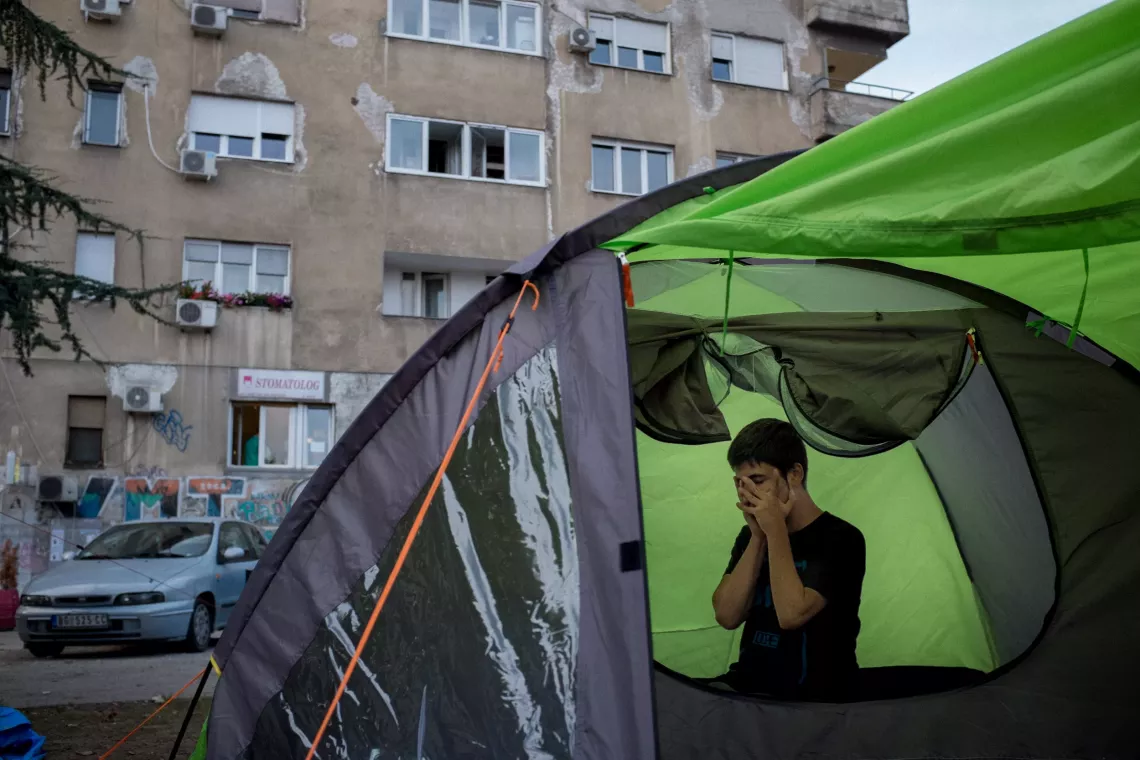
These accounts highlight the complex and perilous reality faced by refugees and migrants. Human traffickers exploit their vulnerabilities, using fear and coercion to control them, while state responses often fall short. Aid workers are responsible for reporting cases of trafficking and abuse to the authorities; however, these efforts sometimes face challenges in translating into comprehensive follow-up actions. Many survivors continue their journey before any legal action can be pursued, unwilling to delay their progress any further.
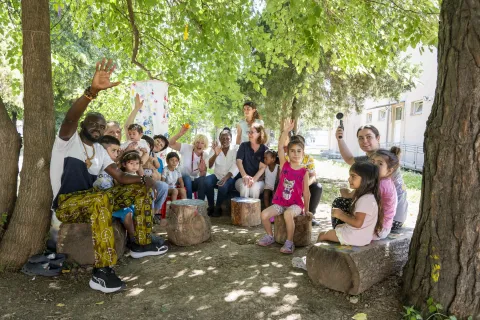
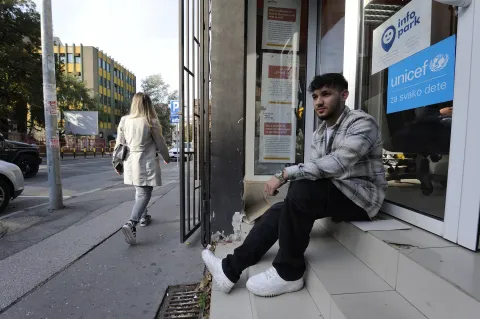
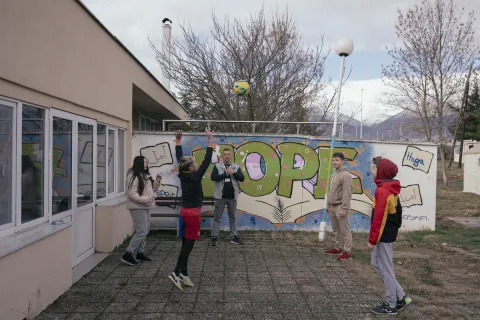
In response to these challenges, UNICEF Serbia, in partnership with Info Park, has been implementing programmes to protect refugee and migrant children and women. The focus is on preventing abuse and other forms of violence and providing adequate support services to those who have experienced violence. Outreach services through mobile teams are available, as well as safe spaces for women and children, a 24/7 SOS hotline, child protection, psychosocial support services, and access to critical information.
At the safety hub in Belgrade’s city centre, refugees and migrants are provided with vital resources, including information about local laws, referrals to specialized services, and guidance on the risks of trafficking. The hub serves as a unique and essential resource, offering a safe space for women, girls, unaccompanied children, and other young people. Through workshops and tailored outreach efforts, mobile teams actively inform refugees and migrants near border areas about the dangers associated with illegal border crossings, the reliance on unreliable intermediaries, and the risks of engaging with suspicious groups.
The trafficking and exploitation of refugees and migrants, especially children, persist as a serious issue, made worse by policies that drive migration further underground. Addressing this requires immediate action—stronger legal protections, stricter enforcement, and more accessible support systems are essential. Only by filling these critical gaps can governments and organizations effectively safeguard the rights and dignity of those most at risk of exploitation.