

Climate, Environment and Resilience: Building Climate-Resilient Futures for Children
For every child, a sustainable future

UNICEF Philippines Climate, Environment and Resilience Results 2025
In 2025, UNICEF Philippines helped strengthen child-responsive climate action by generating evidence on the impacts of climate change on children, supporting climate-resilient water, sanitation and hygiene (WASH) services, and promoting youth participation in climate decision-making. These efforts improved access to basic water and sanitation services for communities in Caraga and BARMM while advancing policies and investments that protect children from climate-related risks.
2025 Highlights
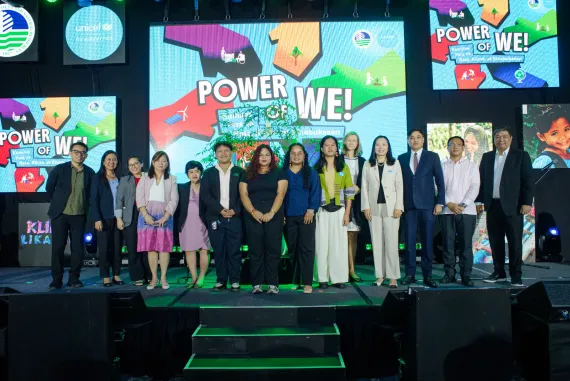
Evidence and policy that prioritize children in climate action
- UNICEF Philippines and the Department of Environment and Natural Resources (DENR) developed the Climate Landscape Analysis for Children, providing evidence on how climate change affects children in the Philippines and identifying priority investments needed to strengthen children’s resilience, well-being, and access to essential services
- UNICEF and the Department of Local and Interior Government developed the Cooperation Framework for Water Supply and Sanitation in Local Governance, clarifying government roles and strengthening coordination to support climate-resilient water and sanitation services at the local level
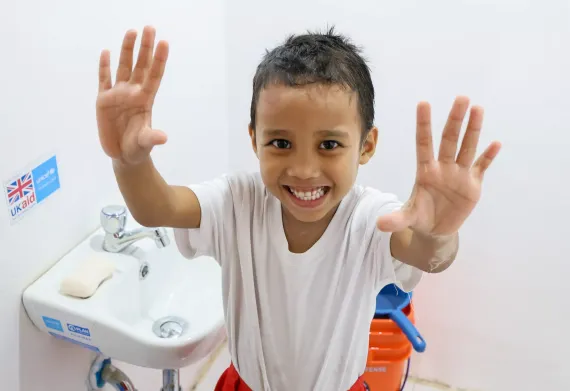
Communities have safe water and safer environments
What UNICEF Philippines helped achieve
- More than 7,200 people in Caraga Region gained access to basic sanitation services and over 8,800 people benefited from climate-resilient basic water services
- In BARMM, 50,320 people benefited from safer and healthier environments as 40 communities achieved Zero Open Defecation status
- In BARMM, 48,448 people gained access to basic water services, while upgrades to learning facilities improved environments for more than 25,000 children
How UNICEF Philippines contributed
- Strengthened local capacities through training, technical assistance, and orientation sessions
- Provided technical expertise and strategic guidance to help local governments adopt effective models and sustainable WASH models
- Supported facility upgrades that improved access to safe water, sanitation, and child-friendly learning environments
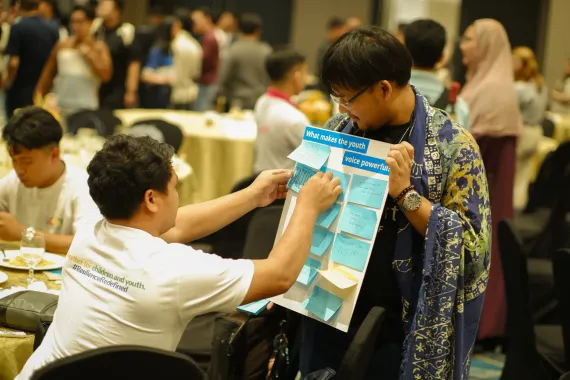
Children take centre stage in climate action
What UNICEF Philippines helped achieve
- An interagency mechanism for children’s and youth engagement was embedded within the Philippine Youth Development Plan, strengthening opportunities for young people to participate in climate and development decision-making.
- The Kabataang Resilient Network grew to more than 100 youth leaders and 30 youth-led organisations, expanding youth participation in climate resilience, advocacy, and community action
In Focus:
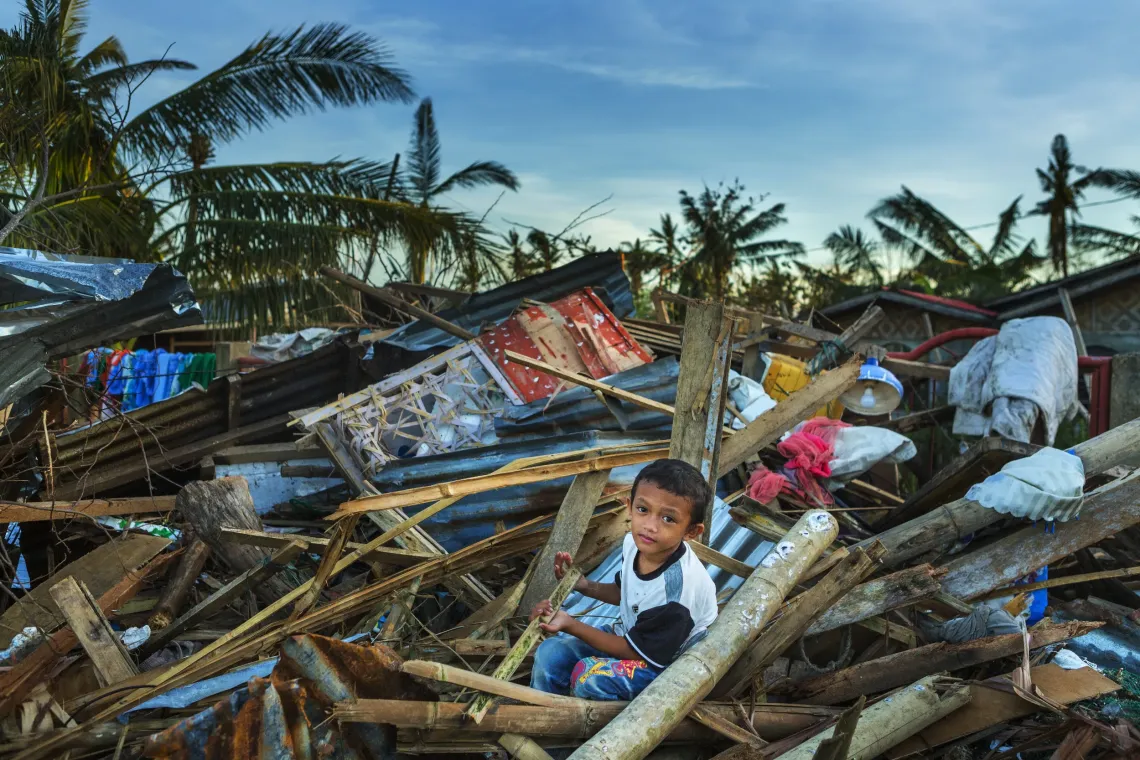
The challenge: Children in the Philippines face increasing climate risks, including stronger typhoons, rising sea levels, extreme heat and flooding, which threaten their health, education, protection and well-being.
UNICEF's contribution and impact: In 2025, UNICEF Philippines and the Department of Environment and Natural Resources developed the Climate Landscape Analysis for Children, a study on how climate change affects children's rights and well-being in the Philippines.
The analysis examines climate-related risks facing children, reviews government policies and identifies priorities for child-responsive climate adaptation and resilience.
It highlights the need for climate-resilient social services, greater participation of children and young people in decision-making, and increased investment in resilient and inclusive systems.
The report provides evidence to help guide policies, planning and investments that protect children and strengthen climate resilience in the Philippines.