

Convention on the Rights of the Child
For every child, every right.
- English
- Македонски
- Shqip
In 1989, world leaders made a historic commitment to the world’s children by adopting the United Nations Convention on the Rights of the Child – an international agreement on childhood.
It’s become the most widely ratified human rights treaty in history and has helped transform children’s lives around the world.
But still not every child gets to enjoy a full childhood. Still, too many childhoods are cut short.
It is up to our generation to demand that leaders from government, business and communities fulfil their commitments and take action for child rights now, once and for all. They must commit to making sure every child, has every right.
Child-friendly version of the Convention on the Rights of the Child

What is the Convention on the Rights of the Child?
In 1989 something incredible happened. Against the backdrop of a changing world order world leaders came together and made a historic commitment to the world’s children. They made a promise to every child to protect and fulfil their rights, by adopting an international legal framework – the United Nations Convention on the Rights of the Child.
Contained in this treaty is a profound idea: that children are not just objects who belong to their parents and for whom decisions are made, or adults in training. Rather, they are human beings and individuals with their own rights. The Convention says childhood is separate from adulthood, and lasts until 18; it is a special, protected time, in which children must be allowed to grow, learn, play, develop and flourish with dignity. The Convention went on to become the most widely ratified human rights treaty in history and has helped transform children’s lives.
What has the Convention achieved?
The Convention is the most widely ratified human rights treaty in history. It has inspired governments to change laws and policies and make investments so that more children finally get the health care and nutrition they need to survive and develop, and there are stronger safeguards in place to protect children from violence and exploitation. It has also enabled more children to have their voices heard and participate in their societies.
Childhood today: new threats, new opportunities
Despite this progress, the Convention is still not fully implemented or widely known and understood. Millions of children continue to suffer violations of their rights when they are denied adequate health care, nutrition, education and protection from violence. Childhoods continue to be cut short when children are forced to leave school, do hazardous work, get married, fight in wars or are locked up in adult prisons.
And global changes, like the rise of digital technology, environmental change, prolonged conflict and mass migration are completely changing childhood. Today’s children face new threats to their rights, but they also have new opportunities to realize their rights.
What needs to happen
The hope, vision and commitment of world leaders in 1989 led to the Convention. It is up to today’s generation to demand that world leaders from government, business and communities end child rights violations now, once and for all. They must commit to action to make sure every child, has every right.
World Children's Day
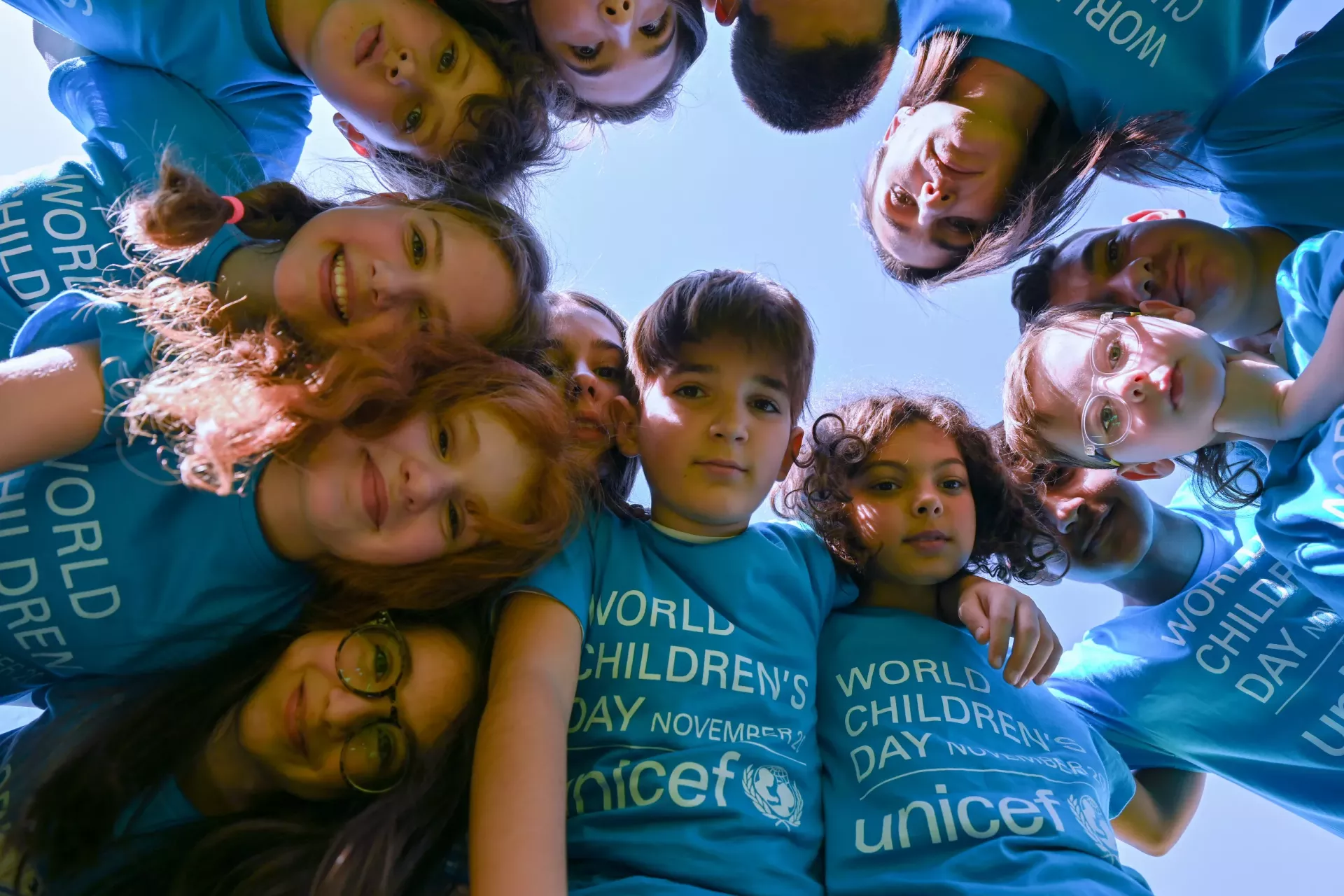
World Children’s Day is UNICEF’s global day of action for children, by children taking place every year on 20 November to raise awareness and accelerate progress toward realizing children’s rights. The day marks the anniversary of the adoption of the Convention on the Rights of the Child, which outlines the fundamental rights of every child.
Learn more about World Children's Day and Kids takeover events organized by UNICEF with key government institutions and partners in previous years on the links below.