Opening Doors
Melissa’s mission for Inclusion
“I don’t advocate because I have a disability,” she explains. “I advocate because exclusion is unfair. That passion would exist in me with or without a disability.”
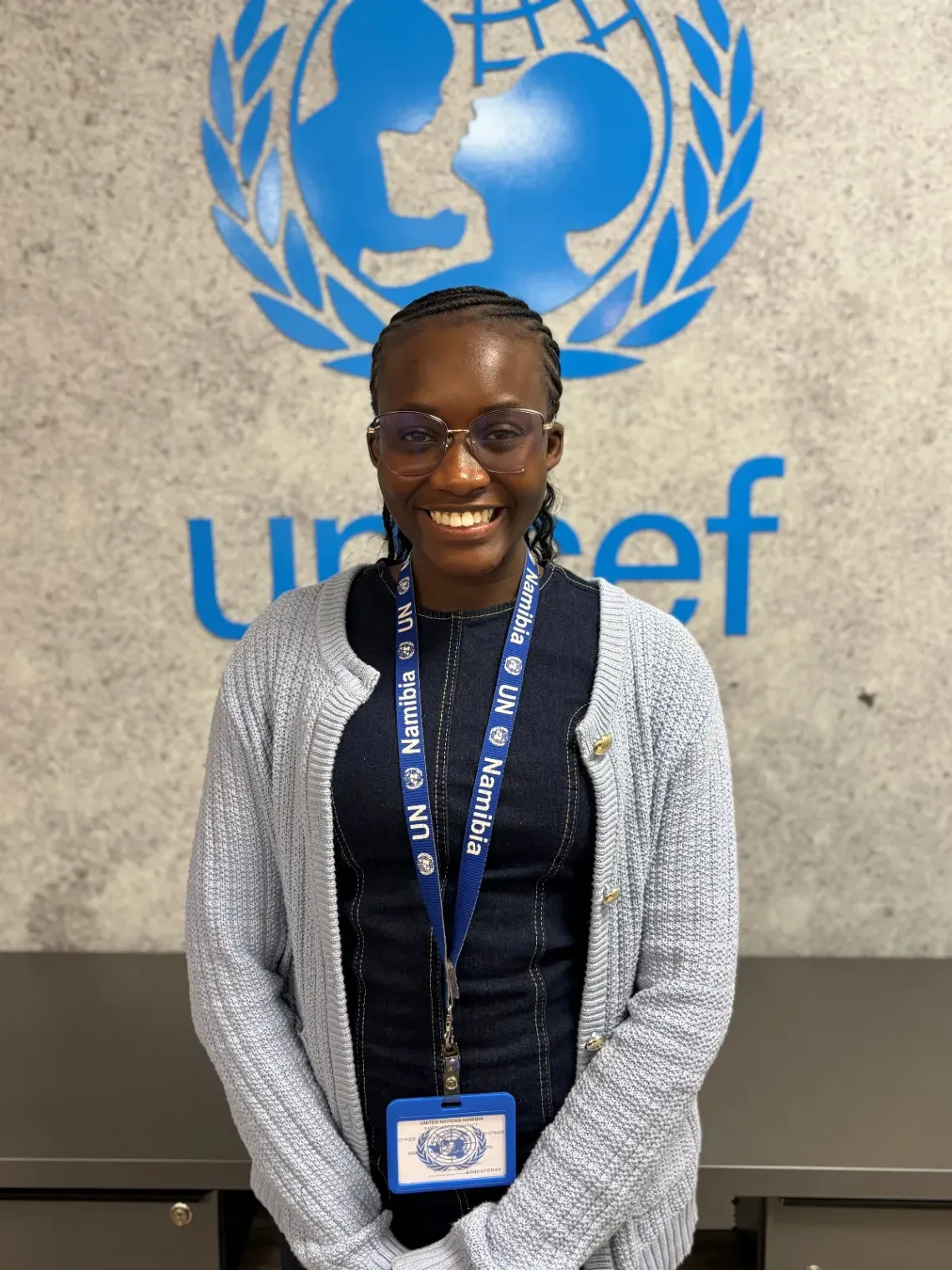
For 25-year-old Melissa Tuhafifa Nghisheefa, inclusion is not a concept learned in a classroom — it is a lived commitment. As an Adolescent Health Associate United Nations Volunteer (UNV) with the United Nations Children’s Fund (UNICEF) Namibia, and a young professional with a disability, Melissa is turning personal conviction into practical change across institutions and communities.
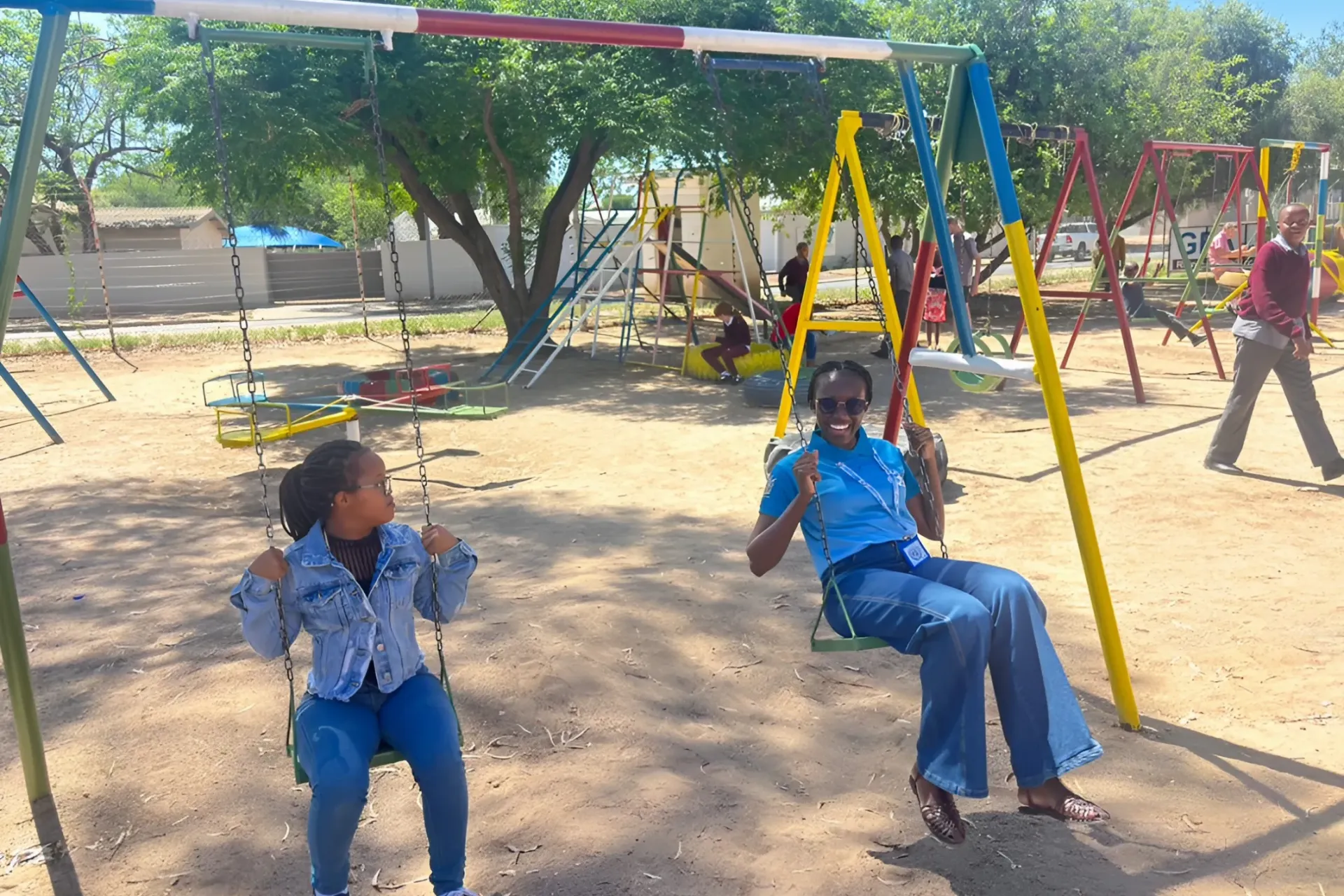
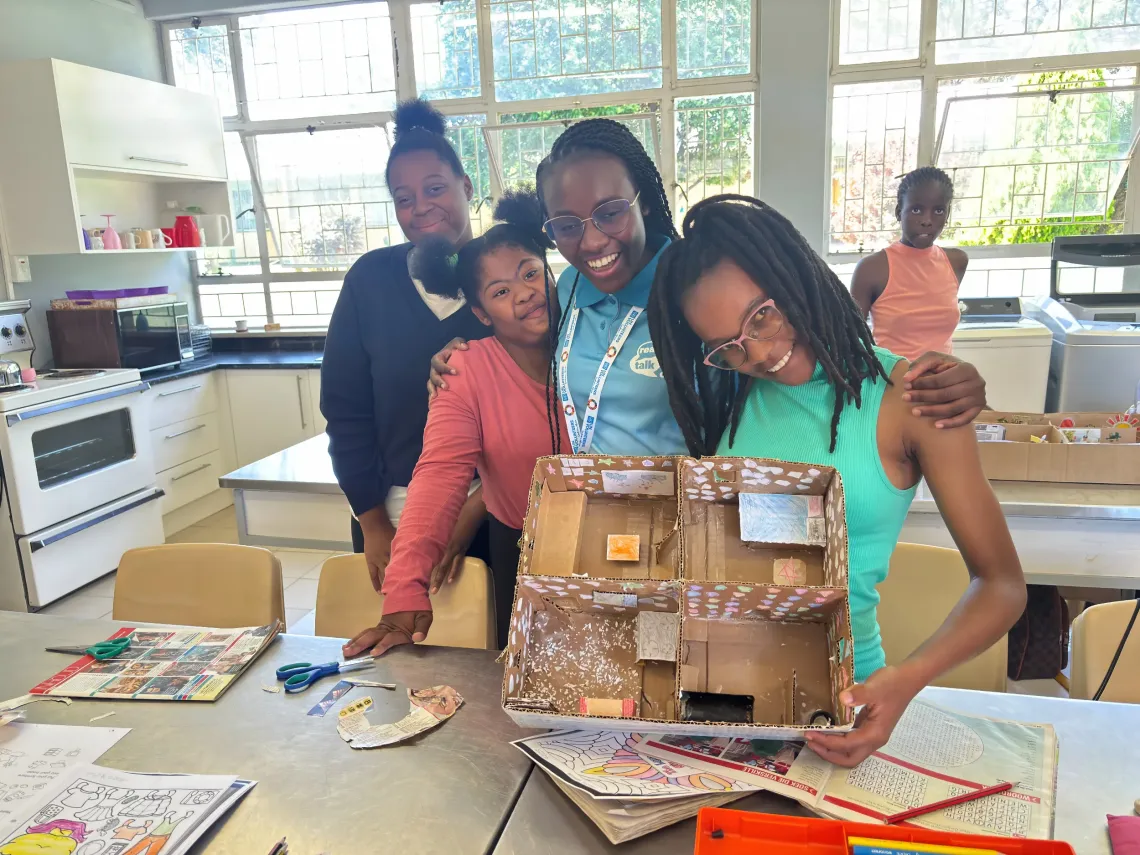
Melissa’s advocacy is grounded in a simple but powerful belief: fairness. Her resolve was sharpened during a visit to Dagbreek Resource School, where the energy and potential of learners reinforced her determination to ensure that young people with disabilities are supported by systems that help them grow — not merely survive.
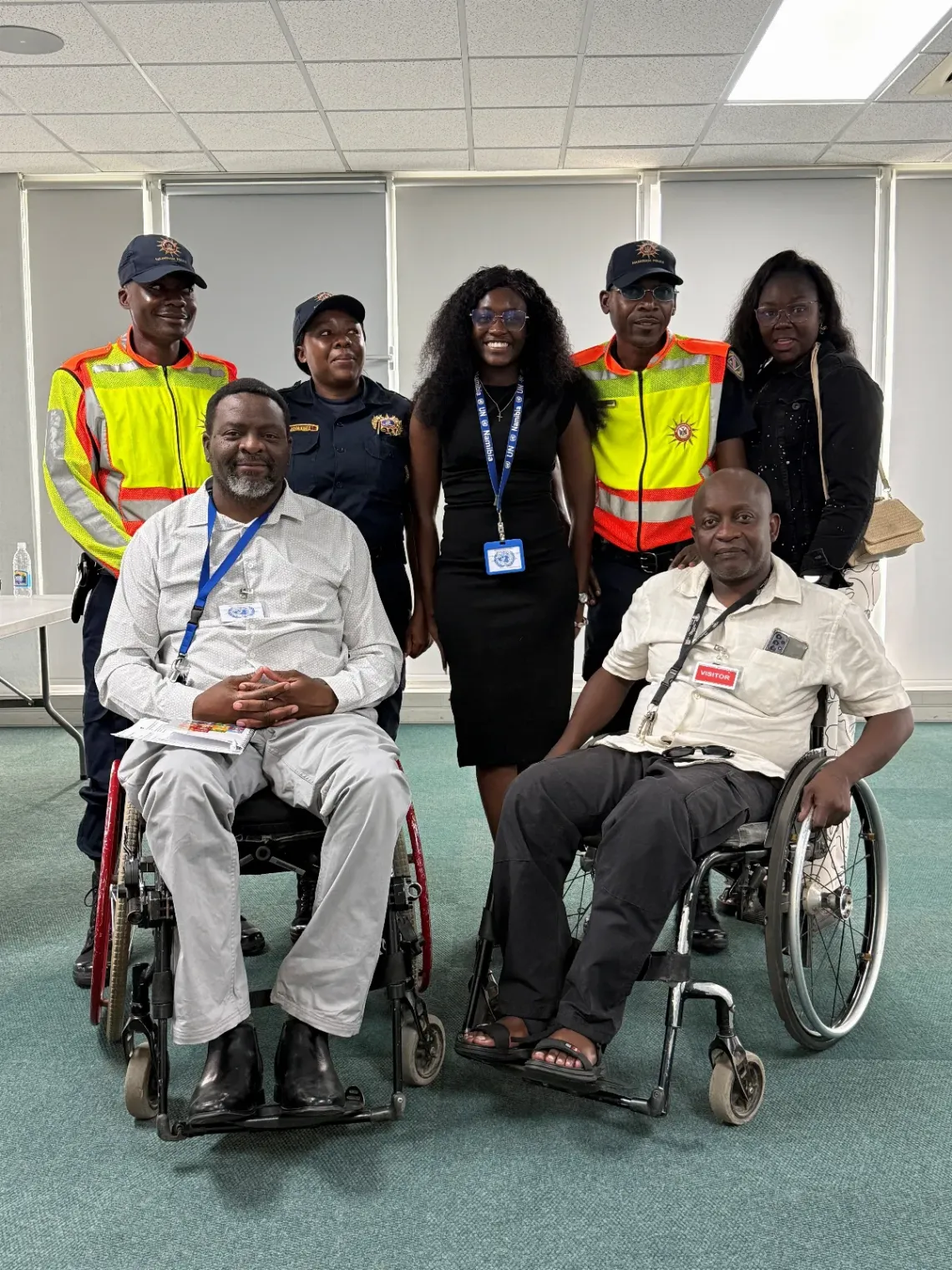
In 2025, Melissa’s work began translating inclusion from principle into practice. Recognizing that security personnel are often the first point of contact with the United Nations, she supported targeted training at UN House to strengthen respectful engagement and accessibility for persons with disabilities. This practical step is helping create a more welcoming environment from the front gate to the meeting room, signaling a shift toward more inclusive institutional culture.
Beyond the UN premises, Melissa convenes focus groups with young people and service providers to ensure that youth perspectives meaningfully inform United Nations Children’s Fund (UNICEF) programmes. Working closely with implementing partners, she has championed practical measures — including accessible venues, supportive environments and inclusive communication — that are already enabling greater participation of young people with disabilities. The change is visible: more young people are showing up, speaking out and helping shape programmes that affect their lives. As Melissa observes, “when you open the door wider, more people walk in.”
Through the UN Namibia Inter-Agency Disability Group, Melissa also helped elevate national dialogue during the 16 Days of Activism, drawing attention to the often overlooked intersection between disability and gender-based violence. These conversations are helping ensure that inclusion is addressed more systematically across the UN’s work in Namibia.
Melissa’s intentional, values-driven approach — strongly supported by the United Nations Children’s Fund (UNICEF) and the United Nations Volunteers (UNV) programme — is demonstrating that inclusion is not achieved through statements alone, but through consistent changes in practice. Across Namibia’s institutions and programmes, her work is contributing to more accessible spaces, stronger participation and a growing recognition that when barriers are removed, everyone benefits.