Joint hope in hardship
A lifeline for Sara’s family
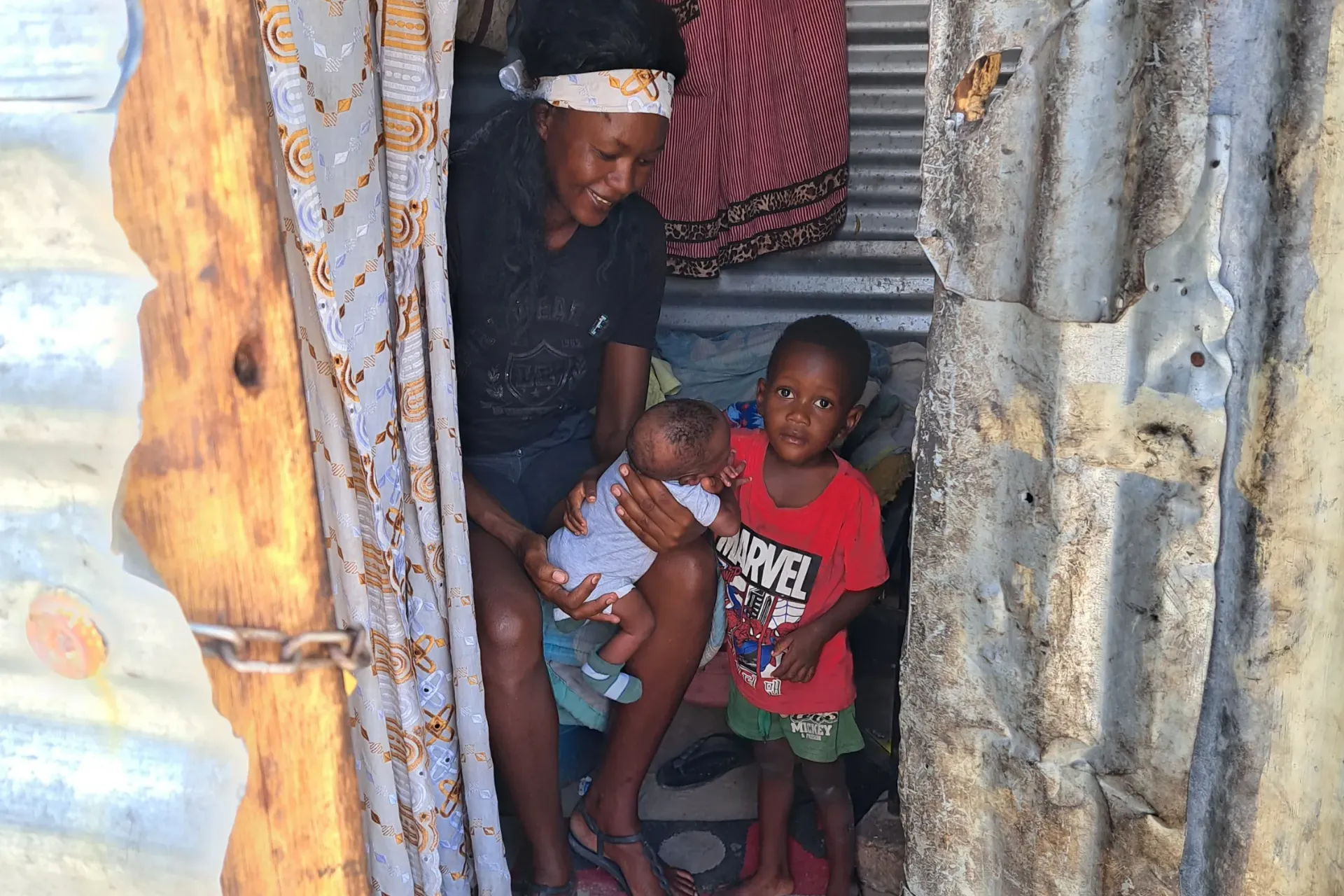
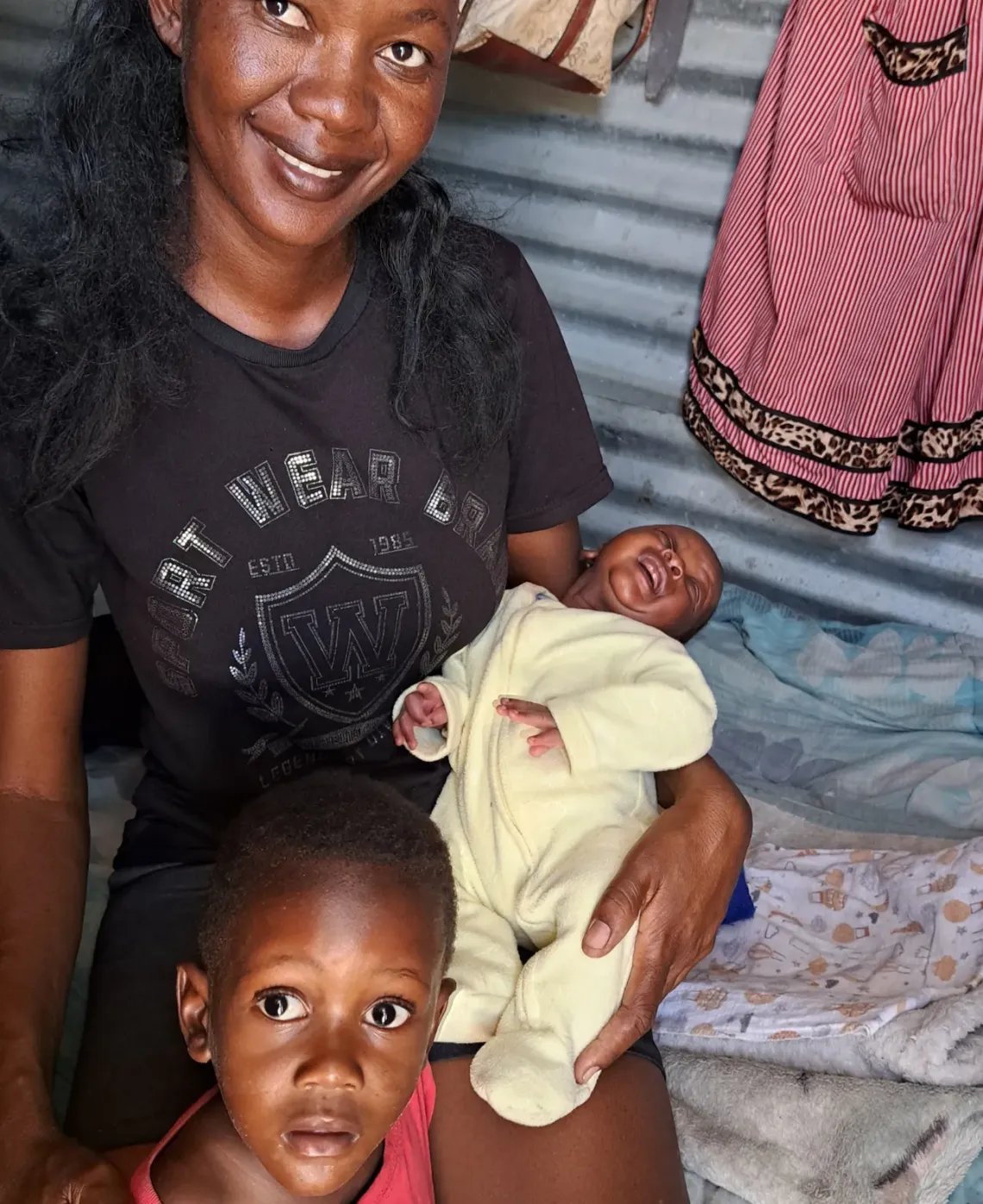
In the Pohamba informal settlement on the outskirts of Oshakati, 34-year-old Sara Shipanga gently rocks her three-week-old baby while keeping a careful eye on her toddler nearby. Life has been a daily struggle. With only irregular income from occasional odd jobs and frequent periods without enough food, Sara’s greatest fear has always been whether she could keep her children healthy and safe. But in 2025, that reality began to shift.
Having grown up far from health facilities, Sara was accustomed to managing without consistent medical support. Today, through the Ministry of Health and Social Services’ routine outreach programme — supported by the United Nations Children’s Fund (UNICEF) — essential services are reaching families like hers directly at home. Community health workers now conduct door-to-door follow-ups, delivering integrated health care, nutrition support and referrals to mothers and newborns in underserved settlements.
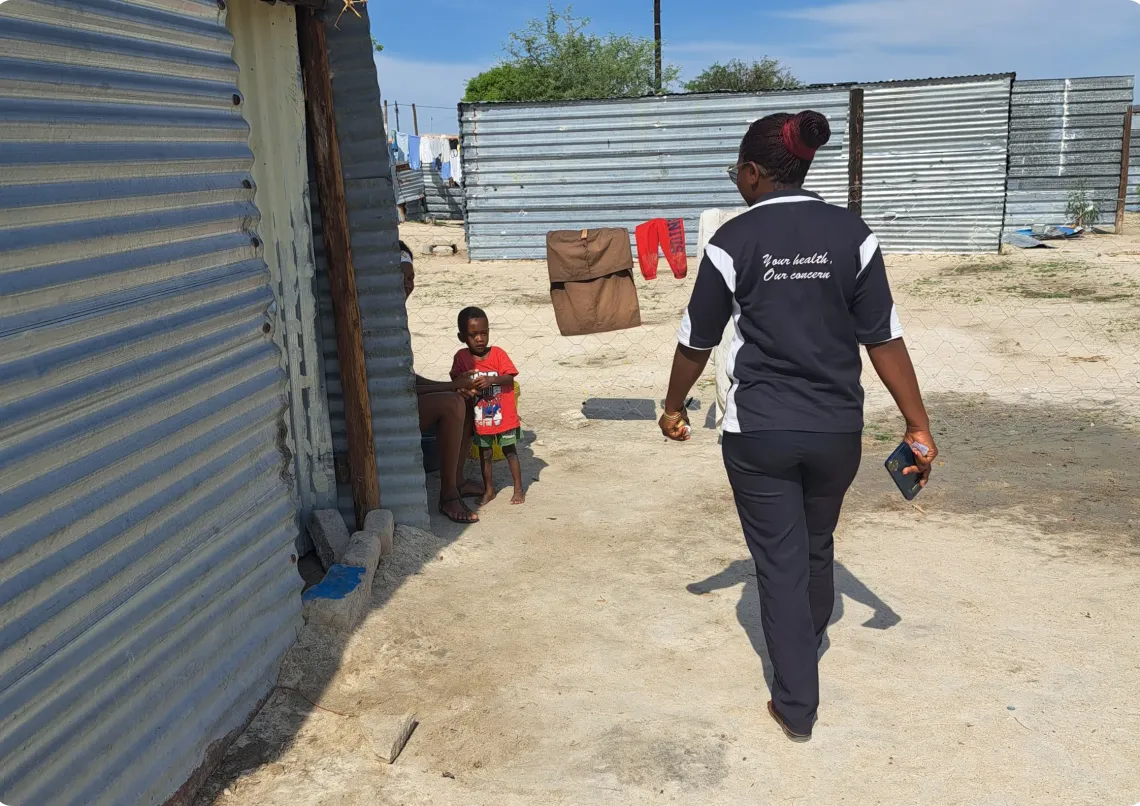
“When they started visiting us in our neighbourhood, I felt like someone finally remembered us,” Sara says softly. The impact has been immediate and deeply personal. Her children now receive timely vaccinations, nutrition screening and growth monitoring — services that once felt uncertain and out of reach.
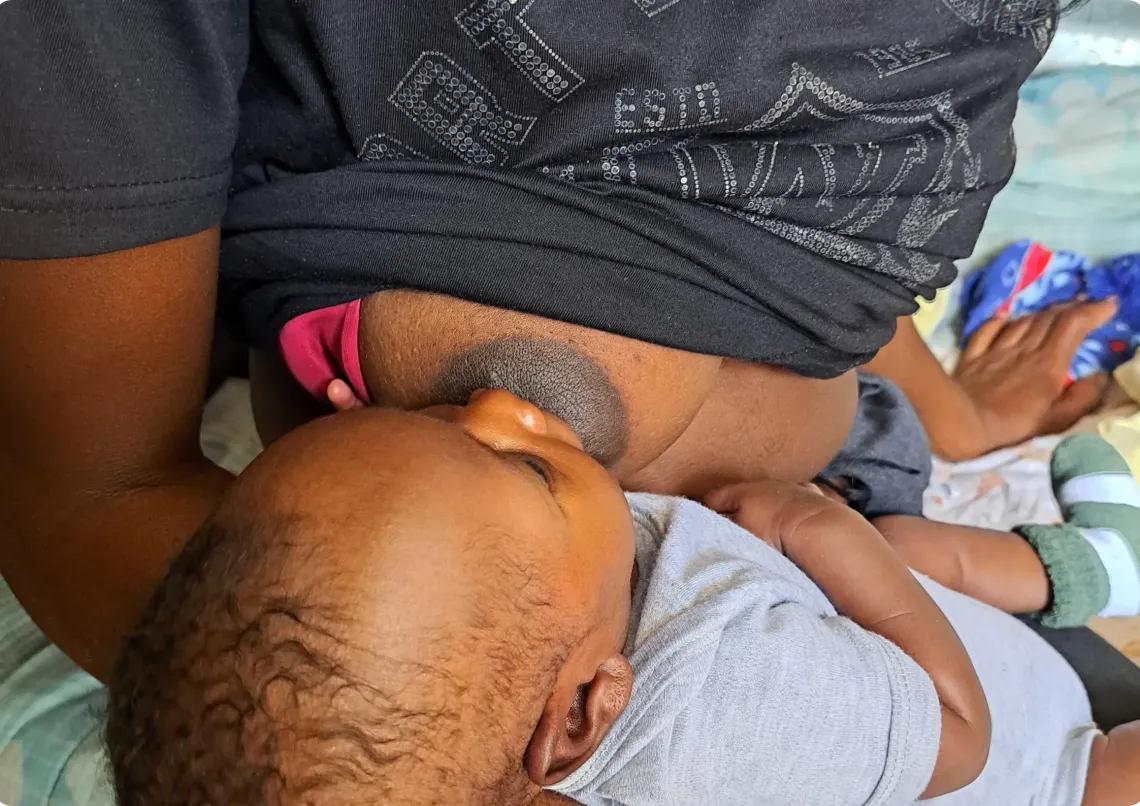
Sara speaks with particular gratitude about Veronika, the community health worker who regularly visits her home. Through these visits, Sara received hands-on breastfeeding support and practical guidance on infant feeding and care. When her older son showed signs of poor nutrition, he was promptly enrolled in treatment and is now steadily improving. With additional support from the outreach team, both children also obtained birth certificates, securing their legal identity and strengthening their future access to essential services and protection.
The ripple effects have extended beyond child health. Counselling provided during the home visits helped Sara’s partner, who was previously overwhelmed by stress and unemployment — regain emotional stability and better support the family. What was once a cycle of anxiety and uncertainty is gradually giving way to greater confidence and cohesion within the household.
Sara’s story illustrates how strengthened community health and social protection systems are bringing government services closer to the most vulnerable households, advancing Namibia’s commitments under Pillar 4 of the United Nations Sustainable Development Cooperation Framework (UNSDCF) to deliver inclusive, people-centred public services. For families in informal settlements, these last-mile investments are not abstract reforms — they are lifelines that restore dignity, protection and hope.
Despite ongoing hardships, Sara’s dream remains simple: that her children grow up healthy, educated and free from the struggles she has endured. Thanks to coordinated community outreach and integrated support, that future is beginning to feel within reach.