Alexia’s Journey: A lifeline for Anichab Village
How a dedicated community health worker brings hope to a remote Namibian village

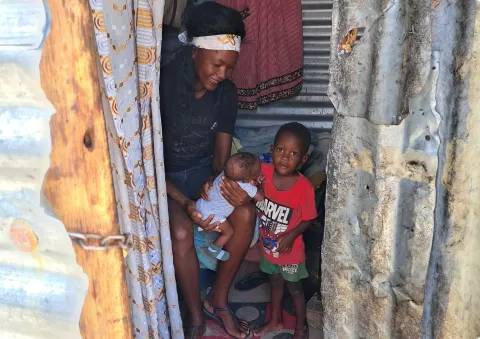
9 October 2024, Anichab Village, Kunene Region | As the sun rises over the vast and rugged landscape of Kunene region in Namibia, 45-year-old Alexia Gaoses laces up her worn shoes and sets out on another day of work. For the past ten years, Alexia has been the sole Community Health Worker (CHW) in Anichab Village, a remote community of 82 homesteads. She knows every family by name and is a lifeline for the 230 people who call this village home. Despite the dangers of wild animals and the threat of violence that lurk along the 7-kilometer paths she walks; Alexia remains dedicated to her community.
Kunene region, especially Anichab Village, faces serious healthcare challenges. At one time, five CHWs served the area, but harsh working conditions have whittled that number down to just one—Alexia. With 33 villages left without CHWs, Alexia shoulders the immense responsibility of ensuring that children, mothers, and families in her village receive critical healthcare.
But Alexia’s work is not limited to immunization. She educates mothers on hygiene, family planning, and antenatal care, urging pregnant women to seek monitoring at the nearest health centers. With no proper equipment to even measure a patient’s blood pressure, Alexia’s work is done with only basic supplies and a handful of painkillers. The shortage of tools and the long distances she covers add to the already overwhelming challenges she faces.
Every day, she walks from one homestead to another, checking on immunization schedules for babies and toddlers. "I do this for my people, “Every life I touch makes the journey worth it.”

Kunene region, especially Anichab Village, faces serious healthcare challenges. At one time, five CHWs served the area, but harsh working conditions have whittled that number down to just one—Alexia. With 33 villages left without CHWs, Alexia shoulders the immense responsibility of ensuring that children, mothers, and families in her village receive critical healthcare.
But Alexia’s work is not limited to immunization. She educates mothers on hygiene, family planning, and antenatal care, urging pregnant women to seek monitoring at the nearest health centers. With no proper equipment to even measure a patient’s blood pressure, Alexia’s work is done with only basic supplies and a handful of painkillers. The shortage of tools and the long distances she covers add to the already overwhelming challenges she faces. Every day, she walks from one homestead to another, checking on immunization schedules for babies and toddlers. She knows all too well that these children are vulnerable to deadly diseases like measles, tuberculosis, and polio. Without her intervention, many of them might miss their vaccinations.
In response to the pressing needs of communities like Anichab, UNICEF is also advocating for better equipment and transportation services for the remote health posts.

The goal is to ease the burden on health workers, ensuring they have the tools they need to keep communities healthy and thriving.
Recognizing the difficulties Alexia and her colleagues face, UNICEF has been working closely with the Namibian government since the launch of the Community Health Worker program in 2012. During a recent visit to Kunene, UNICEF Country Representative Samuel Ocran and the Japanese Ambassador to Namibia, Hisao Nishimaki, met with Alexia and saw firsthand the conditions under which she works.
For the people of Anichab, Alexia’s work is a lifeline. Mothers walk for hours to seek her help, knowing that she offers not only medical care but also hope. “Alexia has a heart of gold,” says a local elder. “She listens, she cares, and she makes us feel valued.”
Thanks to UNICEF’s efforts to expand CHW training and advocate for better resources, there is hope that Alexia’s workload could become more manageable. While more health workers are yet to be trained and deployed, and the provision of necessary tools is still under consideration, the support Alexia desperately needs is being discussed. If these plans come to fruition, communities like Anichab in Kunene could see reduced rates of preventable diseases and significant improvements in maternal and child health outcomes.

As the sun sets over Anichab village, Alexia’s day is far from over. Her rounds continue, fueled by her dedication and the gratitude of her community. Though her journey is tough, Alexia’s untiring commitment to the health and wellbeing of her people shines through every step she takes.
Her story is a powerful testament to the resilience of community health workers and the critical role they play in saving lives in some of the most remote parts of Namibia. With the continued support of UNICEF and its partners, Alexia’s journey—and the journey of countless other CHWs—will become just a little bit easier, ensuring that every child, every mother, and every family receives the care they need to live healthy and hopeful lives.