If Our Water Is Clean, We Can Stay Healthy
A 14-year-old girl in Shan State shares how clean water is helping her community recover from Myanmar’s devastating earthquake
- English
- မြန်မာ
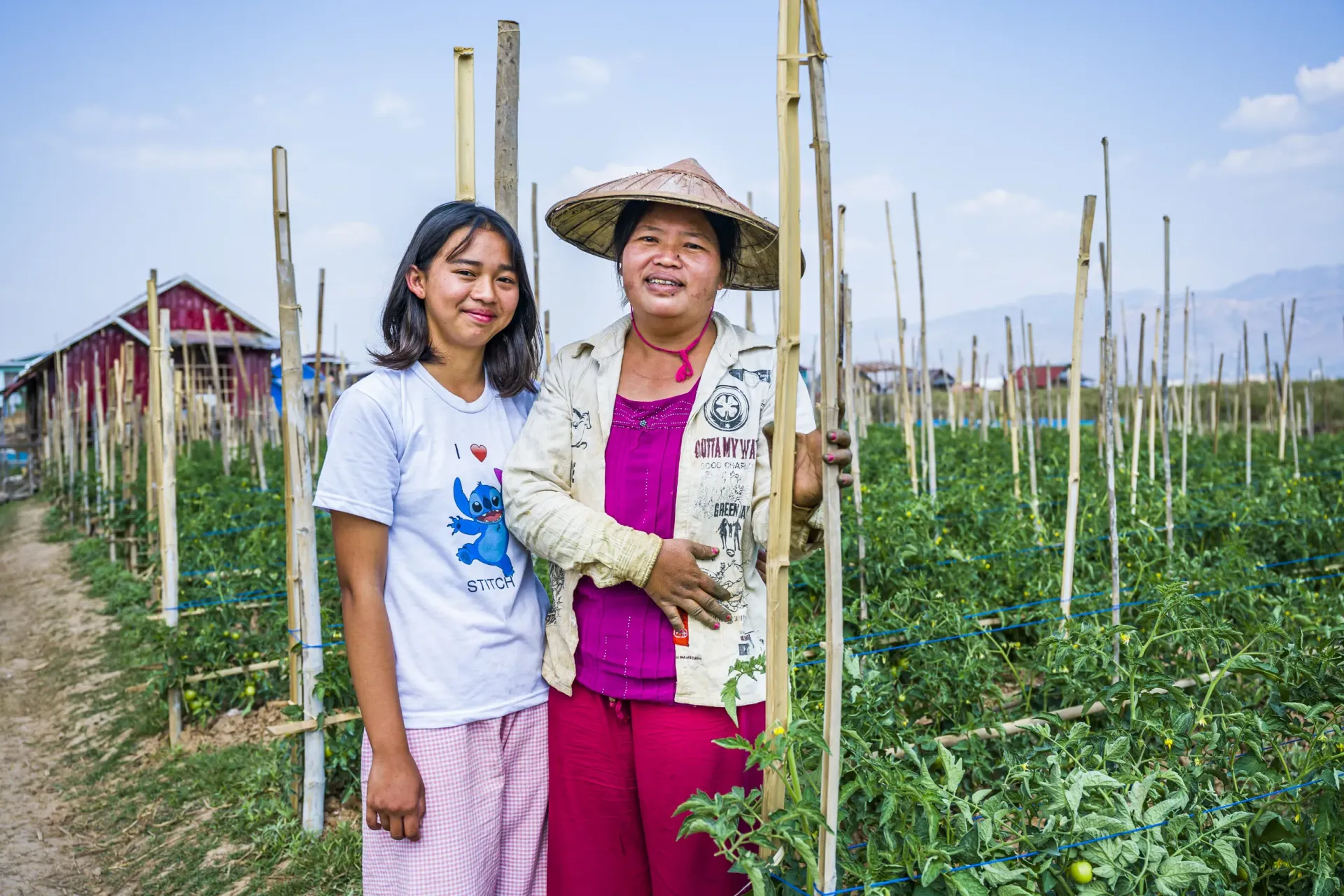
Every morning, Poe Darli walks to the water point near her family’s temporary shelter, balances a plastic container on her hip, and fills it with clean water. It is a small, ordinary task — but one that would have been impossible a year ago.
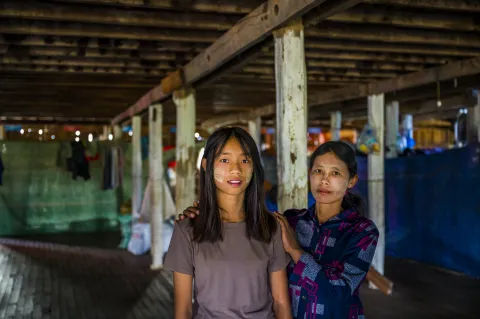
On 28 March 2025, a devastating 7.7 magnitude earthquake struck central Myanmar affecting many communities across Sagaing, Mandalay, Shan and Naypyitaw. Poe Darli, then 14, was inside her family’s traditional stilted house in a lakeside village on Inle Lake when the ground lurched beneath her.
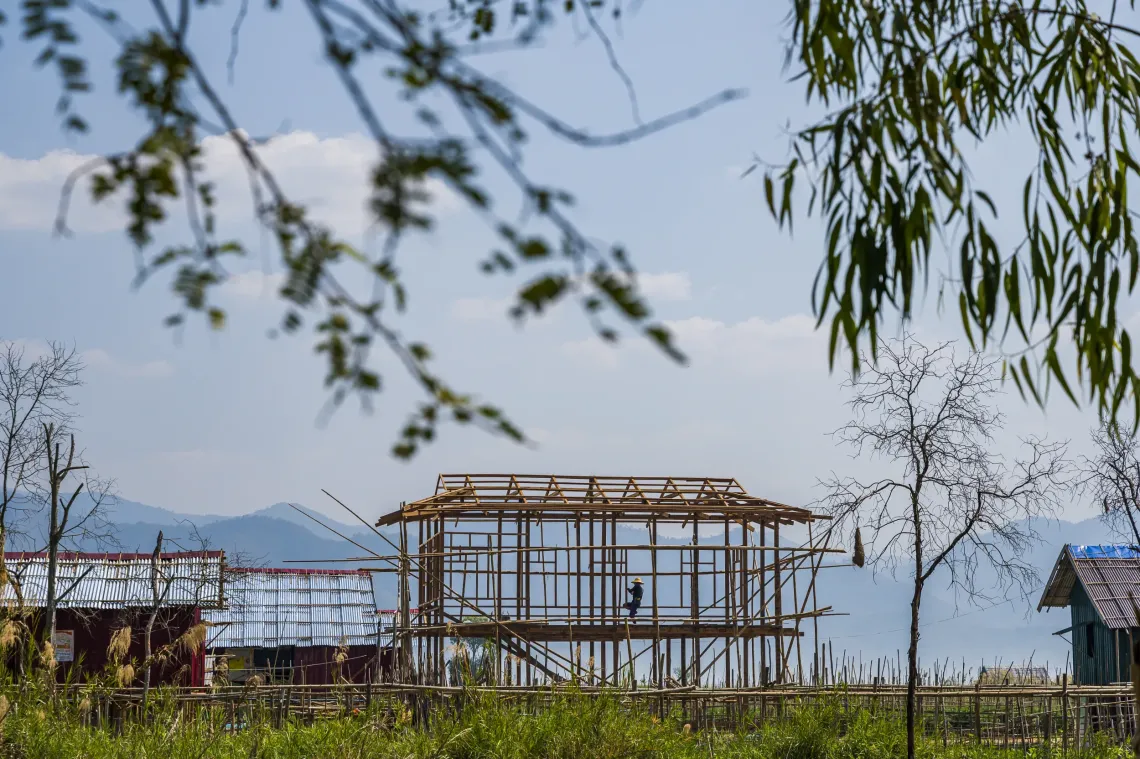
“Our house was shaking so much… tilting back and forth,” she recalls. “It was like a nightmare.”
The wooden house, shared by more than 40 of her relatives, leaned dangerously as water surged in waves below. Children screamed. Adults grabbed them and rushed toward boats.
When the shaking stopped, Poe Darli looked around. The toilet her family shared had collapsed into the lake. The village’s water supply system was broken. Clean water, something she had never had to worry about, was gone.
Poe Darli’s experience was shared by thousands of families across southern Shan State. The earthquake damaged 125 water systems and more than 4,110 household latrines in Nyaungshwe Township alone, creating urgent health and sanitation risks for communities living on and around the lake.
Without safe water or functioning toilets, the risk of waterborne disease grew rapidly and children were the most vulnerable. For girls and women, the loss of private sanitation facilities also meant a loss of dignity.
With generous support from its donors, UNICEF and local partners launched an emergency water, sanitation and hygiene (WASH) response across 19 affected communities in Shan State.
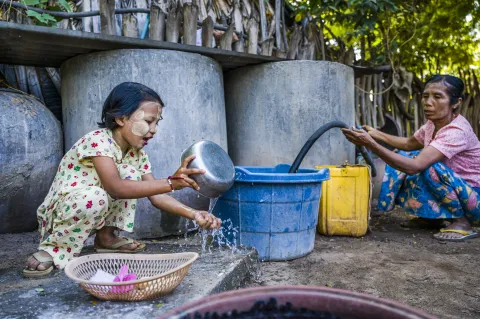
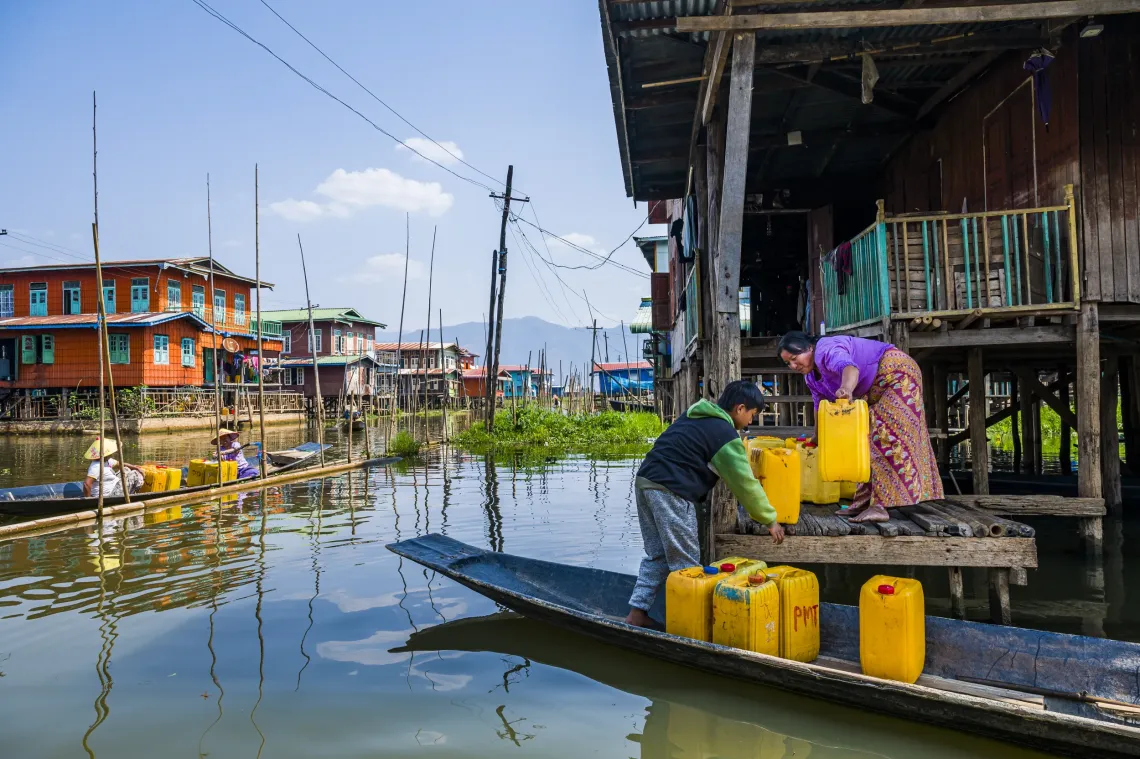
In Poe Darli’s village, new elevated water tanks and solar-powered supply systems replaced damaged sources. Newly installed water points — some built directly on the lake — now allow families to fetch water safely by foot or by boat.
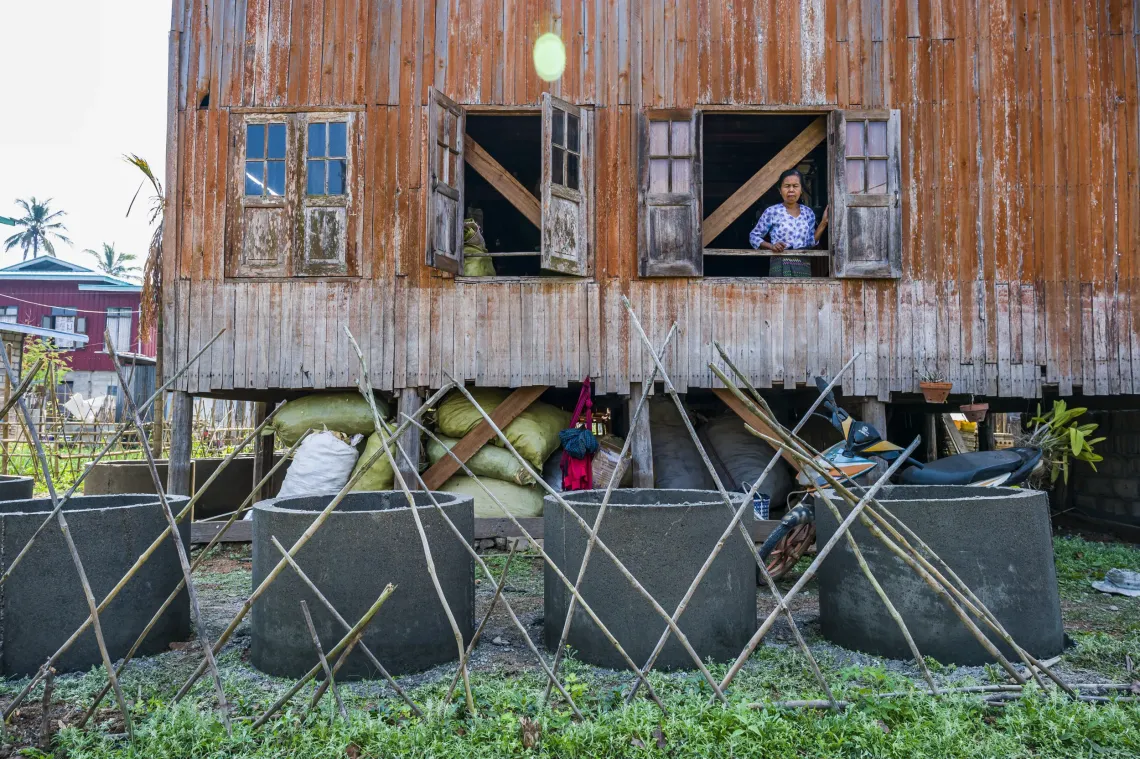
Villagers also worked together to rebuild sanitation facilities, constructing safer toilet pits using concrete rings they made themselves with technical guidance and materials from UNICEF and partners. New waste disposal tanks with separate compartments, along with incinerators, now help prevent pollution of the lake, protecting both public health and the fragile ecosystem that sustains the community’s livelihoods.
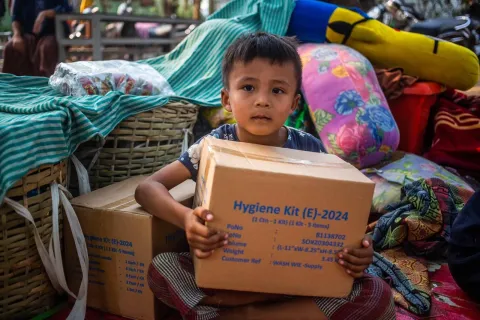
At a local early childhood centre, children now wash their hands at newly installed handwashing stations. Hygiene kits distributed to hundreds of households included soap, buckets, toothbrushes, underwear, reusable sanitary pads and other essential items.
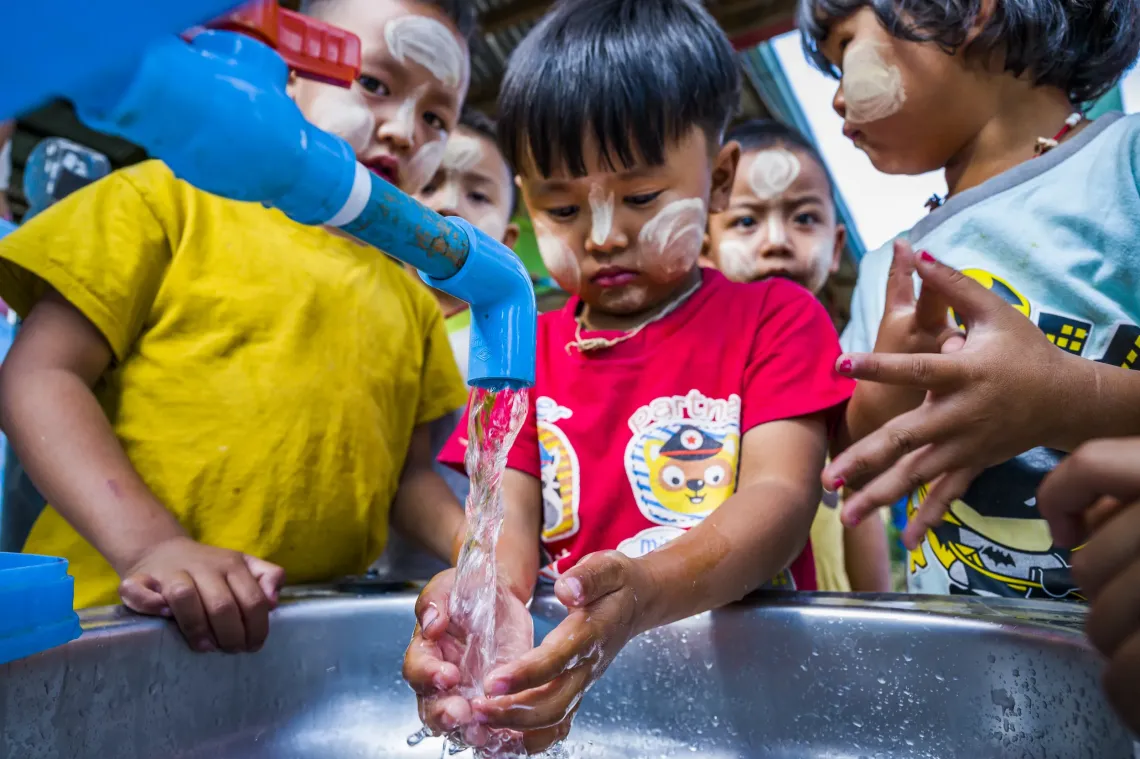
“The hygiene kits and reusable pads have changed the lives of our female students,” says Phyu Phyu Htwe, a teacher and community WASH committee member. “They can now attend school with dignity and without missing classes.”
“The earthquake brought down buildings,” she adds. “But with UNICEF support, we are rebuilding better living conditions for our community.”
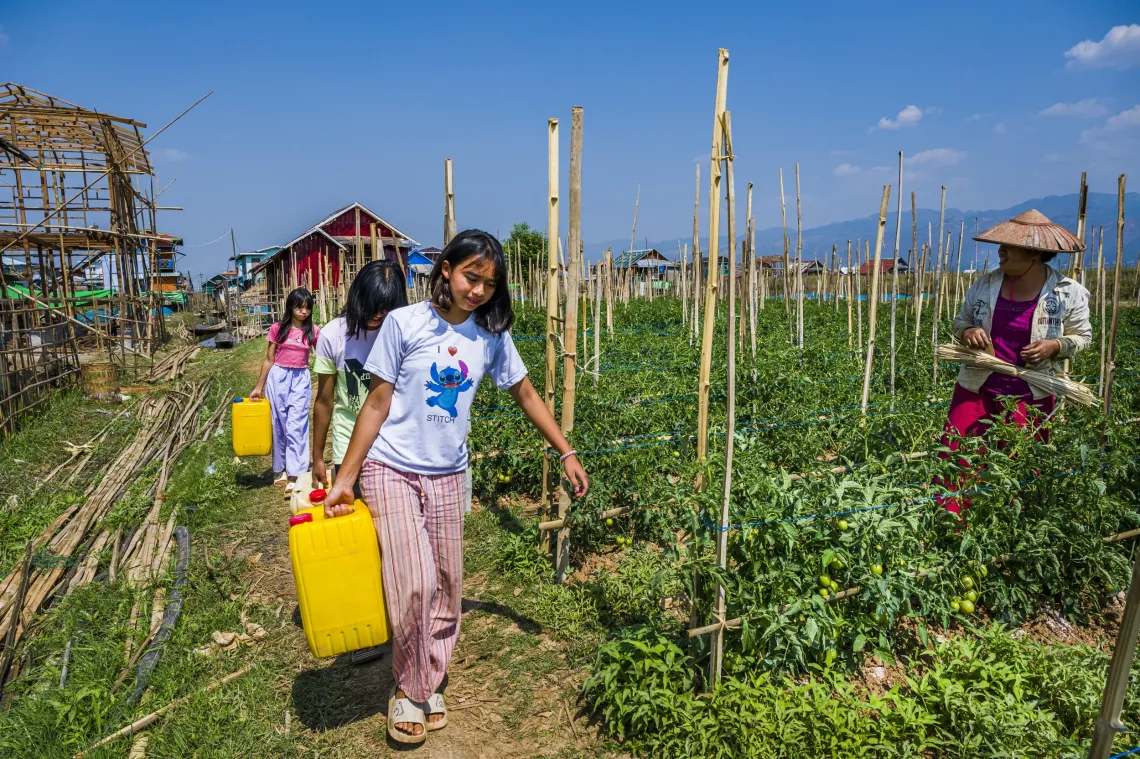
For Poe Darli, the new water point near her shelter has changed her daily life.
“If our water is clean, we can stay healthy,” she says. “Now I can help my mother fetch water every day.”
Her mother sees the impact through a longer lens.
“Good health and hygiene are important for my daughter’s education,” she says. “If she is healthy, she can stay in school and continue learning.”
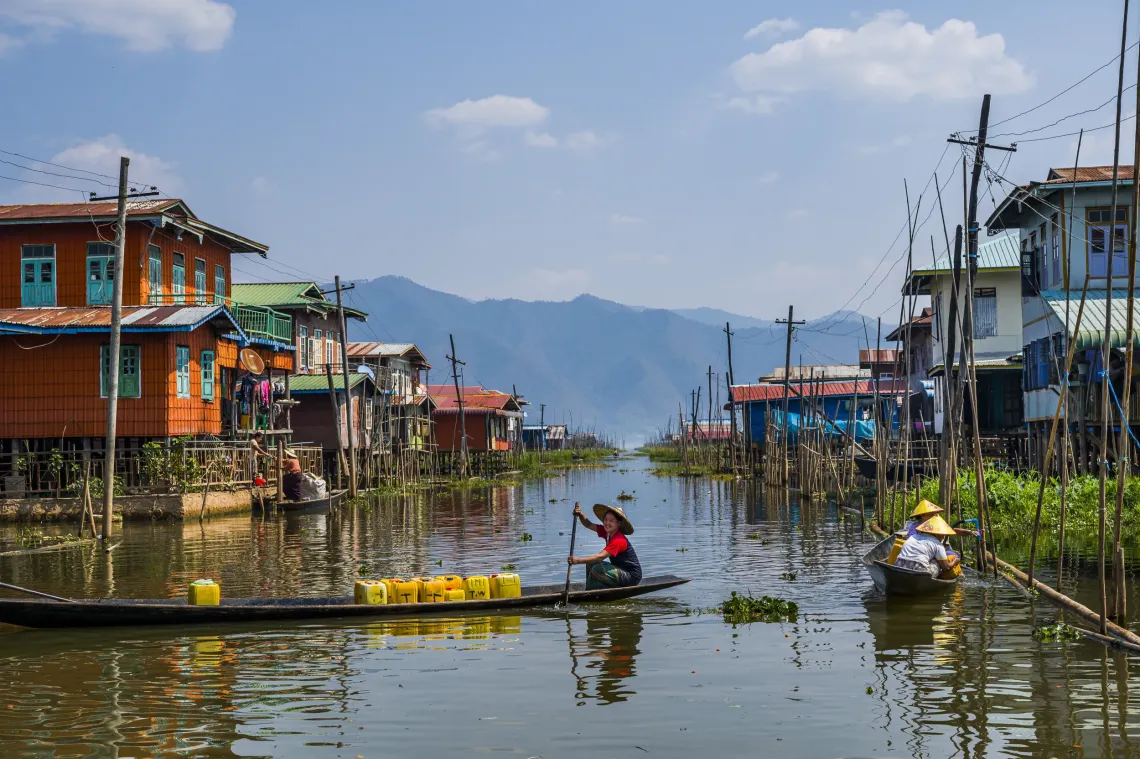
One year on, the signs of recovery in Poe Darli’s village run deeper than rebuilt infrastructure. Families no longer depend on distant or unsafe water sources. Children attend school in healthier environments. And through strengthened WASH committees and local leadership, communities are better equipped to maintain their own systems for years to come.
As afternoon light settles over Inle Lake, boats glide across calm water. Poe Darli watches from the doorway of her family’s shelter as her neighbours row toward the water points, yellow jerry cans balanced in their boats.
The lake that shook so violently a year ago is still again — and for Poe Darli, so is something else: a quiet, steady sense of hope.