Breaking barriers, restoring dignity
reusable sanitary pads transforming lives in remote northern Myanmar villages

- English
- မြန်မာ
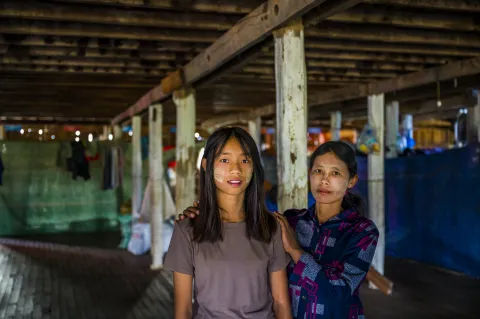
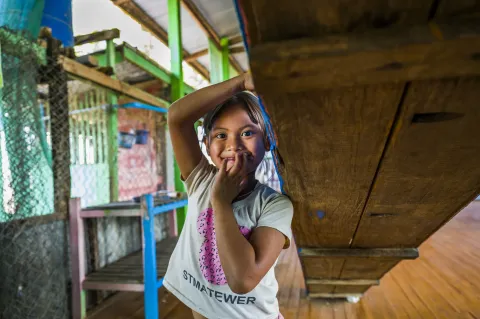
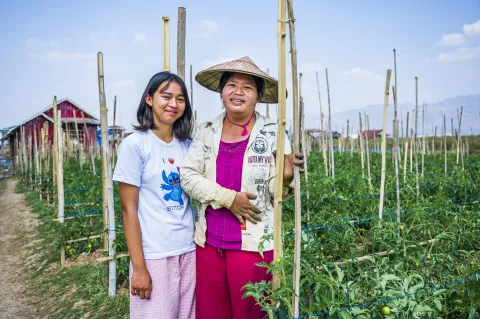
Life in the villages around Inle Lake, southern Shan, is as beautiful as it is harsh. Wooden houses perch on stilts above the water, with small boats carrying farmers and fishermen to their daily work. Families survive on small rice plots, seasonal fishing, and modest market sales, often earning just enough to eat. During the rainy season, muddy paths cut off communities, drinking water is easily contaminated, and hygiene becomes even harder as floods swamp latrines and dampen everything.
For women and girls, menstruation adds another burden. Disposable sanitary pads are sold only in towns and at prices far beyond what most households can afford. “A packet of pads costs almost as much as a day’s wages,” says Daw Mya Hnin, a 40-year-old mother from Taung To village. “We could not afford that every month, not when we struggle even to buy rice. I had no choice but to use cloth rags. They never dried properly, and I often suffered rashes. I knew it was unhealthy, but what else could I do?”
Her daughter, 15-year-old Myat Pan Ei, often paid the price at school. Determined but shy, she missed two or three days every month. “I wanted to be in class, but I was afraid of staining my clothes,” she recalls. “Pads were too expensive, and without them I stayed behind while my friends moved ahead.”

This silent struggle weighed on women and girls for a long time, hidden in plain sight and rarely spoken of. In February 2025, a team from UNICEF and the Community Development Association (CDA) arrived in Nyaung Shwe Township with a simple but transformative mission: to introduce reusable sanitary pads and lead awareness sessions that offered not only practical solutions but also dignity, confidence, and hope.
In Taung To’s community hall, CDA facilitators moved among rows of schoolgirls, mothers, and grandmothers, using illustrated boards and hands-on demonstrations to show how to use, wash, and sun-dry the pads. “Menstruation should not prevent girls from learning, women from working, or anyone from living with dignity,” they explained, as participants practiced each step with care.
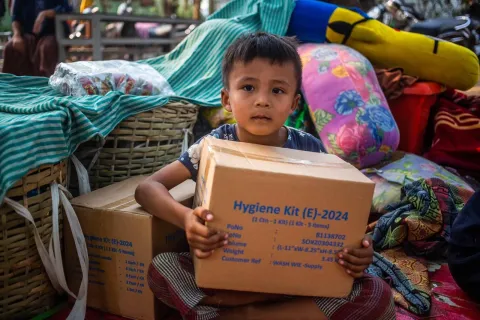
The sessions also addressed harmful traditions, with community leaders urging families to leave taboos behind and men joining discussions to better understand women’s health. At the end of each session, women and girls received a three-month supply of reusable pads along with hygiene kits containing soap, detergent, and instructional leaflets. Thanks to the generous support of the European Union (EU), these supplies were distributed free of charge, ensuring that women and girls could manage their menstruation safely and with dignity.

With European Union (EU) support, UNICEF is now expanding these efforts to other vulnerable, remote, and underserved areas across Myanmar, ensuring more women and girls gain the knowledge and tools to participate fully in school, work, and community life. For Myat, the difference is already clear. “Before, I stayed home and fell behind,” she said. “Now I can go to class, learn with my friends, and dream about my future without fear.”