Zambézia communities mark Global Handwashing Day with progress towards safer sanitation
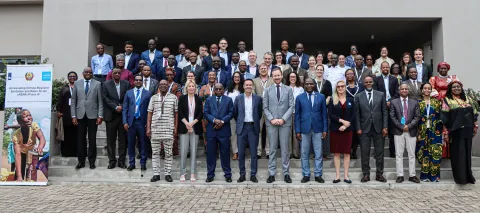
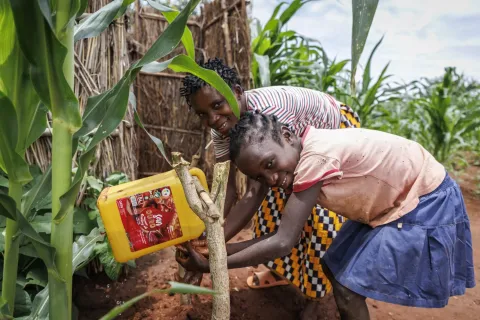
To mark Global Handwashing Day on 15 October, residents of Pinda and Megaza in Morrumbala District joined local authorities, led by the District Administrator, to highlight the importance of handwashing with soap in preventing disease.

Zambézia, Mozambique - In two communities affected by cholera in Zambézia Province, Global Handwashing Day was an opportunity to celebrate progress towards better sanitation and hygiene, and a healthier future for children and families.
To mark Global Handwashing Day on 15 October, residents of Pinda and Megaza in Morrumbala District joined local authorities, led by the District Administrator, to highlight the importance of handwashing with soap in preventing disease.
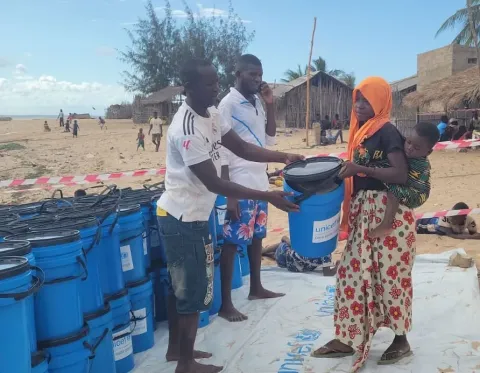
With UNICEF's support, both communities have made significant progress through Community-Led Total Sanitation (CLTS) and other community engagement activities, including constructing essential sanitation facilities and improving hygiene practices.
Both communities are now progressing towards certification as Open Defecation Free (ODF), an important milestone in reducing the risk of diseases linked to poor sanitation.
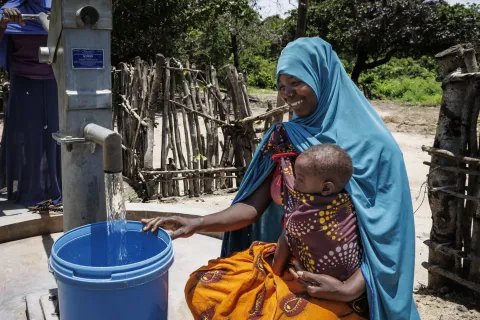
For communities affected by cholera, these improvements are particularly important. Handwashing with soap, access to safe water and proper sanitation are essential measures to prevent the spread of cholera and other diarrhoeal diseases, which pose serious risks to young children.
The celebrations highlighted how community leadership and collective action, supported by UNICEF and local authorities, are helping create healthier environments for children and families.
UNICEF's provision of essential WASH supplies is made possible through the generous support of the European Union, through its Civil Protection and Humanitarian Aid Operations (ECHO), alongside UNICEF's Regular Resources and Global Humanitarian Thematic Funding.