Eight countries share solutions for sustainable water and sanitation in Mozambique
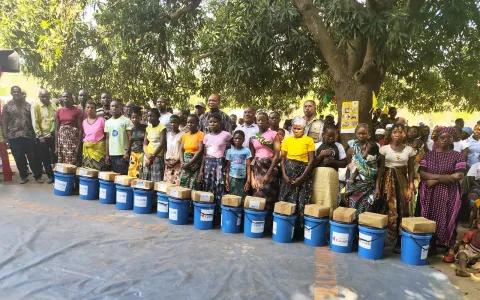
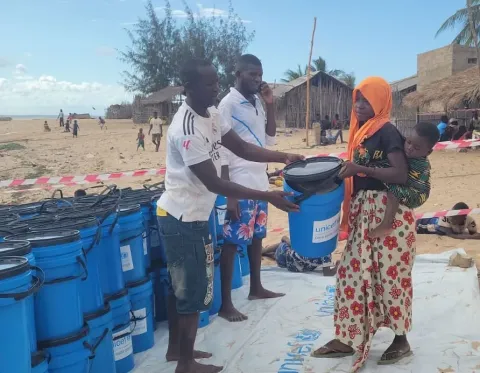
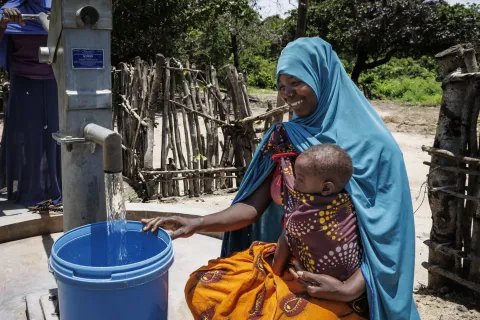
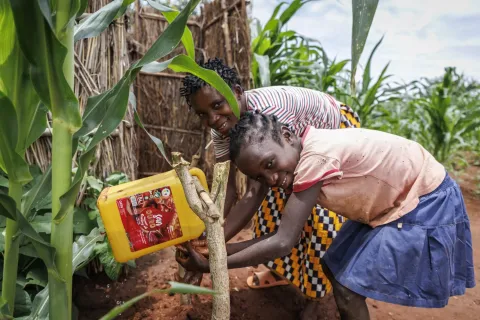
“The ASWA III programme will reach about 125,000 people with improved sanitation, 22,000 with improved drinking water and 110,000 with improved hygiene practices in communities, schools and health facilities in Mozambique.”

Maputo, Mozambique - Representatives from eight African countries gathered in Maputo in October to share progress, challenges and innovative solutions for expanding access to safe water, sanitation and hygiene services.
The Annual Review Meeting of Accelerating Sanitation and Water for All III (ASWA III), a UNICEF programme funded by the Government of the Netherlands, brought together nearly 60 participants from Burkina Faso, Côte d’Ivoire, Mali, Mozambique, Niger, Nigeria, Somalia and Tanzania.
Officially opened by Mozambique’s Ministry of Public Works, Housing and Water Resources, the meeting brought together government representatives, UNICEF teams and development partners, including the Embassy of the Kingdom of the Netherlands. Discussions focused on strengthening water and sanitation systems, improving financing, building climate resilience and sharing practical lessons between countries.
“The ASWA III programme will reach about 125,000 people with improved sanitation, 22,000 with improved drinking water and 110,000 with improved hygiene practices in communities, schools and health facilities in Mozambique,” said Mary Louise Eagleton, UNICEF Representative in Mozambique.
“These figures represent more than infrastructure. They represent communities having a stronger capacity to manage and maintain their water services” and “Let us connect the lessons of ASWA to this reform and to the emerging national WASH Compact”, said Witze Sijtsma, Head of Cooperation and Deputy Head of Mission for the Netherlands Embassy in Mozambique.
Following the meeting, participants visited Gurúe District in Zambézia province to see ASWA III interventions first-hand and engage with local authorities, service providers and communities.
By bringing together experience from eight countries, the ASWA III Annual Review Meeting showed that the most effective solutions are often built through shared learning, strong partnerships and a common commitment to ensuring that every community has access to safe, climate resilient and sustainable WASH services.