A Teacher Who Opens the World
Munkhzaya’s Mission in Mongolia’s Remote North
- English
- Mongolian
In Ikh Uul soum of Khuvsgul province, 559 kilometers from Ulaanbaatar, winters can be unusual.
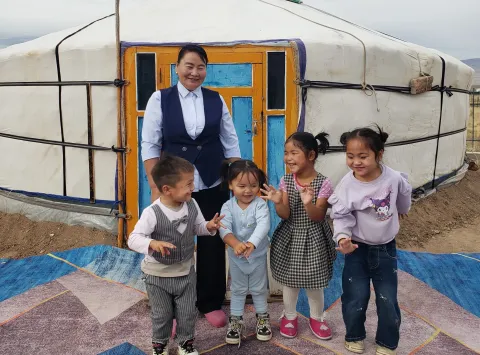
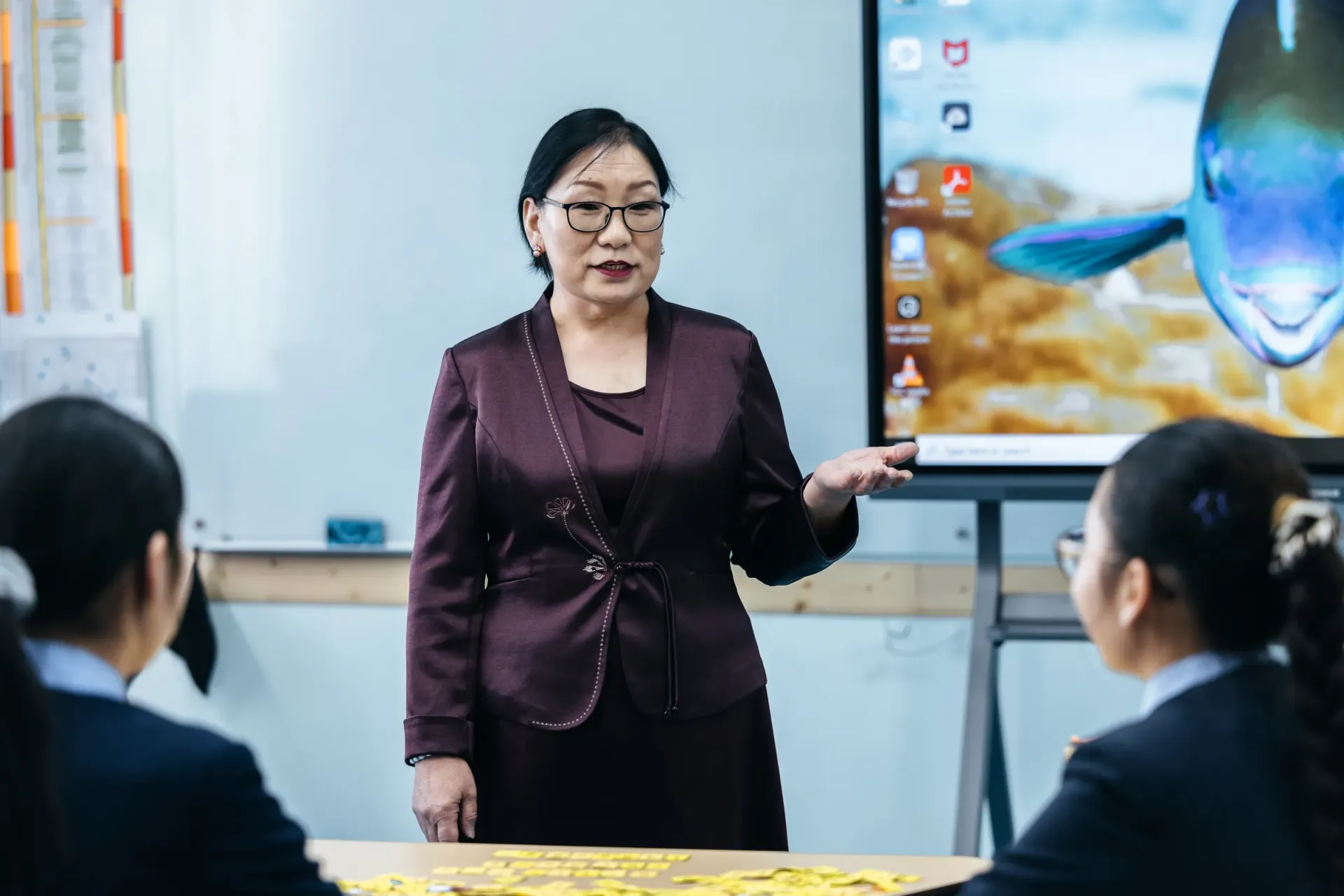
“During winter, it never snows here,” smiles English teacher D. Munkhzaya. “This year, when snow finally came after Lunar New Year, we were all delighted.”
For 23 years, Munkhzaya has taught English at her local school, guiding generations of children—many from herder families growing up far from urban centers. For them, English is more than a subject; it is a bridge to the wider world.
Yet teaching English in remote Mongolia comes with challenges. Nearly two-thirds of English teachers nationwide do not meet the required proficiency level, especially in rural areas with limited access to professional development.
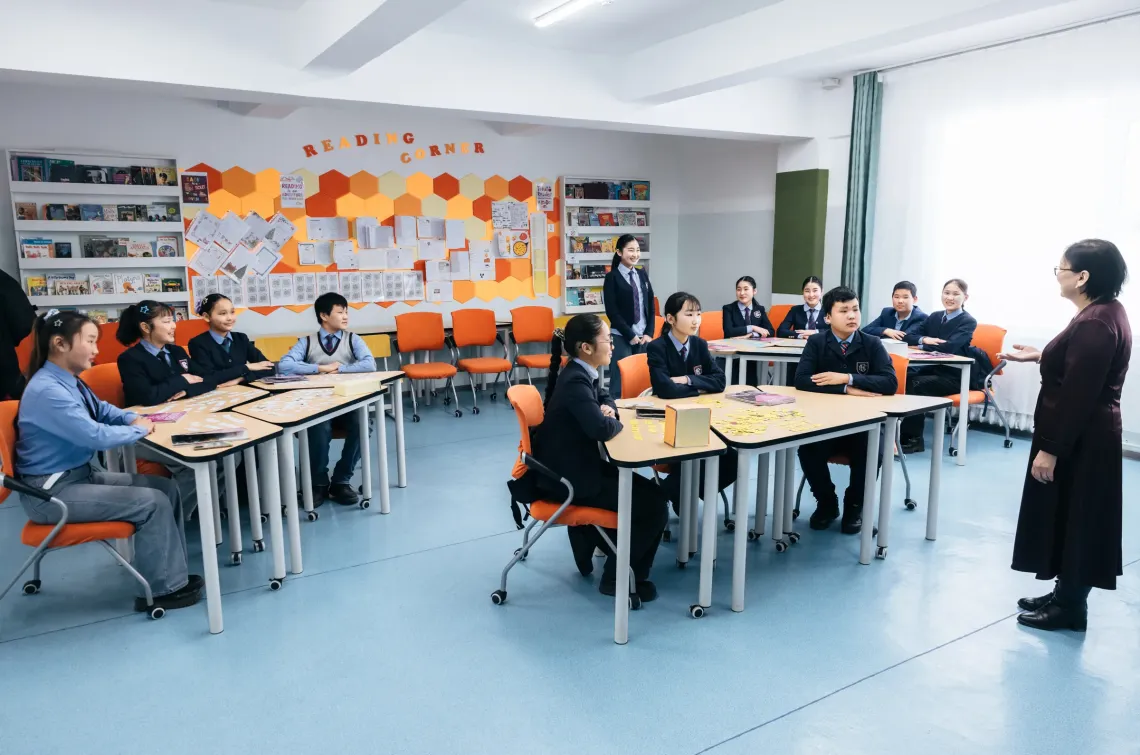
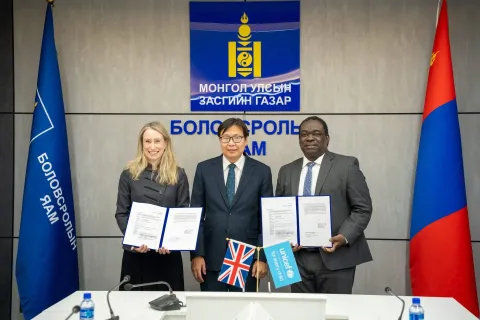
To address this, UNICEF, the Ministry of Education, and the United Kingdom supported the Breaking Language Barriers project, which provides intensive training and mentoring for teachers in remote provinces. In Khuvsgul alone, 161 teachers participated, including Munkhzaya, who is now a mentor teacher.
“These trainings were so timely,” she says. “We improved not only our language skills but also learned new methods for teaching younger children.”
The programme combines in-person workshops and online learning, strengthening both English proficiency and classroom practice. It has already helped many teachers improve their skills and build mentoring networks across rural schools.
At her school, Munkhzaya shares her knowledge with younger colleagues.
“There are four English teachers here—all young and energetic,” she says with a laugh. “I try to keep up. I may not be young, but I’m young at heart.”
Expanding English Learning Beyond the Classroom
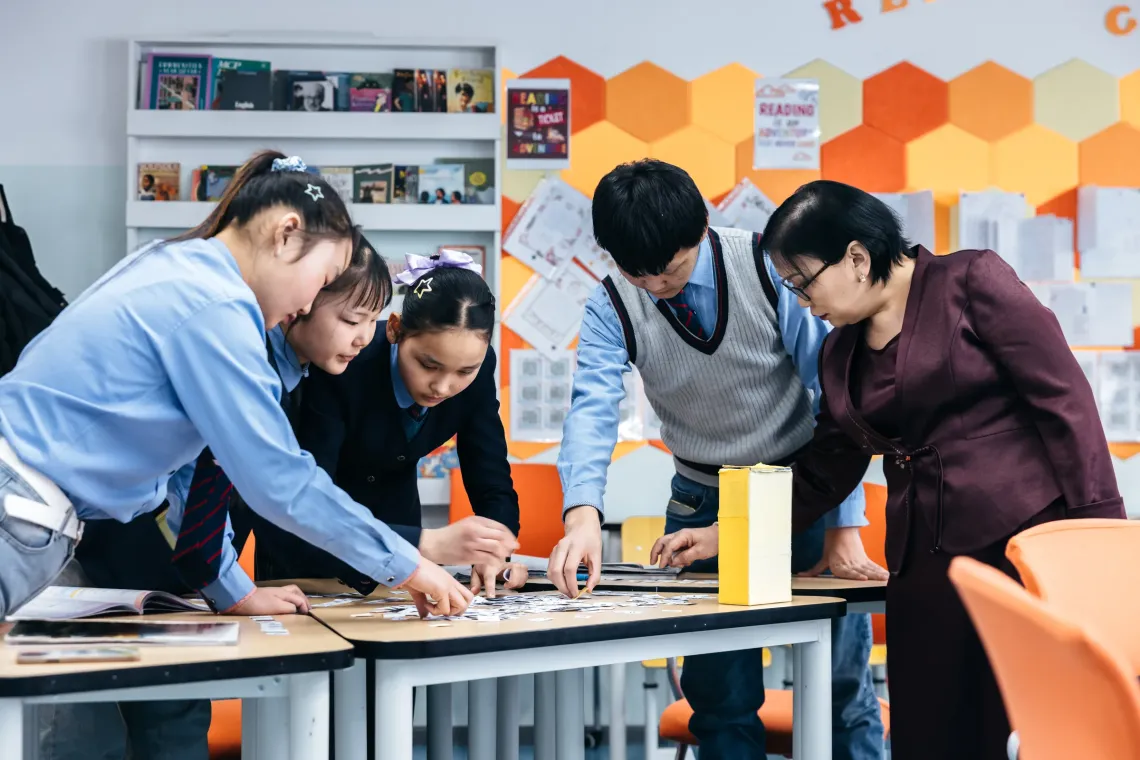
Beyond lessons, Munkhzaya runs an English Language Club where students practice speaking through games, songs, and group activities. The club has quickly become one of the school’s most popular spaces.
“Children enjoy learning in a fun way,” she explains. “They are often less shy here than in class.”
For students in a small rural community, the club offers a rare chance to use English in real-life situations—helping them build confidence and curiosity.
“We love the English club,” say students who attend weekly. “She makes learning easy and fun.”
Building Strong Foundations for Young Learners
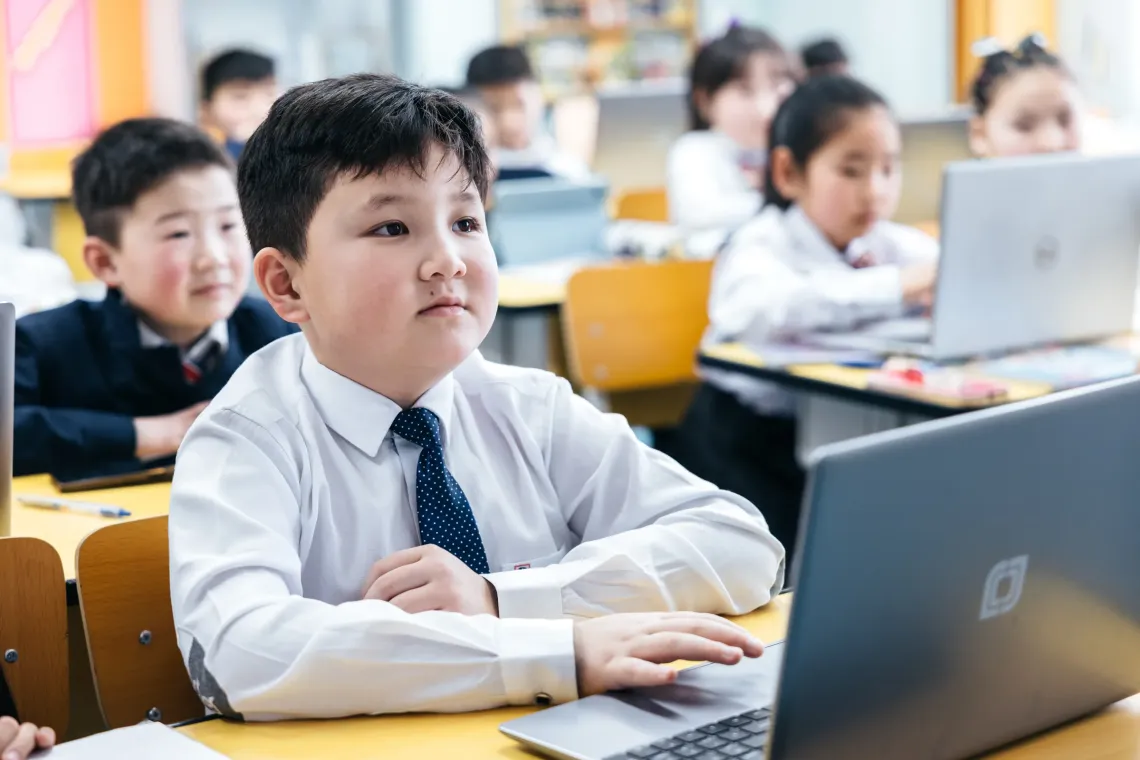
The impact is visible in students like Anar, a third grader who recently started learning English. His mother, pediatrician P. Erdenetuya, moved back to Ikh Uul from Ulaanbaatar seeking a healthier environment for her children.
“At first, I worried about the quality of rural schools,” she says. “But my son loves English. It’s his favorite day of the week. Teachers here in our soum are highly skilled.”
As Mongolia introduces English from Grade 3 nationwide, strong early teaching is increasingly important. For parents, English represents future opportunity.
“I want my son to learn English well,” she says. “It will open many doors.”
A Lasting Impact
In remote provinces like Khuvsgul, committed teachers make this possible despite workforce shortages and geographic challenges.
“I feel proud to be a teacher,” says Munkhzaya. “A teacher is rich—with smiles and energy.”
Through strengthened training and mentoring, the project is helping teachers reach thousands of children across rural Mongolia. As English becomes a core subject, educators like Munkhzaya are shaping how a new generation connects to the world.
“Now we must use these skills to teach better,” she says. “And I can’t wait.”
In the classrooms and after-school clubs of Ikh Uul, every new word learned brings students one step closer to a wider world.