From Daily Chores to Lasting Change
A community hub for hygiene and hope

Imagine travelling three kilometres just to take a shower. This was the reality for B.Otgon-Erdene, a 34-year-old mother of five children. Every weekend, she would bring her children, aged 2 to 15, to the nearest shower facility. “In winter, the long journey to the shower was especially difficult, and we often ended up cold and sick,” she recalls.
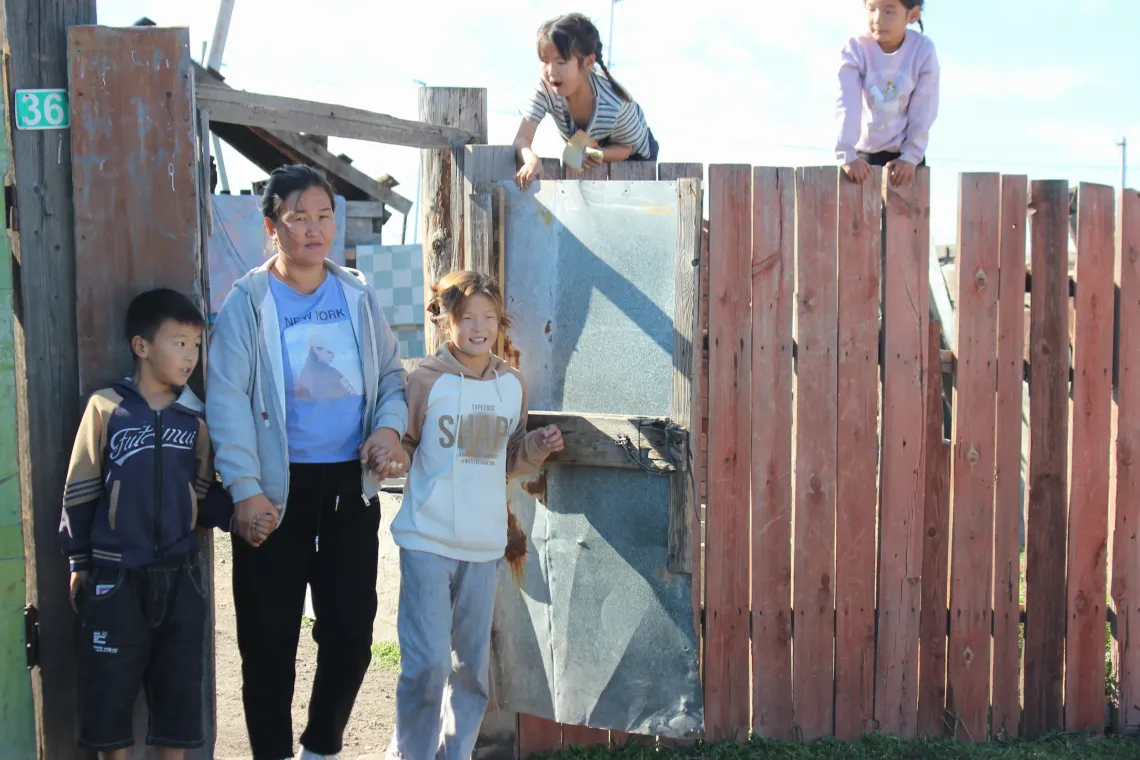
Access to water for personal hygiene is a widespread challenge in the ger districts of Mongolian cities like Darkhan. Although located only seven kilometres from the city centre, these neighborhoods often lack central heating and sewage systems, making something as basic as bathing a daily struggle.
Established in 2023 through a partnership between the Darkhan Women’s Federation and the local government, the Tsemtsger Centre, only 500 metres from Otgon-Erdene’s home, is changing lives in the community.

As the first facility of its kind in this community of 10,000 people, the centre provides showers and laundry services close to home. It has quickly become a welcoming space for children, families, the elderly, and people with disabilities. Every day, more than 100 families visit the centre for its services. For mothers in the community, including Otgon-Erdene, it brings relief and dignity after years of managing without such basic facilities.


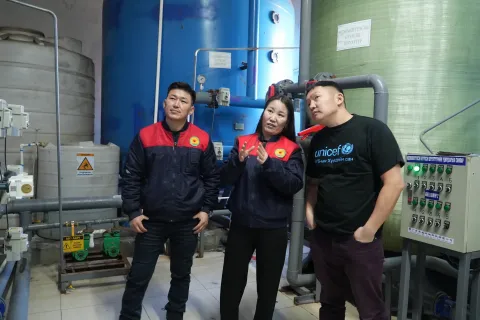
Electricity is essential to heat water at the centre. Without central heating, the community is vulnerable to power cuts during the harsh winter months and the busy summer construction season. “When we had power cuts last winter, people were calling me every day to ask if we were open,” says the centre’s manager, Yu.Enkhbileg. To ensure continuous operation, UNICEF Mongolia installed a solar panel system connected to the grid as part of the Solar-WASH (Solarised Water, Sanitation, and Hygiene) project, funded by the UNICEF UK and Eleva Foundation. The system provides reliable power year-round, reduces electricity costs by 30 per cent, and supports a self-sufficient, circular model for the centre.

When we had power cuts last winter, people were calling me every day to ask if we were open
Beyond hygiene, the centre is also a hub for learning and empowerment. For mothers like Otgon-Erdene, doing laundry now comes with the opportunity to attend courses and gain new skills. While waiting for their clothes, mothers participate in UNICEF-supported Digital Literacy training sessions, led by 15 trained Digital Community Information Workers who guide families in using digital tools and provide Child Online Protection education. Otgon-Erdene says, “This centre gives me a chance to grow, learn, and create a better life for my family.”


The Tsemtsger Centre is transforming communities by empowering mothers, giving children access to warm and safe water for hygiene. Its self-sufficient, circular model ensures sustainable services and long-term impact for families and the wider community.
“The Tsemtsger Centre demonstrates UNICEF Mongolia’s partnership model in action, uniting local authorities, civil society and community to deliver sustainable, scalable solutions,” says UNICEF WASH Specialist Batnasan Nyamsuren.
Solarizing WASH facilities strengthens climate-resilient systems, enhances service reliability, and ensures children continue to access safe water. Supported by UNICEF UK and the Eleva Foundation, the project will continue to expand to 21 provinces, bringing lasting change to thousands of rural families like Otgon-Erdene’s.
For every child, safe water!
For every family, a caring community!