Young people in Moldova explore sustainability and green careers
How a UNICEF-supported initiative is helping students in Moldova discover that every profession can contribute to a greener future
What does a future career in law, communications or entrepreneurship have to do with protecting the environment? For students participating in the „Eco Generation: Your Compass to Green Careers” event, the answer became clear: sustainability is increasingly shaping every professional field.
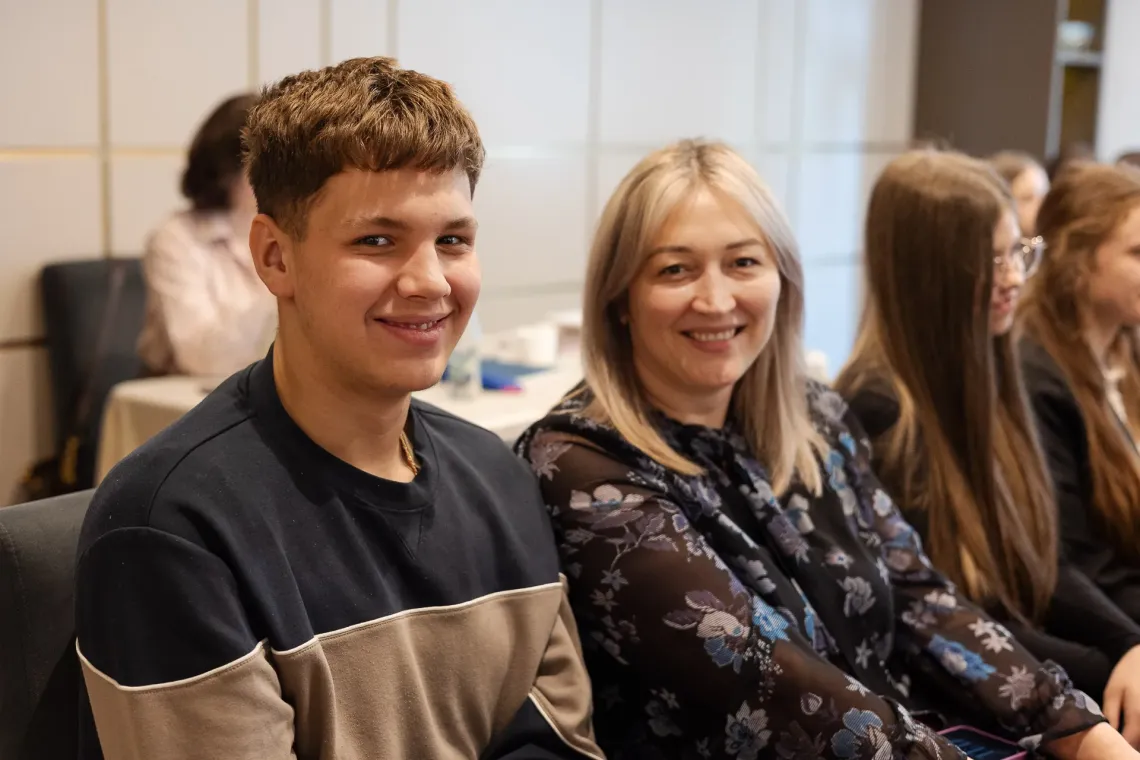
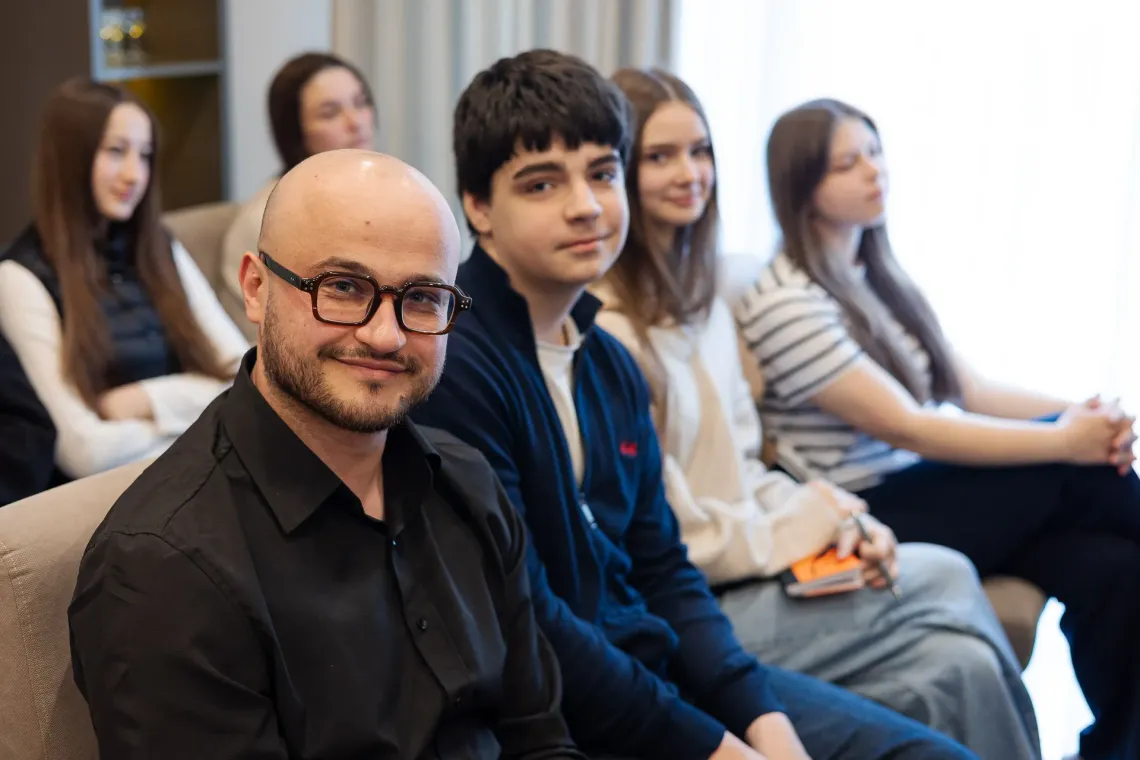
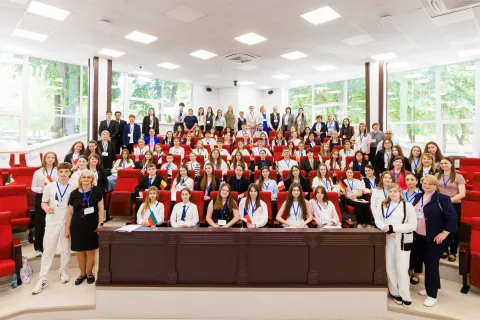
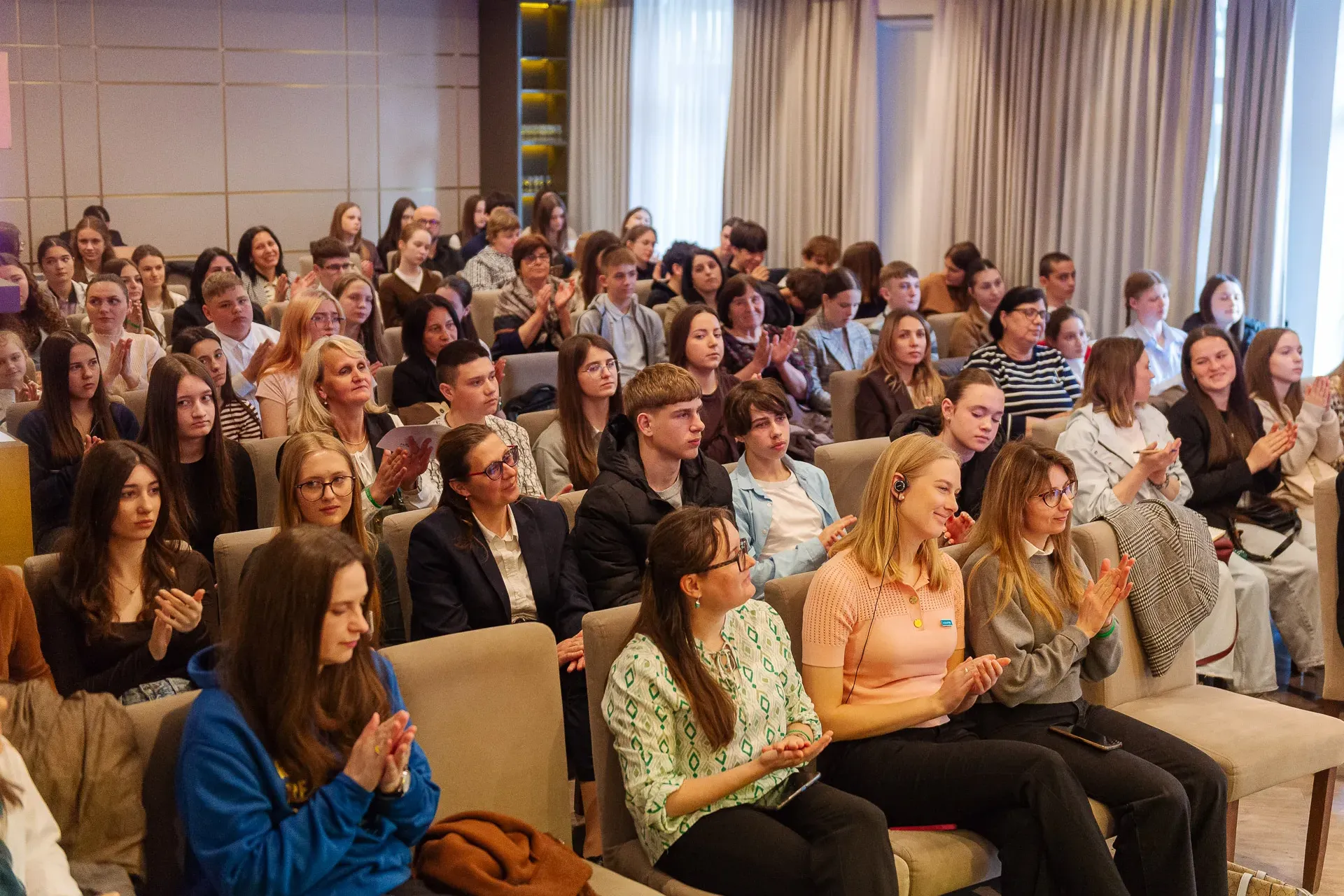
Around 80 students and teachers took part in the event, organized as part of UNICEF’s „EcoEd: School for a Green Future” initiative, implemented by the National Environmental Centre. The event offered students an opportunity to connect what they had learned in the classroom with real-life environmental challenges and potential career pathways.
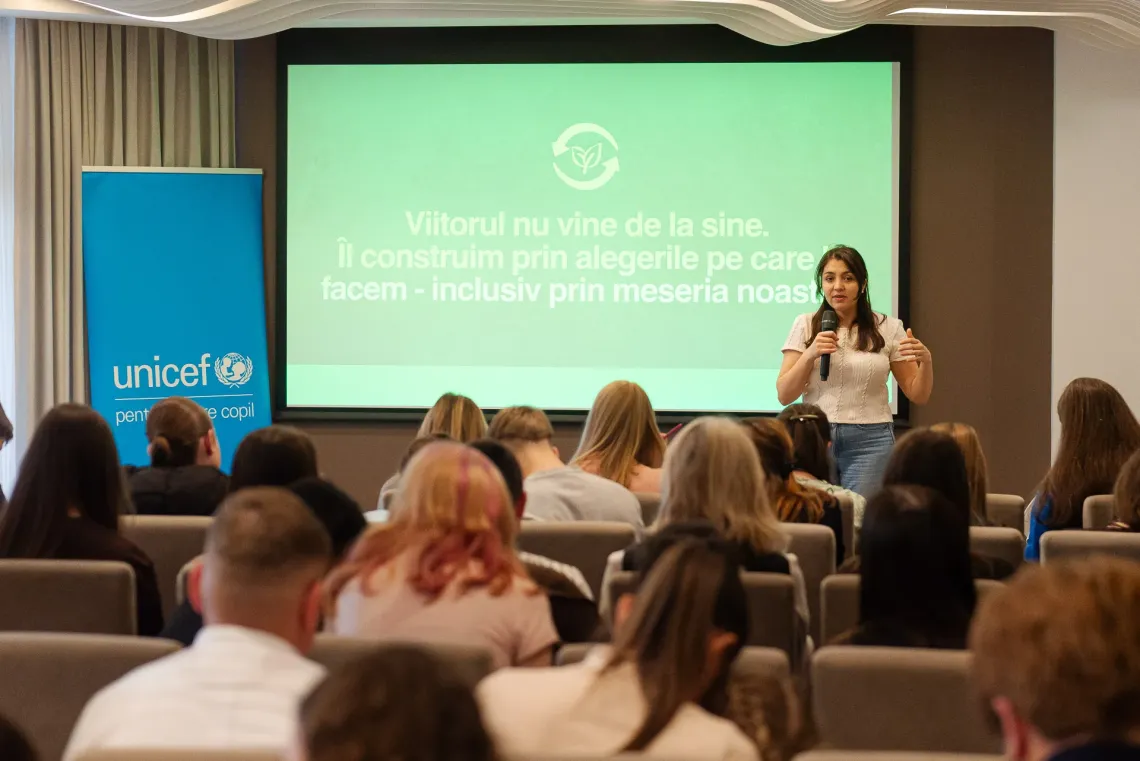
Rather than focusing only on environmental problems, the event encouraged students to explore how sustainability could influence the solutions they develop through their future choices and professions. It also challenged the perception that environmental careers are limited to only a few sectors. Guest speakers highlighted how sustainability is becoming increasingly relevant in fields ranging from entrepreneurship and communications to law and education.
Cristina Tocari, founder of Recycline Moldova, encouraged students to think about their future careers not only through the lens of their personal interests, but also in relation to their responsibility towards the environment and limited natural resources.
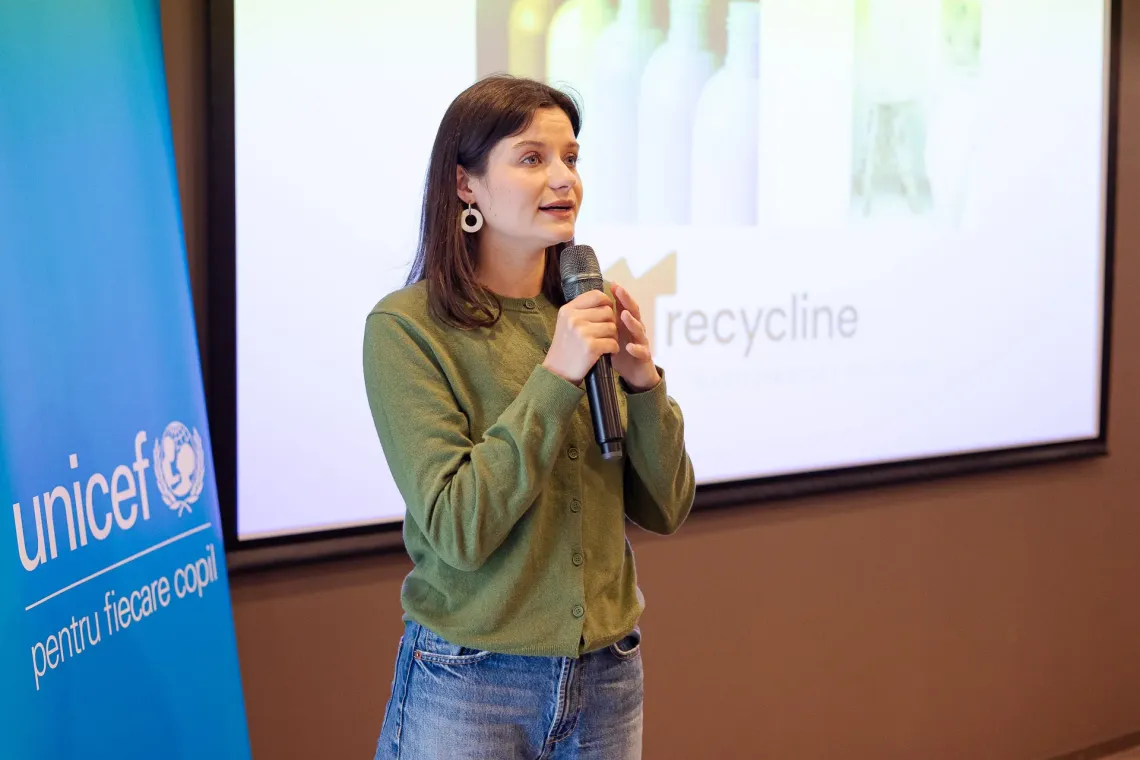
„Choosing a career should start with your own identity and what you love to do, but it must also integrate a sense of responsibility towards our resources”, she explained. „For the Eco Generation, sustainability is not just a trend, but a direction that increasingly shapes the way companies and organisations operate”.
The Recycline Moldova team has transformed more than five tonnes of plastic waste into functional art and furniture and has introduced plastic upcycling activities in more than 20 schools across Moldova. Their experience provides a practical example of how environmental innovation can generate new opportunities and community-based solutions.
For students, initiatives such as Recycline Moldova show that sustainability is not simply a topic to study, but a field in which creativity, entrepreneurship and innovation can come together.
Throughout the event, conversations also focused on the connection between consumption, waste and individual responsibility. Dorina Veleșcu, Environmental Projects Coordinator at E-Circular, encouraged students to think critically before making a purchase.
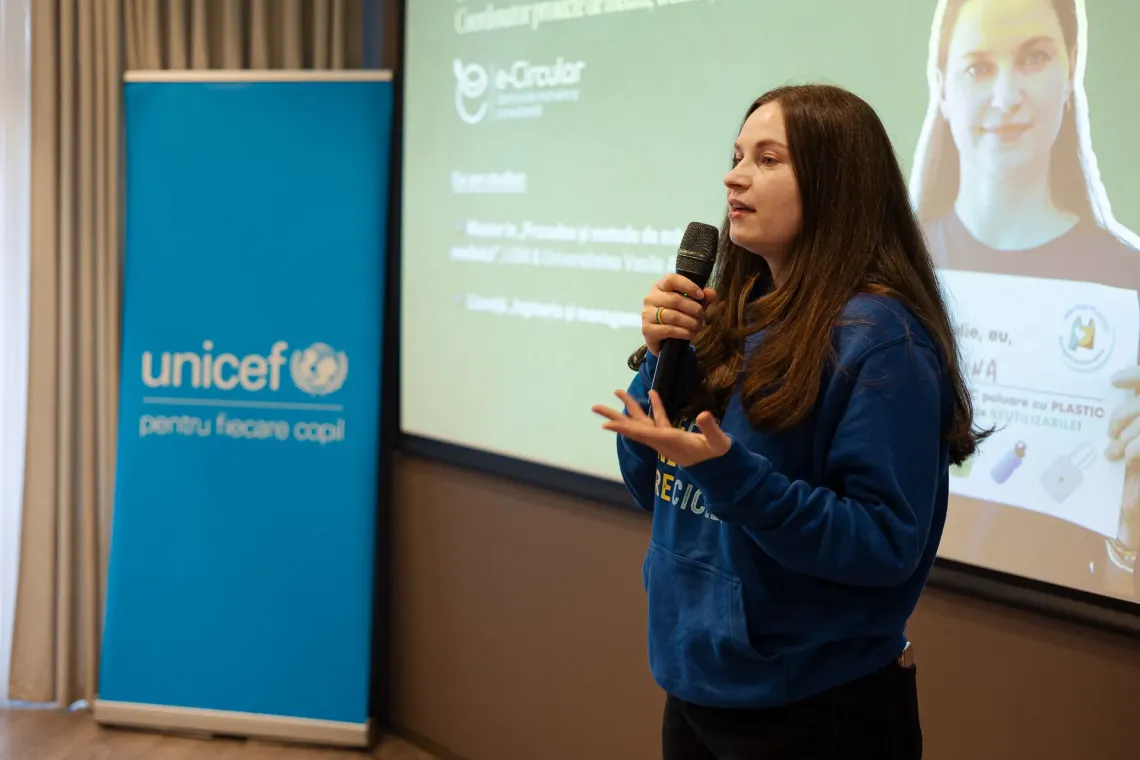
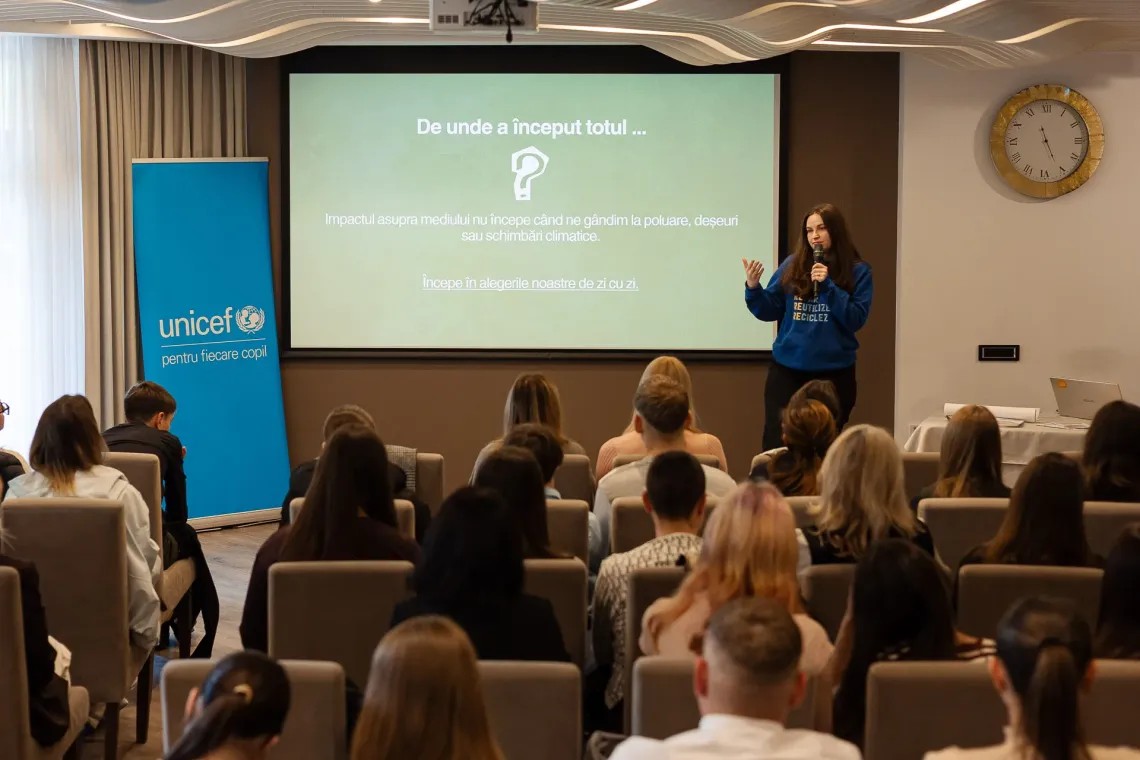
„In a world changing right before our eyes, the most important question before buying something new is not ‘How much does it cost?’, but rather ‘Do I truly need this?’”, she said.
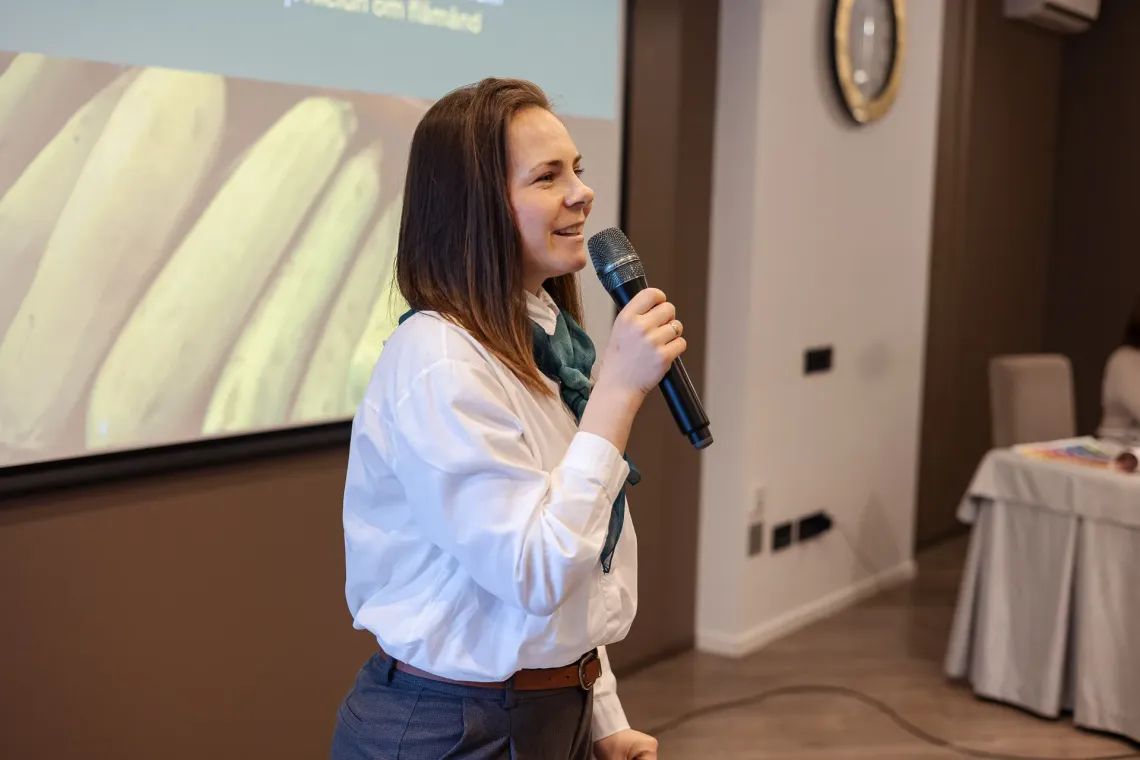
The discussion continued with food waste and responsible resource management. Anna Ceban, Communications Manager at the Food Bank, highlighted that, according to the United Nations Environment Programme’s 2024 Food Waste Index Report, households account for 60 per cent of food waste. This underlines the important role that education and awareness can play in developing more sustainable everyday habits.
„We want to raise a generation that does not waste resources, ensuring that no one goes hungry”, she noted, encouraging young people to become ambassadors for more responsible consumption.
For many students, the event transformed sustainability from an abstract concept into something concrete and closely connected to their own lives and future aspirations.
„I loved discovering that I can pursue a career in law while also protecting the environment through environmental law”, one participating student shared. „I had no idea sustainability was so deeply integrated into every field”.
The student’s reflection illustrated one of the event’s key messages: young people do not necessarily have to choose between the professions that interest them and contributing to environmental protection. Sustainability can become part of the way they practise law, teach, communicate, develop businesses or create new products and services.
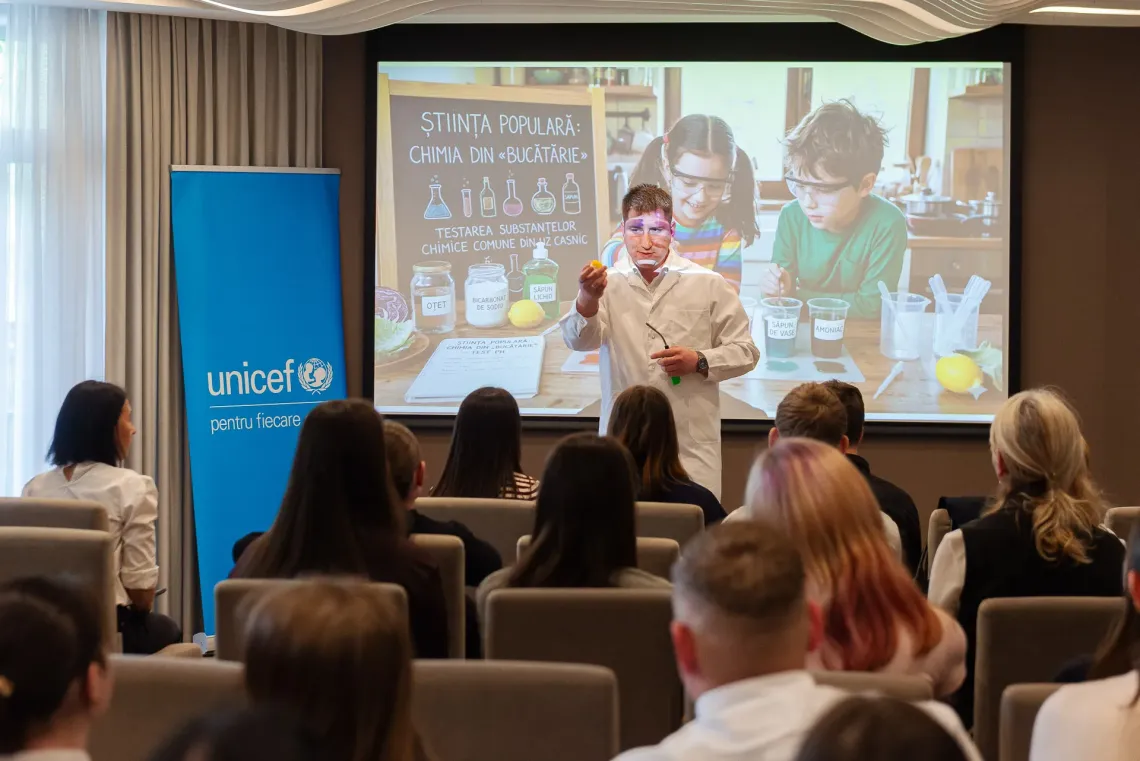
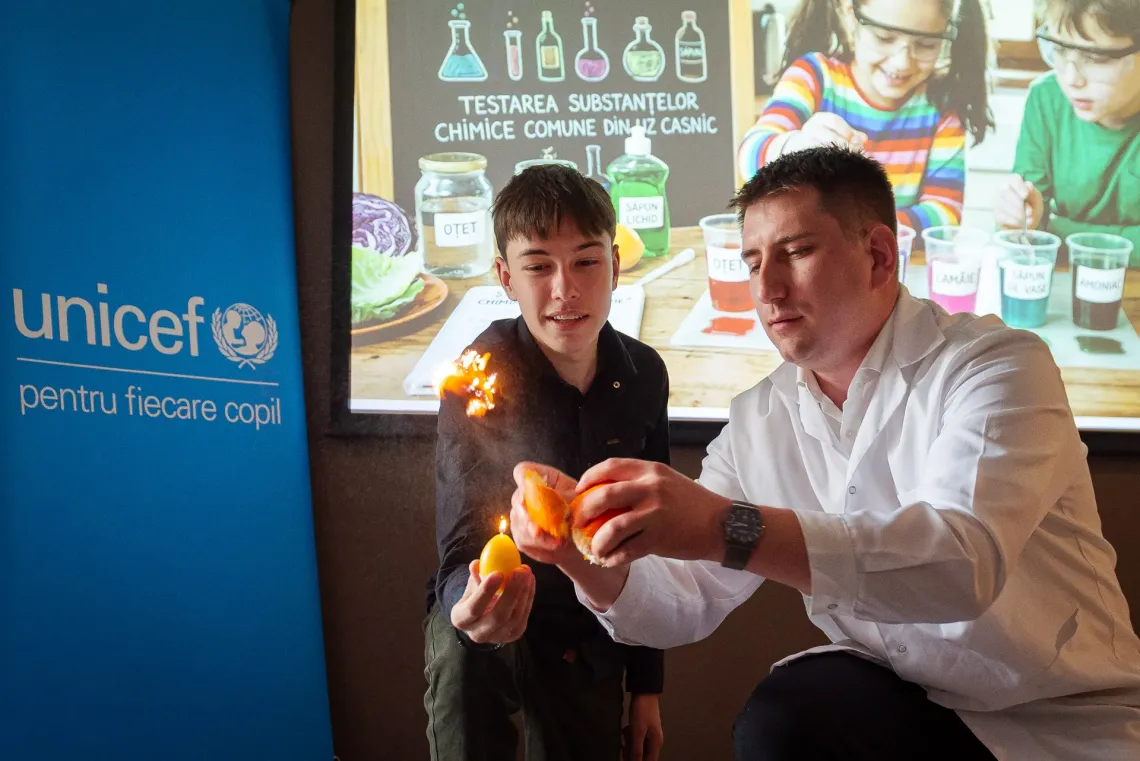
Teachers also highlighted the value of direct dialogue between students and professionals. Such exchanges help young people understand how environmental and climate considerations are influencing different industries and what green skills they may need in the future.
By connecting classroom learning with current challenges and possible career pathways, the event made sustainability more relevant to students’ everyday lives and professional aspirations.
As young people prepare to enter a rapidly changing labour market, initiatives such as EcoEd can help them develop the knowledge, values and green skills needed not only to adapt to the future, but also to shape it.