From volunteers to peer educators: Youth Klinic young people take change back to their communities
Across the Youth Klinic network, adolescents and young people are finding their voice, learning from one another and taking essential health information back to their schools and communities.

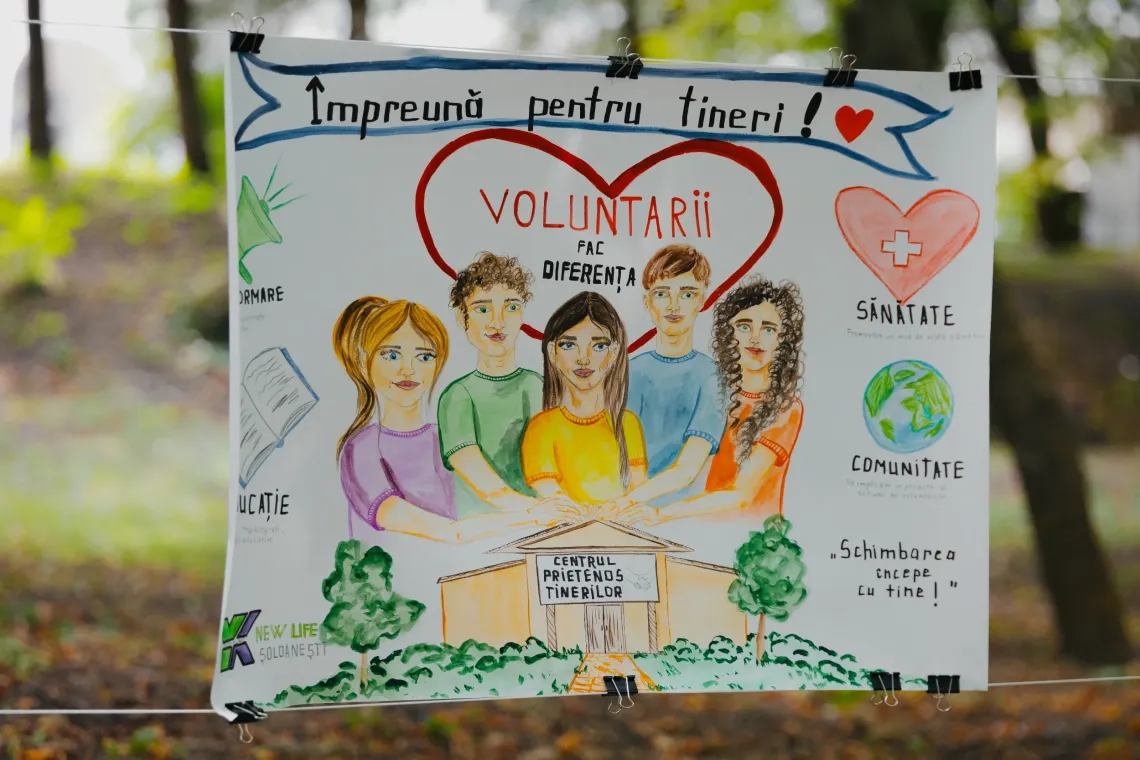
Roman returned to Căușeni with plans to organize activities for students at his school. Vlad wants to bring the methods he learned this summer to high schools in Florești. Victoria already sees opportunities to organize workshops in her community in Anenii Noi, while Dumitrița is even considering social media campaigns. For Ludmila, who has been volunteering since the age of nine, sharing what she learns with others has become a natural part of her life.
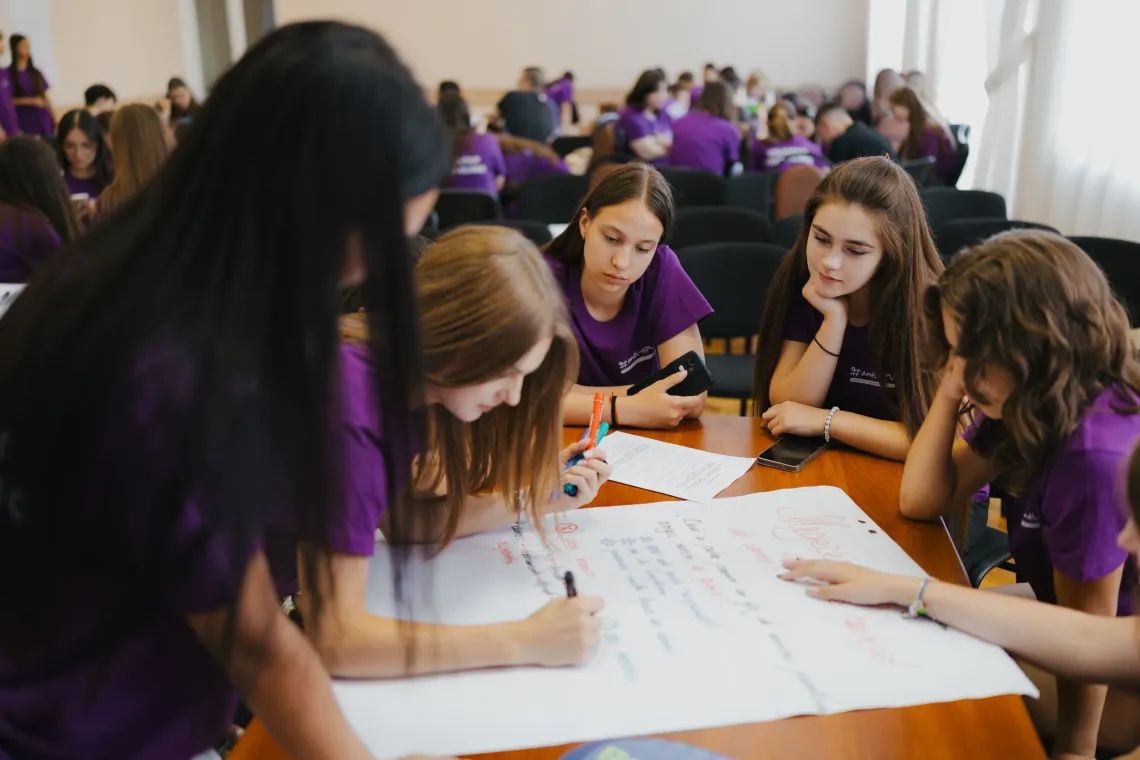
This summer, the five were among approximately 160 adolescents and young people who took part in the 11th edition of the Youth Klinic Moldova Summer School for volunteers and volunteer coordinators.
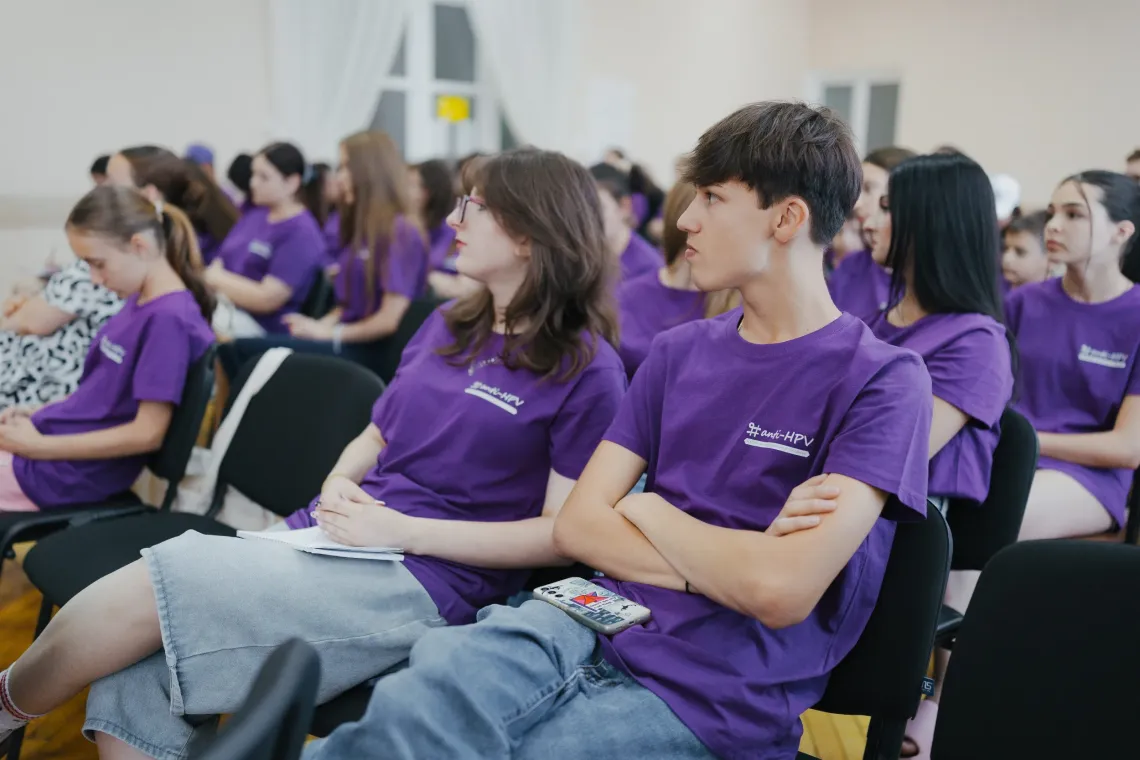
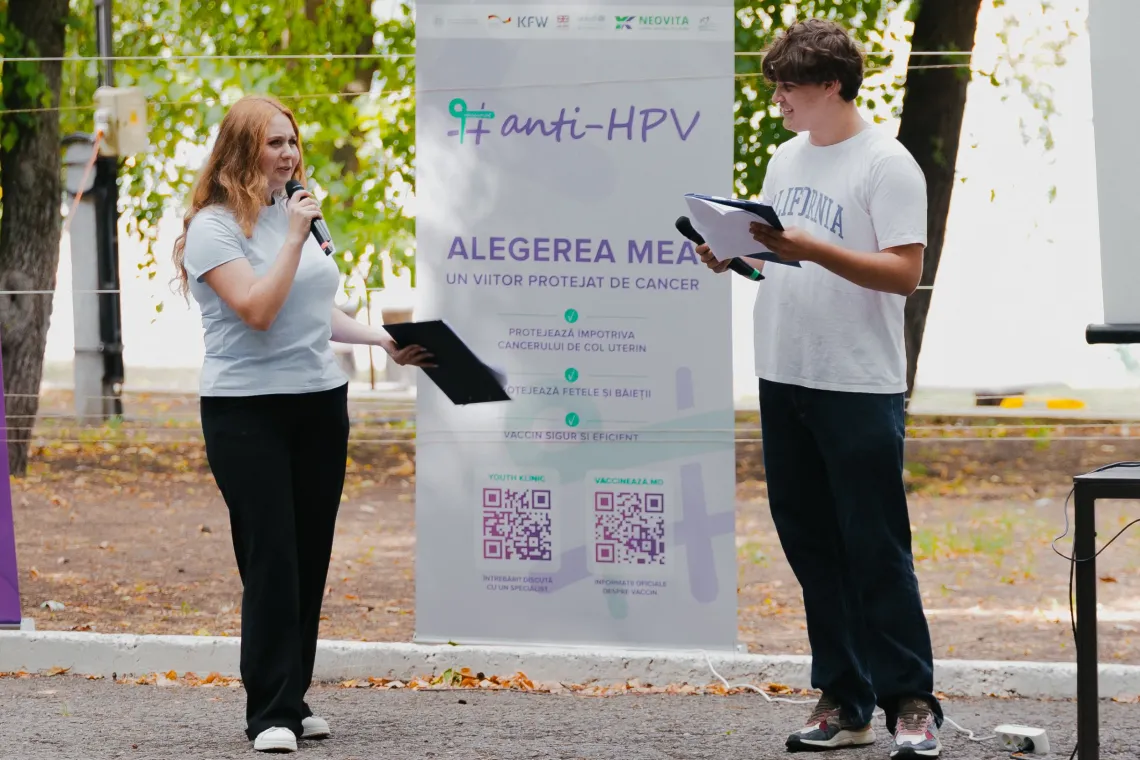
Over five days, they discussed, asked questions and explored ways to turn topics that can sometimes be difficult to talk about into accessible conversations among young people. This year’s edition focused in particular on preventing gender-based violence and human papillomavirus (HPV) infection. Through exercises, role-playing and interactive activities, the volunteers strengthened their knowledge and practised how to share it with their peers.
The 11th edition of the Youth Klinic Moldova Summer School for volunteers and volunteer coordinators was organized by UNICEF and the Health for Youth Association, with financial support from the Government of Germany through KfW Development Bank and support from the Government of the United Kingdom, as part of the National Programme on Sexual and Reproductive Health and Rights 2023–2027. The Summer School also received support from ERIKS Development Partner and the World Health Organization and was held under the auspices of the Ministry of Health.
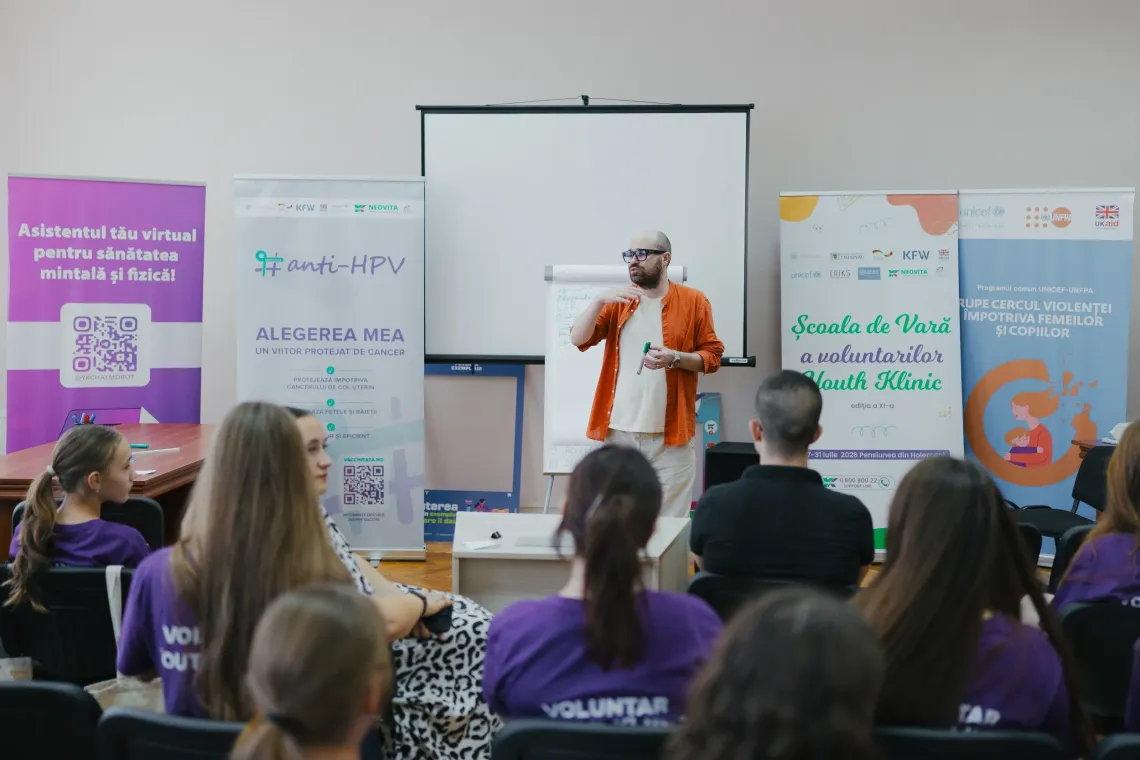
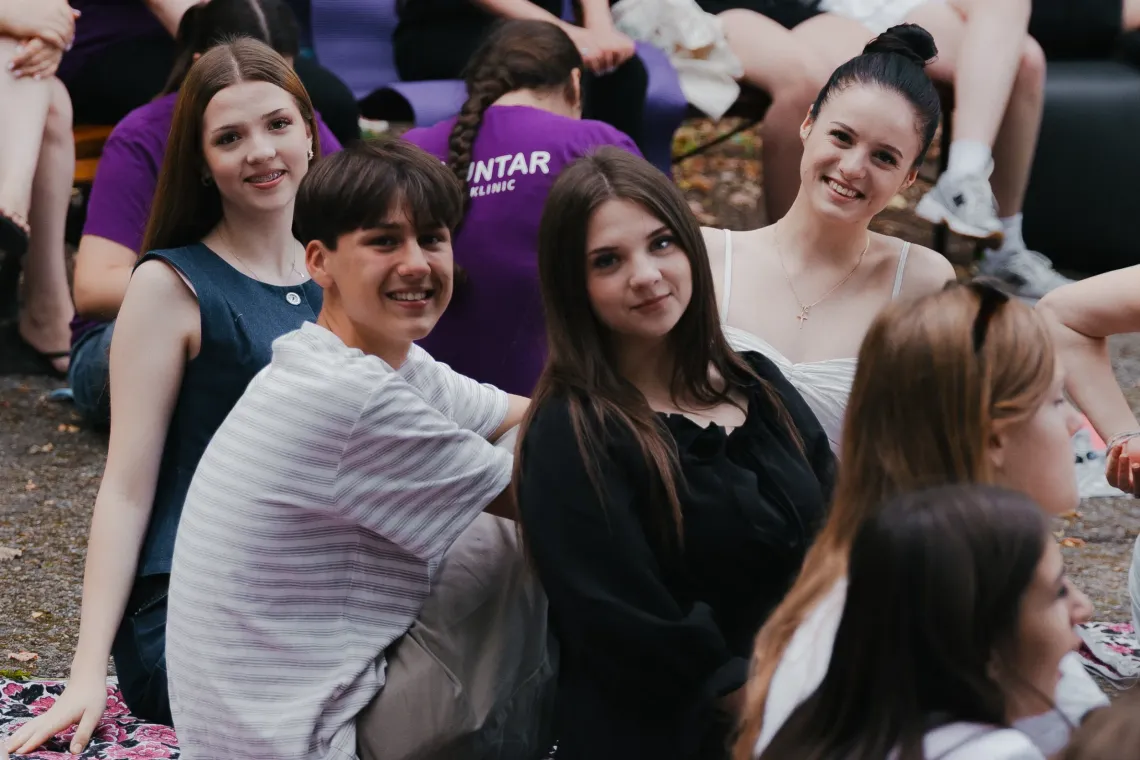
Now, with a new school year under way, the knowledge and methods gained over the summer are travelling back with these young people into classrooms and communities. A topic discussed during a training session can become a conversation between classmates, a workshop or a social media post seen by other adolescents.
This is one of the key principles of peer education: young people are not simply recipients of information. They can also be the ones who carry it forward, speaking in the language of their generation and drawing on the realities they know best.
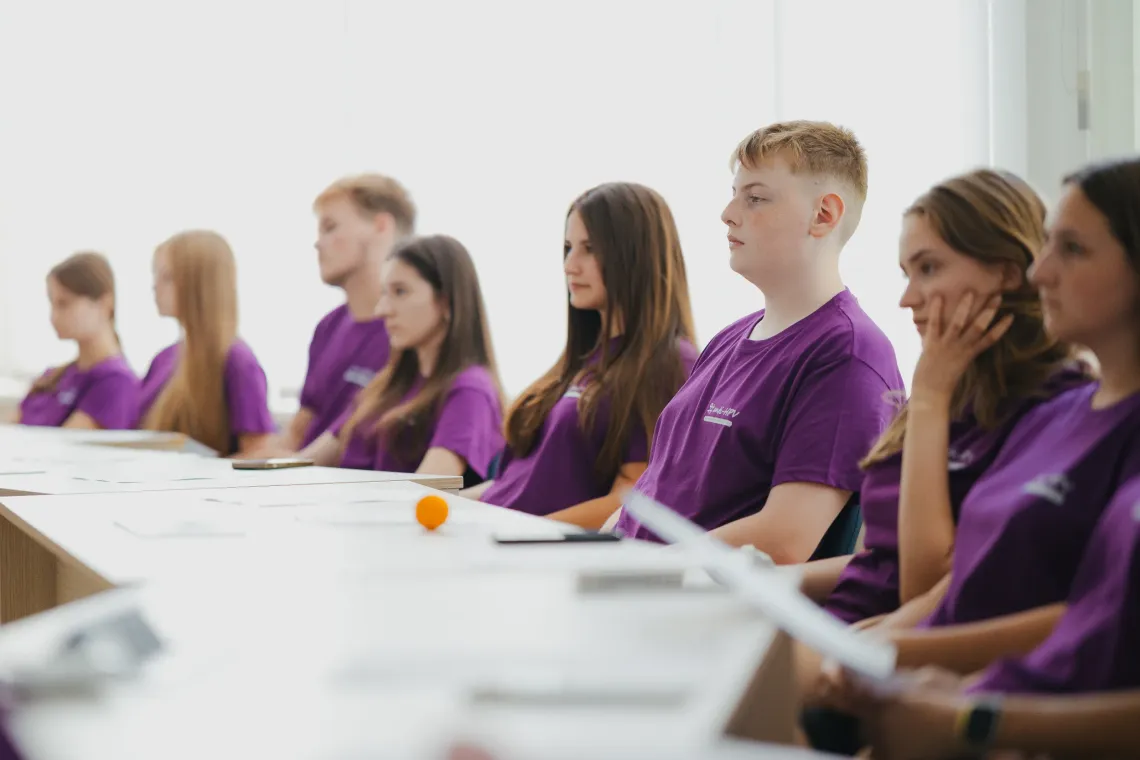
Sometimes, it all starts with a friend
There is no single path to becoming a Youth Klinic volunteer. For 15-year-old Vlad from Florești, who has been part of the Youth Klinic community for around two and a half years, it all began with two friends.
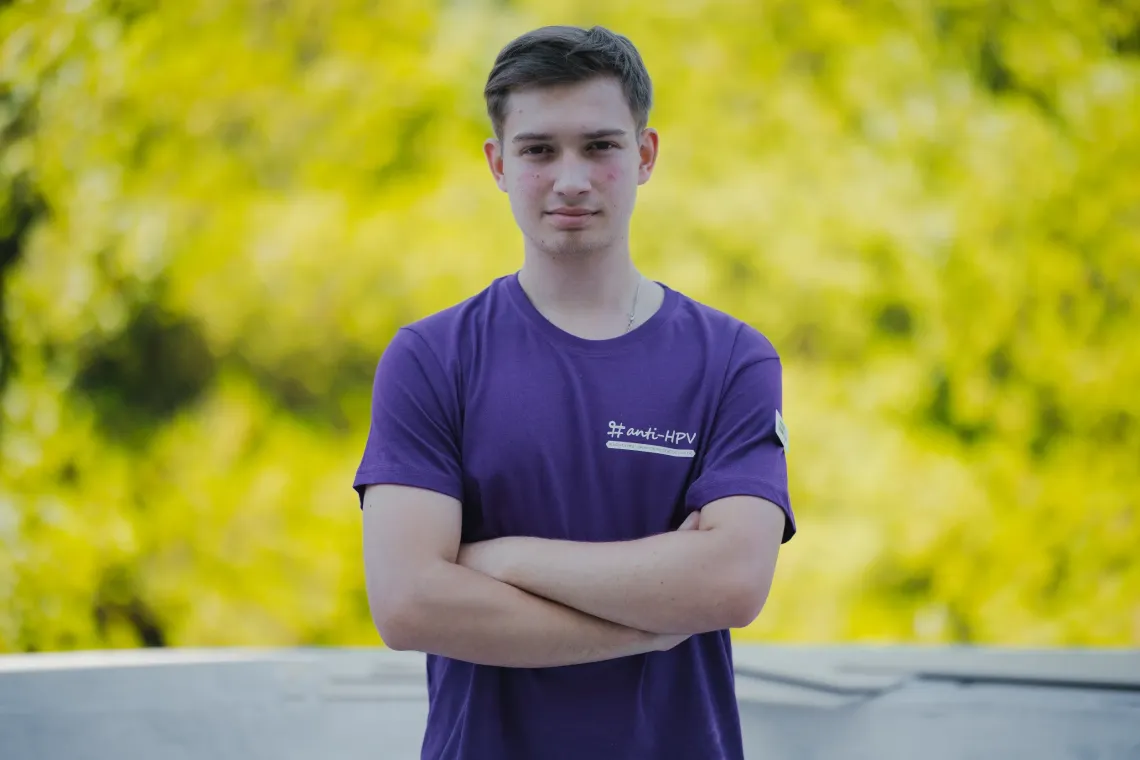
“They told me that the Centre promotes healthy lifestyles. In my very first week, I ran an activity about depression. That was the first topic I addressed as a volunteer,” he recalls.
Roman, 17, from the village of Chircăiești, came to Youth Klinic with previous volunteering experience. What appealed to him most was the opportunity to connect directly with other young people.
“I really enjoy organizing peer-to-peer activities and interacting with children. Volunteering gives you so many opportunities and so much experience,” he says.
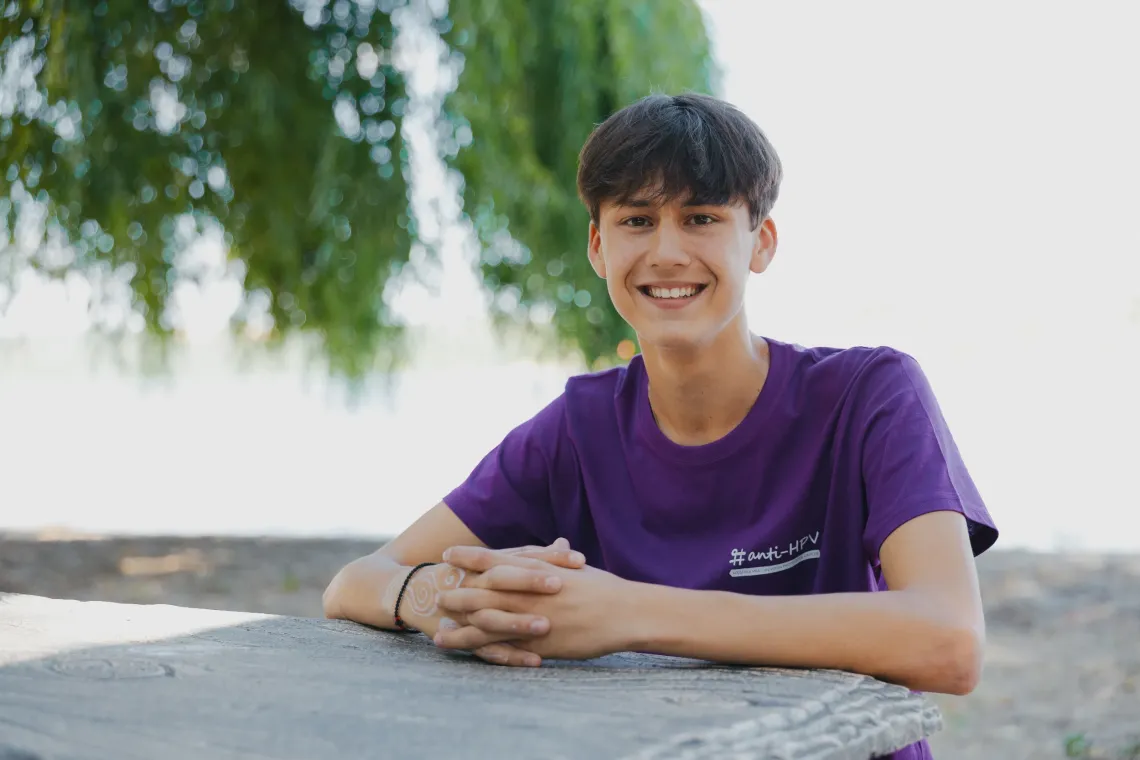
Victoria, 15, from Anenii Noi, is at the beginning of her journey. She has been part of Youth Klinic for only around six months, but says that was enough time to feel that she had found a community where she belongs.
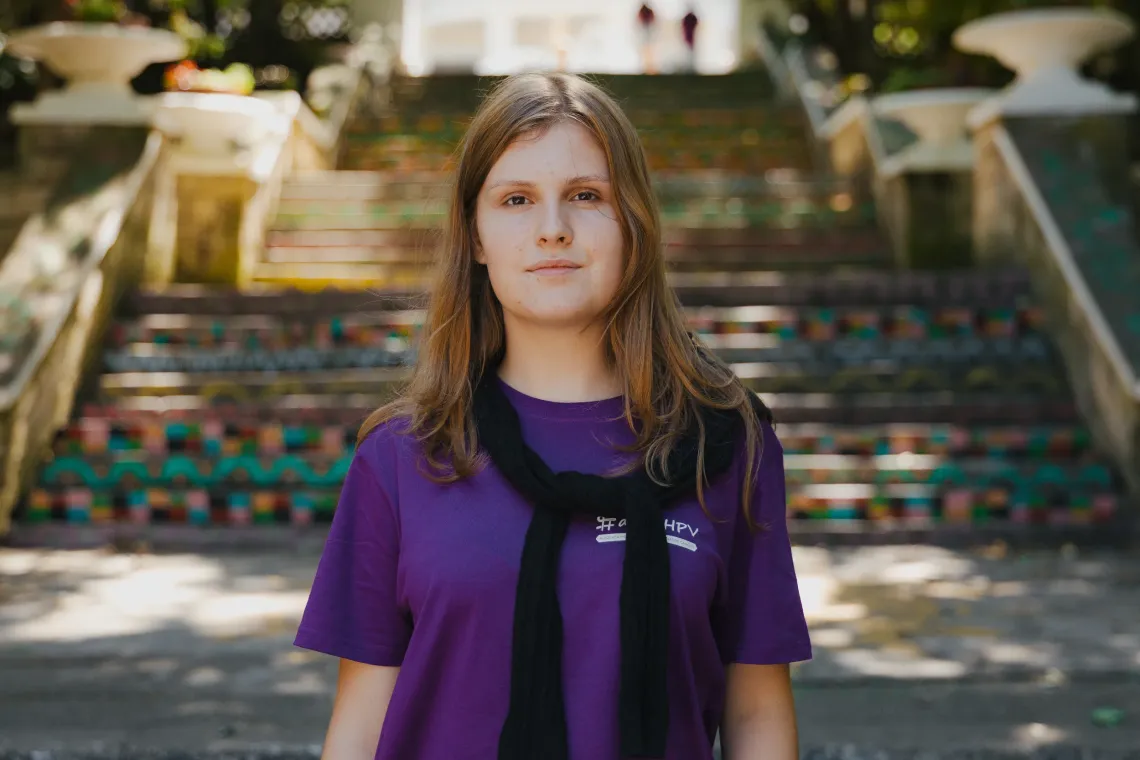
“I haven’t been volunteering here for very long, but I already really like the community. I’ve met people who think like me – open-minded people who are interested in activism and in creating change around them.”
Ludmila, 17, from Leova, has followed a different path. She first started attending activities at the Orhideea Youth Klinic when she was just nine years old. Eight years later, volunteering has grown alongside her.
“Over time, I grew, developed and became more and more interested. At first, it was simply something new, but eventually it became a real passion,” says Ludmila, who attended the Summer School for the fifth time this year.
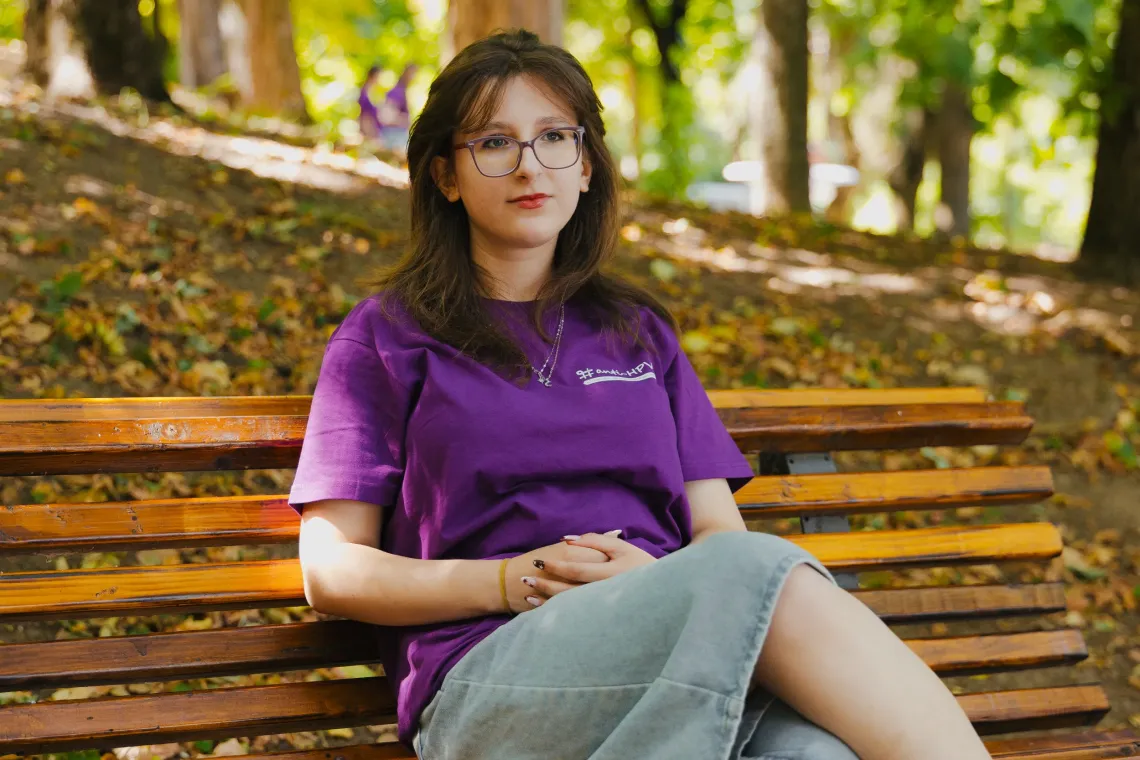
For Dumitrița, 16, from Orhei district, Youth Klinic marked the beginning of a much broader volunteering journey.
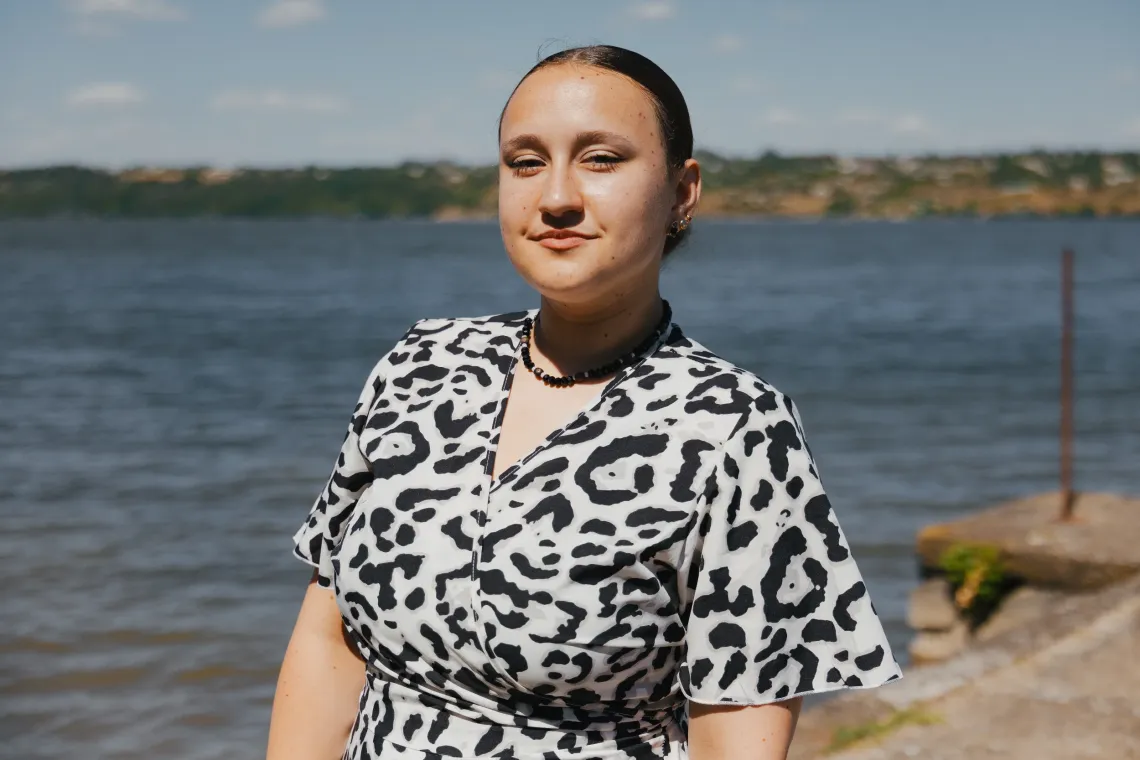
“I was quite young and I wanted to do something. I’m a very active person and I tried everything – arts, sports, singing. At some point, I told myself I needed to do something together with young people and for my community.”
Five different beginnings, but all with something in common: the moment when volunteering stops being simply an activity and becomes a space where young people grow, gain confidence and discover that their voice can make a difference.
Volunteering changes them first
Roman can clearly see that change in his own journey.
“I used to be quite introverted and I was afraid to express my opinion. After I started volunteering, I became much more open. I learned how to express my views clearly and how to speak in public.”
Today, he also encourages other young people to get involved in volunteering by sharing his own experience with them.
For Victoria, the transformation also comes from the community she has found.
“It’s the kind of environment I need, and these are the people who motivate me. Activism gives me a sense of purpose and makes me want to change something in my community. At the same time, volunteering is changing me too.”
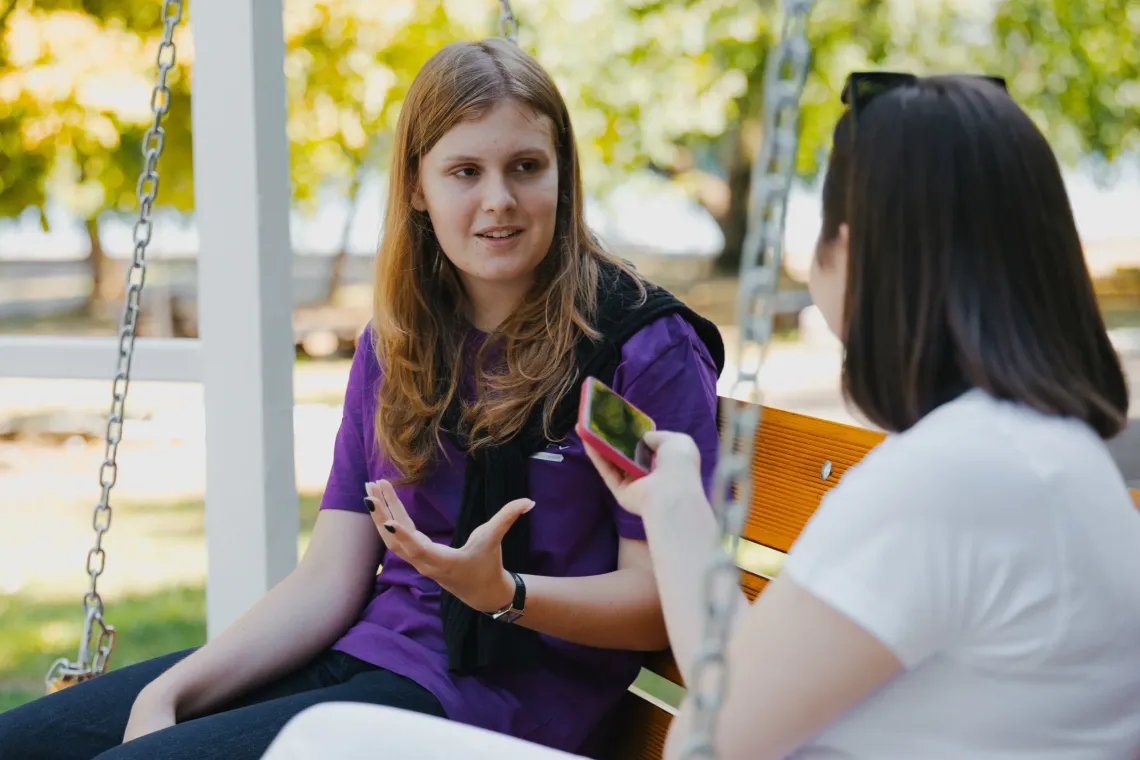
For Ludmila, after eight years of involvement, sharing information with other young people has become second nature.
“Whenever I have the opportunity to talk to my classmates and my community about different illnesses, the risks young people may face during adolescence or how HPV infection can be prevented, I embrace it. I want to pass on the information I learn through Youth Klinic.”
From Victoria, who is just beginning her volunteering journey, to Ludmila, who has practically grown up within this community, the same process is visible: young people come to learn, but gradually become the ones who start conversations with other young people.
From one young person to another
Dumitrița describes the volunteers as an interconnected community where one idea can travel from one group to another.
“I think each of us is an influencer in some way. We all have our own community, even if it is just a few friends or followers. When someone sees you doing something, you can become a source of inspiration for that person.”
And that person may then carry the message further.
“It might not sound particularly impressive, but it creates a kind of domino effect,” Dumitrița explains.
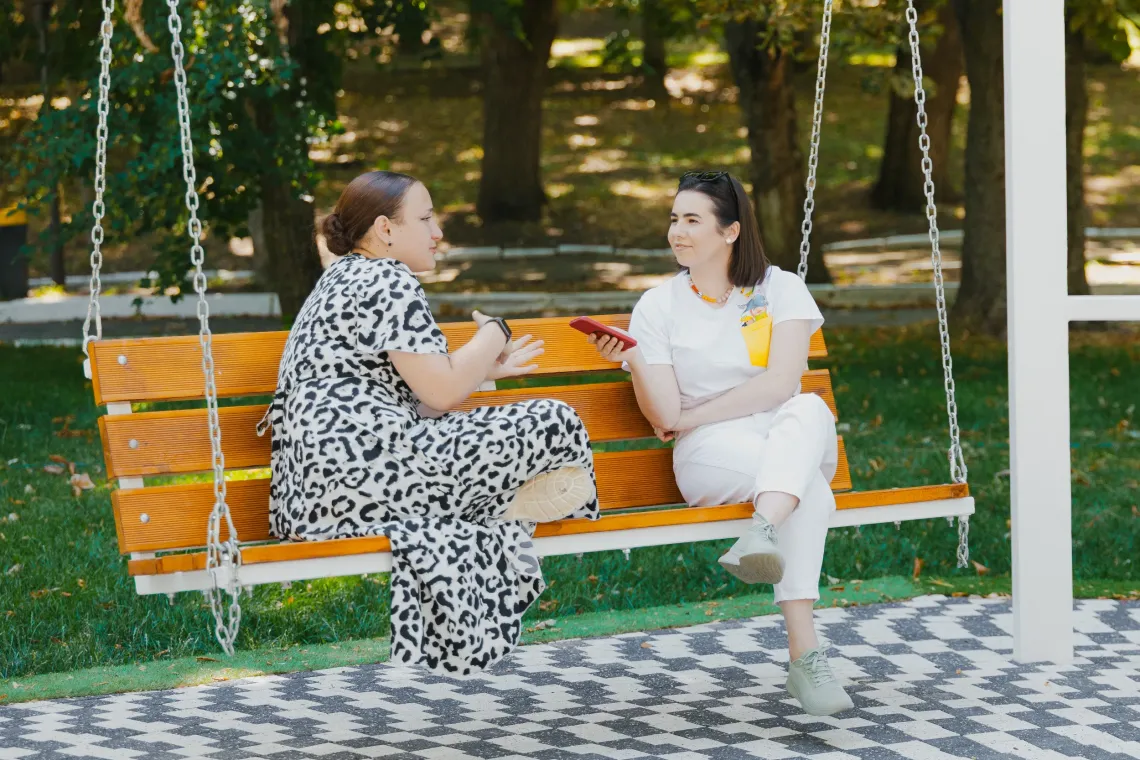
That “domino effect” captures the power of peer education. A teenager can start a conversation about a topic that an adult might find more difficult to approach and may also be better placed to recognize the questions, concerns or myths circulating among their peers.
“It’s different when information comes from a teacher and when it comes from a friend your own age,” says Victoria.
“Even a message that seems small can have an impact,” adds Dumitrița.
Peer education therefore does not end when an organized activity is over. It can continue during a school break, among a group of friends or through a reel watched by another teenager.
It is not only what you learn, but how you share it
At the Summer School, volunteers had the opportunity to practise exactly that. Vlad remembers the interactive methods used during sessions on HPV prevention: exercises that helped participants understand more easily how viruses are transmitted, as well as activities where they were asked to agree or disagree with different statements, explain their reasoning, and identify accurate messages about HPV vaccination.
“These activities not only showed that we had been paying attention, but also helped us improve the way we make an argument,” he says
For some participants, HPV and vaccination as a means of prevention were already familiar topics. For others, the information was new.
“To be honest, I only learned about HPV at this camp. Before that, I didn’t know about the virus or how widespread it is,” Victoria says.
Beyond the information itself, the exercises gave the young people tools they can apply to other health topics as well: how to listen, explain, make an argument and create a space where another adolescent feels comfortable asking questions.
The Summer School is over, but the learning continues
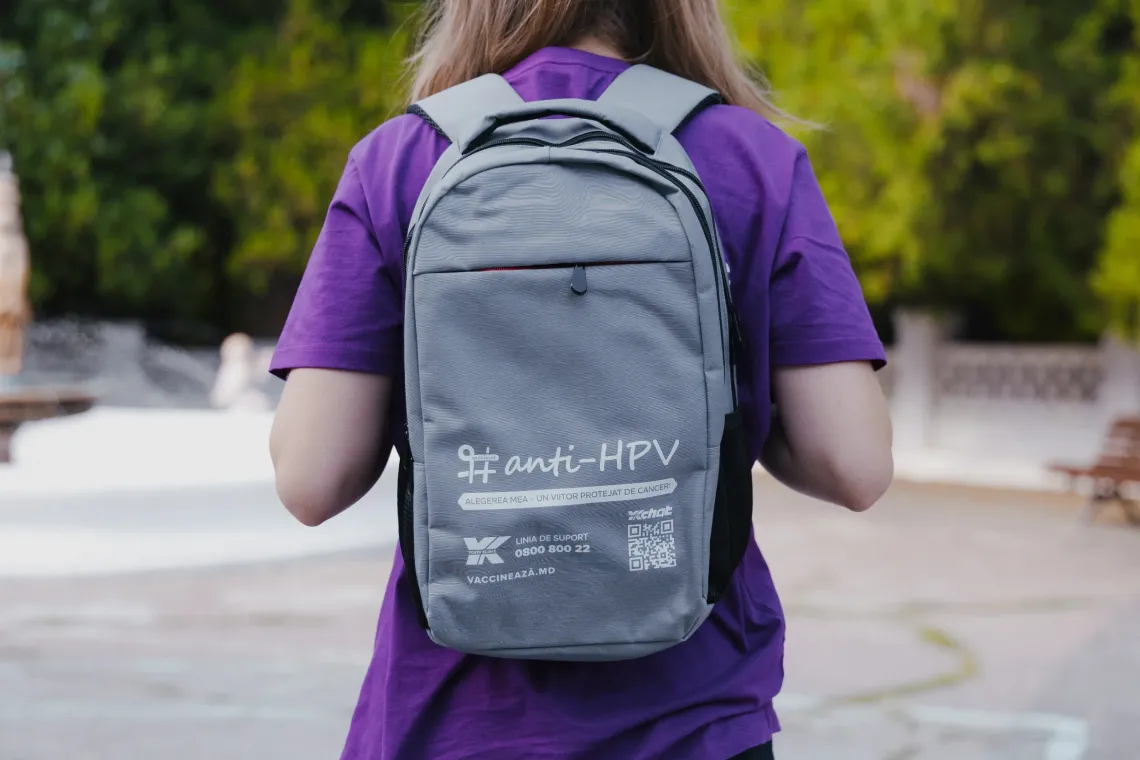
With the start of the new school year, the young people have returned to their schools and communities ready to put what they learned into practice. Roman wants to begin at his own school.
„“I want to organize activities with students and talk to them about HPV vaccination because I think it is a very interesting and relevant topic.”
Vlad also wants to share the methods he learned.
“I plan to use the information and methods I learned at the camp in activities I organize in my class and at my high school. I’d also like us to reach other schools in the town.”
Victoria, who is also a local councillor, sees several spaces where she can continue these conversations: her school, Youth Klinic and youth activities organized in her community.
Dumitrița wants to combine face-to-face activities with online engagement.
“Because I’m very active on social media, I’d also like to run online campaigns to inform young people and help them learn more about these topics.”
Their plans may differ, but they all start from the same idea: information does not stop with the volunteer who attended the training.
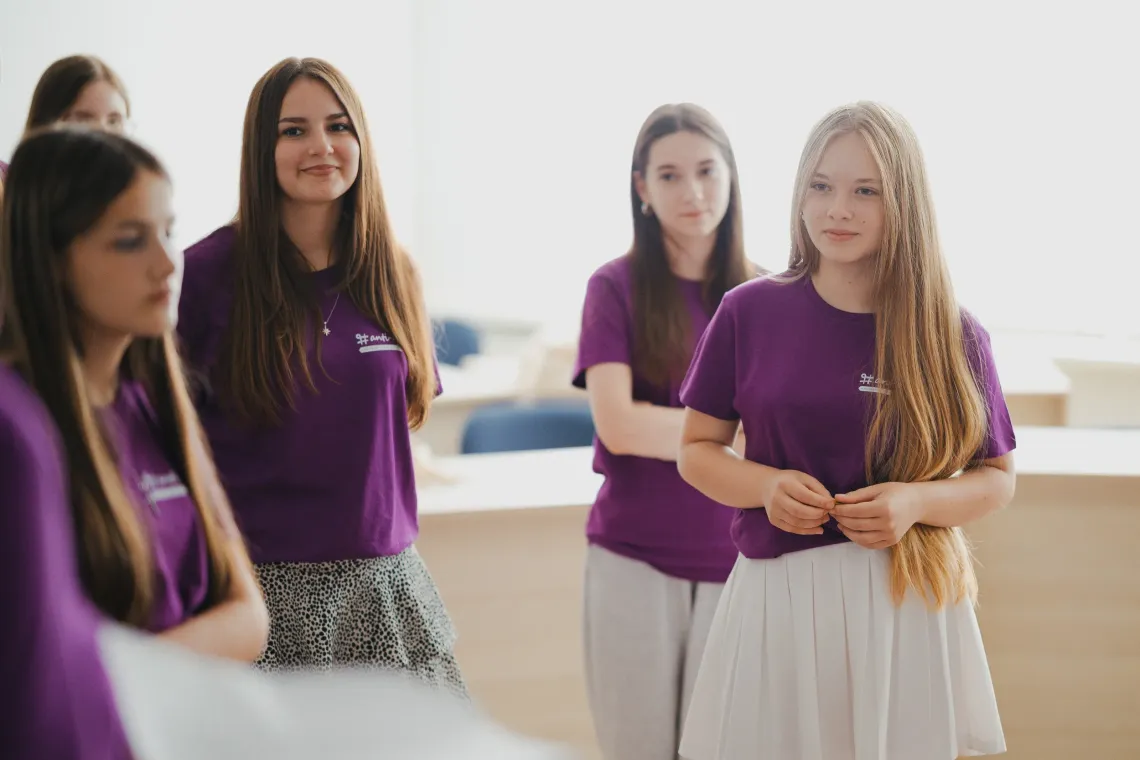
“Young people have the power to change things, and volunteering really does change lives,” says Dumitrița.
From Leova to Florești, from Anenii Noi to Căușeni and Orhei, these five young people are returning to their communities not only with new knowledge, but also with the tools and confidence to turn that knowledge into conversations.
And from there, the domino effect can continue.
You can be part of the change too
A new school year also brings new opportunities to get involved. If you are an adolescent or young person who would like to meet new people, learn more about health, develop new skills, and share what you learn with your peers, you can become part of the Youth Klinic volunteer community. Explore the online resources and find out how you can get involved.