From the audience, on the stage of the forum theater, then in their own schools
Students and teachers learn to apply participatory methods to prevent bullying, discrimination and exclusion

During a physical education class, Patricia noticed how a new classmate was mocked for a few mispronounced words in Romanian. The boy had come from abroad, spoke English very well, and was learning Romanian, trying to adapt to the new class and the school community. For some colleagues, however, his efforts had become an occasion for irony.
"I told my colleague who was mocking him that he wouldn't like to be treated like this if he were in the same situation," says Patricia, a student at the Molești Theoretical High School. Instead of remaining a witness to what was happening, she chose to intervene and support her colleague.
A forum theater performance had previously been presented in Patricia's school. Situations of bullying, discrimination, and exclusion were brought to the stage, and the students were invited to analyze them and propose solutions. Such discussions help children to recognize unfair behaviors more easily and to understand that witnesses can also contribute to changing a situation.
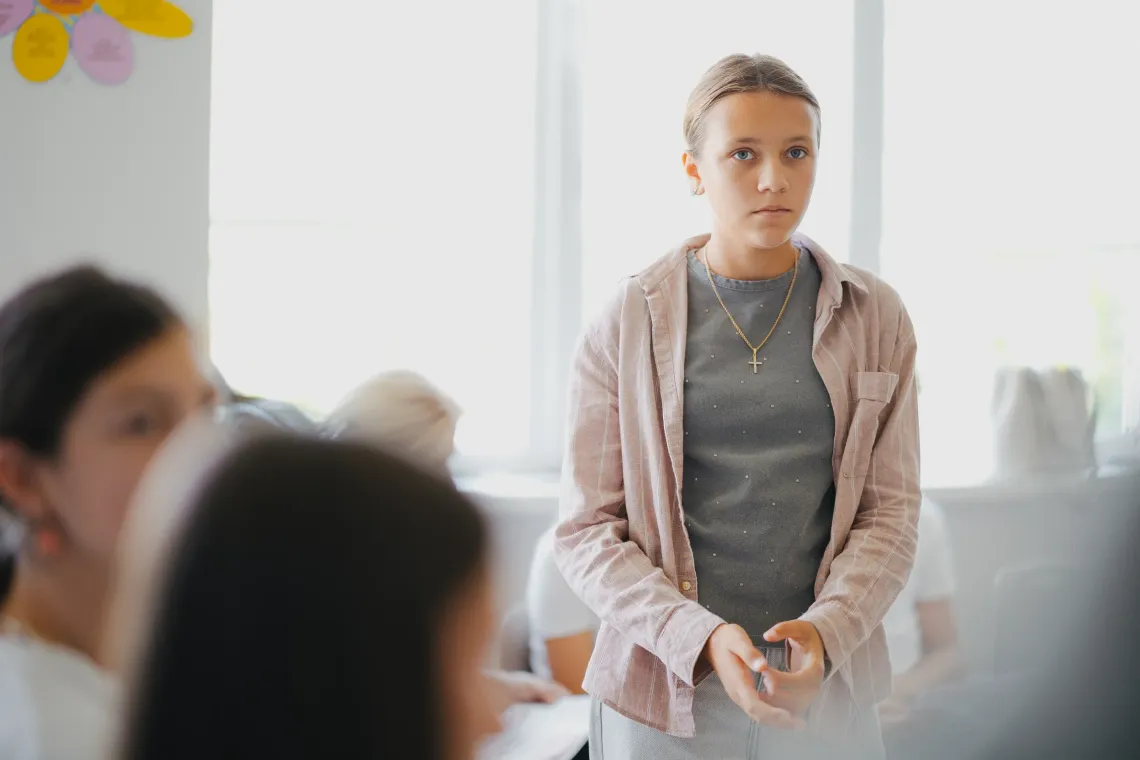
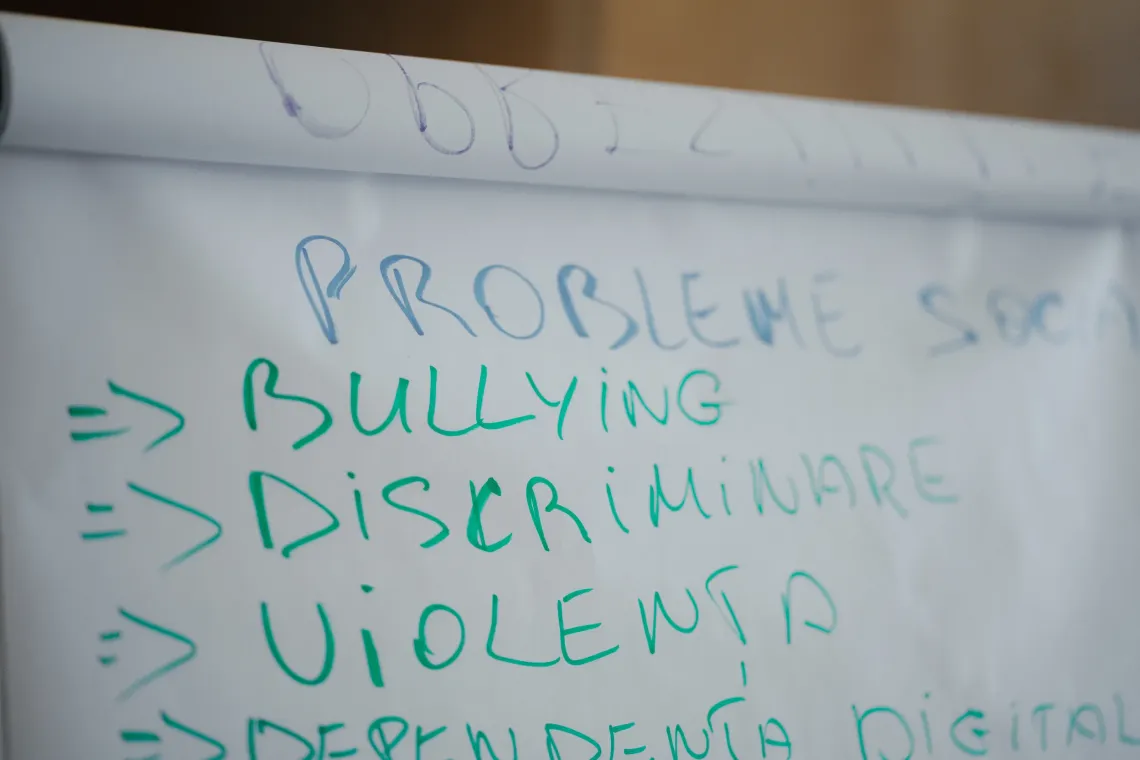
In July, Patricia took the next step and participated in the training of trainers organized at the "Grigore Vieru" Gymnasium in Ialoveni. Together with students from other institutions, librarians, and teachers, she deepened the themes addressed in the show and practiced methods that she will later be able to apply in activities with her own colleagues.
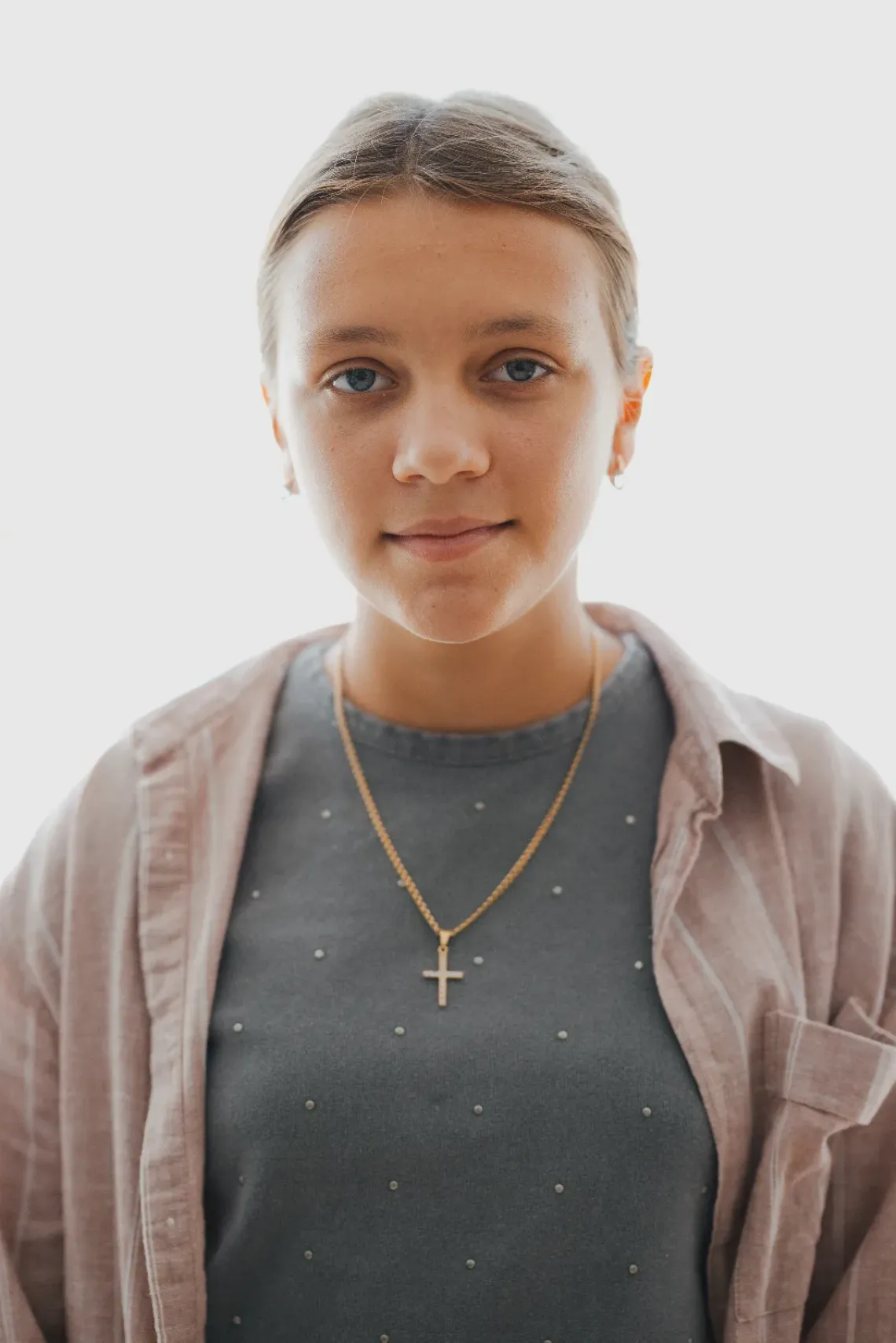
"We come to school not only to learn, but also to make friends and feel accepted," says Patricia. "During the training, I learned that when I notice a student who is bullied or excluded from a group, it is important to intervene and support him. “I felt empowered and happy that I was able to speak out without fear of being judged."
For Alexandru, a seventh-grade student at “Ion Pelivan” Theoretical High School and a member of the Student Council, the topics discussed during the training have a personal significance.
“When I was younger, I was also victim of bullying. Some children older than me would pick on me. That’s why, during the workshop, I recognized myself in some of the situations described by the trainers or participants from other schools,” he says.
Alexandru plans to talk to his peers about bullying and discrimination, including the less visible forms of exclusion.
“I don’t like it when some teachers favor students who learn better and leave out those who have a harder time understanding the material. I think this, too, can be a form of exclusion. At my school, I’d like to talk to my students and colleagues and explain to them what they should do when they face situations like this,” adds Alexandru.

Peer-to-Peer trainers
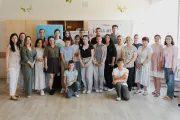
Patricia and Alexandru are among the 64 students who, along with 31 specialists from 27 educational institutions across the country, participated this summer in five training sessions held in Ștefan Vodă, Chișinău, Sîngerei, Ungheni, and Ialoveni.
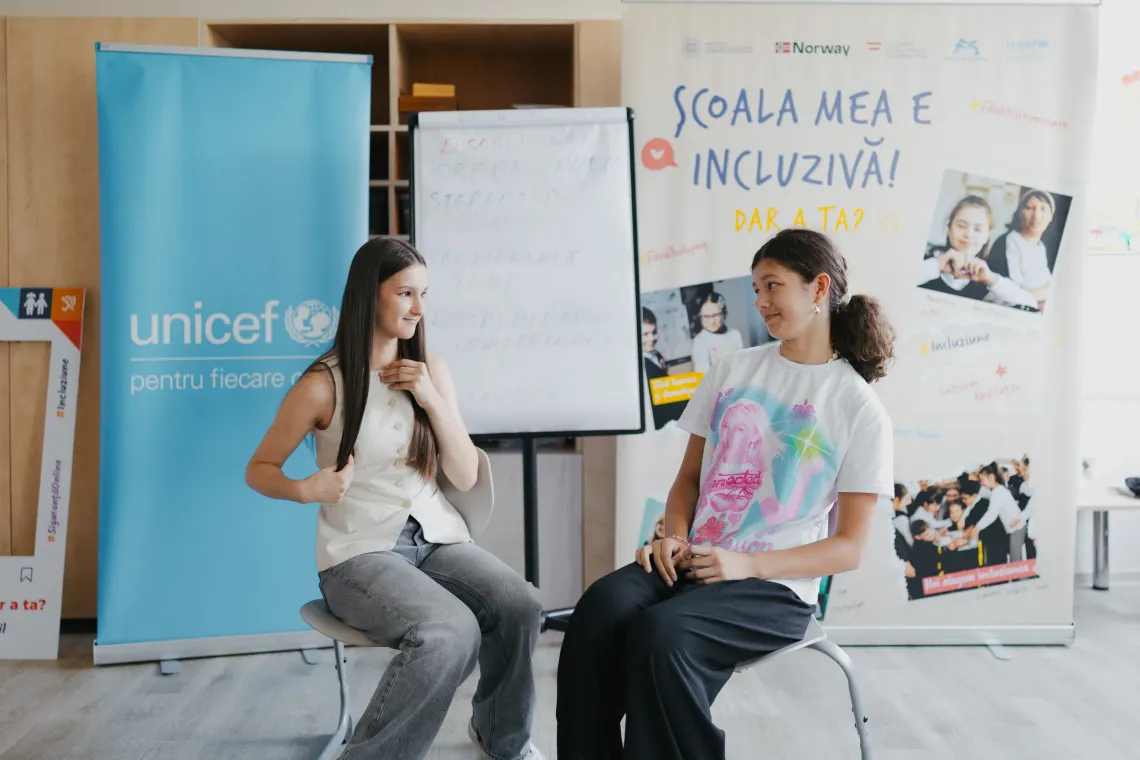
The training sessions are conducted by the “Dialog Alternativ” Association as part of UNICEF’s “Learning Together” campaign, which is dedicated to social and behavioral change to promote the educational inclusion of children with disabilities and special educational needs, with financial support from the Governments of Norway and Austria.
Коммуникационная кампания, направленная на изменение поведения и социальных отношений в сфере инклюзивного образования детей с ограниченными возможностями, «Учимся вместе», проводится ЮНИСЕФ, Министерством образования и науки и Республиканским центром психопедагогической помощи. Инициативы также способствуют реализации Национальной программы по продвижению инклюзивного образования на 2023–2027 годы.
Коммуникационная кампания основана на позитивном подходе: она пропагандирует положительные модели и практики инклюзивного образования, а также демонстрирует образцы поведения для различных социальных субъектов (педагогов, родителей, детей) с целью содействия и поддержки инклюзии детей с инвалидностью и особыми образовательными потребностями.
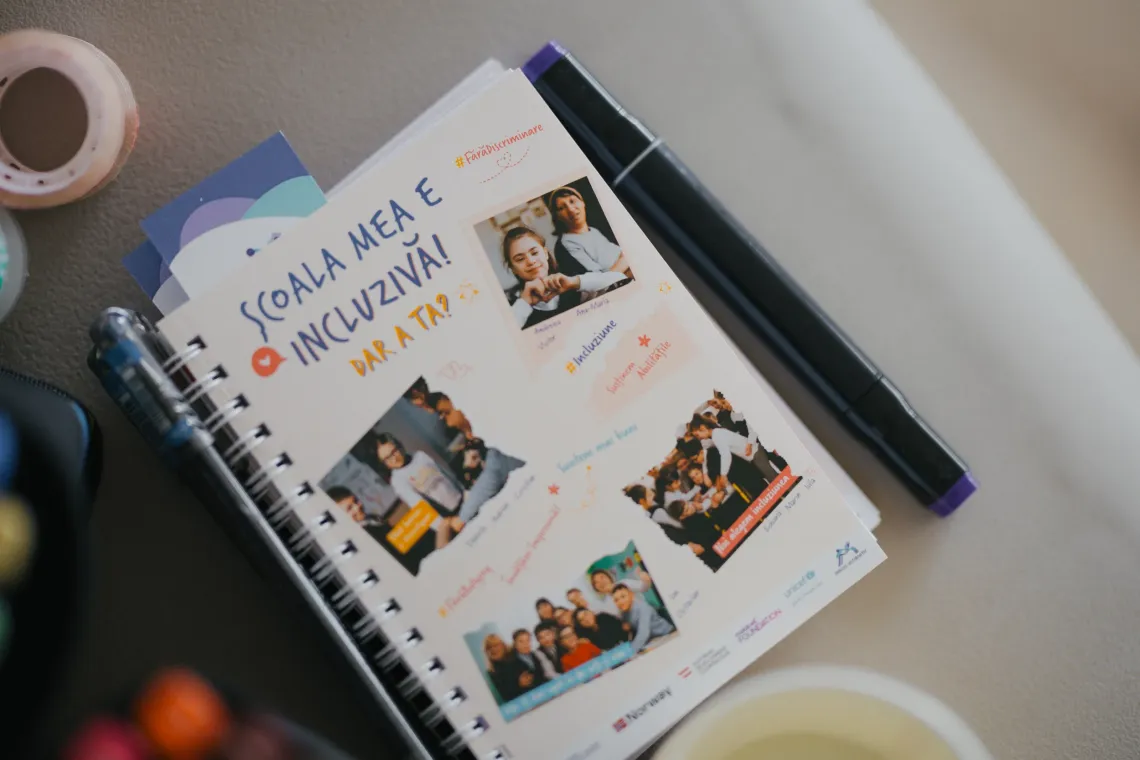
All training participants come from schools where forum theater performances have previously been staged. After watching the scenarios presented on stage, analyzing them, and helping to identify solutions, the students are now preparing to carry these conversations forward in their own classrooms and school communities.
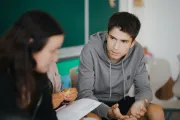
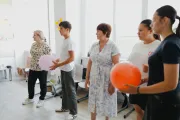
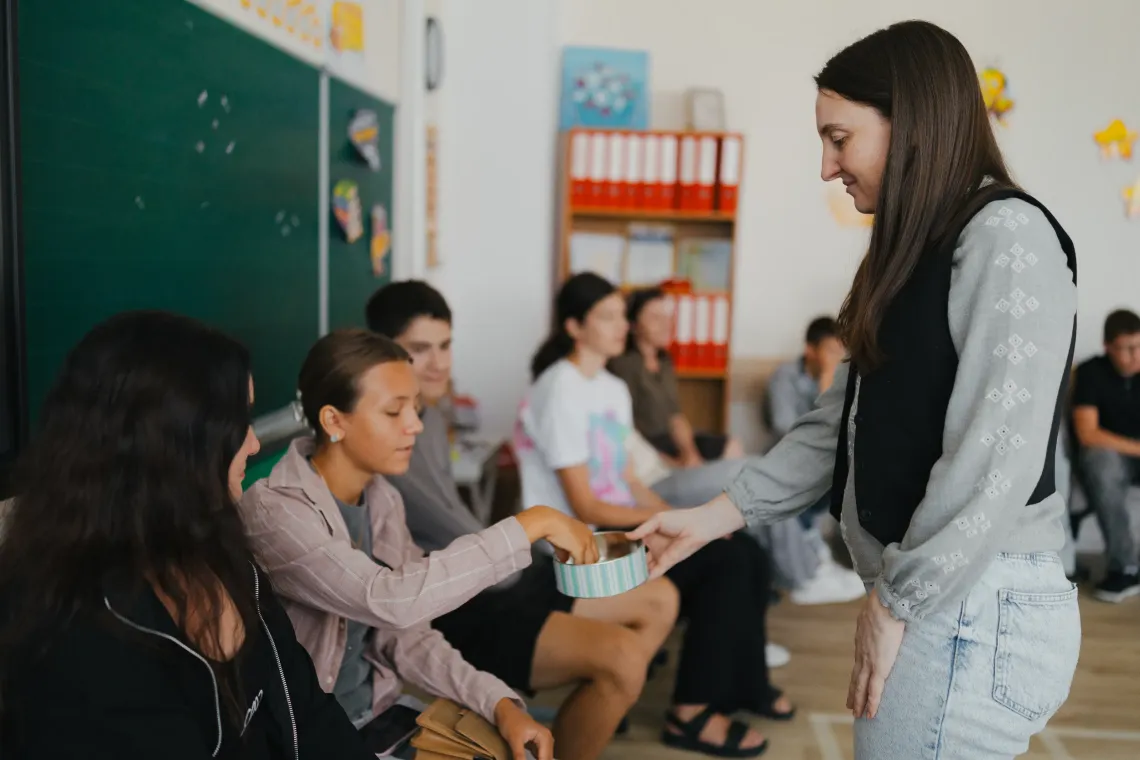
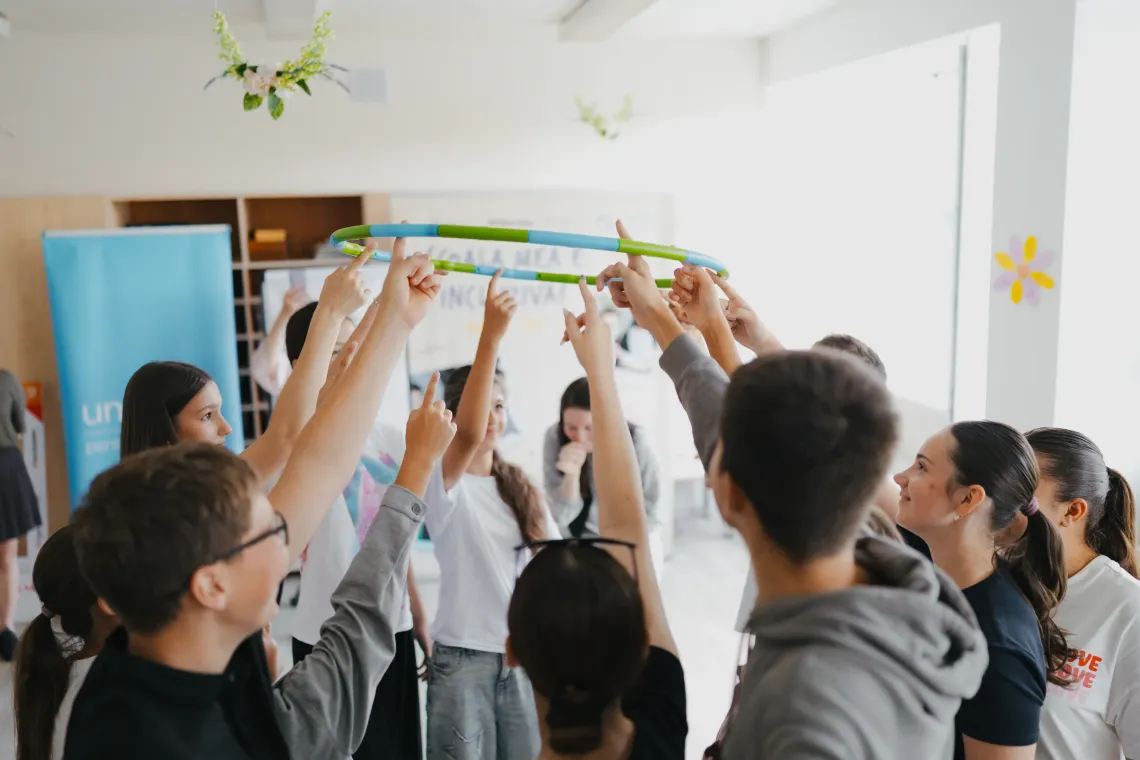
During the two-day training, participants addressed topics such as bullying, discrimination, violence, and exclusion, and practiced participatory methods that they will apply in activities with their peers. The students will serve as facilitators, and librarians, teachers, psychologists, and members of the administrative teams will support them in preparing and conducting the sessions.

Maria Moisei, deputy director at the “Grigore Vieru” Gymnasium in Ialoveni and coordinator of the Student Council, participated in the workshop alongside two students from the school. By the end of the first day, they were already discussing how the methods they had learned could be applied in different classrooms.
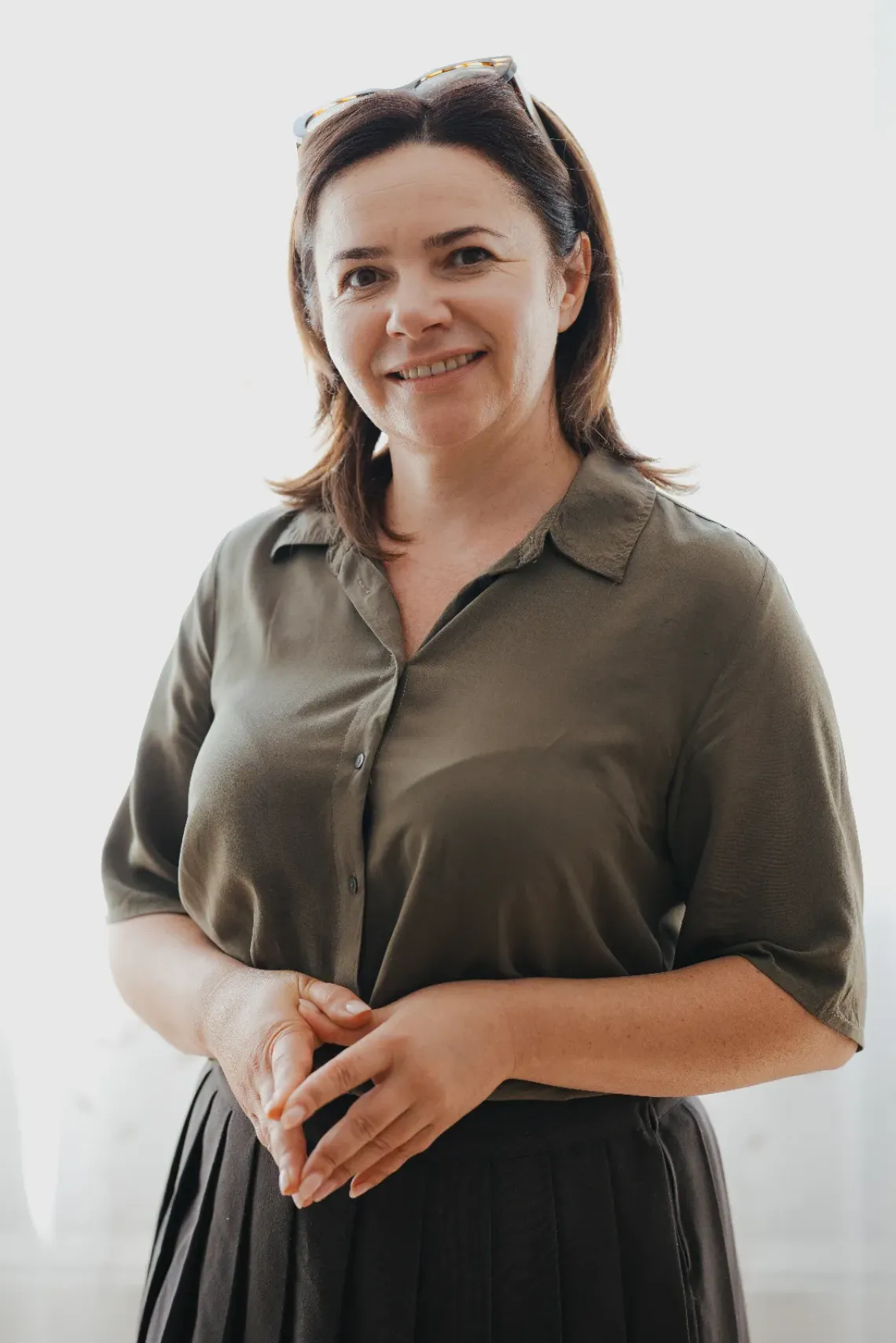
“When students are directly involved, the impact of forum theater is much stronger than that of a purely theoretical presentation,” says Maria Moisei. “These activities shouldn’t be limited to just a few thematic days. They can be integrated into extracurricular activities, involve all children, and encourage inclusion, respect, and mutual understanding.”
Several Roma children attend the “Grigore Vieru” Middle School. Although the school has not faced any instances of discrimination based on their ethnicity, Maria believes it is important to constantly foster a dialogue about inclusion, respect, and mutual understanding.
Viewers can change the course of the story
Forum theater begins with situations that reflect children’s real-life experiences: a student is excluded from a group, mocked, harassed, or bullied. However, the scene does not offer a predetermined solution. After the first performance, participants analyze what happened, discuss the relationships between the characters, and identify people who could intervene.
The play is then performed again, and the audience members can take on one of the roles and try out a different reaction. They don’t just say what should be done; they try to change the situation and observe how the other characters respond. Some solutions work, while others need to be revised or complemented by involving a teacher, a parent, the school psychologist, or another reliable adult.
“As Augusto Boal, the founder of forum theater, said, this is a rehearsal of reality. We show them reality on stage, and then they take the stage and test out solutions that might help them,” explains Lina Malcoci, a forum theater trainer and co-founder of the “Dialog Alternativ” Association.
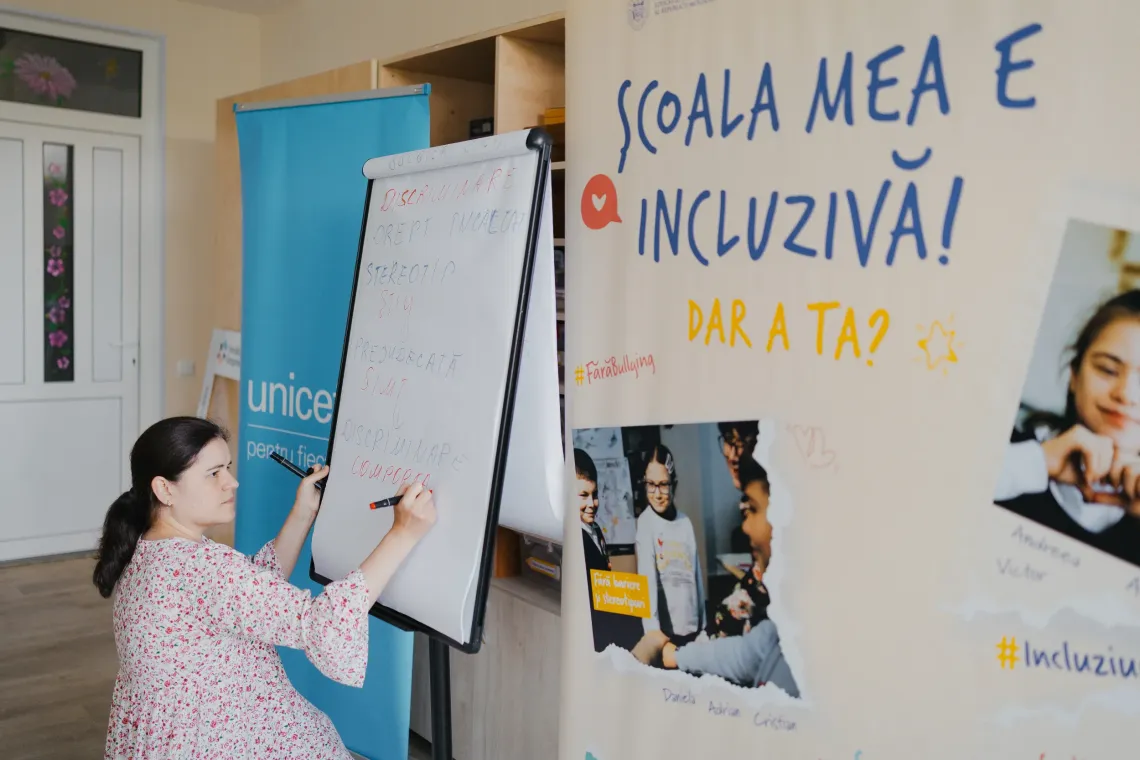
This method thus changes the traditional role of the audience. Children are no longer just recipients of messages about bullying or discrimination, but active participants who can analyze, ask questions, and propose solutions.
“In forum theater performances, the actors are students the same age as the audience. When information comes from student to student, it is absorbed and understood differently than when a teacher comes to speak to them,” adds Doina Cuțulab, a trainer and co-founder of the “Dialog Alternativ” Association.
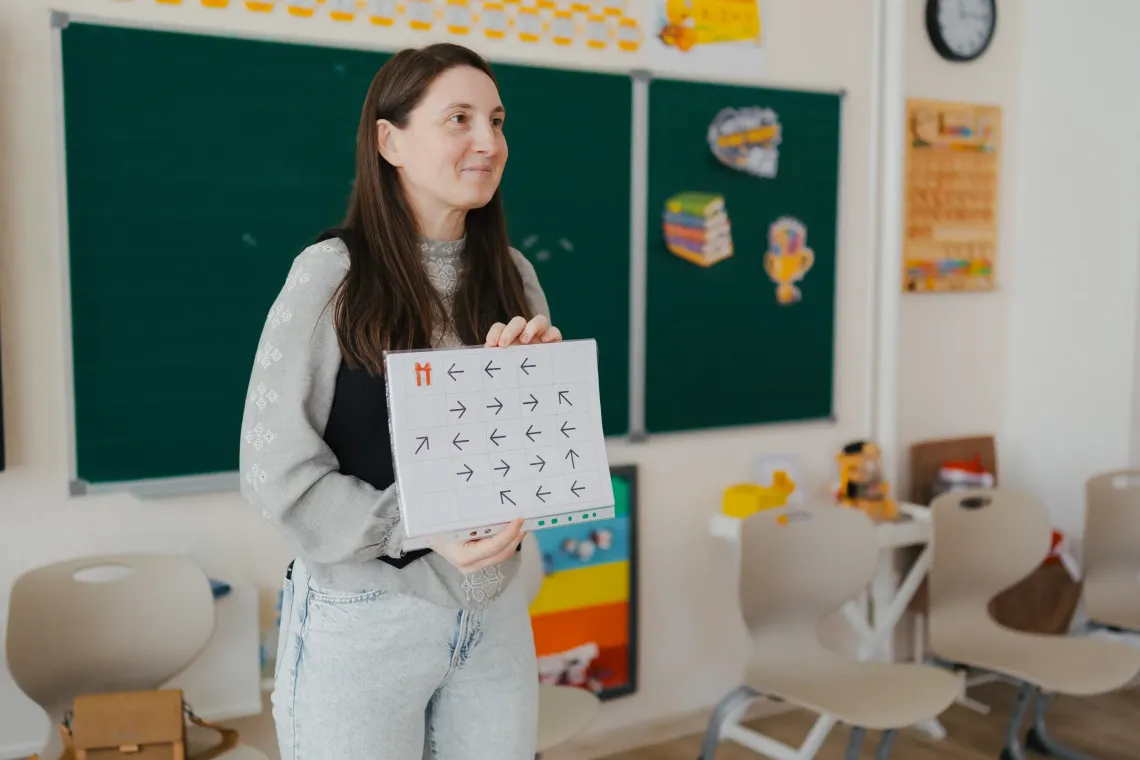
Within their own schools, students will be able to organize sessions in classrooms, libraries, through Student Councils, or as part of extracurricular activities. Adults will help them prepare for the sessions, collaborate with class teachers, and handle any sensitive discussions that may arise.
Their role is also crucial for the initiative’s continuity. Many of the trained students are in 7th and 8th grade and will graduate in the coming years. Librarians and teachers will be able to preserve the methods and guidelines and will support the training of future generations of student facilitators.
Olga Diaconu, a librarian at “Petru Ștefănucă” Theoretical High School, participated in the training alongside students from the school and plans to organize activities in the school library.
“My work is quite unique. It’s not just about books, manuals, and other materials. Activities like these - which focus on combating bullying, violence, and discrimination - are always part of a librarian’s work. When children come to the library after school, if I notice that something isn’t right, I intervene promptly.
In addition, when we organize various activities, we try to involve the children from the inclusive education program as well. We have a period dedicated to inclusion, and we always invite them to the library. We set up book exhibits for them, discuss various topics with them, and involve each of them as much as possible. Children need to be encouraged in areas where they can express themselves, where they can show: ‘I can do it, too. I’m just like the other children.’ This is very important for them,” noted Olga Diaconu.
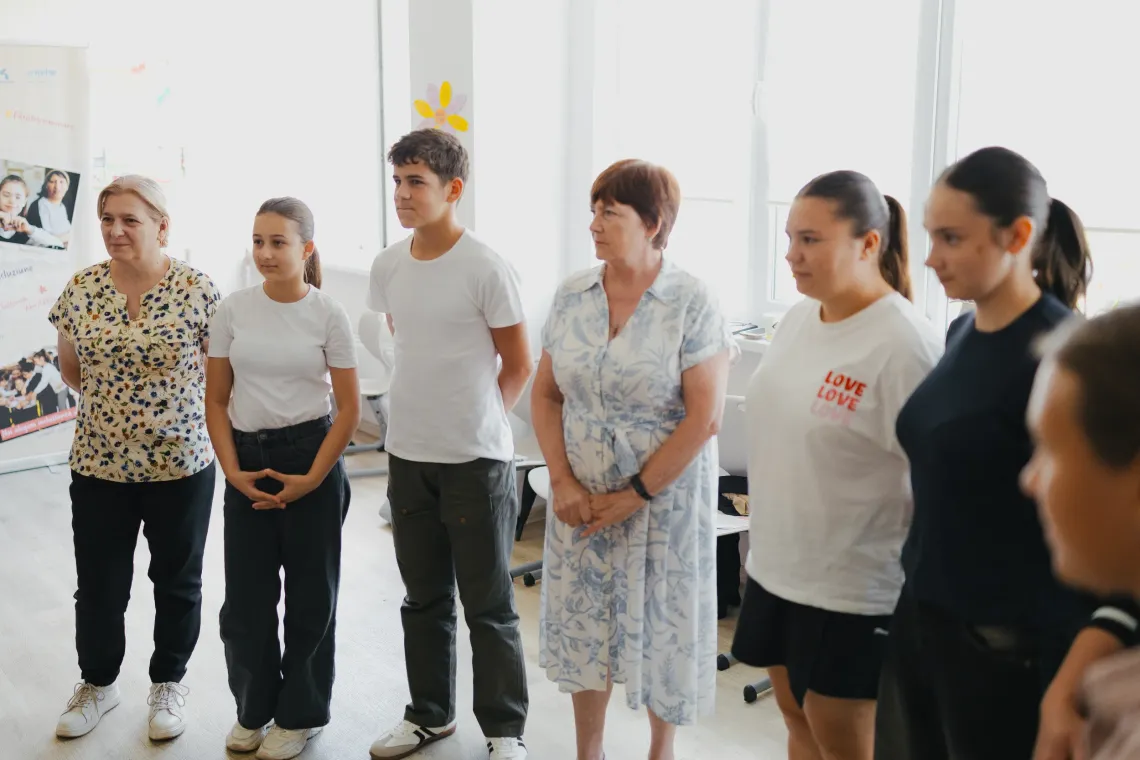
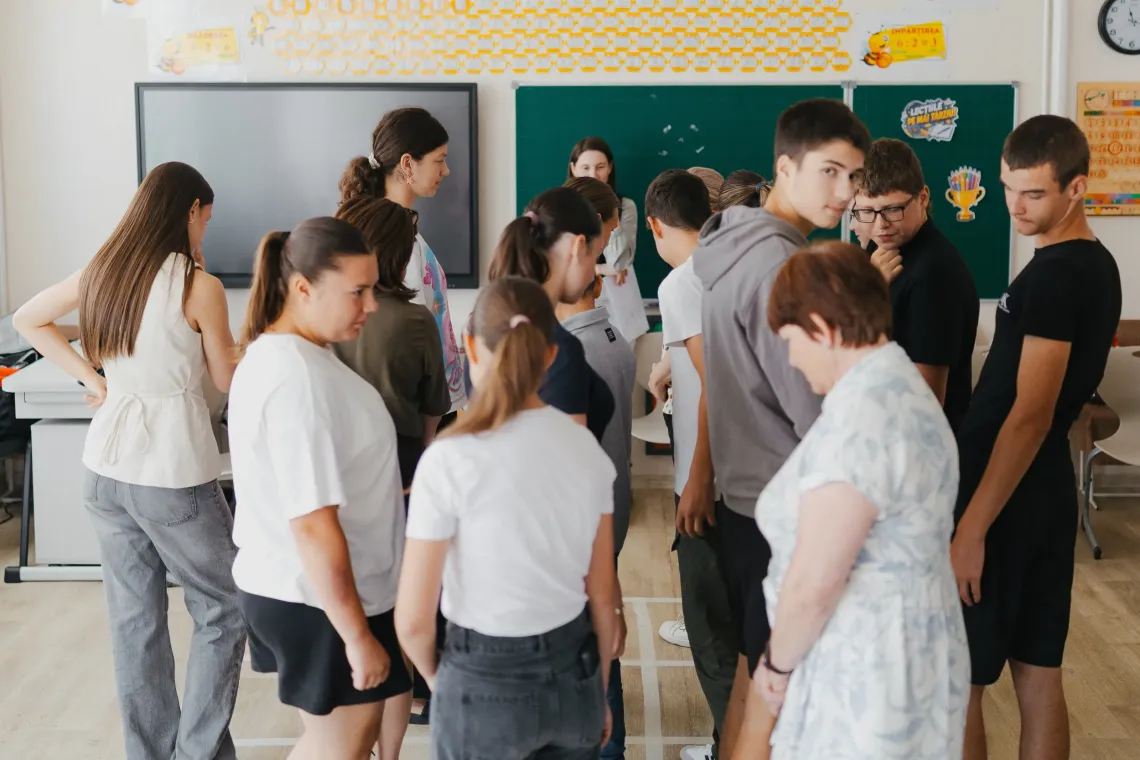
She plans to organize activities with the students and support them in spreading the messages.
“Together with the girls from our high school, with whom I participated today, we will talk with the members of the Student Council and try to organize such activities,” the librarian added.
“Some librarians also teach civics or personal development. However, the relationship between students and the librarian is different from that with a teacher. The teacher has their own teaching style, while the librarian has a different kind of relationship with the students,” explained Doina Cuțulab.
From understanding the phenomena to having the confidence to act
The trainer-of-trainers programs are part of an initiative that, in 2025 and 2026, reached more than 11,000 children and adolescents across the country, including approximately 700 children with disabilities and 950 refugee children. During this period, more than 90 performances and forum theater activities were organized in 91 educational institutions, camps, and other educational venues across the Republic of Moldova, with over 700 teachers participating.
Surveys completed before and after the performances held in 2026 indicate significant changes in how participants understand disability, discrimination, and bullying. Before the sessions, only 23.1% of respondents correctly understood that disability should not be confused with an illness. After the activity, this percentage rose to 92%. At the same time, the proportion of participants who acknowledged that students with special educational needs are capable of learning increased from 57.2% to 92.1%.
The results also indicate an increase in confidence to take action. Half of the participants stated before the performances that they felt capable of intervening when a classmate was being bullied; afterward, this proportion rose from 49.9% to 89.2%, and 9 out of 10 students knew how to ask an adult for help, compared to 5 out of 10 before the sessions.
After the sessions, over 95% of respondents said they had learned new things and found the activity useful and educational, and nearly 88% said they felt more confident about intervening when they witness bullying or discrimination.
No child should be left alone
In forum theater, a scene can be replayed until the participants find a better solution. In real life, children cannot always go back to the beginning of a situation. However, they can learn to recognize injustice, intervene thoughtfully, and seek an adult’s support.
Through trainer workshops and forum theater performances, the experience on stage continues in classrooms, libraries, and in students’ everyday interactions. Every child who finds the courage to stand up for a classmate can help build a school where no one is left alone.
“The most important thing for us is that no child is left alone, feels unsafe, or lacks a place where they feel protected. We want them to have friends and to have a tool they can use to find a solution to a problem that affects them,” says Lina Malcoci.
And a message the team received at the end of one of the sessions perhaps best captures the meaning of these activities:
“Thank you for making me feel safe during this activity.”