At Samuel’s pace: the right support at the right time
At the Institute of Mother and Child, new assessment tools procured with UNICEF support are strengthening early childhood intervention for children across the country

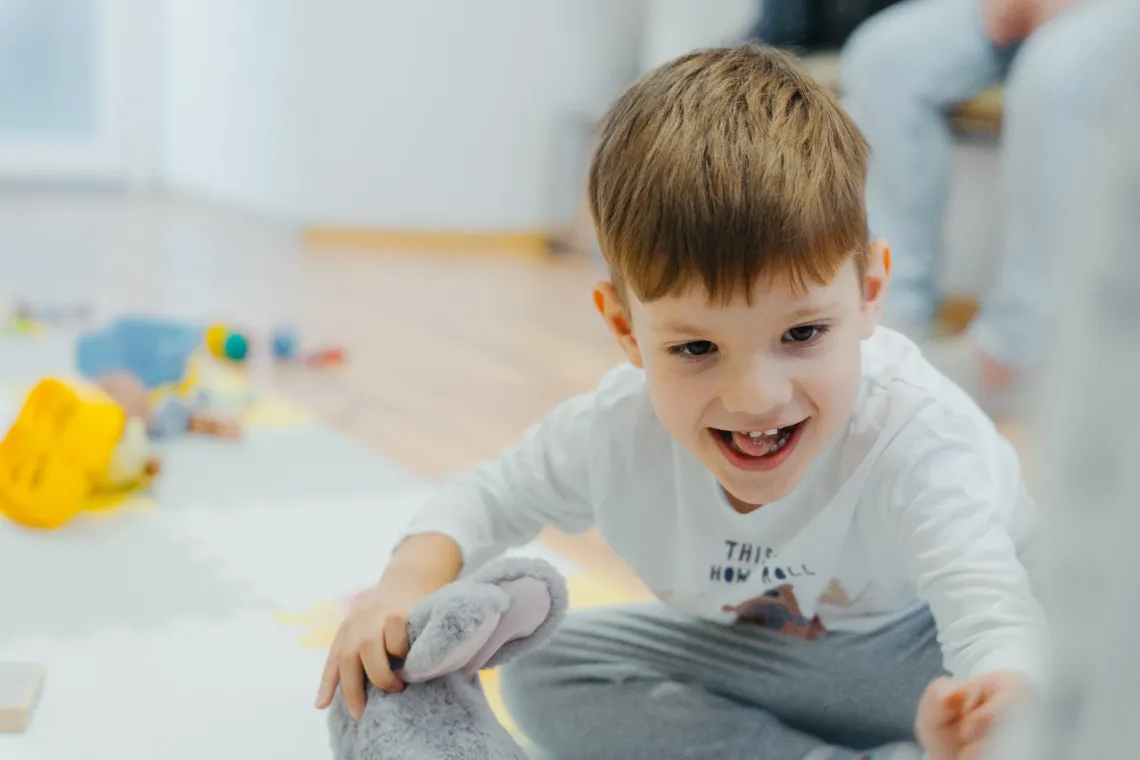
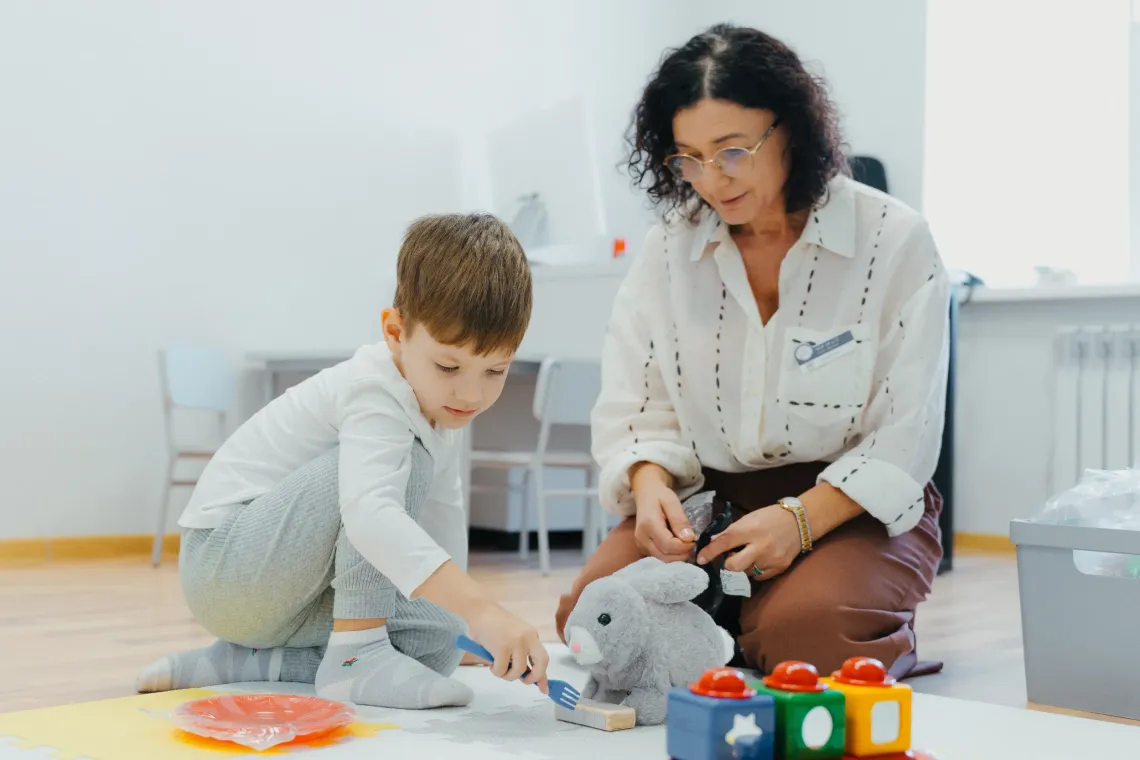
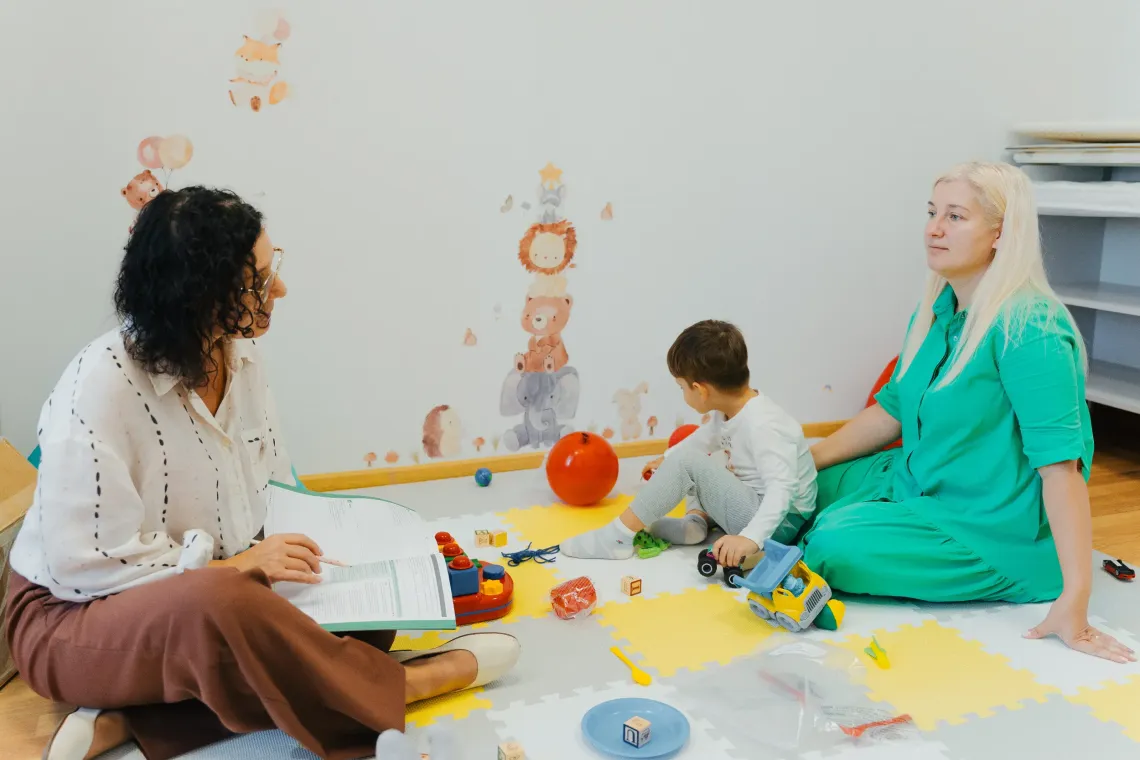
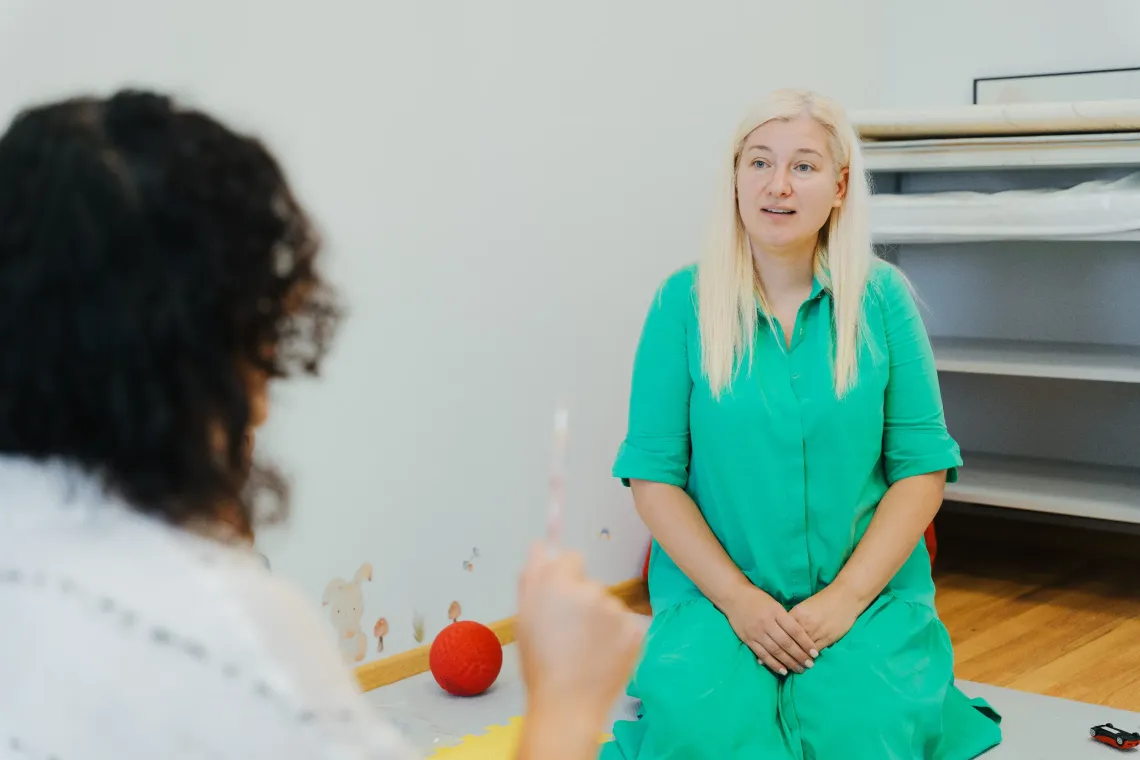
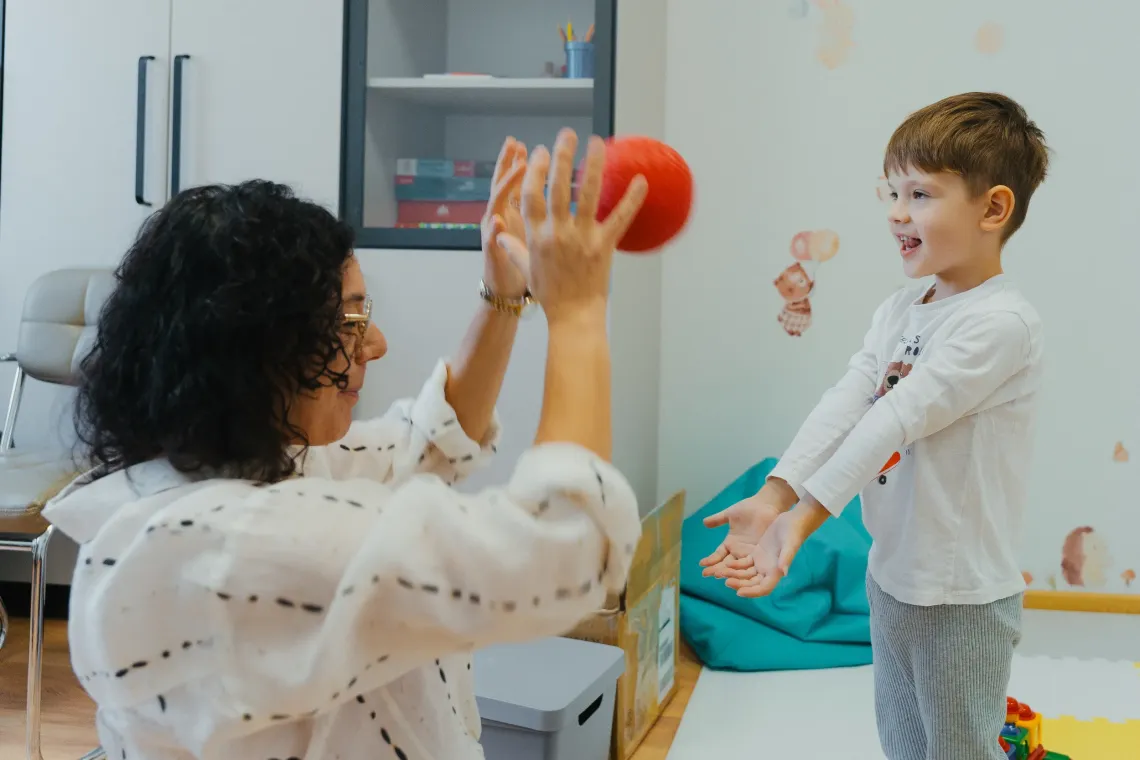
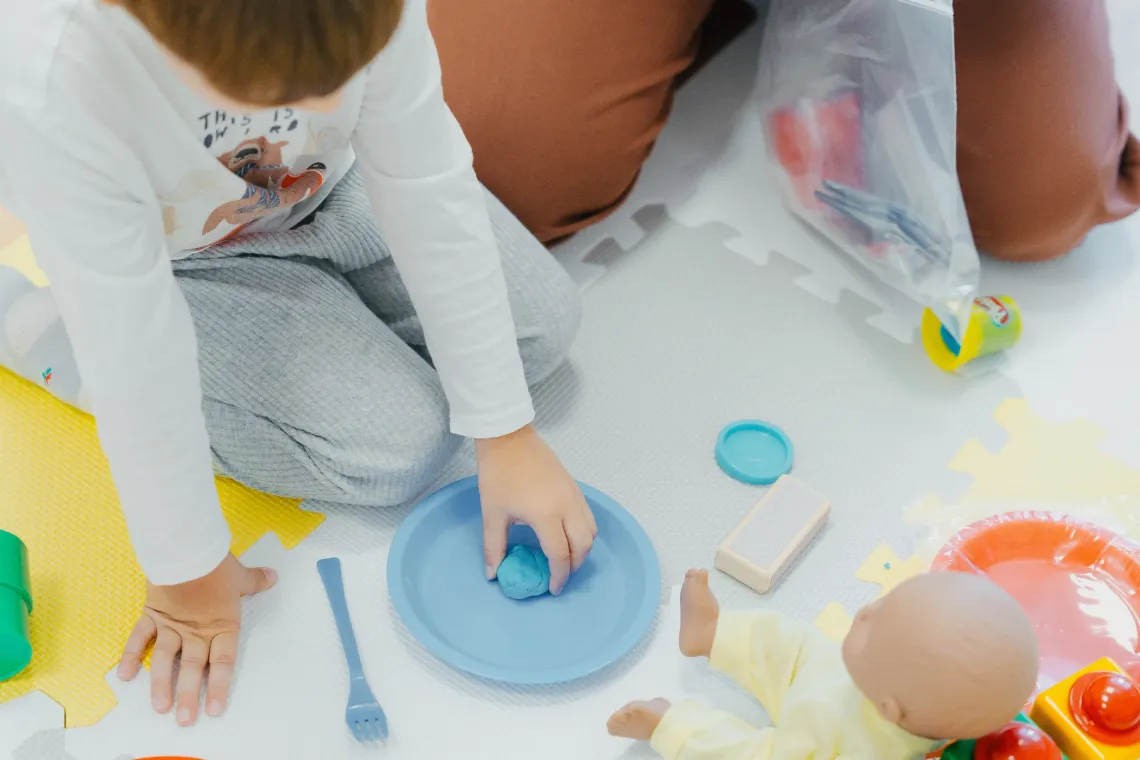
In one of the rooms at the Early Childhood Intervention Centre at the Institute of Mother and Child in Chișinău, Samuel moves from one activity to another. Different toys and objects are placed in front of him, one by one. Some immediately catch his attention; others take him a little longer. Mariana Calac, Head of the Centre, watches him carefully and takes notes, while his father closely follows each of his reactions.
Samuel is four and a half years old and is the first child to be assessed at the Institute of Mother and Child using ADOS-2 – one of two new standardized assessment tools provided to the Centre with UNICEF support. ADOS-2 is internationally recognized as one of the leading assessment tools used when autism spectrum disorder is suspected.
For Samuel’s mother, however, this day is not about a test or a label. It is about a question she has been asking for almost two years: “What do we do next?”
“I wouldn’t say I have great expectations of the test or of therapy. My expectations are of myself. Whatever this assessment tells us, to me it is a characteristic of my child at this stage of his life. It doesn’t mean we put a full stop there and that everything is over. I look at where things are more difficult for him, and that is where we work. Six months later, we come back and see what has changed. Because he continues to develop,” says Constanța, Samuel’s mother.
The small things that began to matter
The journey that brought them into that room, however, began much earlier.
Samuel was a long-awaited child. For seven years, his parents had hoped to have a baby. When he was born, they noticed nothing out of the ordinary. Samuel grew, played, and his development seemed typical.
The first questions began to arise when he was around one and a half years old. He was a very quiet child. He seemed somewhat withdrawn, and the world around him did not always spark the same curiosity his mother noticed in other children. When other children saw something interesting, they would point to draw their parents’ attention to it. Samuel did not. Later, his mother also noticed that he used very few words.
At first, his parents found simple explanations. Maybe he was simply quieter. Maybe he took after his father, who was more introverted. Maybe they just needed to give him more time. But by the time Samuel was two and a half, his mother felt she no longer wanted to wait.
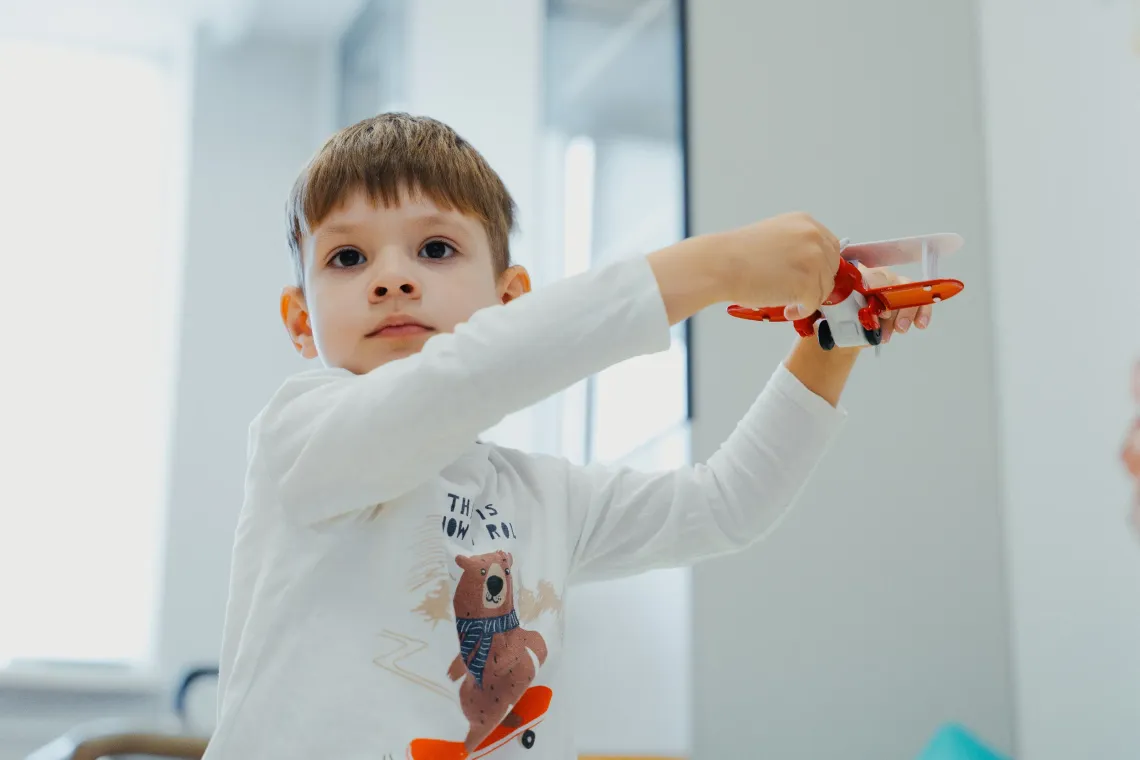
“I would look at other children his age. Physically, it seemed that he could do many of the same things, but there was still a difference. I could see it. I could feel it. When I spoke openly with his nursery teachers, they also said that perhaps we should look into it. And that is when we started searching for answers,” Samuel’s mother recalls.
The first conversations took place at the family doctor’s office, where the parents were encouraged to consult specialists, including a neurologist.
“Our family doctor told me that, as his mother, because I observe him every day in his normal home environment, I know him better. A doctor cannot see all these things during a 10- or 15-minute consultation,” Constanța remembers.
A consultation with a neurologist followed, and then early childhood intervention services. For Constanța, it was an entirely unfamiliar world.
“I didn’t even know services like this existed. I had heard about autism and Down syndrome, but I didn’t know what it meant for a child to have a developmental delay. My first reaction was panic. I didn’t know what would happen next or what I was supposed to do. But then it was explained to me that we needed to work with our child. And that is how our journey began.”
Support closer to home
For a family, early childhood intervention should not begin with a long journey to Chișinău. In an increasing number of districts, support can now be found closer to home.
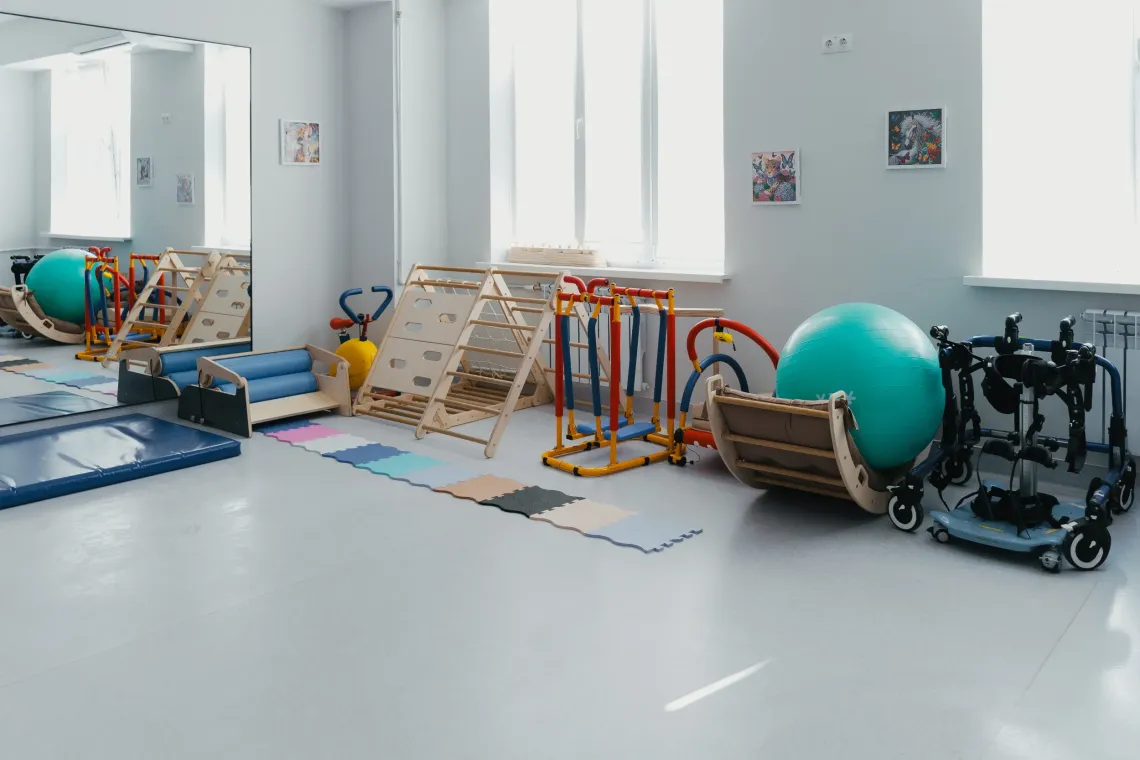
Today, 16 early childhood intervention centres operate across the country. These services support young children with developmental disorders, disabilities or those at risk of developing them, as well as their families. Their teams can assess and monitor a child’s development, provide therapy and counselling and, importantly, help parents understand how they can continue supporting their child at home.
In recent years, UNICEF, together with international partners, the Ministry of Health, local authorities and partner organizations, has contributed to expanding this network. With UNICEF and partner support, over the past three years early childhood intervention centres have been opened, equipped or strengthened in Cantemir, Cimișlia, Strășeni, Fălești, Chișinău, Edineț and Anenii Noi. In Cimișlia and Fălești, child development rooms have also been established in rural communities, bringing initial assessments and support closer to families, as not every family is able to travel to the capital for consultations and procedures.
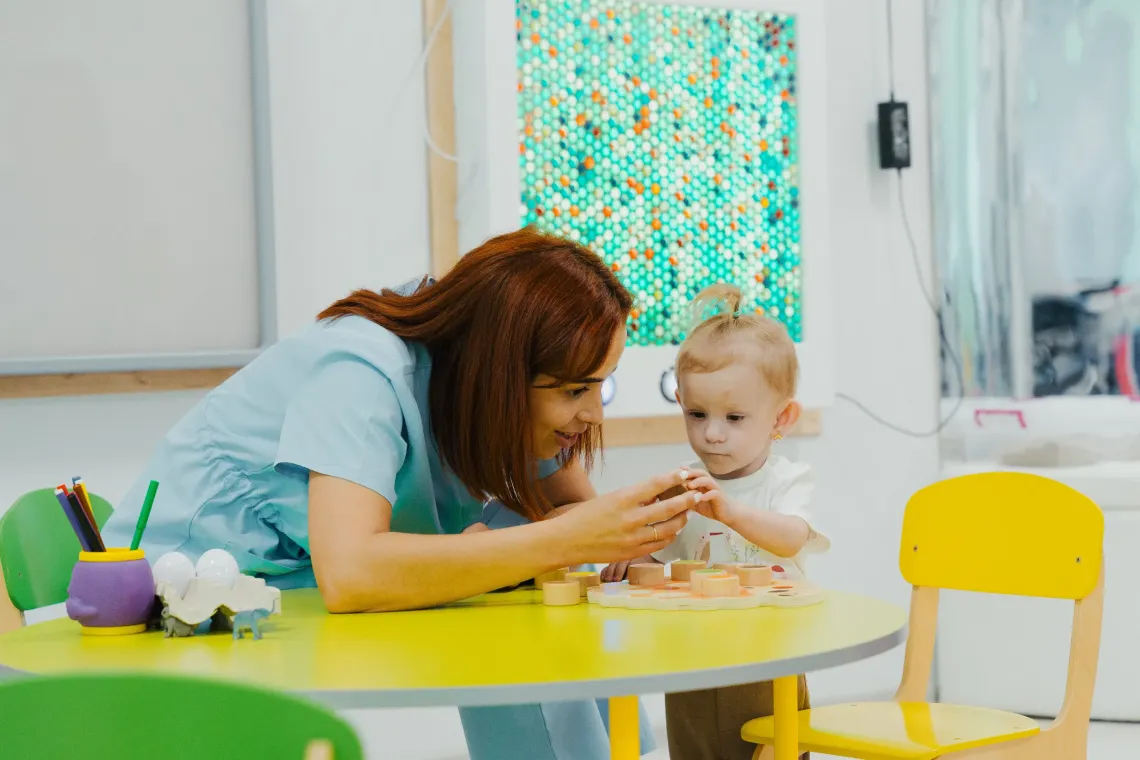
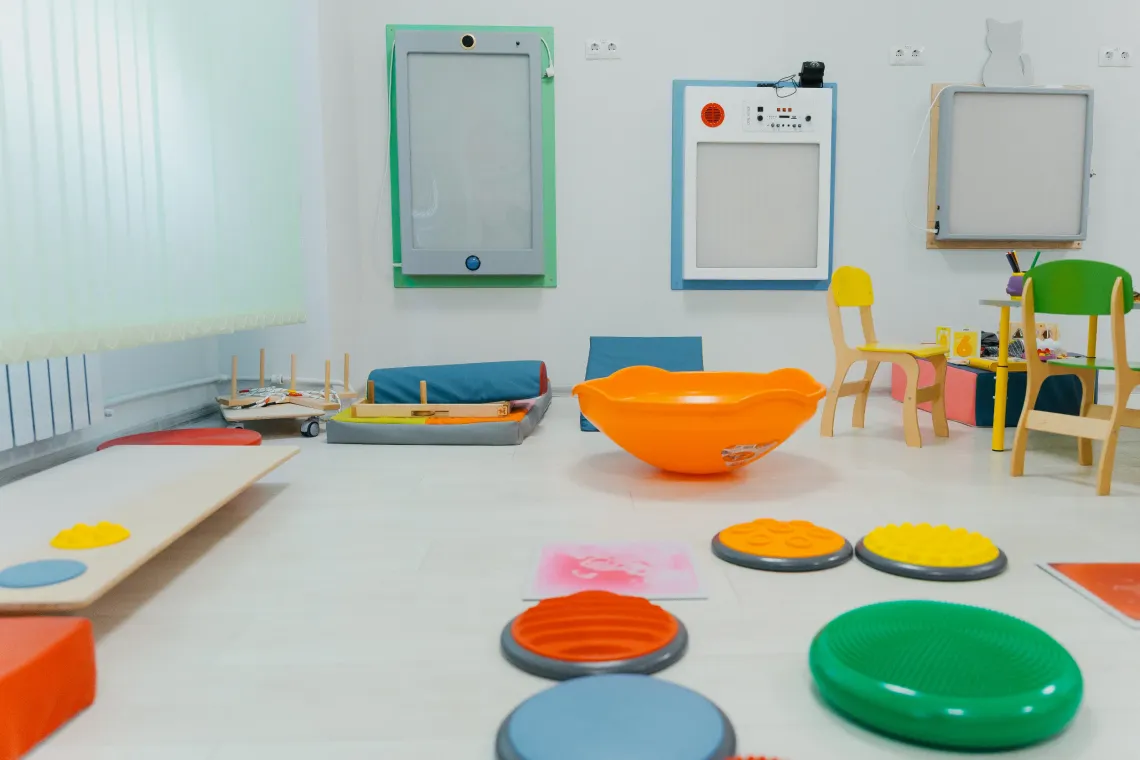
In many districts, children can now be assessed and supported close to home by a team working together with their family. When a situation is more complex or additional assessments are required, the child can be referred to a specialized service such as the Early Childhood Intervention Centre at the Institute of Mother and Child (IMC). The Centre also provides physiotherapy, speech and language therapy, occupational therapy and psychological counselling, as well as support in developing an individual intervention plan.
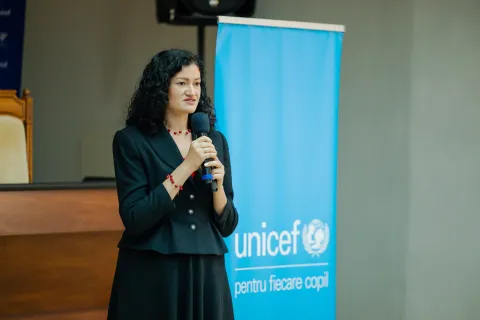
“Early childhood intervention works best when support is available as close as possible to the child and family. Expanding services in the districts means that parents can receive guidance sooner and children can benefit from intervention during a crucial period of their development. At the same time, it is important to have a referral-level service capable of managing more complex cases. By strengthening the Centre at the Institute of Mother and Child and equipping it with standardized assessment tools, we are working to connect these two levels of support,” says Angela Capcelea, Health Specialist at UNICEF Moldova.
Parents learn alongside their children and specialists
Over the next almost two years, Samuel’s home gradually filled with games, learning materials, and activities. Some days are devoted to colours, numbers, or matching exercises. On others, Samuel takes part in movement and sensory stimulation activities. If he is tired or not in the mood on a particular day, his parents change the plan and choose something simpler.
The family’s week has developed its own rhythm, built around the things Samuel learns little by little. But one of the most important lessons, his mother says, was understanding that early childhood intervention is not only about what a specialist does with a child.
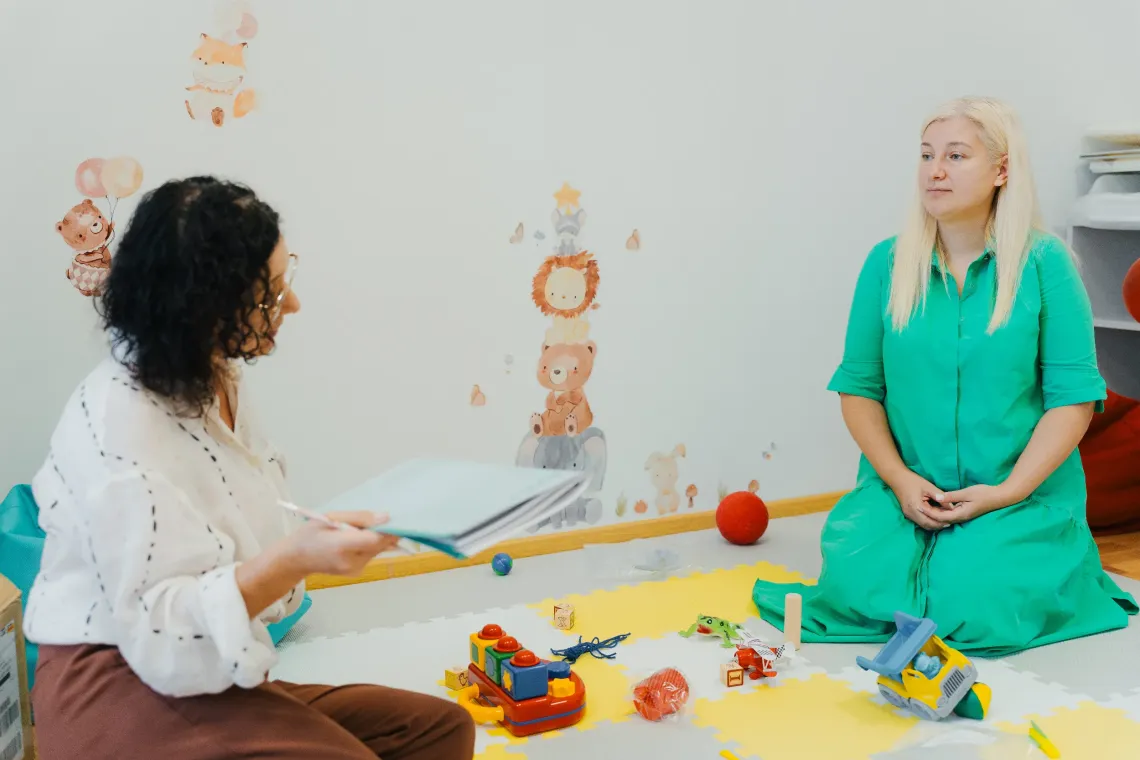
“First of all, we as parents have to start with ourselves. We have to change the way we behave with our child and understand how he perceives the world. I would watch the therapist working with Samuel and try to do the same at home. Sometimes I would film what I was doing and then show it to the specialist. If I was doing something wrong, she would correct me. I also had to learn how to connect better with my child and how to understand him when he cannot tell me what he wants.”
Progress came in very practical ways. Samuel learned to sit at the table for longer, pour water into his cup, take things to the bin, and put away his toys. He became more independent in everyday activities.
“Maybe these seem like small things to someone else. For us, they are huge. I understood that the centre is there to support us, but it cannot do the work for us. What you learn there has to continue at home. A child learns over time. You see the results over time. Miracles do not happen in one or two months,” says Constanța.
After nearly two years, Samuel could do things he had not been able to do before.
But as he progressed, the family’s questions also changed: What does he need next, and how can they support him in the best possible way? It was no longer only about what he could or could not do, but about how he was developing, what support he would need going forward, and which approaches would be most appropriate for him.
“What do we do next?”
That is how the family arrived at the Early Childhood Intervention Centre at the Institute of Mother and Child, which also assesses children whose cases require a more in-depth evaluation.
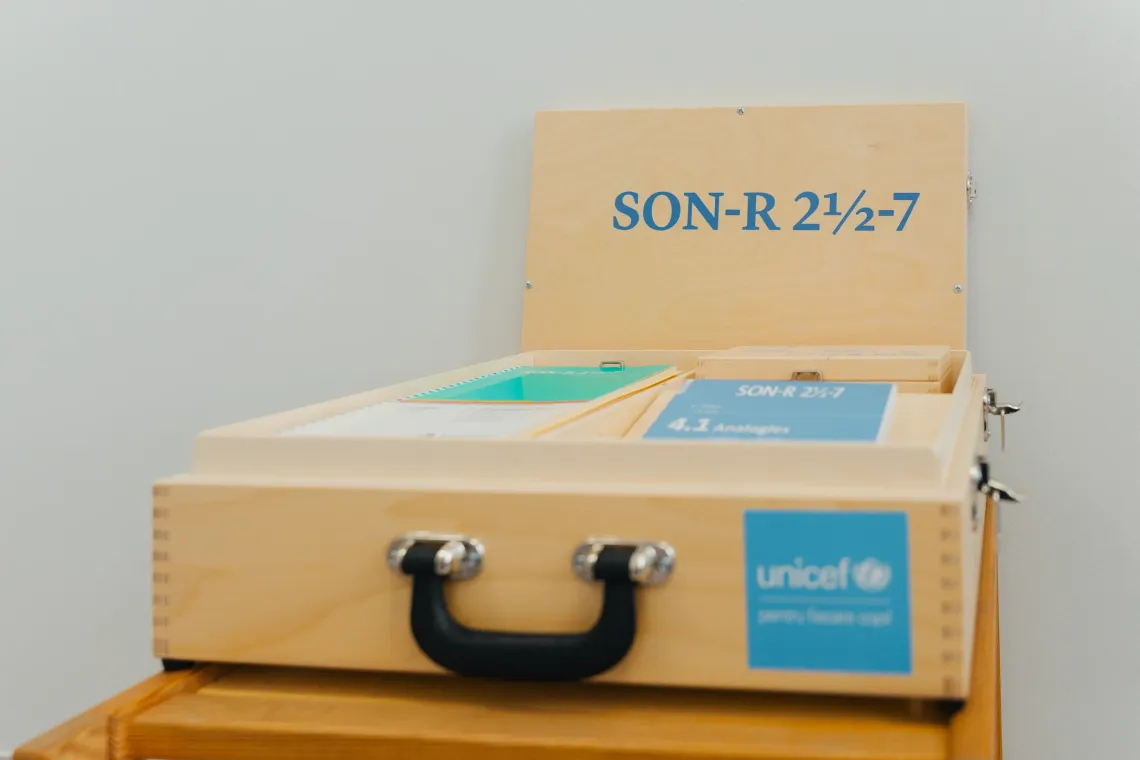
Recently, with UNICEF support, the Centre was equipped with ADOS-2 and SON-R – two standardized tools that help specialists better understand different aspects of a child’s development and provide recommendations tailored as closely as possible to their individual needs.
In Samuel’s case, the team determined that ADOS-2 could provide additional insights into how he communicates, interacts, and relates to the world around him.
Communication is about more than words
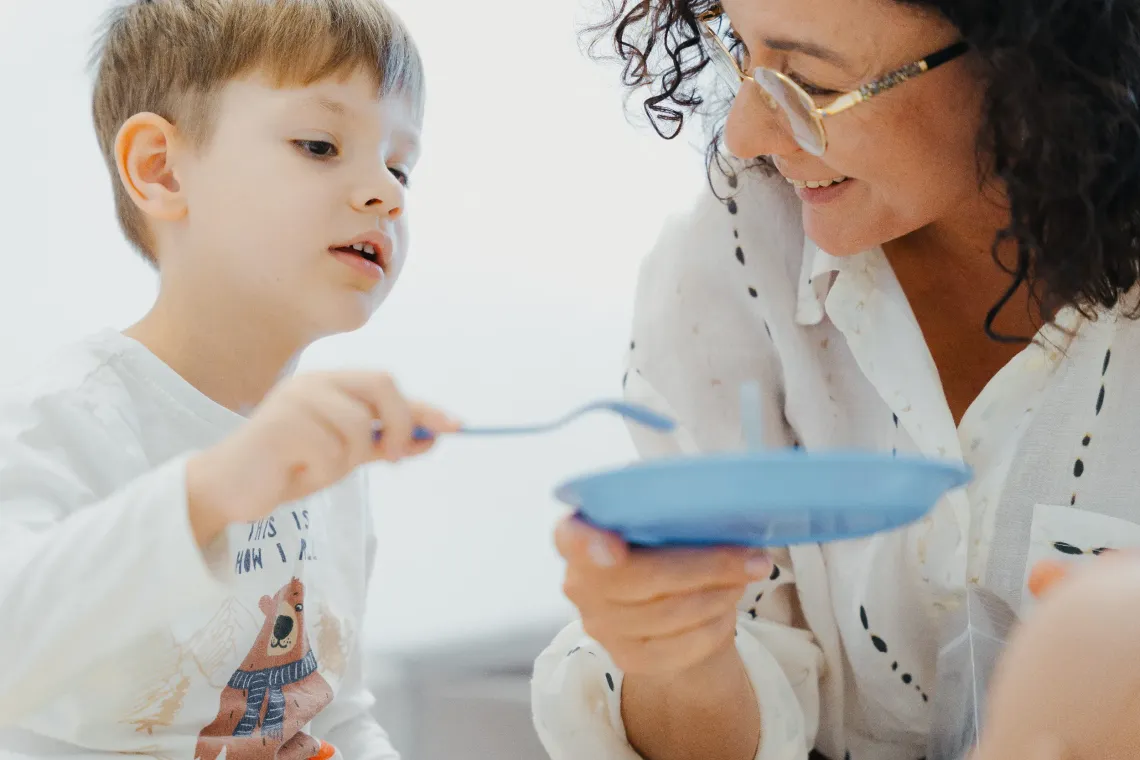
ADOS-2 is a standardized assessment tool used when autism spectrum disorder is suspected. It is not an exam that a child passes or fails. Through play, activities, and interaction, the specialist observes how the child communicates, initiates and maintains interaction, plays, and uses their imagination.
For Samuel, Module 1 of the assessment was used, selected according to his level of language development. Language had long been one of the main areas of concern in his case.
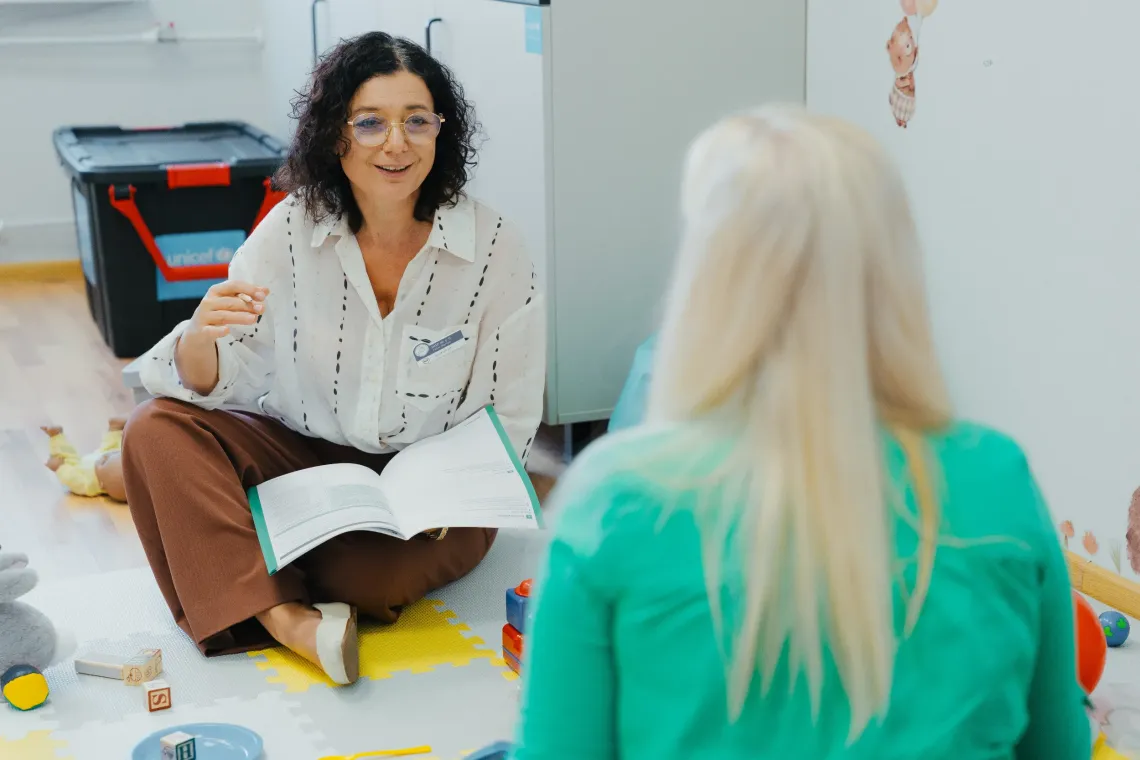
“For a long time, language was at the forefront. But as a child grows, social expectations increase as well. That is when difficulties with interaction can become more visible. Communication is not only about speech. We communicate extensively through eye contact, gestures, and the way we sustain an interaction. Samuel is a boy who does very well with structured activities. He has quite a broad vocabulary and knows the names of many things, but he does not always use what he knows to communicate,” explains Mariana Calac.
An assessment, however, does not end with a score.
“I have administered this assessment many times, and every time the combination of findings is different. Two children may have the same score and yet present in completely different ways. The assessment shows us not only areas of difficulty, which are often already evident, but also the child’s strengths,” says the specialist.
In Samuel’s case, one of these strengths became apparent during the assessment itself.
“We saw that he has a very good imagination and well-developed imaginative play. That is something we can use when developing his intervention programme. An assessment helps you look at the child from a different perspective.”
When language does not tell the whole story
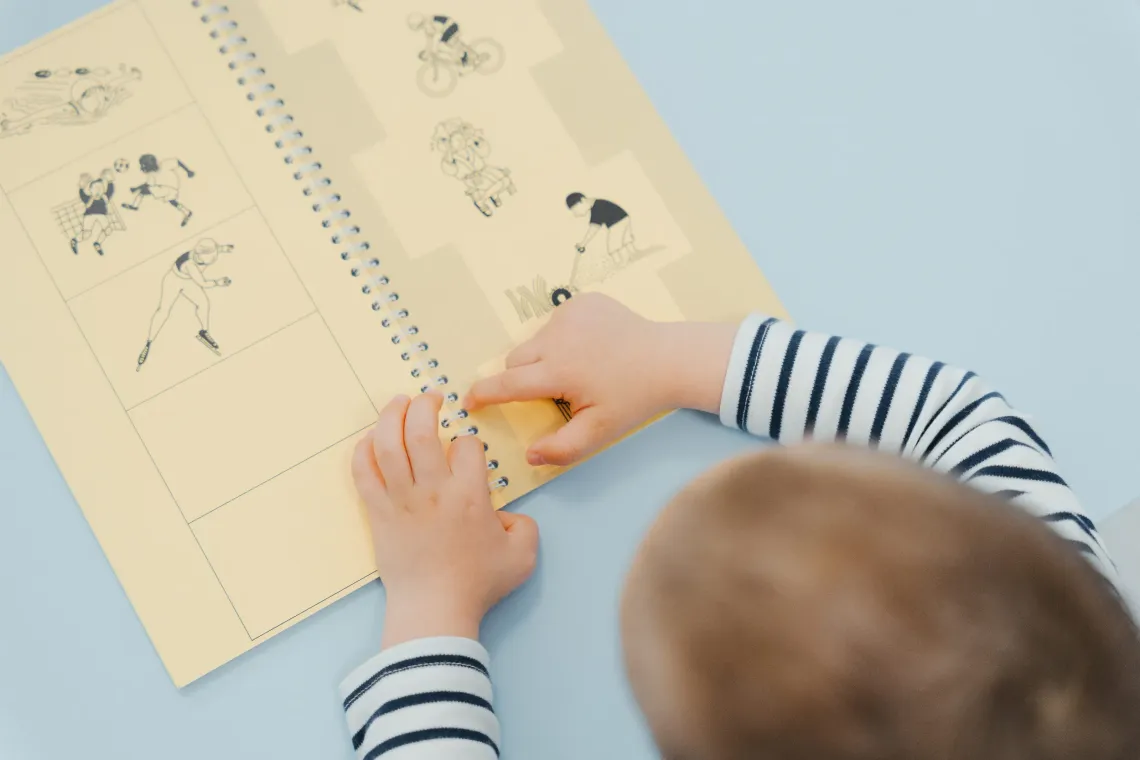
For other children referred to the Institute of Mother and Child, the question may be different. A child may speak very little or not at all, making it difficult for a specialist to understand their cognitive abilities through language alone. For such situations, the Centre now also has SON-R, a non-verbal test used to assess intelligence and cognitive abilities. The child does not need to respond through speech or writing. Through visual and practical tasks, specialists can observe how the child reasons and solves problems without language becoming a barrier.
“Sometimes it is very difficult to assess a child’s level of cognitive development when the child is non-verbal. Some children may have difficulties with speech but not experience the same difficulties cognitively. A non-verbal test helps us greatly in understanding how a child reasons and what they are capable of,” explains Mariana Calac.
For a referral centre such as the one at the Institute of Mother and Child, having ADOS-2 and SON-R available means specialists can carry out more nuanced assessments of children with very different developmental profiles and provide families with recommendations that are more closely tailored to each child’s needs.
“Equipping the Early Childhood Intervention Centre at the Institute of Mother and Child with ADOS-2 and SON-R complements UNICEF’s investments in strengthening the health system for children and expanding early childhood intervention services at the local level. A child should be able to receive support as close to home as possible, while families who need a more complex assessment should have access to a national referral service within the country. In this way, we are building not simply individual centres, but a network of services that can support children and families according to their needs,” says Igor Codreanu, Health Officer at UNICEF Moldova.
At Samuel’s pace
For Samuel’s mother, the value of the assessment is ultimately much simpler than the names of the tests or the scores they produce. It means knowing what comes next.
The family’s next goal is school. Samuel’s mother wants him to start school as prepared and as independent as possible.
“If I need to take certain courses, I will. If there is something I need to learn, I will learn it. I want to give him the best possible start. I don’t want our life to stop because he has certain difficulties. He is our child, he is who he is, and we have to see what we can do to make his life and our life better.”
Two years ago, Samuel’s mother says, she focused a great deal on the things he was not yet doing at the same pace as other children. Today, she tries to look at things differently.
“Maybe he will progress at his own pace and perhaps not according to my expectations. But when I look back, I want to know that I did everything I could and that he received the very best of what I was able to give him,” she adds.
Then she sums up, in just a few words, perhaps the most important lesson the family has learned along the way: “I think he will be happy at his own pace. And we have to learn to be happy at ours.”