Romanian - the language of friendship for refugee children from Ukraine
With the support of the Government of the United States of America, UNICEF is helping refugee children from Ukraine learn Romanian, integrate into school, and feel part of their host communities
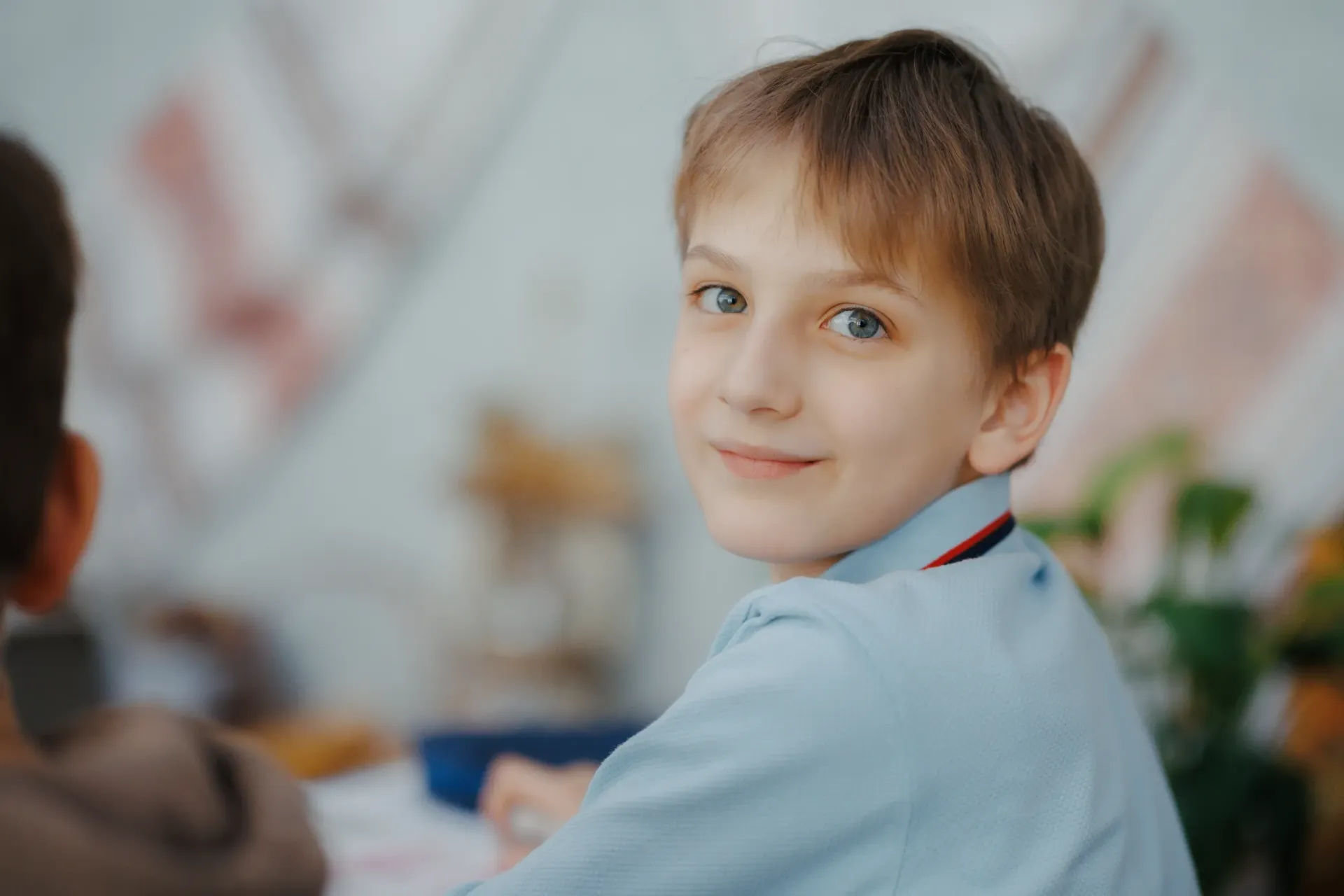
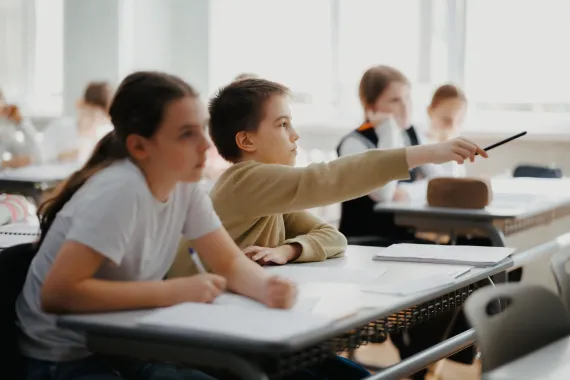
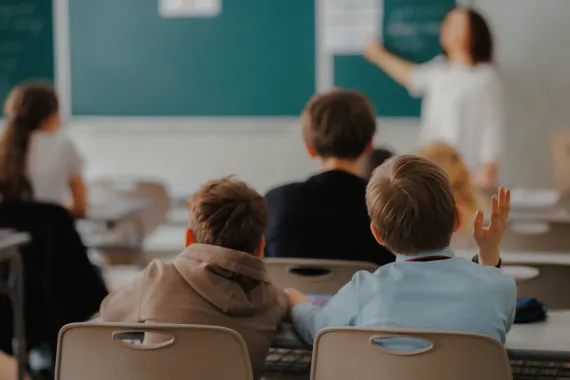
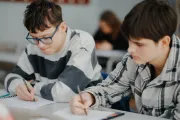
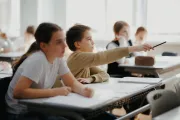
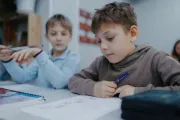
For many refugee children from Ukraine, arriving in the Republic of Moldova meant safety, but also uncertainty. New classrooms, unfamiliar faces, and a language they did not yet understand. Beyond physical protection, integration has meant something profoundly human: the ability to communicate, make friends, and feel part of everyday school life.
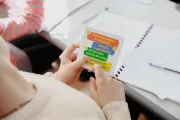
Language is often the first obstacle, but also the most important bridge to full participation in school and community life. With the support of the Government of the United States of America, UNICEF is helping refugee children overcome one of the most significant barriers to integration: language. Through Romanian language learning programmes and educational activities, refugee children gradually develop the skills they need to learn, communicate, and integrate into host communities in the Republic of Moldova.
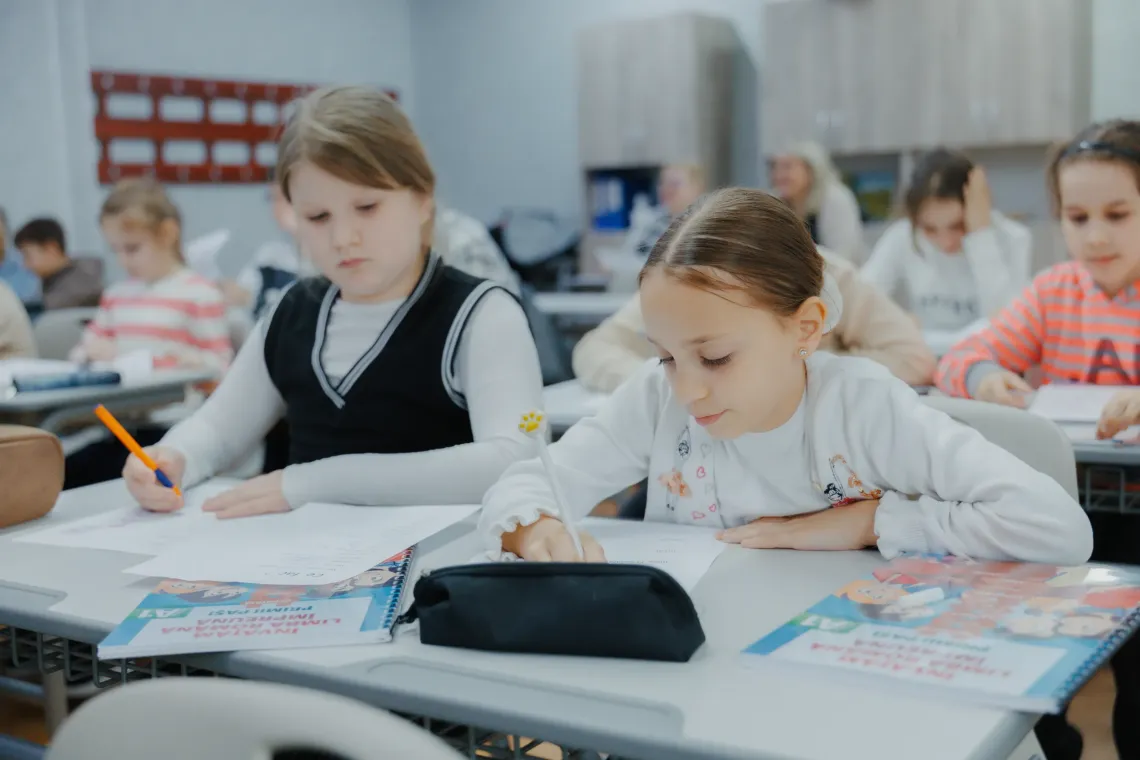
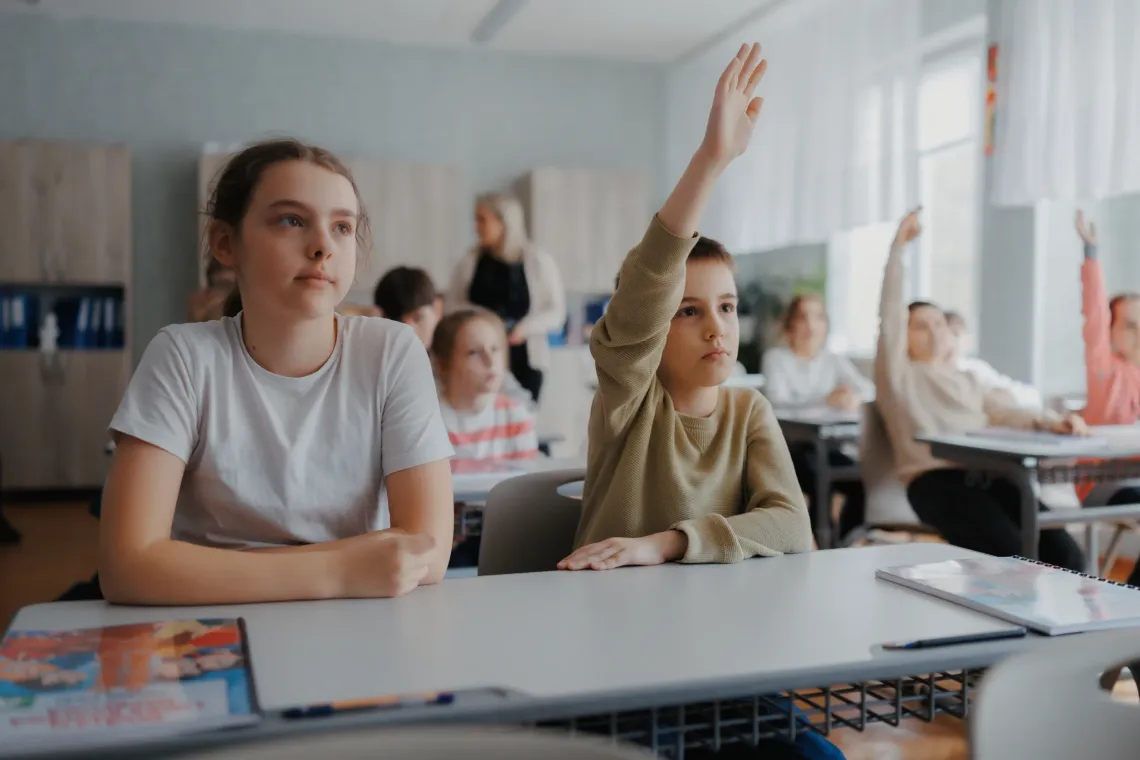
Although online learning ensures continuity of education for many students, physical presence at school remains essential for the development of academic and social skills. In response to these needs, UNICEF, together with the Ministry of Education and Research and other partners, supports Romanian language courses and educational activities designed to facilitate children’s integration into the local education system and society.
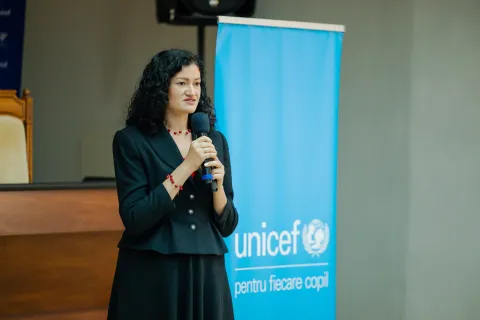
„Learning Romanian is essential for refugee students to participate fully in the educational process. Through our partnership with the National Congress of Ukrainians of Moldova, we support children to communicate, adapt more easily to school, and exercise their right to education in the Republic of Moldova”, said Cristina Stratulat, Social & Behavior Change Officer at UNICEF.
School-level integration: the experience of Theoretical Lyceum „Mihai Grecu”
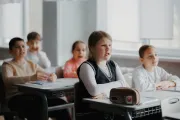
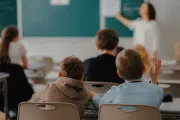
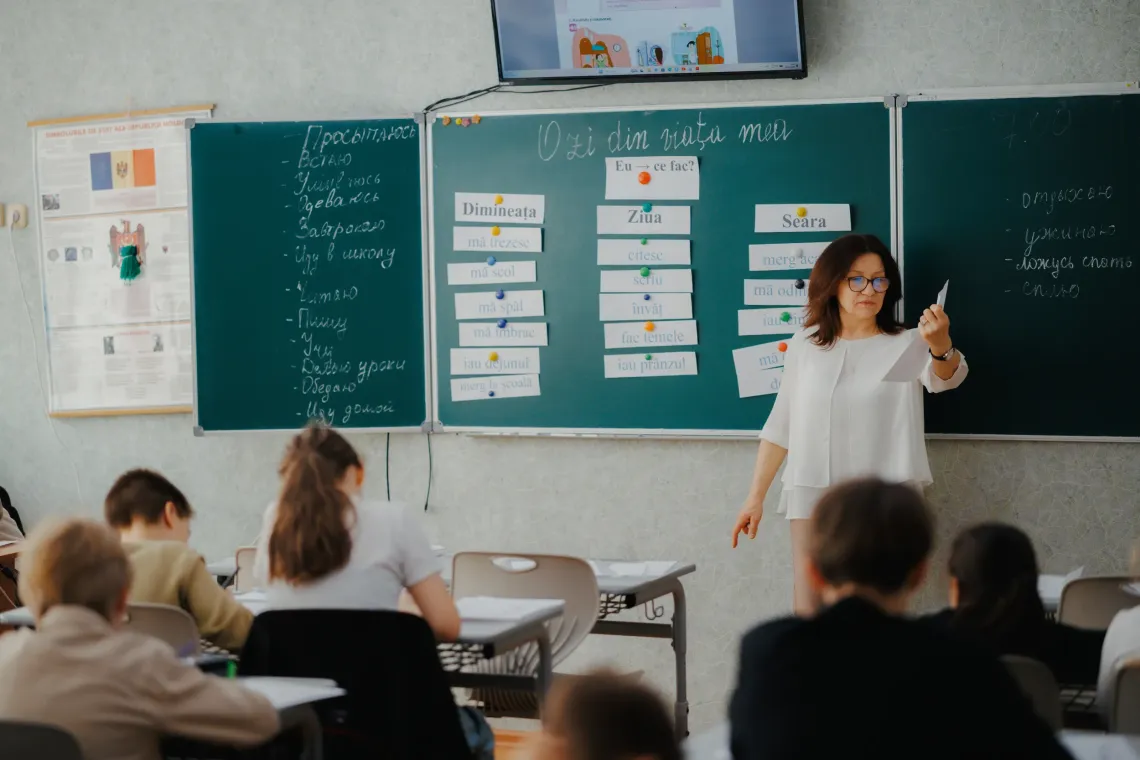
This transformation is visible in schools that have welcomed refugee children and, in recent years, have become spaces for learning, adaptation, and support. One such example is Theoretical Lyceum „Mihai Grecu” in Chișinău, which has consistently welcomed refugee children from Ukraine. Since 2022, the number of enrolled refugee students has increased from 10 to 48 in 2025, reflecting both the growing needs of the refugee community and the school’s commitment to creating an inclusive and supportive educational environment.
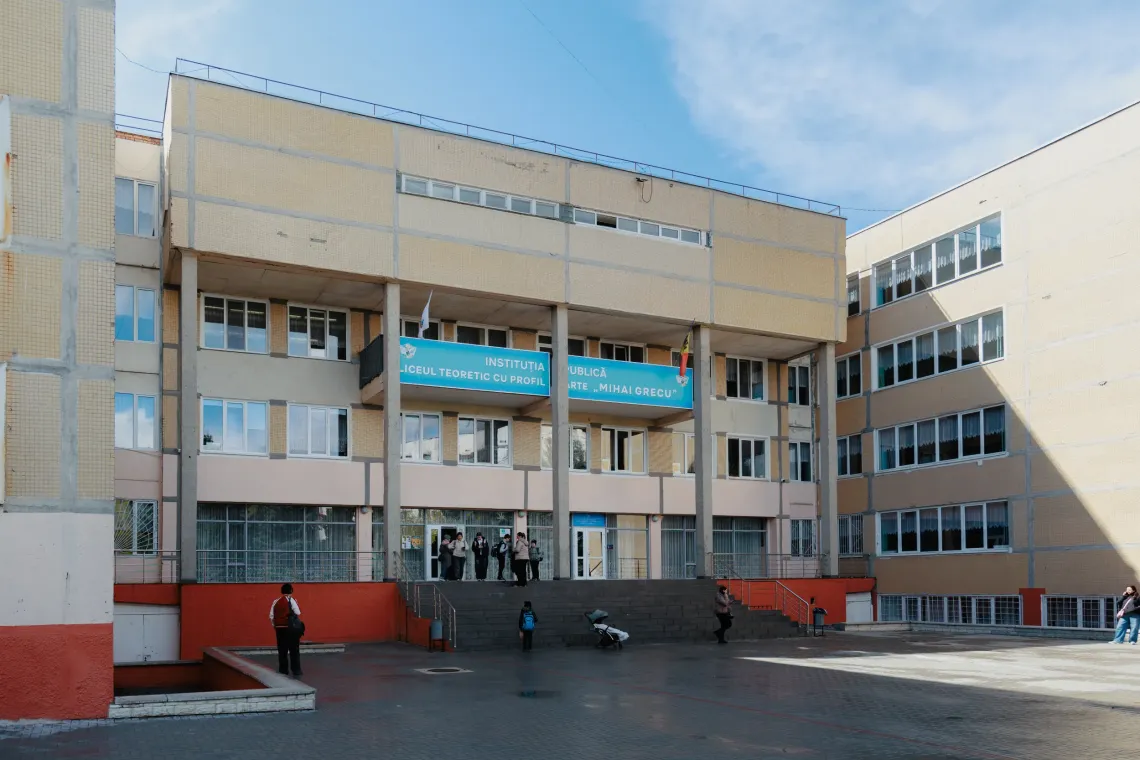
„The number of refugee children in our school has increased steadily in recent years. Investing in Romanian language learning has been decisive for their adaptation in the classroom and for their active participation in the educational process”, said Svetlana Glotova, Principal of Theoretical Lyceum „Mihai Grecu”.
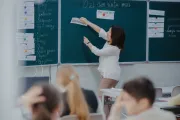
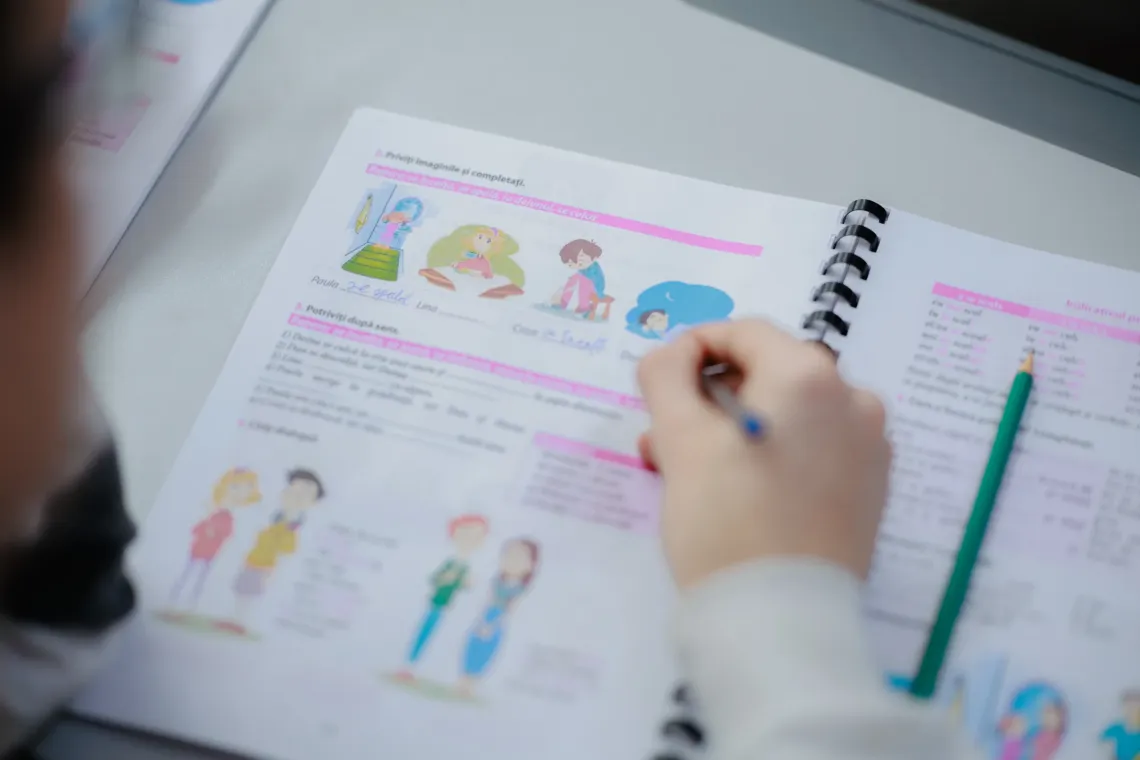
Intensive Romanian language learning has been a central pillar in the integration of refugee children, helping them overcome communication barriers and participate actively in education. Through additional classes and adapted educational activities, children have been able to communicate more easily in the classroom, build relationships with their peers, and gain more confidence, taking important steps towards sustainable integration into the host community.
Partnership for community and social cohesion
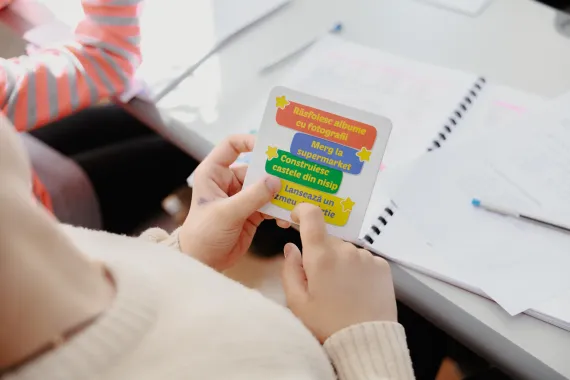
As part of the partnership between UNICEF and the National Congress of Ukrainians of Moldova, two Romanian language learning groups were organized for refugee children aged 5 to 15 at „Taras Shevchenko” Gymnasium and Theoretical Lyceum „Mihai Grecu”. These activities are part of UNICEF’s support in the areas of education, integration, and social and behavioural cohesion, and contribute to facilitating refugee children’s access to education and essential services.
„Language is more than a tool for communication. It is a gateway to belonging and long-term integration. For Ukrainian children rebuilding their lives in Moldova, learning Romanian is essential to feeling safe, seen, and included. Thanks to this initiative, more than 100 children have gained the confidence to navigate their new environment, access essential services, and form meaningful friendships. Through our partnership with UNICEF, we have seen how language learning restores not only continuity in education, but also a sense of dignity, stability, and hope for children and their families”, said Irina Basiul, Programme Coordinator at the National Congress of Ukrainians of Moldova.
The context of Ukrainian refugees in the Republic of Moldova
According to estimates available for early 2026, the number of Ukrainian refugees in the Republic of Moldova is estimated at approximately 127,000-130,000 people. Although the existing protection framework provides access to basic services, children’s full participation in formal education requires additional interventions adapted to their linguistic and educational needs.
Through these programmes, UNICEF, with the support of the Government of the United States of America and in collaboration with national authorities and community organizations, continues to support equitable access to education for refugee children. For every child, learning Romanian means more than acquiring a new skill: it means the chance to learn, to be understood, and to feel that they belong.