Strengthening trust in vaccination in Roma communities in Soroca and Otaci
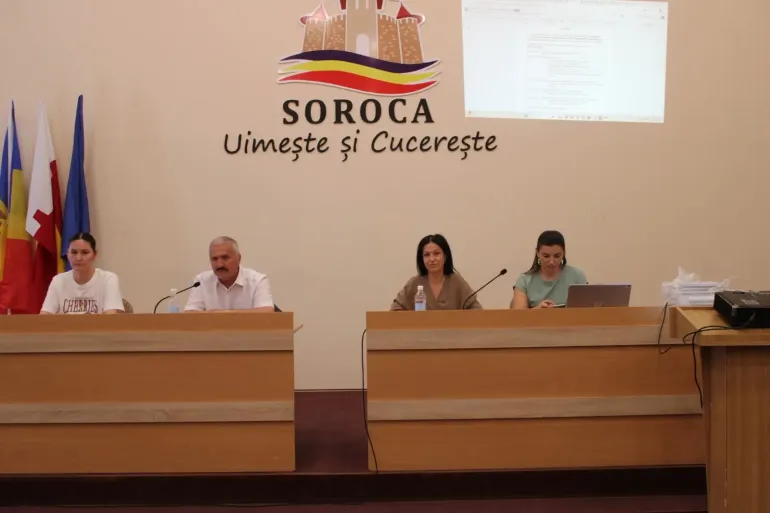
Chisinau, 8 July 2026 - The Ministry of Health, the National Agency for Public Health and UNICEF, in partnership with the Union of Roma Youth of the Republic of Moldova “TĂRNĂ ROM”, have launched the initiative “Strengthening trust and access to vaccination for children in Roma communities in Soroca and Otaci”. The project is implemented with financial support from the Government of Norway as part of the Social and Behaviour Change Plan for Immunization 2027.
The project aims to increase children’s access to vaccination by strengthening trust between communities and the health system, improving immunization knowledge, and developing sustainable local mechanisms for collaboration.
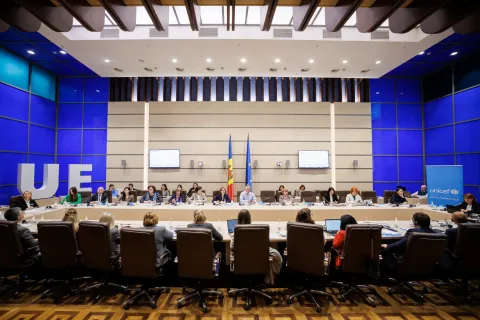
The launch event took place in Soroca, bringing together representatives of partner institutions, public authorities and local communities. Participants discussed the importance of equitable access to health services, the role of accurate information, and the need to strengthen trust between communities and the health system.
The project will include trainings for health workers, social assistants, community mediators, Roma mother leaders, and other local actors from Soroca and Otaci. The trainings will focus on promoting vaccination, countering misinformation, and strengthening inclusive and non-discriminatory communication with families.
Media materials with evidence-based information about immunization will also be developed, while health sessions and health groups for families will be organized in the communities.
The initiative will include integrated interventions developed together with members of Roma communities and local actors, including:
- organizing health circles for families as safe spaces for dialogue, information and support for mothers and caregivers;
- adapting the working hours of medical centres to the needs of communities, through dedicated time slots for information, empathetic communication and child-friendly environments;
- strengthening the role of community mediators by integrating them into information, follow-up and vaccination reminder processes;
- carrying out community-level information and awareness-raising campaigns and interventions to promote vaccination and combat misinformation.
The activities are based on the findings of the study on the factors influencing childhood vaccination in the Roma community in the Republic of Moldova, which shows that Roma families generally trust medicine and recognize the importance of vaccination. However, repeated negative experiences in interactions with the health system may lead to delays or avoidance of childhood vaccination. The main barriers identified include lack of trust caused by difficult interactions with medical staff, misinformation, and limited access to linguistically and culturally adapted information, discrimination, or care perceived as disrespectful.
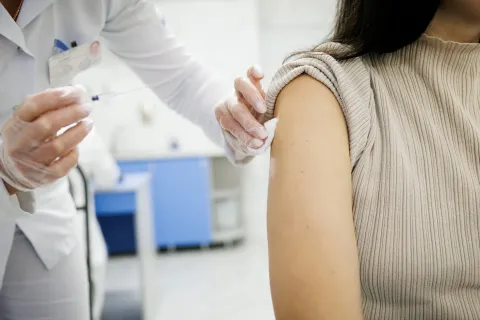
Vaccination coverage in the Republic of Moldova remains below the recommended 95% threshold, increasing the risk of outbreaks of vaccine-preventable diseases. In 2025, coverage continued to decline compared to 2024: DTP vaccination, which protects against diphtheria, tetanus and pertussis, reached 83.8%, compared to 86.7% in 2024; polio vaccination reached 84.3%, compared to 87.3% in 2024; and MMR vaccination, which protects against three serious viral diseases - measles, mumps and rubella - reached 79.2%, compared to 83.9% in 2024. At the same time, approximately 4,000 children nationwide have not received any dose of vaccine. These data confirm a concerning trend and the need to intensify efforts to inform families and facilitate access to vaccination.
Media contacts
About UNICEF
UNICEF promotes the rights and wellbeing of every child, in everything we do. Together with our partners, we work in 190 countries and territories to translate that commitment into practical action, focusing special effort on reaching the most vulnerable and excluded children, to the benefit of all children, everywhere.
For more information about UNICEF and its work for children, visit www.unicef.org
Follow UNICEF on Twitter, Linkedin and Facebook