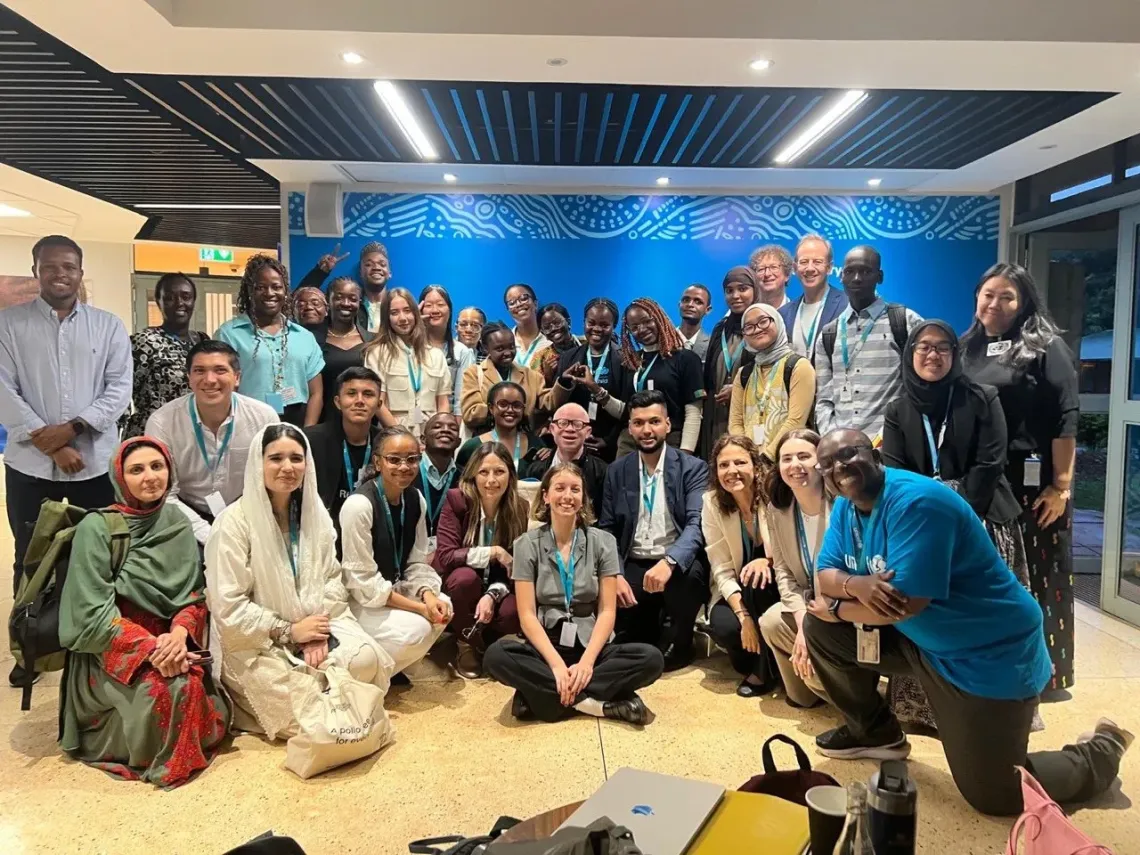
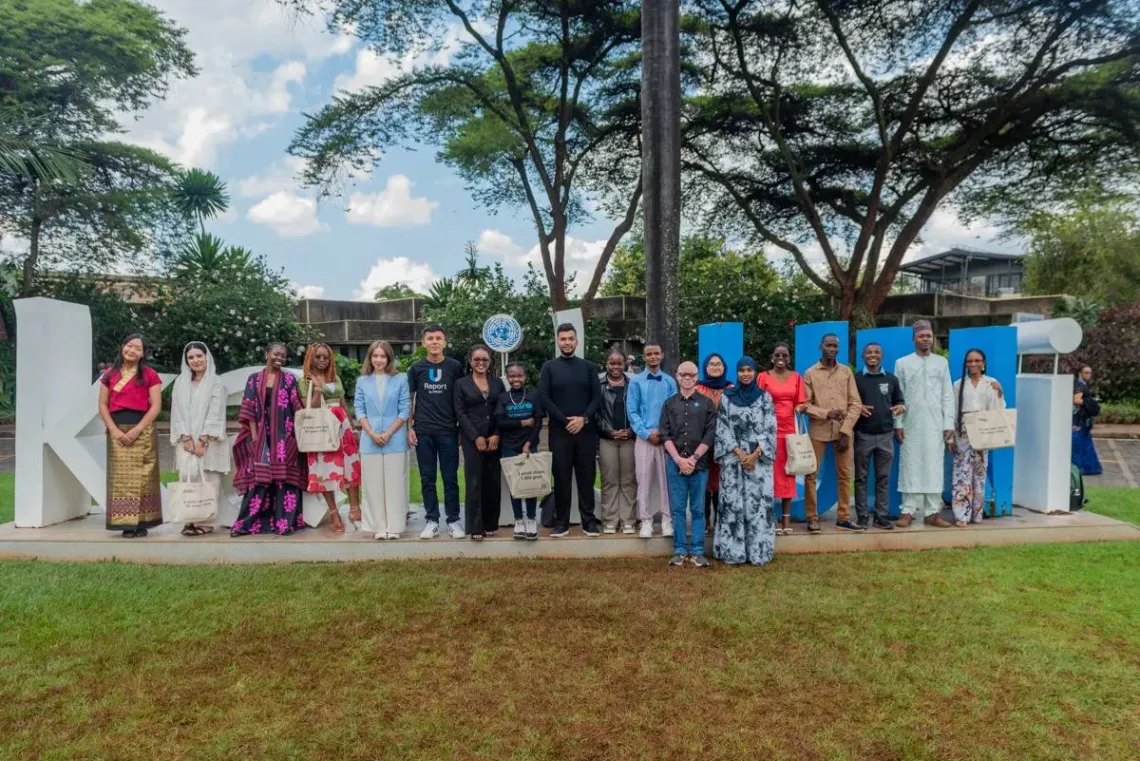
Science alone cannot improve children’s lives without trust, communication, and people willing to advocate for change. That was one of the strongest lessons I carried home from Nairobi, Kenya, where I joined UNICEF Youth Advocates and young health leaders from around the world at the Youth Mobilisation Lab. From Zambia to Myanmar and beyond, the Lab brought together young people working across health, education, advocacy, science, and policy, all connected by a shared commitment to improving the lives of children and young people globally.
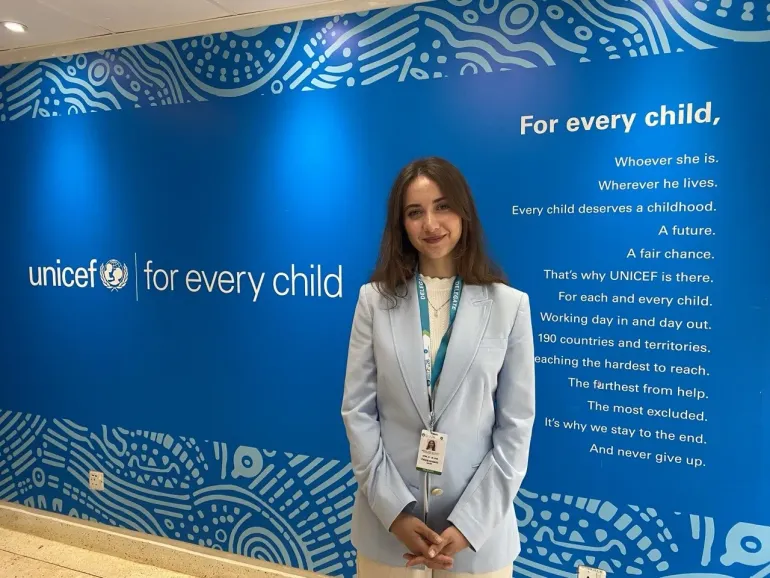
As a UNICEF Youth Advocate from Moldova, I found being selected for this experience both exciting and deeply meaningful. It was an opportunity not only to learn more about global health systems and advocacy, but also to meet people from completely different backgrounds who are all trying, in their own ways, to create meaningful change within their communities.
How science led me to global health
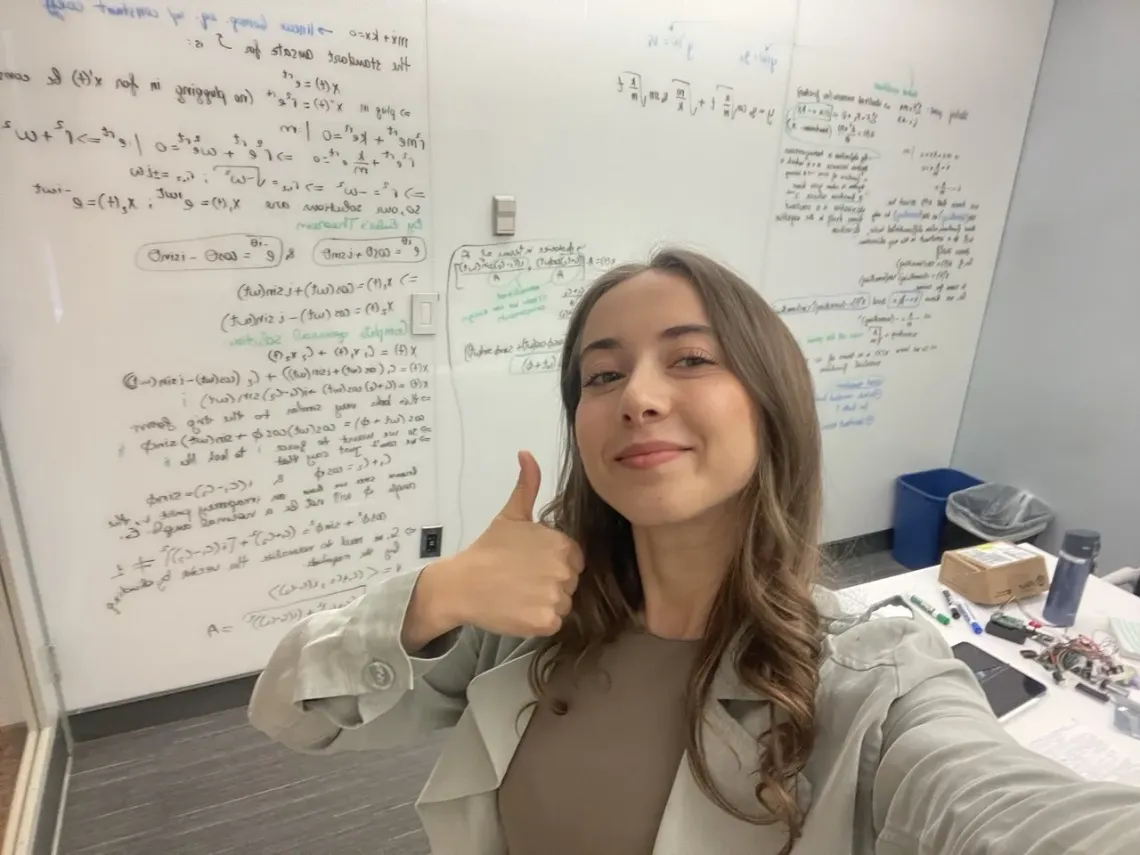
Over the past few years, much of my work has centered around scientific research and biomedical innovation, primarily from a computational perspective. I have worked on independent research in cancer biology, academic research in rare genetic diseases, and, more recently, on projects focused on improving quality control in neonatal screening systems through artificial intelligence and computer vision.
The more involved I became in science and healthcare, the more I started realizing that research alone is rarely enough. Even the most promising technologies or discoveries still depend on systems of communication, trust, implementation, policy, and access to truly reach people. That realization is what gradually pushed me closer toward global health advocacy and public health strategy alongside my scientific work.
Joining the Global Youth Health Advisory Group
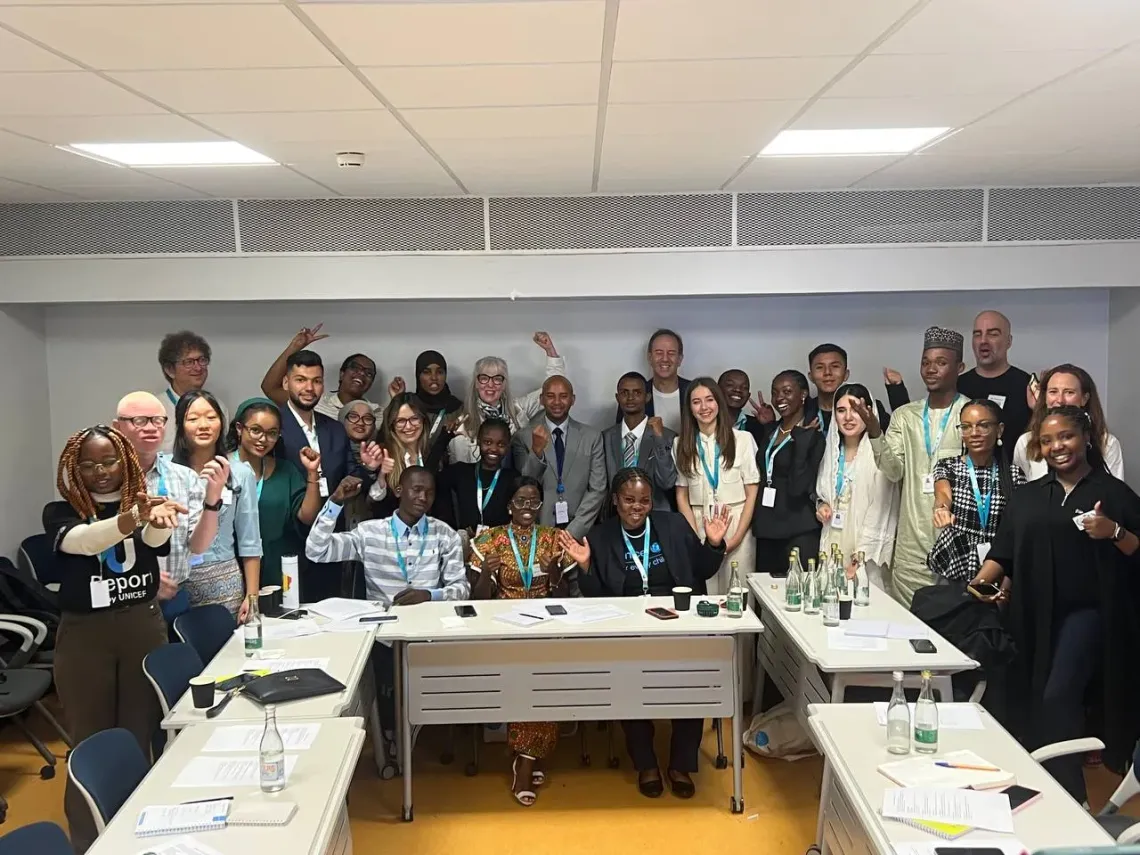
The Lab in Nairobi was also especially meaningful because it marked my first opportunity to meet the other members of UNICEF’s newly formed Global Youth Health Advisory Group, which I recently joined alongside 14 other young advocates from around the world.
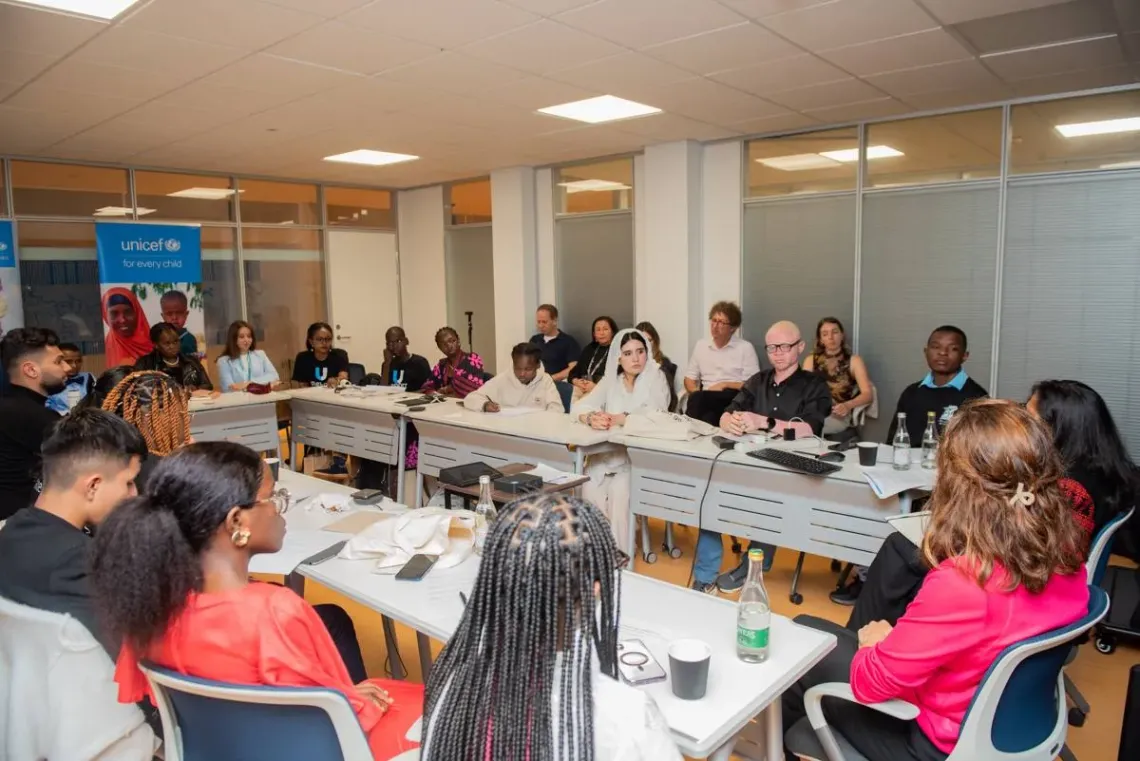
In many ways, the Youth Mobilisation Lab served as both an introduction to one another and the beginning of the Group’s collective work. Over the course of the Lab, we discussed not only healthcare itself, but also the systems surrounding it: public trust, misinformation, communication, implementation challenges, and the complexity of turning ideas into real-world impact across communities and countries.
Despite everyone coming from different disciplines and lived experiences, there was one thing that seemed to unite nearly every conversation we had: the belief that preventable disease in children should not continue to exist in a world with so much scientific and medical progress.
Learning from global health leaders
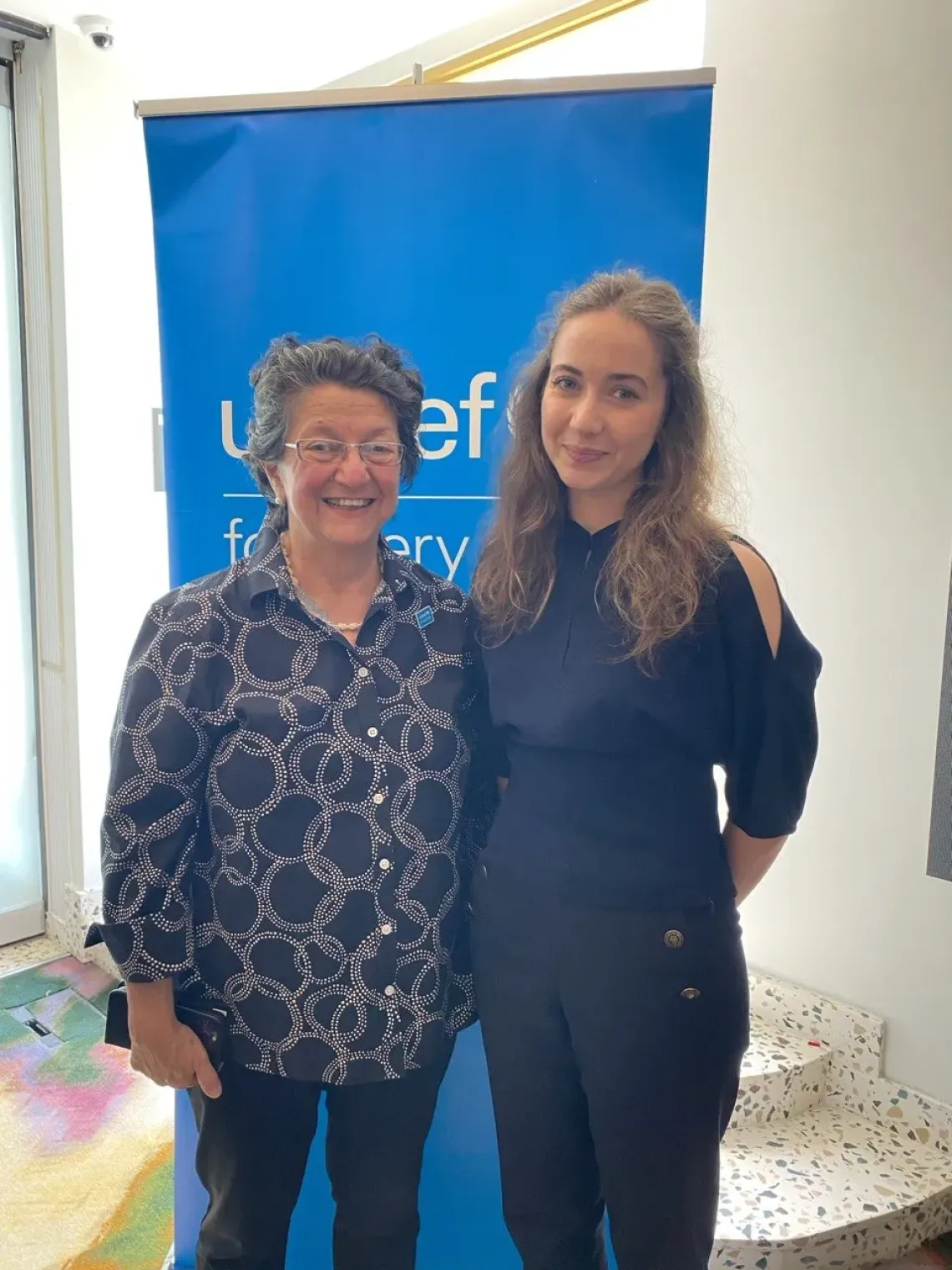
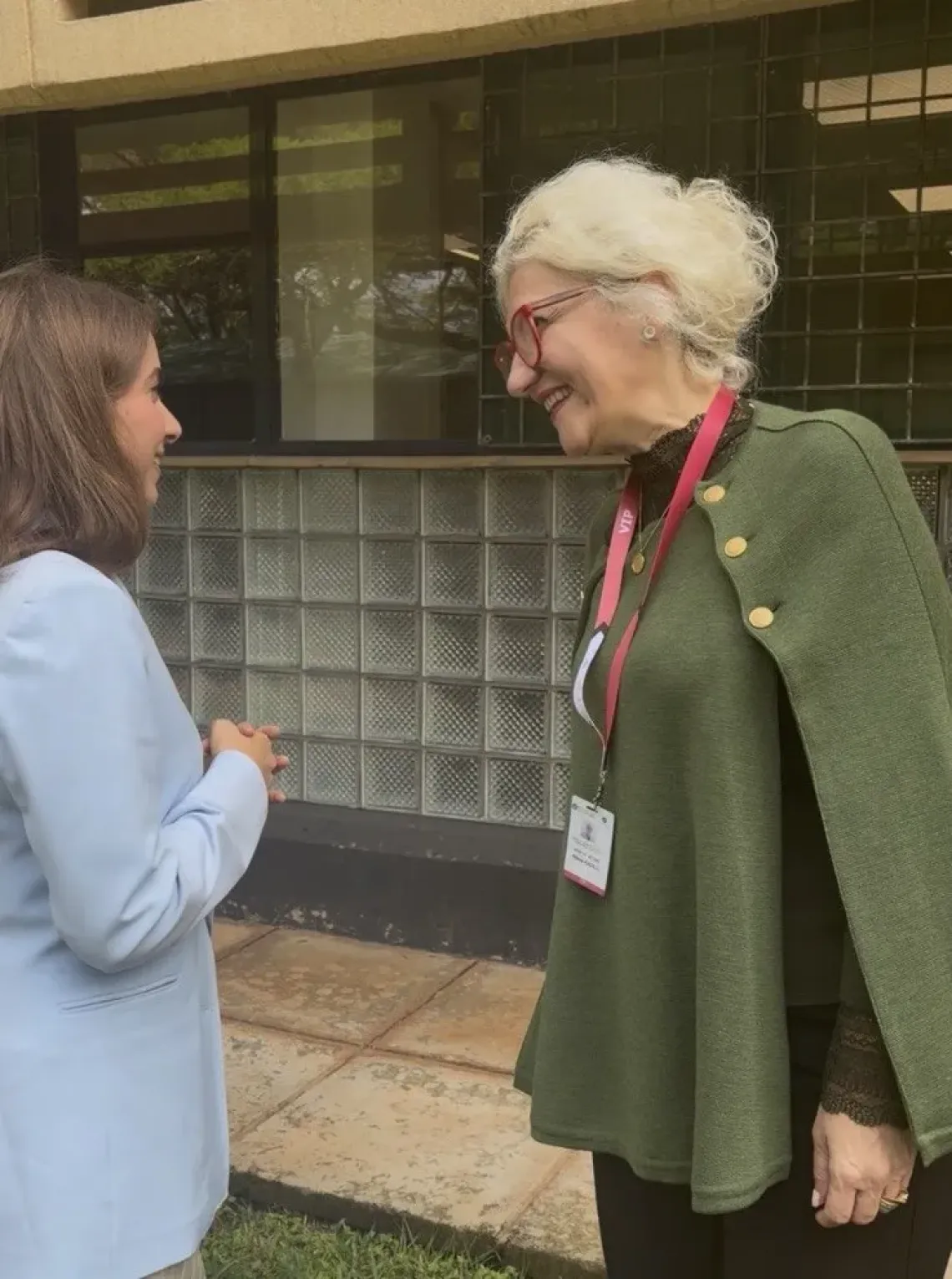
One of the experiences that left a lasting impression on me was the opportunity to learn directly from global health leaders and UNICEF officials whose work I have looked up to for a long time.
During the sessions, we had the opportunity to engage with professionals working across immunization, emergency response, strategic communication, and healthcare systems, including:
- Helga Fogstad - UNICEF Global Director of Health;
- Dr. Shaheen Nilofer - UNICEF Representative to Kenya;
- Kate O'Brien, Director of the Department of Immunization, Vaccines and Biologicals for the World Health Organization;
- Dr. Ephrem T. Lemango - Associate Director for Health and Global Chief of Immunization at UNICEF;
- Kent Page - UNICEF Polio Advocacy Manager;
- Etleva Kadilli - UNICEF Regional Director for Eastern and Southern Africa.
Listening to their thoughts around immunization strategy, emergency response, healthcare communication, and regional health systems made the complexity of global health implementation feel much more real.
The power of storytelling, strategy, and public trust
Many of the workshop sessions focused on advocacy, communication, and strategic thinking. One framework that especially stayed with me was the “Story of Self, Story of Us, and Story of Now” model of public narrative and storytelling. What I found most interesting was the idea that public health is not driven only by data and policy decisions, but also by human connection. Even the strongest scientific evidence can struggle to create change if communities do not feel informed, represented, heard, or included in the conversation.
Other sessions focused more directly on strategy and implementation. We discussed how to build advocacy and action plans, define SMARTIE goals, identify key stakeholders, and think critically about where decision-making power exists within healthcare systems. As someone who often works in technical and scientific environments, where structure is the main accountability system, I appreciated that many of the conversations focused not only on ideas, but also on execution, accountability, and continuous self-reflection.
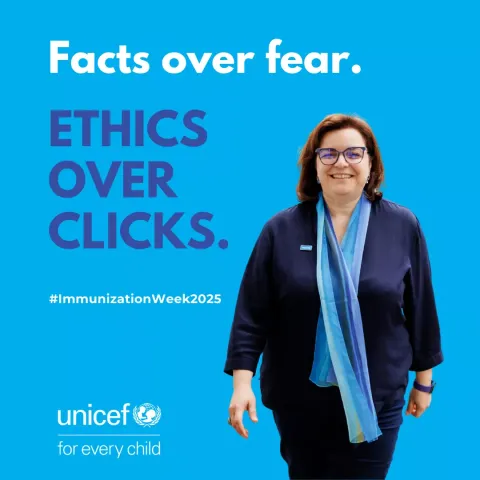
Another especially impactful part of the experience centered around immunization and polio eradication efforts. During those sessions, we discussed both the enormous progress that has already been made globally and the challenges that still remain. There was one phrase used repeatedly throughout the workshop that we later started calling the “golden phrase”: “polio anywhere is a threat to children everywhere.” I think it stayed with many of us because it captured something much larger about global health itself. The reality that healthcare systems, infectious disease prevention, and public trust are deeply interconnected across countries and communities.
Building connections across borders
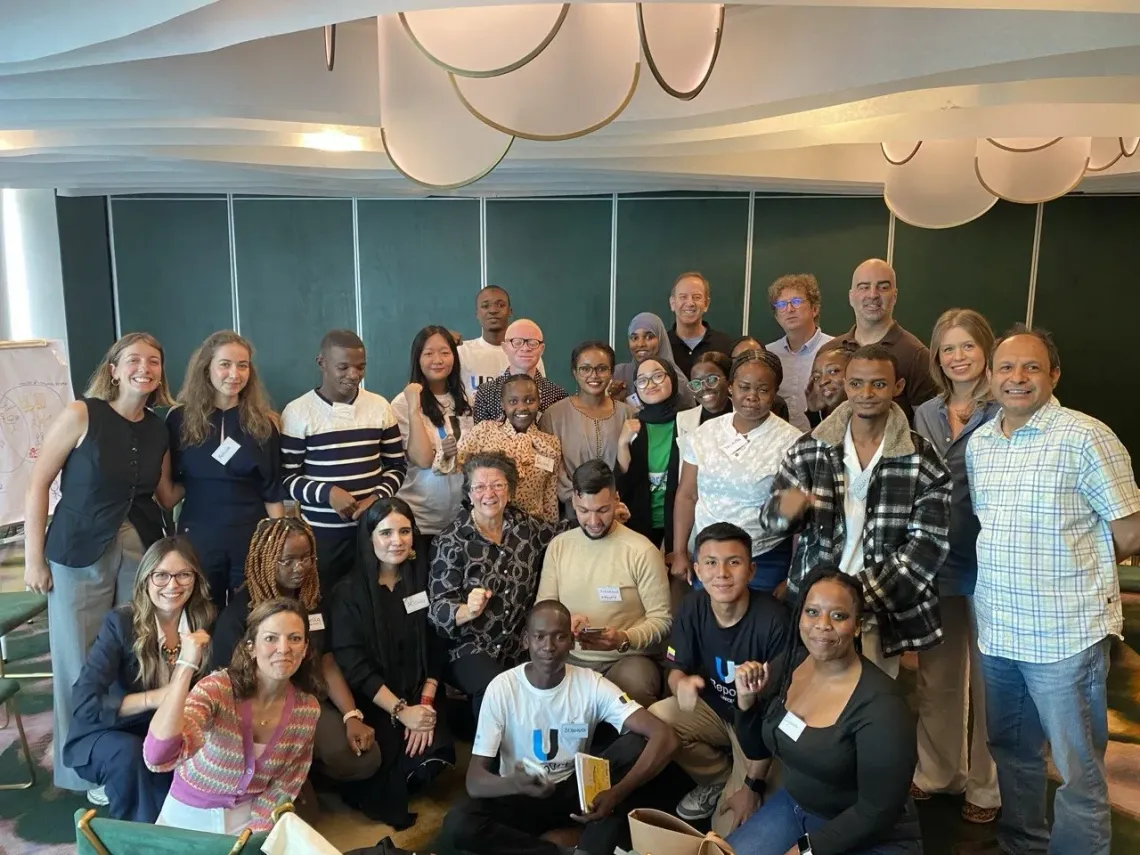
Beyond the technical discussions and strategy sessions, the experience also became deeply personal. Alongside the workshops and sessions, one of the most valuable parts of the experience was simply learning from one another.
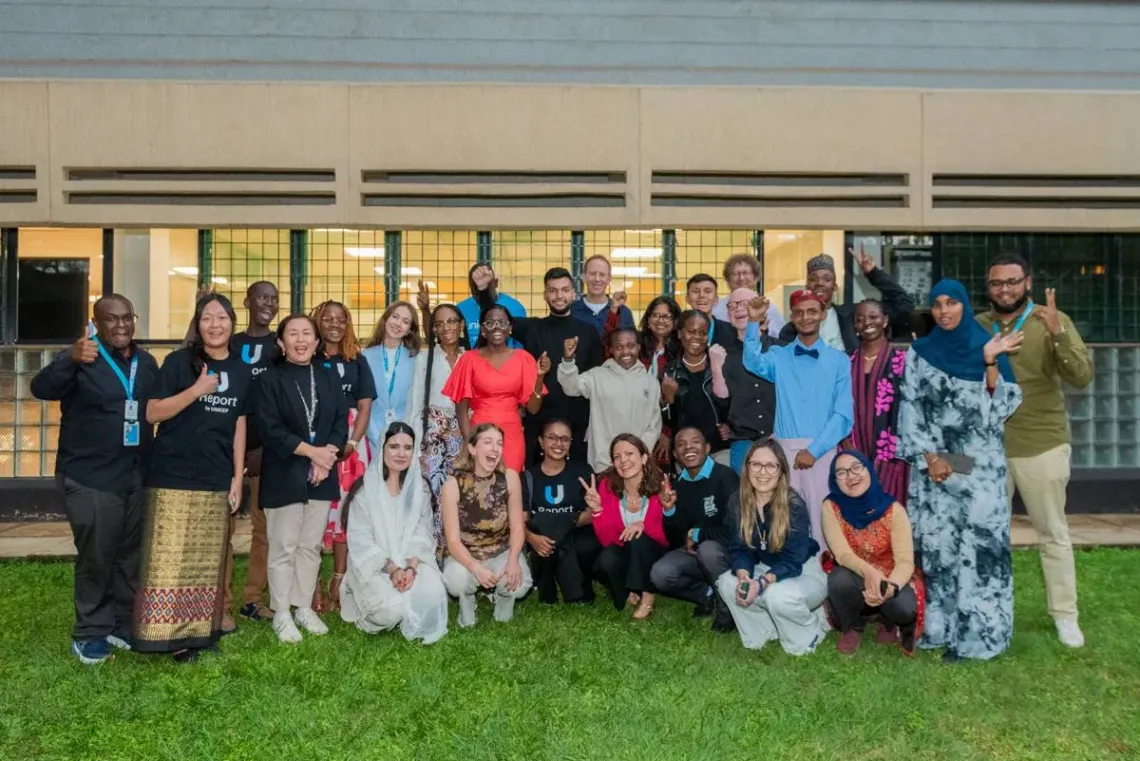
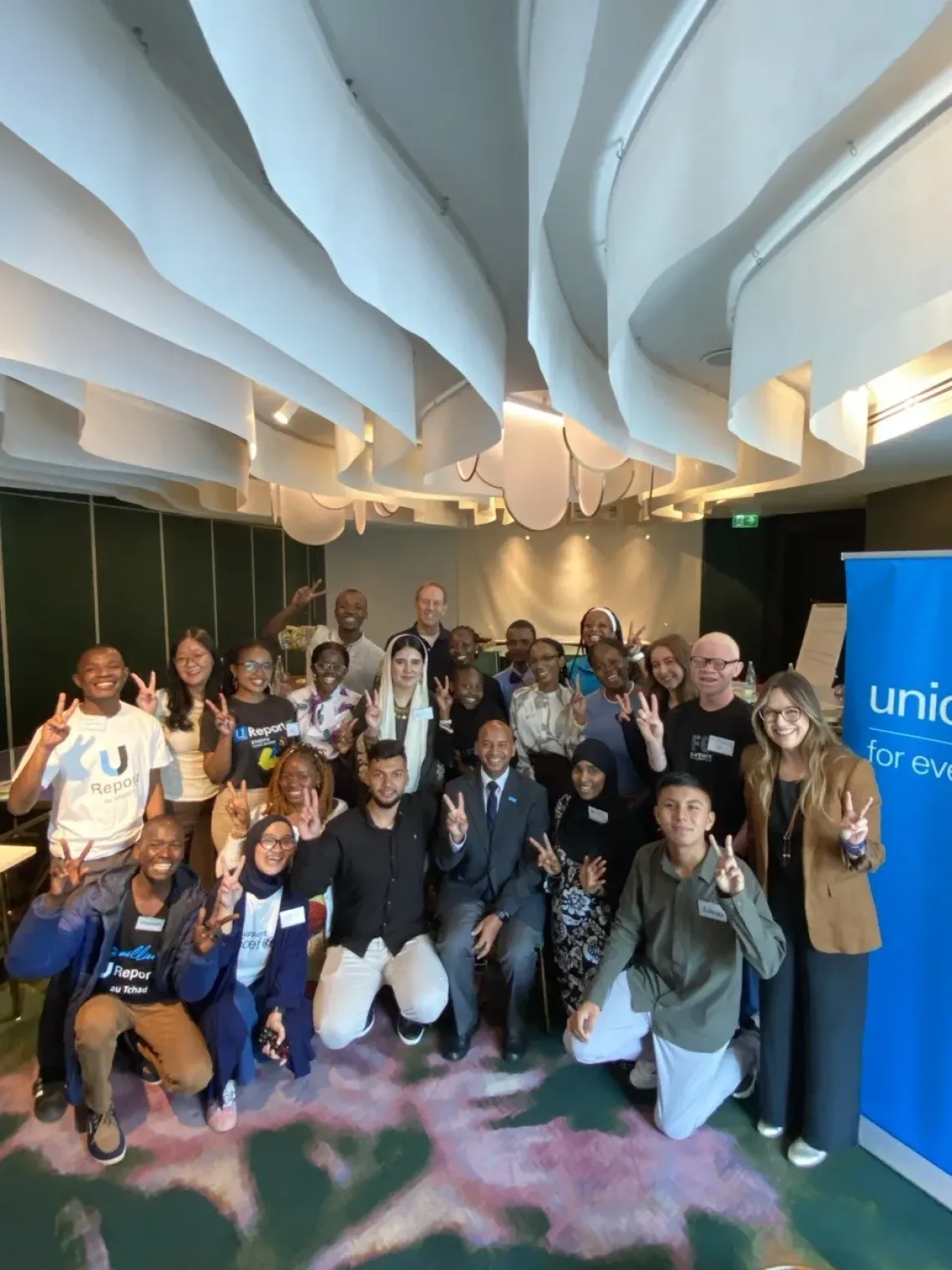
There were twenty young people in the room, all from different countries, backgrounds, disciplines, and stages of life, yet connected by a shared motivation to improve children’s health outcomes globally. Between workshops, collaborative exercises, and conversations outside formal sessions, I met young advocates whose intelligence, resilience, compassion, and dedication genuinely inspired me.
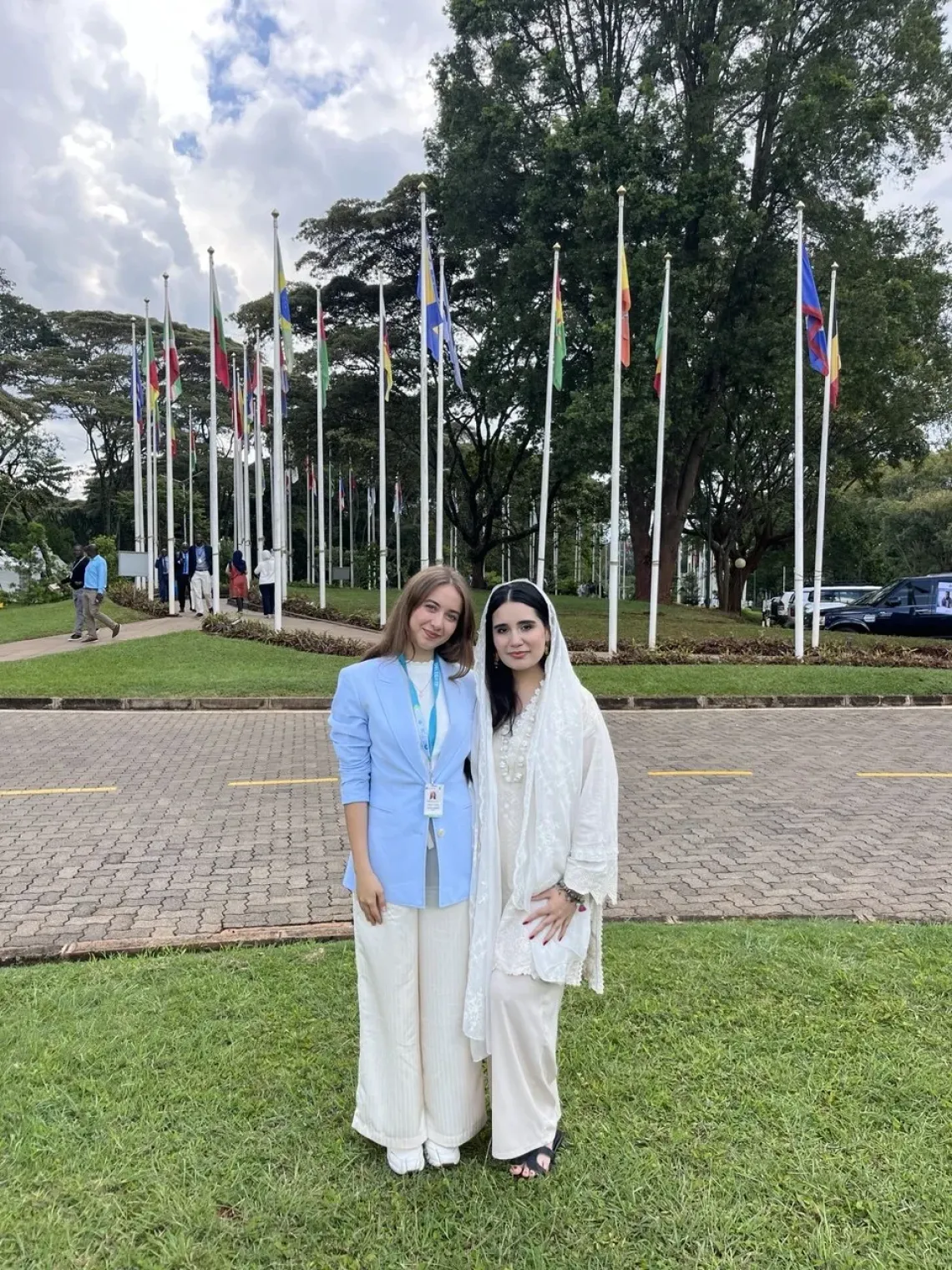
Our meeting at the United Nations Office at Nairobi (UNON) also coincided with the World Health Summit Regional meeting, which gave us the opportunity to attend discussions connected to the areas each of us cared most deeply about, whether immunization, innovation, research, healthcare communication, or broader health systems strengthening.
By the end of the week, it no longer felt like a group of strangers from different countries. It felt like a community.
Turning experience into action
Leaving Nairobi, I carried with me much more than workshop notes or conference materials. I left with a renewed sense of responsibility, not only to continue my own work in biomedical science and global health, but also to contribute more actively to the broader systems and conversations that shape how healthcare reaches communities around the world.
Together with the other members of the Global Youth Health Advisory Group and UNICEF Youth Advocates, I am excited to continue advocating for stronger healthcare systems, better immunization access, and the protection of every child’s right to health.
Through initiatives such as U-Report and youth advocacy programs worldwide, young people are increasingly being given the tools and platforms to participate directly in conversations that affect their communities and futures. That’s why I’d encourage other young people reading this to stay curious, stay involved, and never underestimate the value of your voice. Whether through science, advocacy, community work, education, or simply speaking up about issues that matter to you, your contribution matters more than you think. And if you are interested in becoming involved yourself, I would absolutely encourage you to explore opportunities such as becoming a Youth Advocate.