Launch of the Study Results: Evaluating the Nutritional Environment in Schools
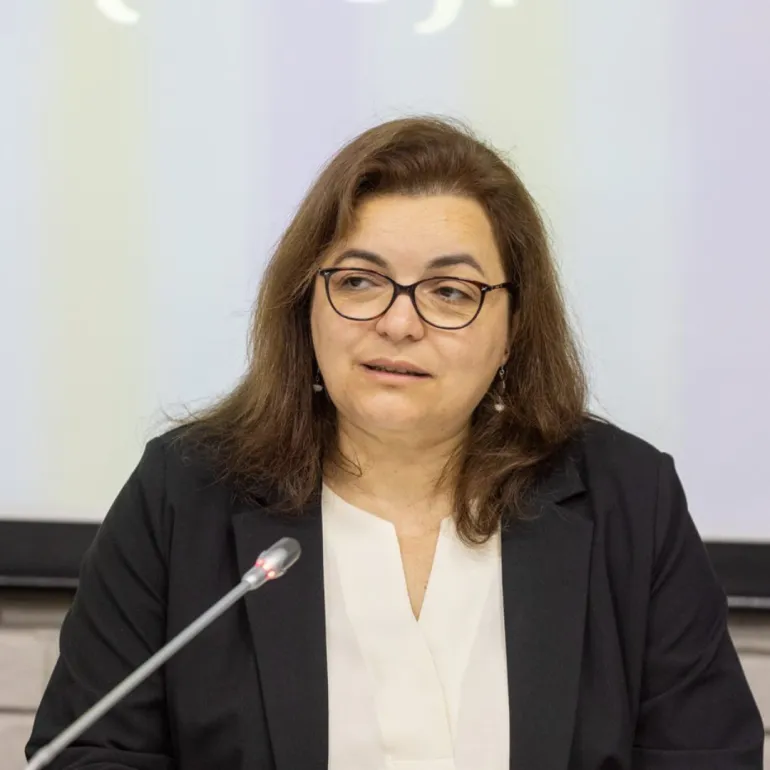
Speech by Maha Damaj, UNICEF Representative in the Republic of Moldova, at the presentation event of the new study
Distinguished representatives of the Ministry of Education, Ministry of Health, the National Agency for Public Health, the CRED Foundation,
Dear colleagues, doctors and parents,
Esteemed ambassadors for children’s health,
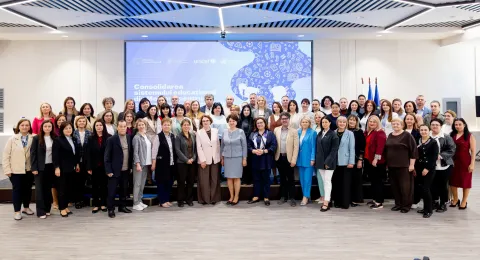
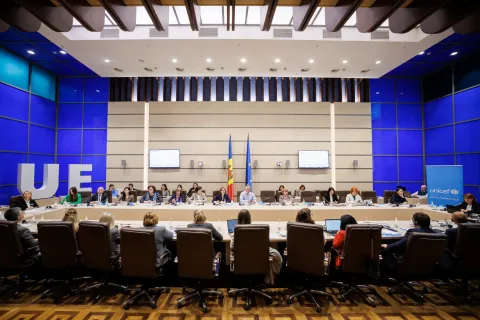
On behalf of UNICEF, it is my pleasure to welcome you to this important event dedicated to presenting the results of the Nutrition Environment Study. We are grateful to our partners for joining efforts to advance an agenda that is central to the health, wellbeing, and future potential of children in Moldova.
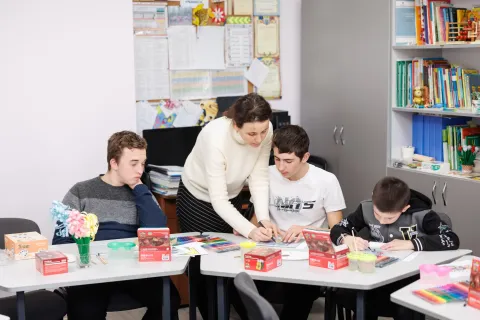
Today’s children spend more time in school than any previous generation. For many, school is not only where learning happens – it is also where they eat, socialize, develop routines, and form lifelong habits. Schools have become multi-service environments, providing not just education, but also meals, care, structure, and daily influence over children’s choices.
This means that the school food environment is not a side issue. It is a core determinant of children’s health.
School is a powerful setting for shaping behaviors that influence long-term nutrition, wellbeing, and resilience. What children see, eat, and experience in school becomes their “normal”.
Building on UNICEF’s Nutrition Environment Assessment Toolkit (NEAT), this study examined not only what is served on children’s plates in preschools and schools, but also the wider environment: the messages children receive, the models they observe, the choices available to them, and the role of institutions, families, and communities in shaping those choices.
At the national level, the findings raise some concerns. Only 3%, only 3 in 100 children consume the recommended five daily portions of fruits and vegetables. More than 20% eat sweet snacks every day, and another 22% almost daily. These figures show that unhealthy dietary patterns are becoming normalized early in life.
The study also highlights both progress and important gaps.
On the positive side, 42% of institutions source food from local producers, supporting the local economy and reducing environmental impact.
We also find that schools are clearly eager for practical guidance.
- 88% want a guide on preventing food waste
- 88% want guidance on recycling food packaging
- And 95% emphasize the need for clear protocols for managing allergies and food intolerances
This shows strong institutional readiness for improvement.
At the same time, challenges remain significant. Many main meals still include sweetened drinks such as compotes, teas, and juices. Only one school has made healthy foods more affordable than unhealthy ones.
On the day of evaluation, 11 schools were selling beverages. While water was available, unhealthy options dominated.
- Sweet foods in 73% of schools
- Artificially sweetened drinks in 36%
- Commercial juices in 45%
Every school reported selling unhealthy food products. None offered fresh or preserved fruit.
Children themselves understand the pressure. More than half – 52% – say that the presence of unhealthy food near schools makes it harder to adopt healthy eating habits.
The lack of standardized nutrition protocols further limits early detection and management of malnutrition.
Taken together, these findings send a clear message: Schools are trying. Many are motivated. But the broader environment still pushes children towards unhealthy choices.
If we want different outcomes, we need different systems.
Because when schools provide meals, they are not just feeding children – they are shaping health trajectories. When schools offer food choices, they are shaping preferences.
Real change requires collective action: from educators, families, local authorities, health professionals, and policymakers. By reshaping the food environment in and around schools, by strengthening standards, and by equipping institutions with clear guidance, we can ensure that healthy choices become the easy choices.
Thank you for your commitment to this shared responsibility. I wish you a productive and inspiring day of learning and collaboration.
Media contacts
About UNICEF
UNICEF promotes the rights and wellbeing of every child, in everything we do. Together with our partners, we work in 190 countries and territories to translate that commitment into practical action, focusing special effort on reaching the most vulnerable and excluded children, to the benefit of all children, everywhere.
For more information about UNICEF and its work for children, visit www.unicef.org
Follow UNICEF on Twitter, Linkedin and Facebook