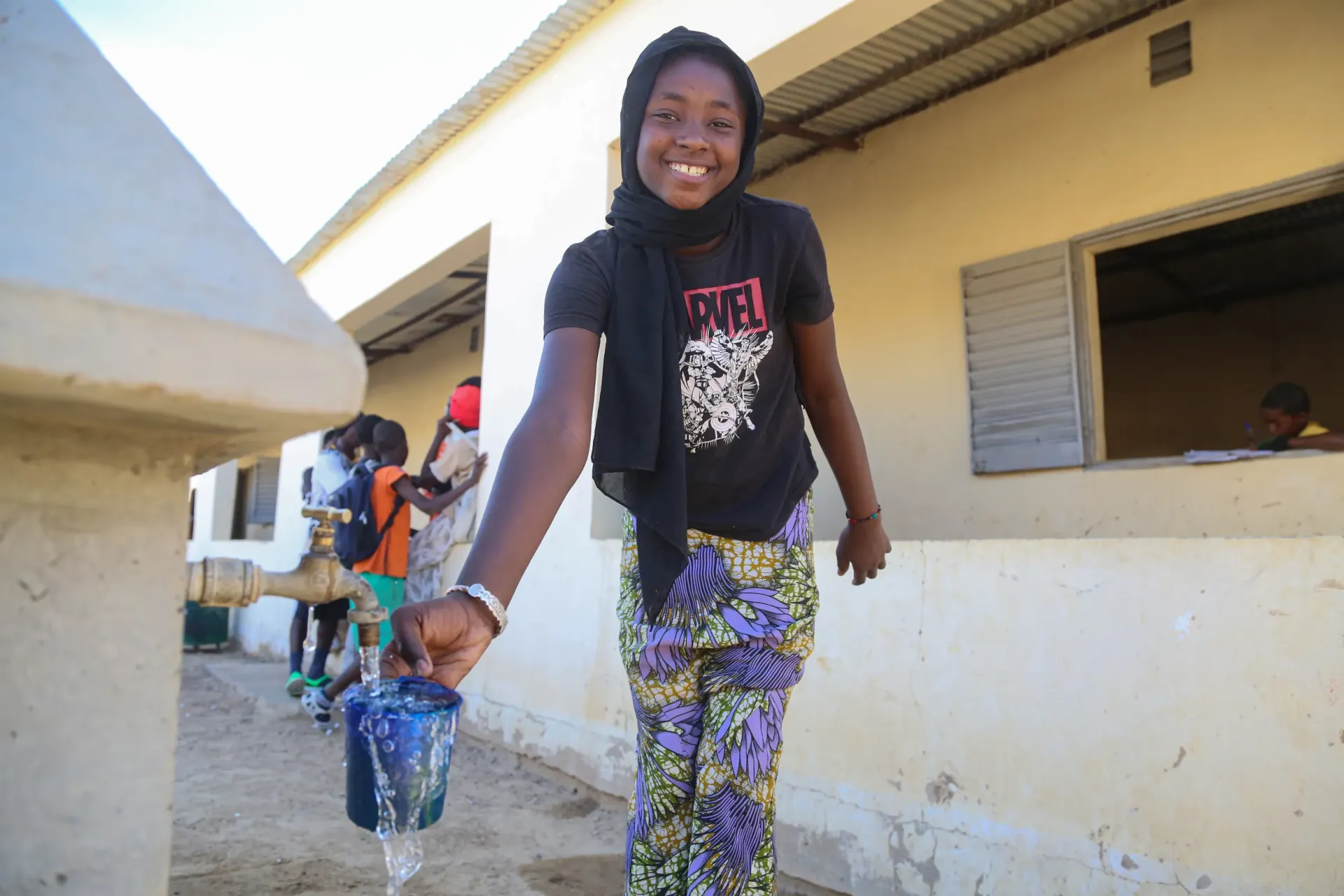
Filling buckets with water and hope.
Access to safe drinking water has made the school community more resilient and protects children from the effects of climate change.
- Français
- English
For a long time, Hamadoun Bocoum Basic School, located in Boulinkobé, a peripheral neighborhood of Niafunké in the Timbuktu region, symbolized the difficulties faced by thousands of Malian children - limited access to safe drinking water, deteriorated toilets, a lack of hygiene facilities, and a school environment marked by the effects of climate change. In this region where droughts are intensifying, soil is degrading, and resources are becoming scarce, children are often the first to feel the consequences.
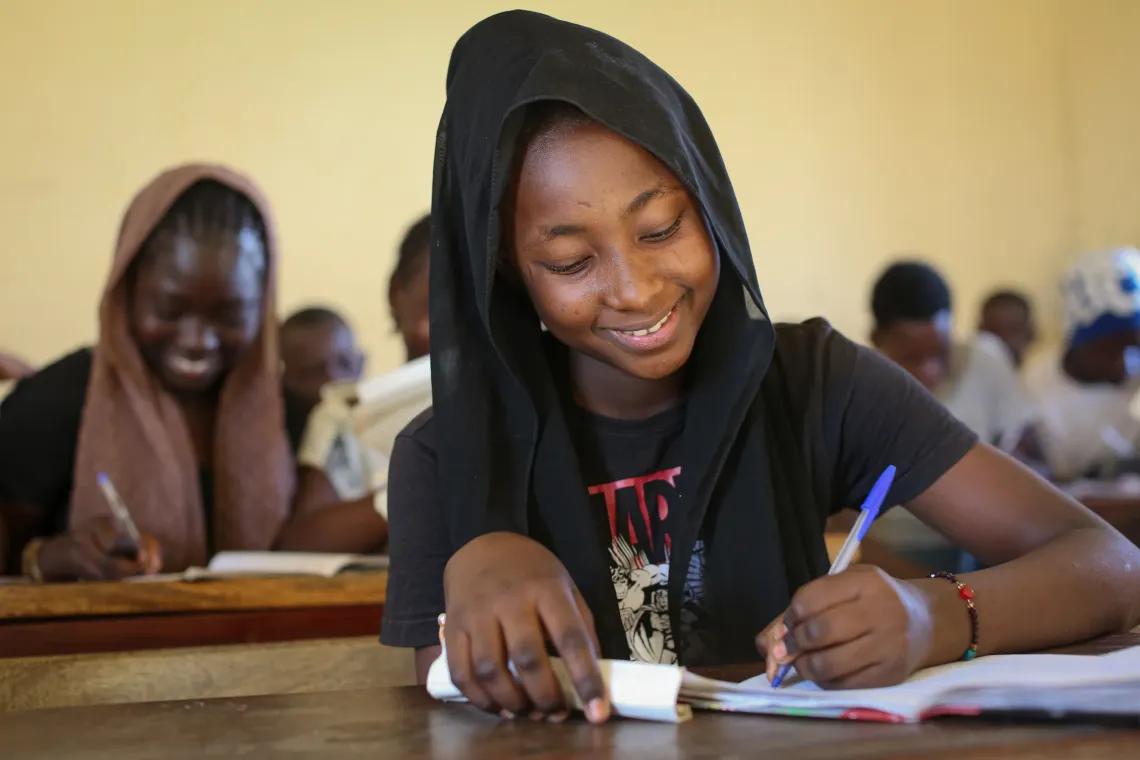
Among them is Awa, 12 years old. Her day started long before others did.
“I used to go fetch water before school. The bucket was heavy, and I arrived already tired.”
Like her, the roughly 400 students at the school lived with daily hardship. Waterborne diseases were common, girls frequently missed class during their menstruation, and teachers struggled to provide a calm learning environment.
“My children sometimes missed school because of diarrhea. We felt truly helpless,” recalls Mrs. Fatouma Ascofare, mother of six.
This situation reflects a national reality. In Mali, only 48 per cent of the population has access to basic sanitation, and 4 per cent still practice open defecation, according to the Joint Monitoring Programme (JMP 2025). In an increasingly unstable climate, these vulnerabilities worsen.
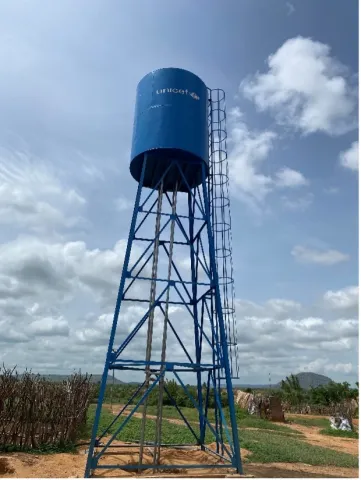
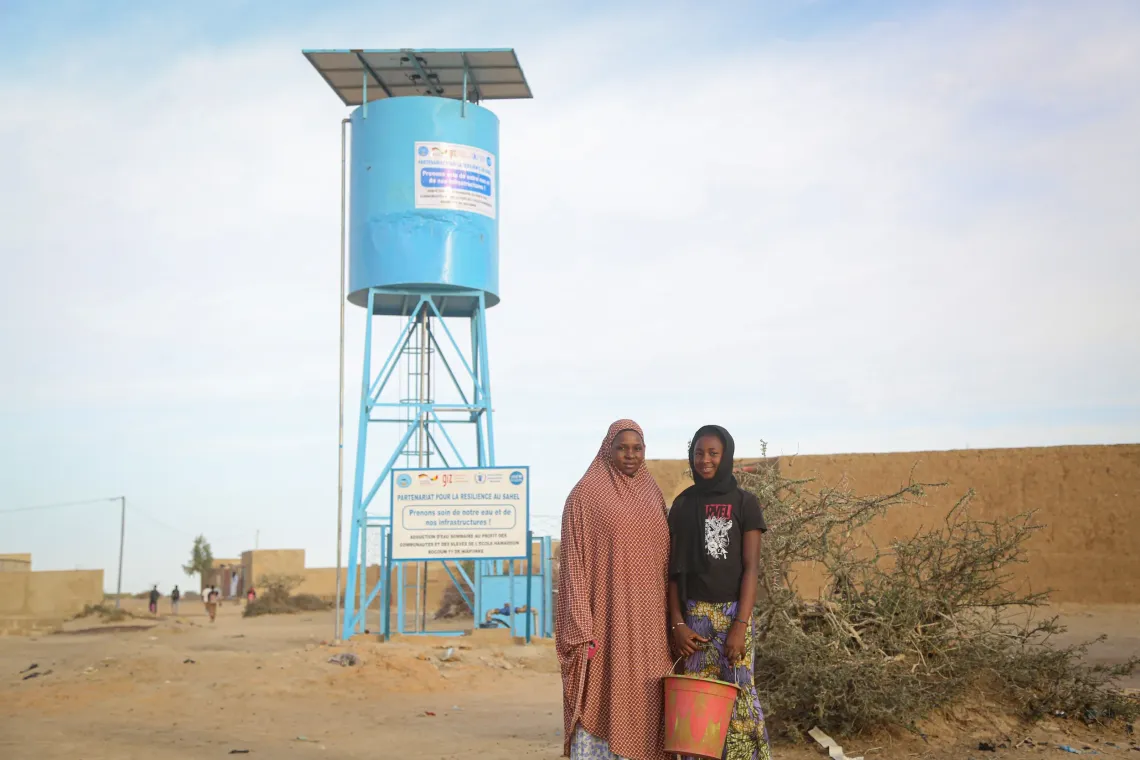
It's in this context that UNICEF, as part of the Sahel Resilience Partnership, supported the installation of a solar-powered borehole equipped with a Simple Water Supply System.
"Powered by solar energy, the system reduces dependence on fuel, limits emissions, and guarantees continuous water service even during power cuts, thereby strengthening the school’s and community’s climate resilience," says Salia Diallo, UNICEF WASH Officer in Timbuktu.
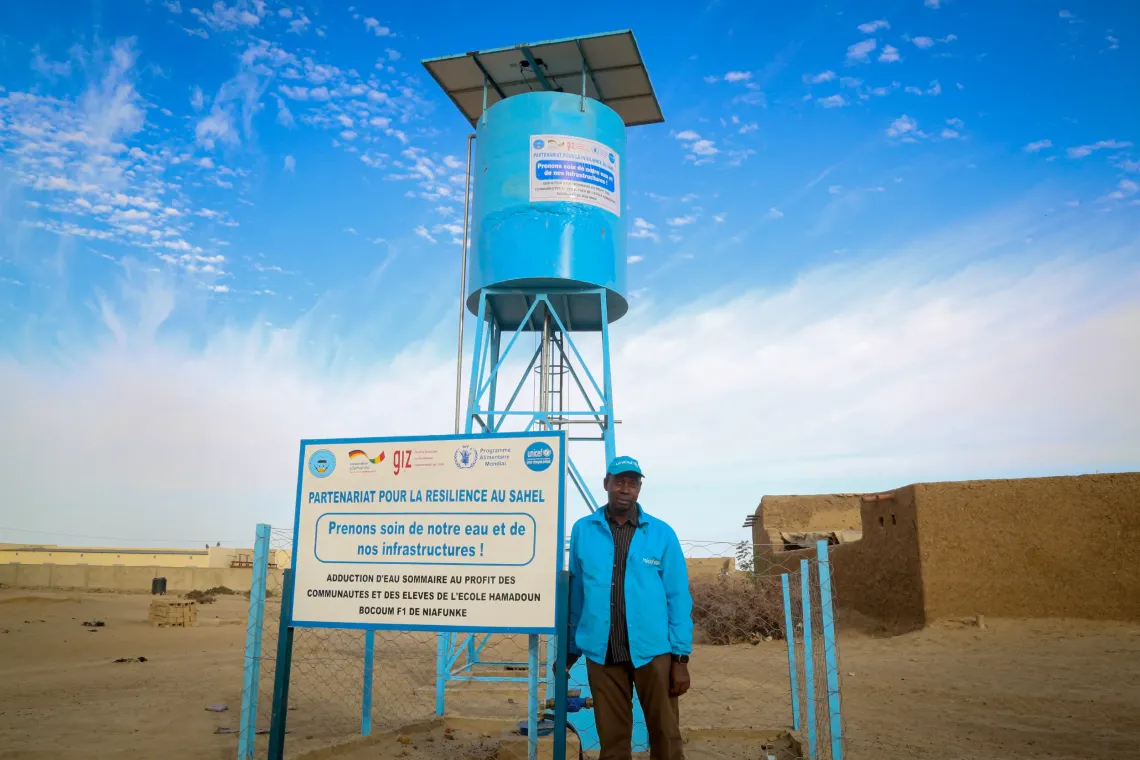
The school was selected by the Timbuktu Teaching Academy and the Niafunké Pedagogical Support Center, while the technical monitoring of the borehole construction was carried out by the Regional Directorate of Hydraulics of Timbuktu. In a short time, four water points—two for the community and two for the school—were installed. This water supply system also reduces pressure on traditional water sources, which are often affected by drought and increasing climate variability in the region. It was not just a technical project, but a solution designed and co-created with parents, teachers, community leaders, and the students themselves.
The arrival of water marked a turning point. “Children arrive clean, on time, and above all, focused. Water has transformed our school,” explains Mr. Abdoulaye Touré, a teacher with a decade of experience. Awa, who once walked long distances to fetch water, now says: “I come straight to class. I’m not tired anymore.”
GIZ, WFP and UNICEF are working together as part of the Sahel Resilience Partnership, alongside local authorities and implementing partners, with financial support from German Cooperation (BMZ).