DELIVERING AS ONE TO CHANGE LIVES!
The municipality of Kaboila, in the Sikasso region, has undergone a true transformation, thanks to an collaboration between three agencies of the United Nations system.
- Français
- English
The municipality of Kaboila, in the Sikasso region, once affected by various crises, has undergone a true transformation, thanks to an exceptional collaboration between the United Nations Children’s Fund (UNICEF), the World Food Programme (WFP), and the Food and Agriculture Organization (FAO), three agencies of the United Nations system, with funding from the Swedish Government. By delivering as one, these three organizations have succeeded in positively impacting several crucial aspects of the lives of the inhabitants of Kaboila by offering multifaceted support aimed at radically transforming them. This integrated approach has maximized the impact of each agency's interventions and created an environment conducive to harmonious and sustainable development.
To develop, one must be healthy…
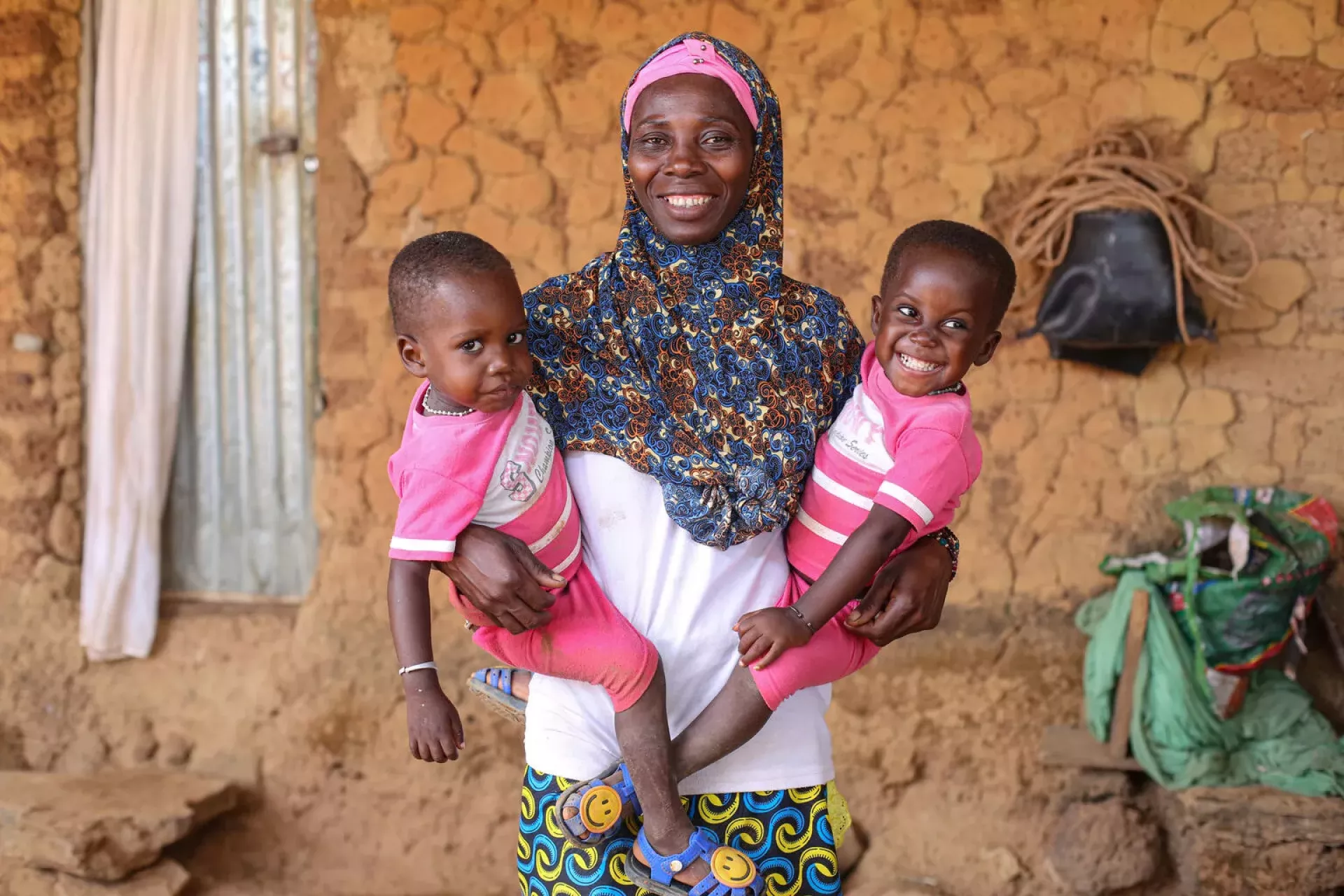
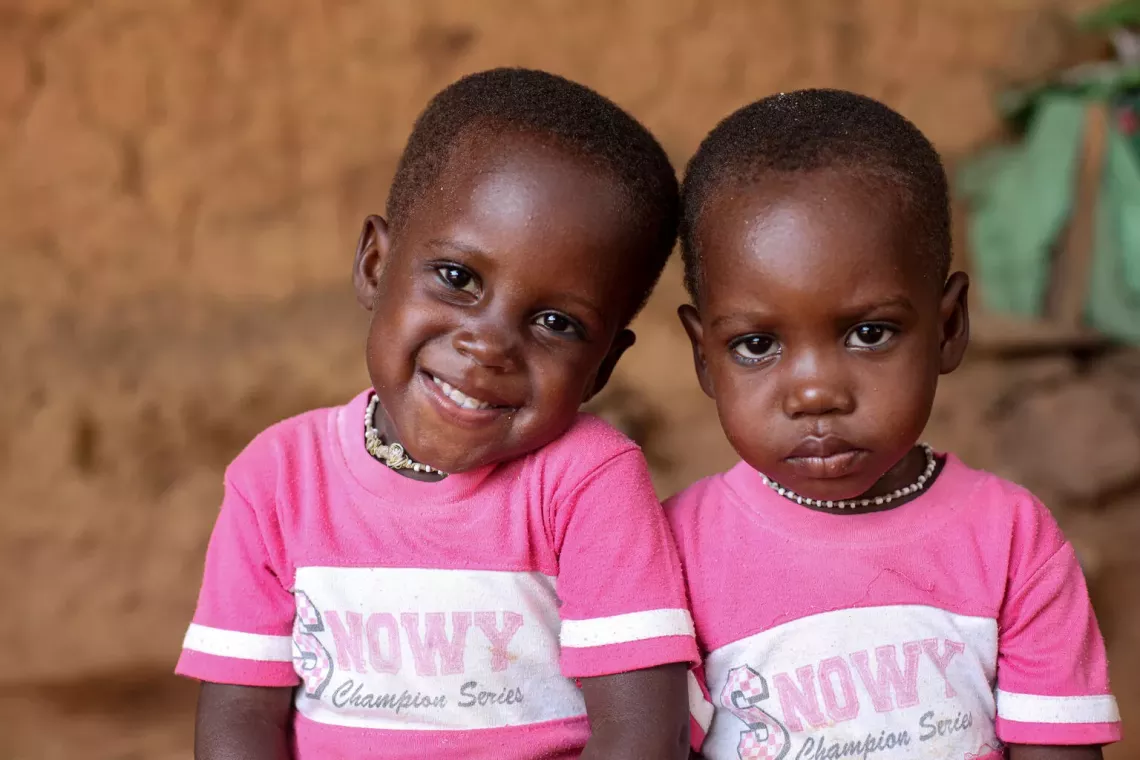
With nutrition as the entry point of its multisectoral support, UNICEF has made operational 1,548 Support Groups for Nutrition Activities to strengthen the prevention of malnutrition in all its forms and improve the management of malnutrition cases. Among the beneficiaries of this project is Hawa Sanogo, a courageous mother whose twins, once malnourished, regained their health thanks to the combined efforts of partners and community actors. Hawa remembers with emotion: "My children were too thin, and it made me sad, the therapeutic food really saved my twins' lives."
A healthy community in a healthy environment…
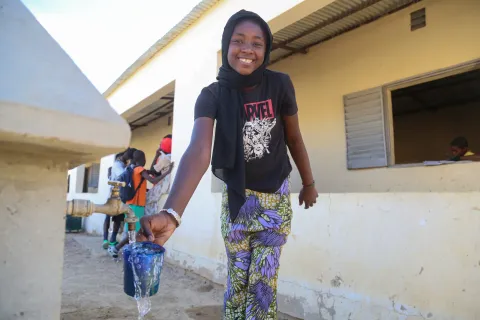
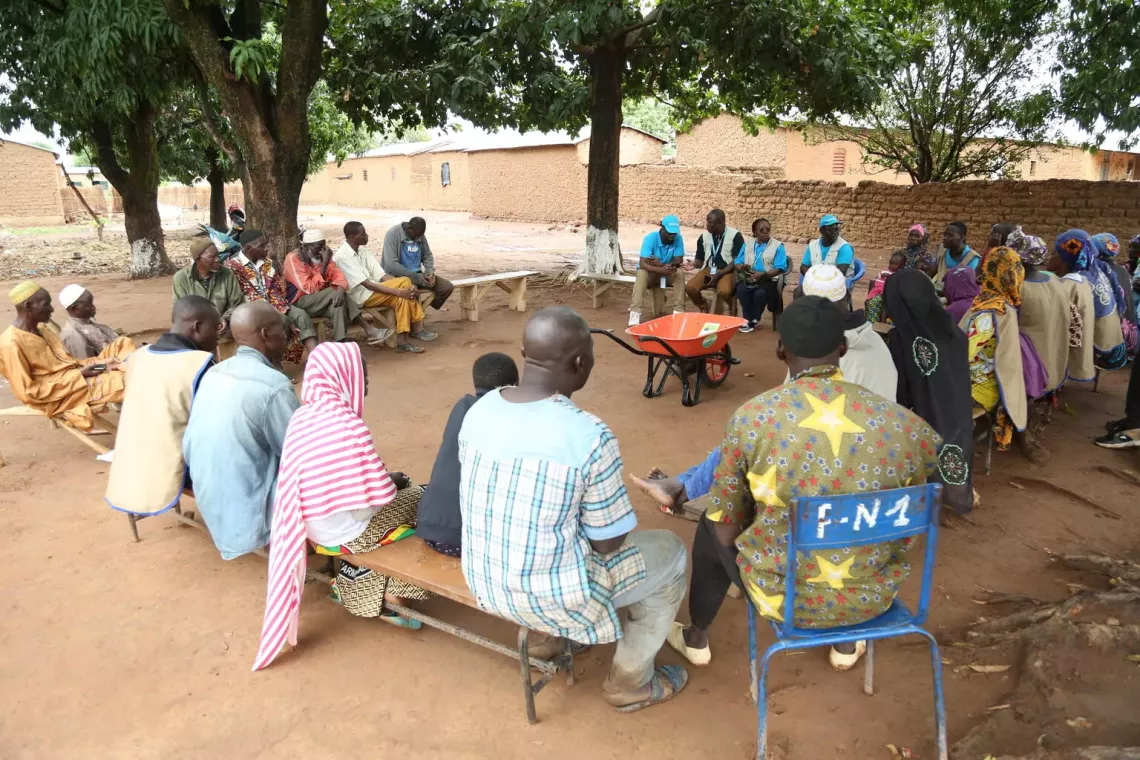
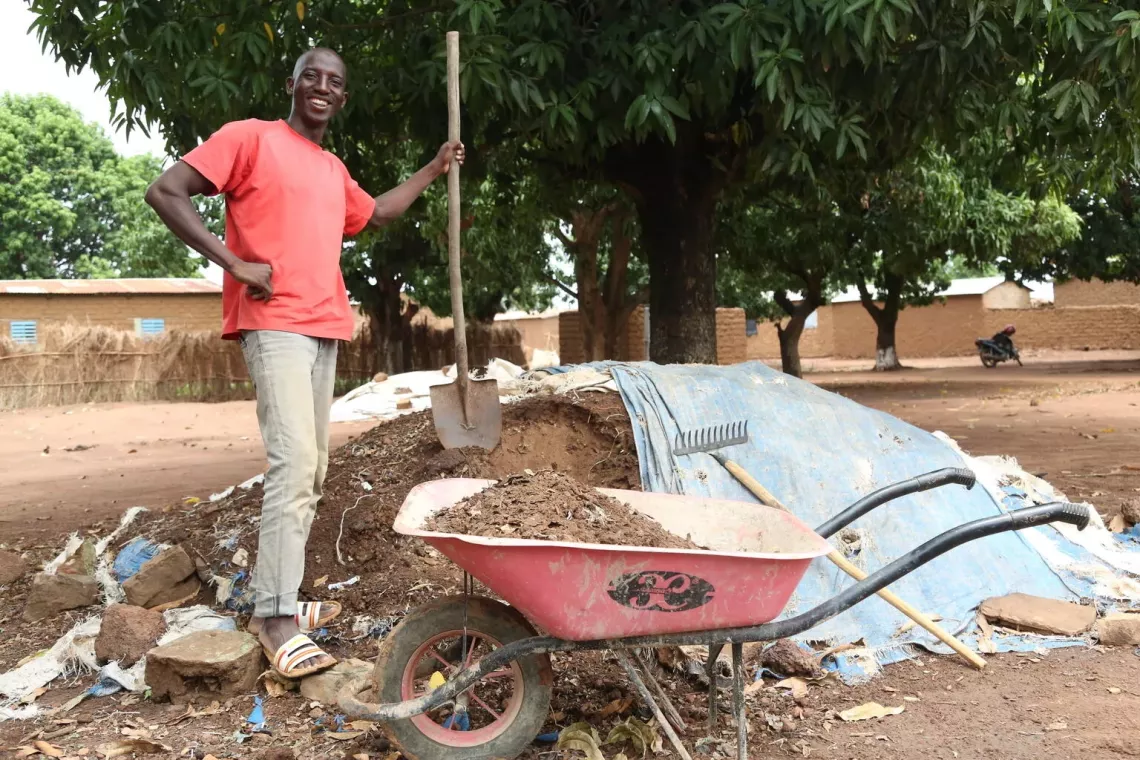
Access to potable water, hygiene, and sanitation remains a major challenge in many regions of Mali, including Kaboila in the Sikasso region. In response to this issue, UNICEF has intensified its collaboration and technical and financial support with the Regional Directorate in charge of hygiene and sanitation, leading to significant results. Together, they have raised awareness among 17,809 people about good hygiene practices, and eradicating open defecation in the commune of Kaboila. Also, innovative initiatives have been put in place to train youth in transforming waste into compost used as fertilizers in the fields. This activity not only improves soil fertility but also generates income for the residents, thus illustrating a holistic approach that combines public health, environmental sustainability, and economic development. This success is a compelling testimony to the positive impact of strategic partnerships and integrated interventions.
Abdoulaye Berthé, one of the young beneficiaries and agents of change, argued "Waste is no longer a problem, it is rather a source of income."
Dynamize the local economy...
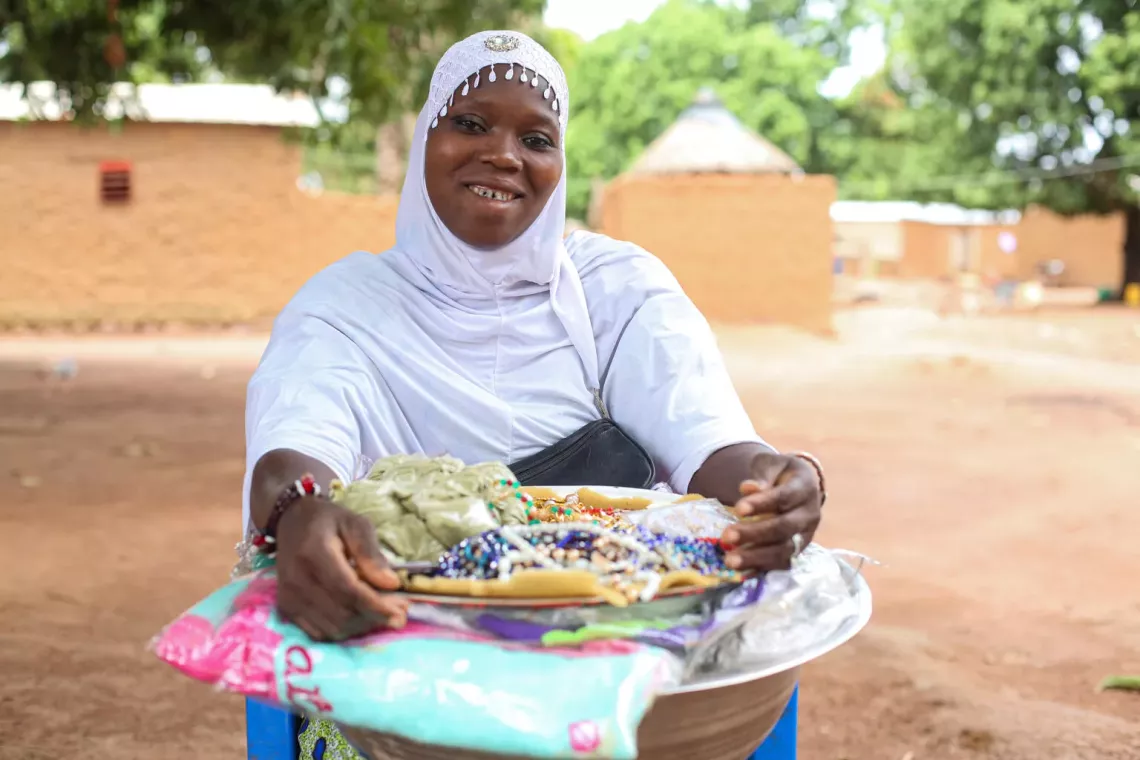
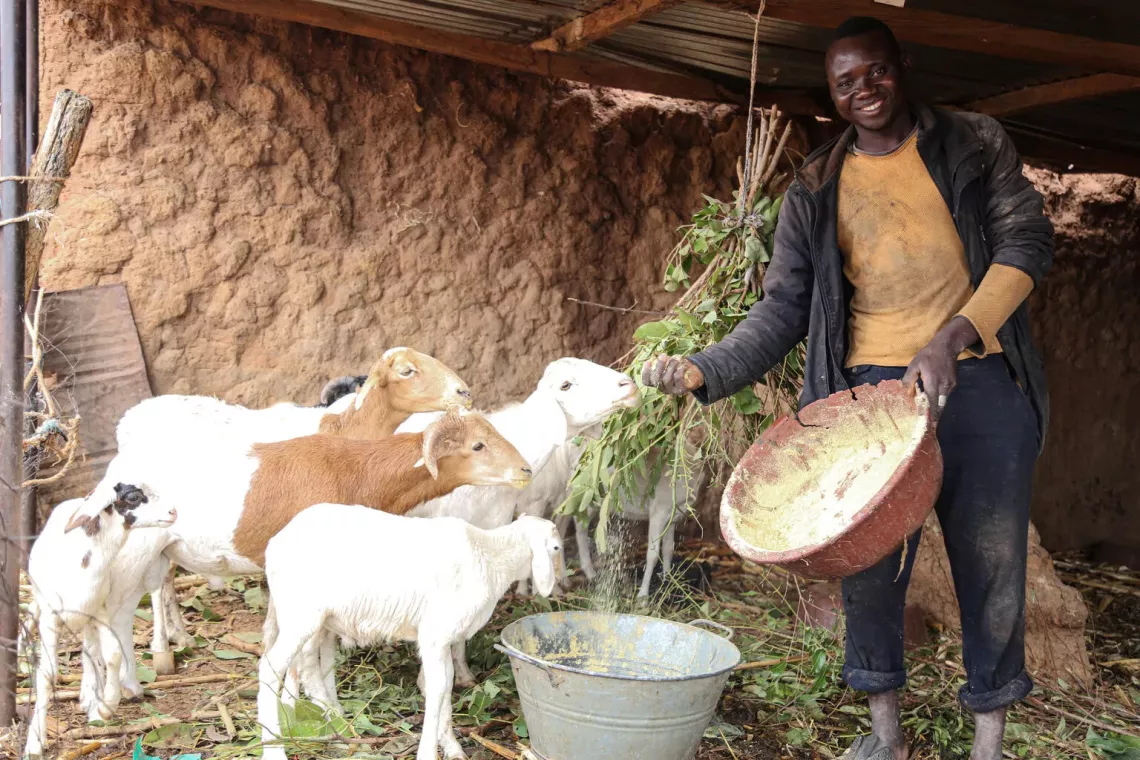
The World Food Programme (WFP), through cash transfers, has played a significant role in enhancing the autonomy of the residents of Kaboila commune. By directly funding the income-generating activities of the residents, WFP has enabled 100 families to improve their economic situation. This financial support has not only helped beneficiaries meet their essential needs but has also encouraged and facilitated initiatives and entrepreneurship within the community. Thanks to this intervention, residents have been able to invest in sustainable projects, boost the local economy, and strengthen their resilience against economic challenges.
A more resilient agriculture...
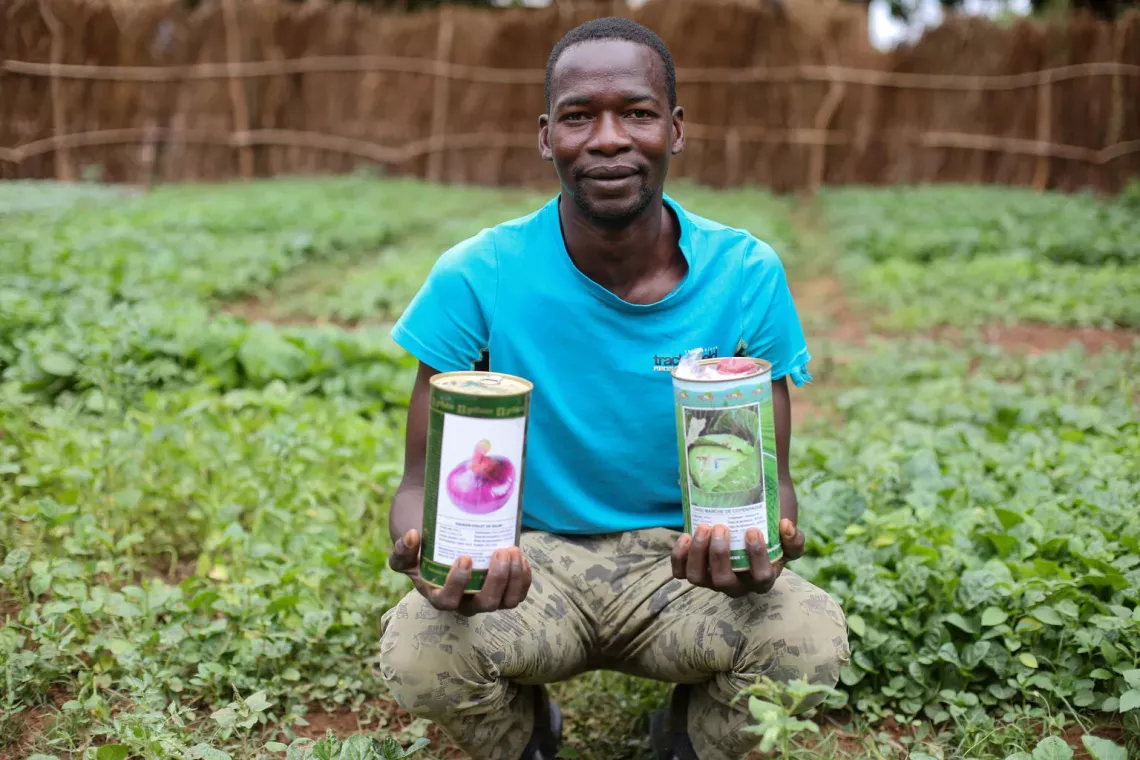
FAO’s expertise has transformed the lives of farmers in the community by significantly improving agricultural yields. Thanks to the introduction of new farming techniques and the distribution of high-quality agricultural inputs, 3,990 farmers have been able to significantly increase their yields. Skills upgrade and provision of equipment have been very valuable in a community where agriculture is the main source of livelihood. This FAO intervention has not only strengthened the food self-sufficiency of families but has also contributed to the resilience and sustainable prosperity of the entire community.
Today, Kaboila is no longer the same community it used to be when it was ravaged by multifaceted crises including food and nutrition ones. It has become a model of integrated and harmonious development. Children, such as Hawa Sanogo's twins, benefit from better food, good nutrition, and a healthier living environment. The youth contribute to environmental protection by turning waste into fertilizers for fields and into additional sources of income. Families, supported by cash transfers, see their economic independence strengthened. Finally, farmers, with the expertise and resources provided to them, are increasing their yields and making more nutritious foods available, thereby enhancing the food security of the community and enabling children to benefit from good nutrition in quantity and quality.