Healthcare group in Madagascar: Community leaders commit to vaccination
Care Group launch in Androy boosts efforts for zero-dose children.

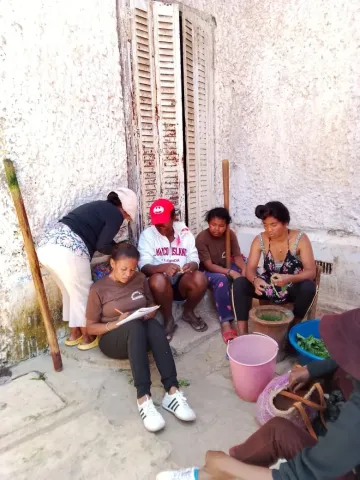
Madagascar is implementing the ‘Care Group’ approach for the first time, with support from Gavi, the Vaccine Alliance, through UNICEF and its partners, in the Androy region in the south of the country. The project aims to help hesitant mothers of zero-dose and/or under-vaccinated children under five (5) to overcome barriers to vaccination and make greater use of primary health care.
More than 1,300 community workers – mothers and fathers of fully vaccinated children – are currently being trained and mobilized. Their role is to strengthen interpersonal communication by sharing their own experiences of vaccination.
A preliminary baseline study, conducted by the Vonjy IV NGO in May 2025, laid the groundwork for implementation. The results were presented at a workshop held on the morning of 21 July 2025 in Ambovombe, followed by the regional project launch workshop coordinated by the SAHA and Tokontany Iraisana NGOs.

Health and political-administrative authorities have acknowledged that the results of the baseline study reflect the reality in the Androy region. They have actively participated in identifying solutions to help parents and health and community workers effectively and sustainably address barriers to child immunization.
Emmanuel Tody, Deputy Chief of the Beloha district, recommended strengthening the commitment of community leaders: ‘All I want is for all children in the Androy region to be fully vaccinated. I am confident that the Care Group approach will strengthen coordination between stakeholders and concrete actions by community leaders.’
Foliantsoa Damy, Mayor of Bekily Central, proposed strengthening multisectoral collaboration: "Parents prioritise their children's education and social protection benefits over healthcare due to poverty. Traditional beliefs and practices still play a key role. We will gain a lot by working with the ministries of national education and population, traditional leaders and fokontany (village) chiefs."
Health officials recommended mobilizing influential community members and integrating health services. According to Mary Tahina, Acting Head of the Behabobo Health Center in Beloha district: “It will be essential to collaborate with traditional healers and birth attendants for referring children who need catch-up vaccinations, as families often turn to them first when illness occurs.”
Vaviniriako Ange Tiana Rasendrasoa, second staff member at Anjana Nord Health Center in Bekily district, added: “Mothers are more motivated to overcome the fear of side effects after vaccination and to bring their children for immunization when they can access other health services during their visit to the health center. We must strengthen service integration.”