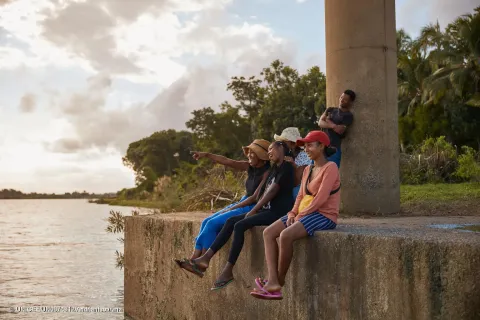
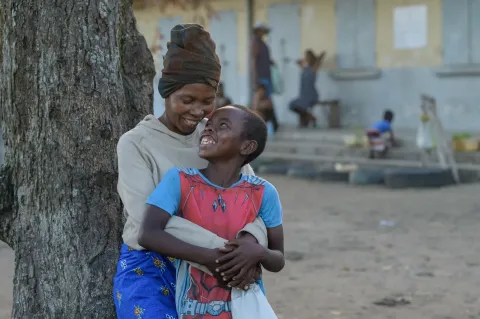
Aimélia, 14, is proud of her education and determined to achieve great things.
In the commune of Tataho, Aimélia's story illustrates how the Let Us Learn program is transforming the lives of teenage girls, enabling them to pursue their education in better conditions.
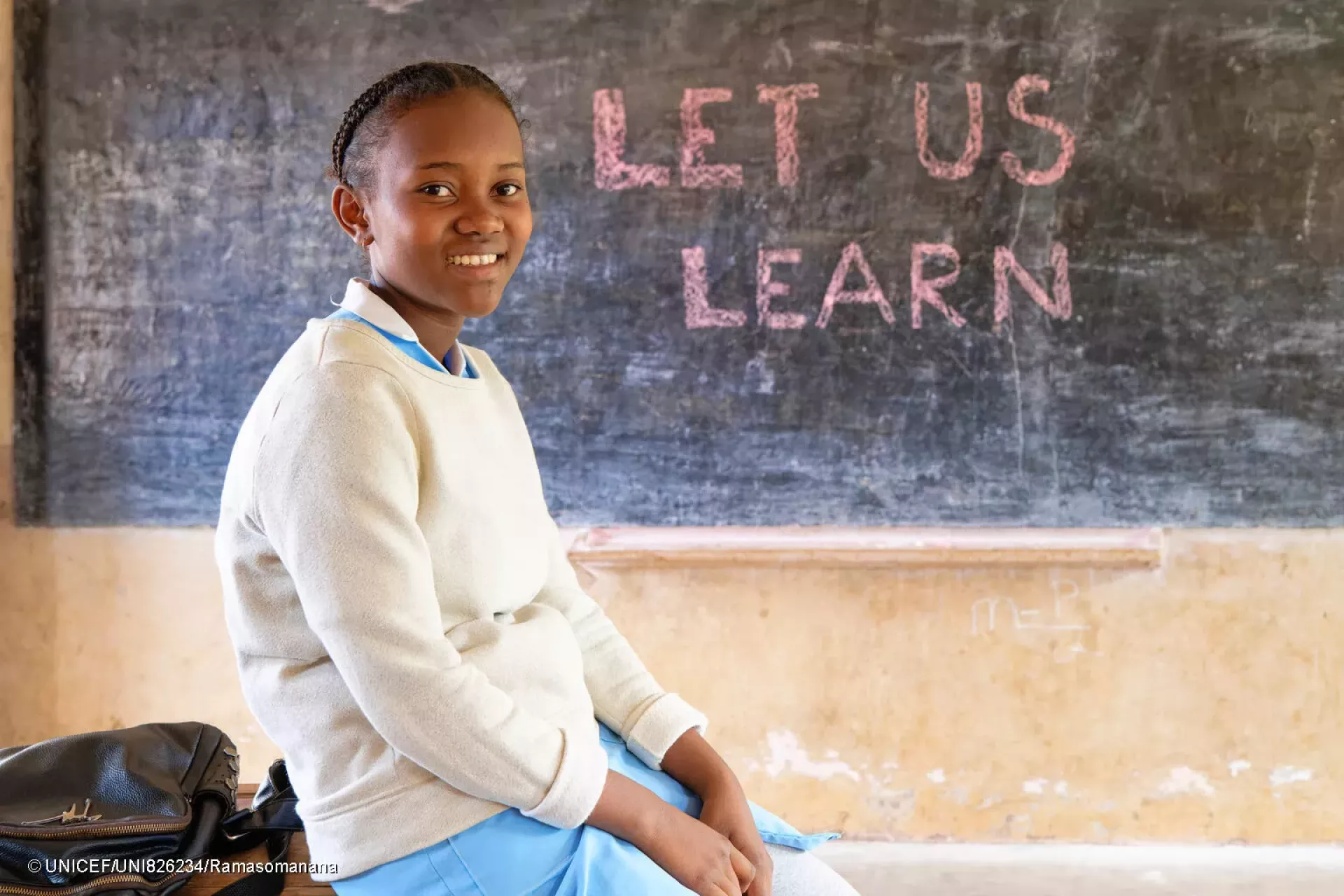
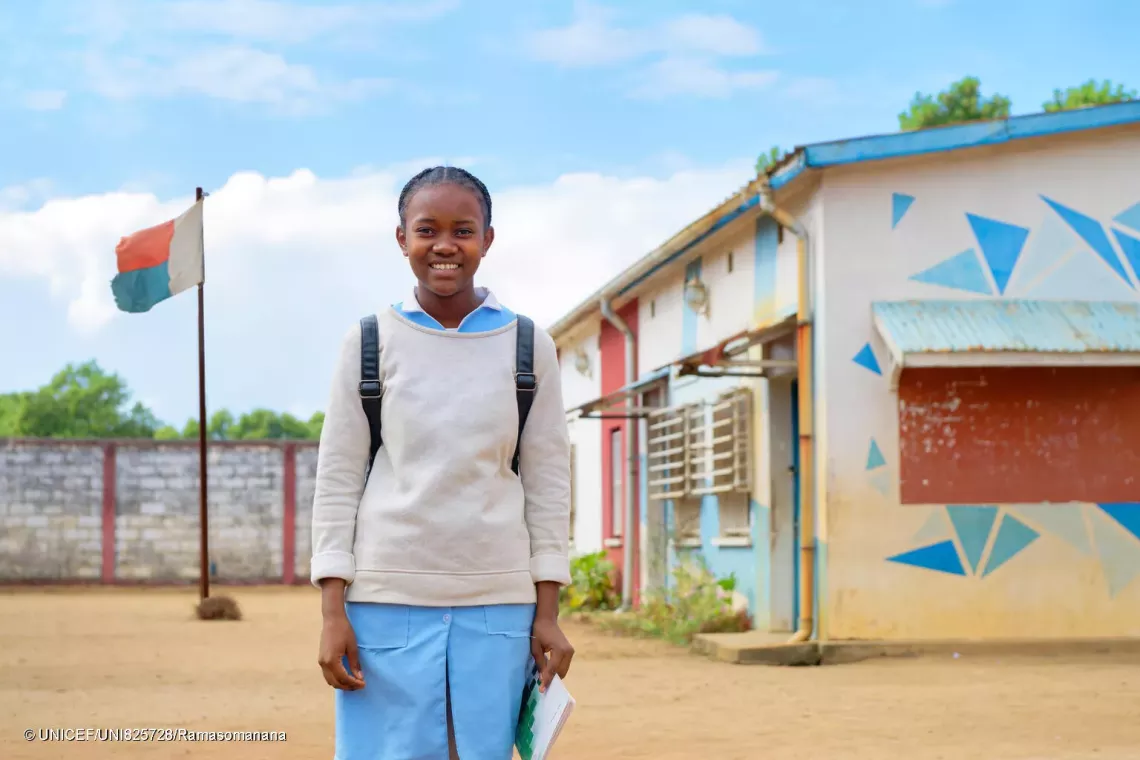
It's the end of the school year at MANAKARA referral middle school in south-eastern Madagascar. In the courtyard, students are playing dodgeball under a cloudy sky typical of winter in this region. Among them, 14-year-old Aimélia is beaming. “I can't wait to find out the end-of-year results,” she confides. Brilliant in mathematics, she consistently comes second in her class.
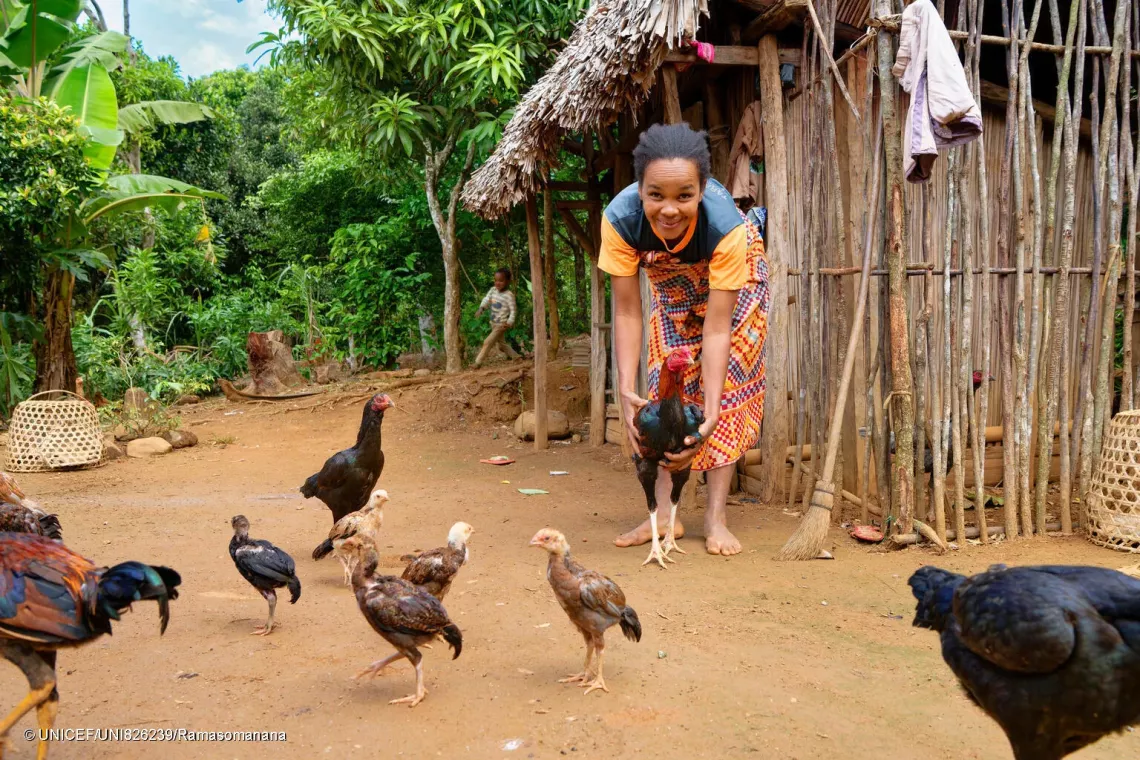
Aimélia, the eldest among four children, lives in Mahatsinjoriaka, a village in the commune of Tataho, four kilometers from her school. Her two younger sisters, Mialisoa (9) and Tsiory (6), also attend school, whereas her little brother, Benjamin, aged 4, is not yet old enough to go to school and often stays with their mother. Their parents, farmers and poultry breeders, have seen their daily lives improve thanks to the monthly allowance from the Zara Mira program, which UNICEF and their partners support.
This monthly allowance of around US$2.30 per child, paid every two months to the household, is used to meet basic needs, notably the purchase of school supplies. Part of it is even invested in a community savings group.
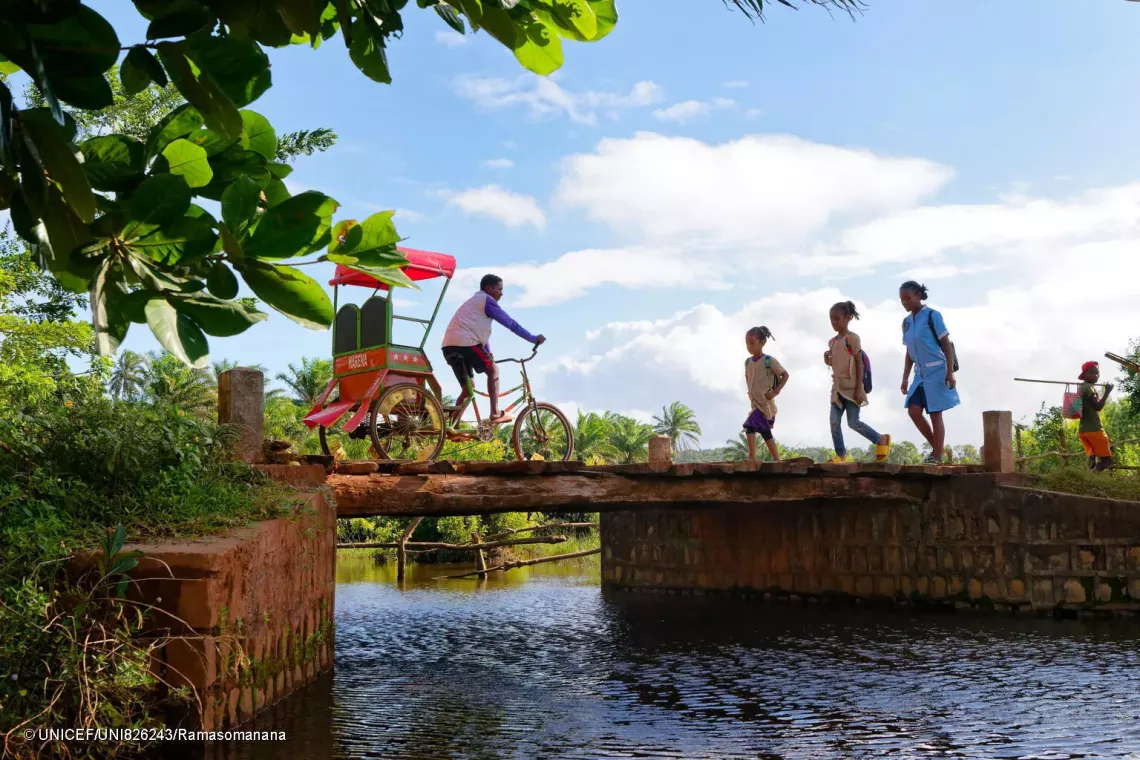
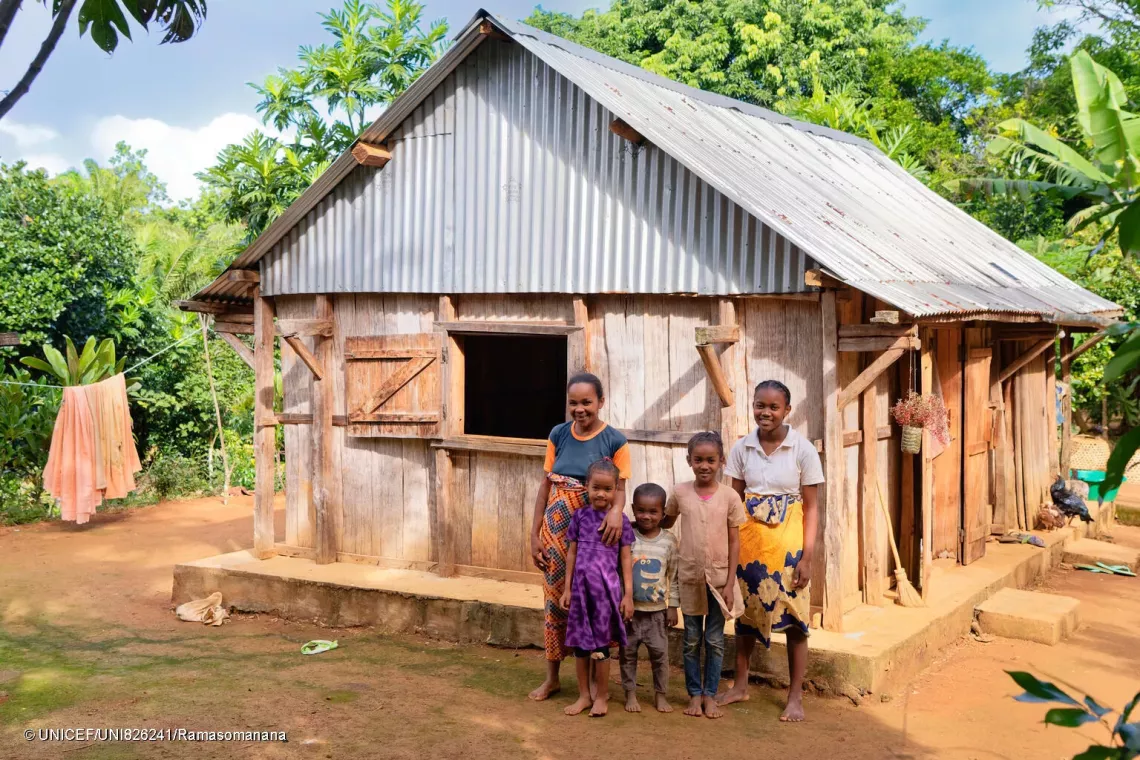
« These funds arrived at the right time, following the 2021 cyclones that destroyed our clove crops. Thanks to it, we can keep our children in school and improve our daily lives a little," says their mother, Lucie Rasoavelonjanahary.
Let Us Learn: Much More Than an Assistance Program.
This allocation is also associated with the Let Us Learn program, now in its fifth phase after 15 years of implementation. This multi-sectoral program aims to improve access to and retention in secondary education, particularly for girls, by combining actions in education, child protection, social protection, and community involvement.
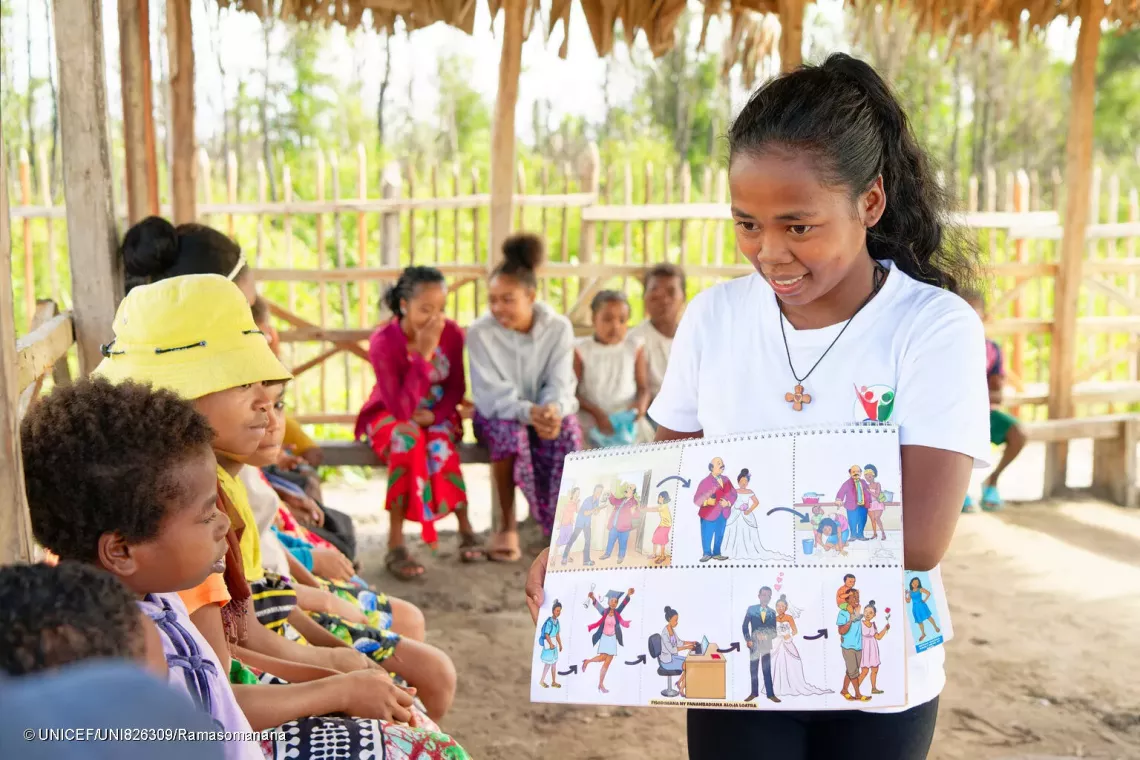
In Tataho, seven villages and almost 1,500 households benefit from the cash transfer. Children like Aimélia are also supported thanks to listening groups, where they discuss topics such as children's rights, protection against violence and menstrual hygiene.
“Every Saturday, I learn useful things as a girl and as a student,” explains Aimélia.
Communities committed to girls' future
The Let Us Learn program also actively mobilizes communities. Through school management committees called FEFFI, composed of principals, local elected officials, parents, community representatives and other stakeholders, everybody is committed to making sure that every girl has the opportunity to go and remain in school. Lucie, the mother, is categorical: "I'll do everything to ensure that my daughters finish their studies. I had to stop in 4th grade, and their father in 3rd. I don't want them to experience the same regrets.
It takes Aimélia about 30 minutes to walk to school, four times a day. It's a demanding routine, which she keeps up to carry on her studies. She loves learning, spending time with her classmates, and dreams of becoming a midwife, to care for and help others in her community. Today, thanks to the families' engagement and the program's support, 82% of Tataho's children attend school.
« 'm proud to be a girl, and I'm conscious of the opportunity I have. Going to school is what will give me a better future." - Aimélia, 14 years old
« Thanks to the listening groups, I've learned what my rights are. Now I can also advise my friends on how to avoid an early pregnancy." - Yolande, 14 years old
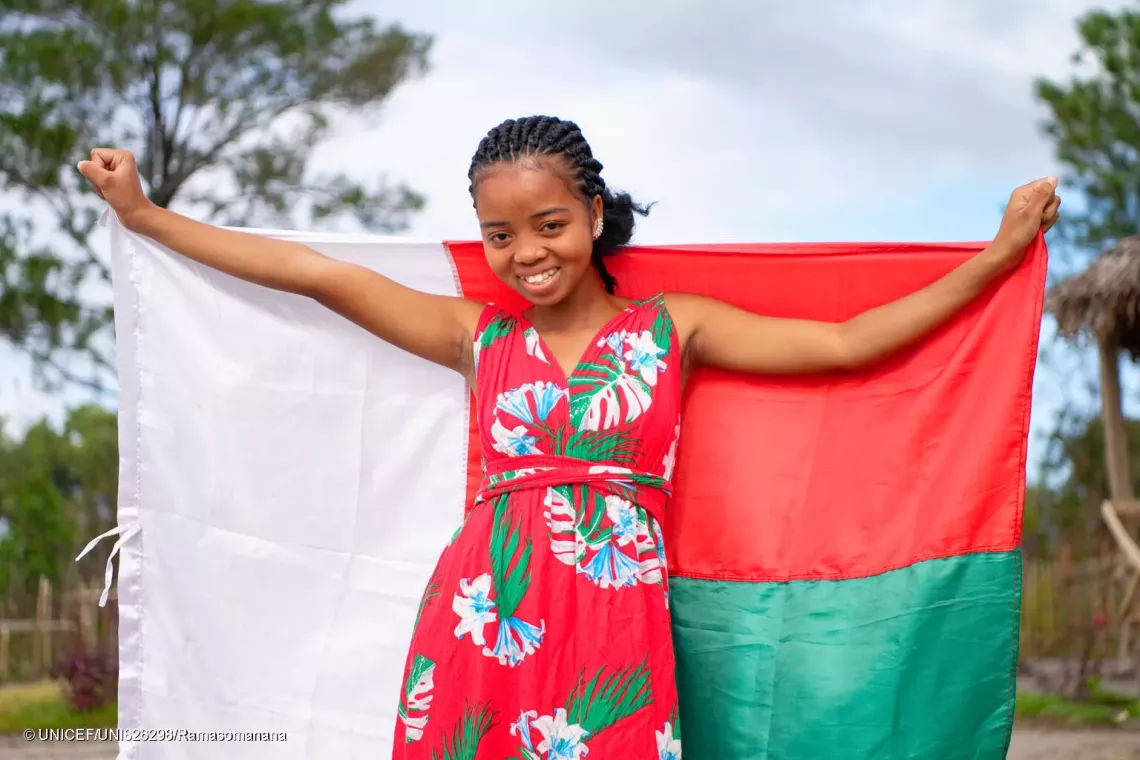
«In our commune, we have zero tolerance for violence against children. - Randriamaro Gaston, Mayor of Vohilany.
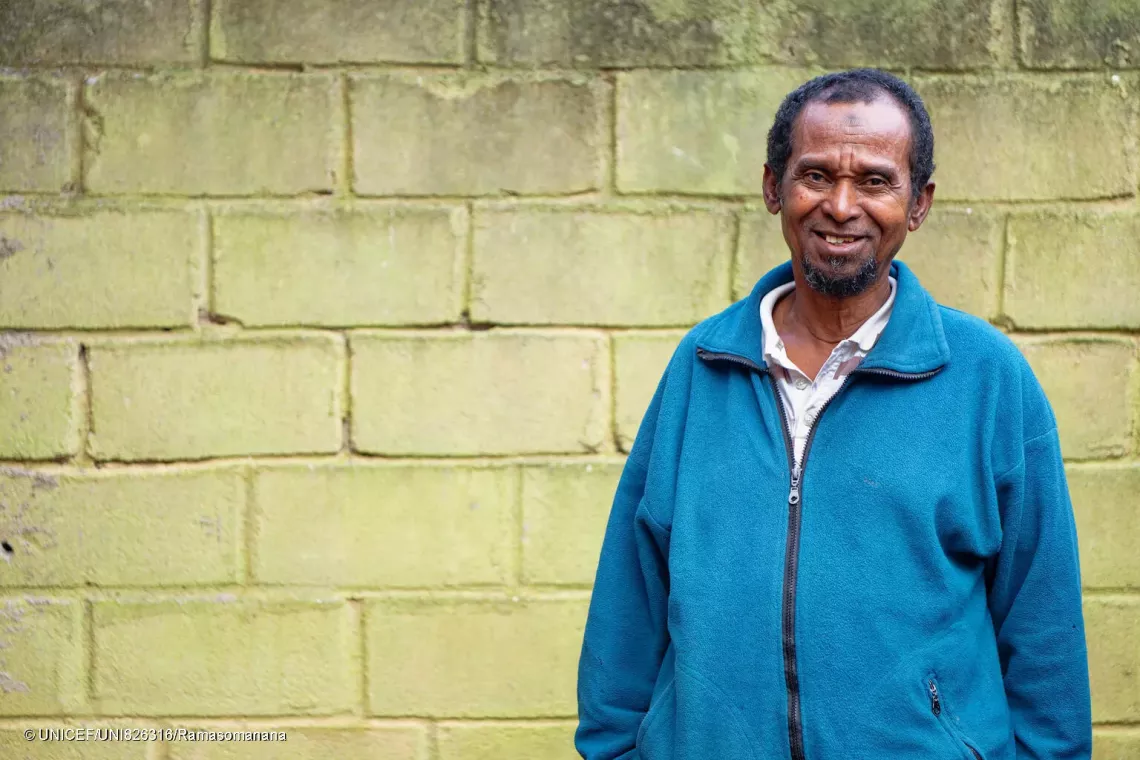
« I'm committed to the school's management committee, FEFFI, to ensure that every school-age child is in school." - Razafimiadana Bénédicte, principal of Manatosikora middle school
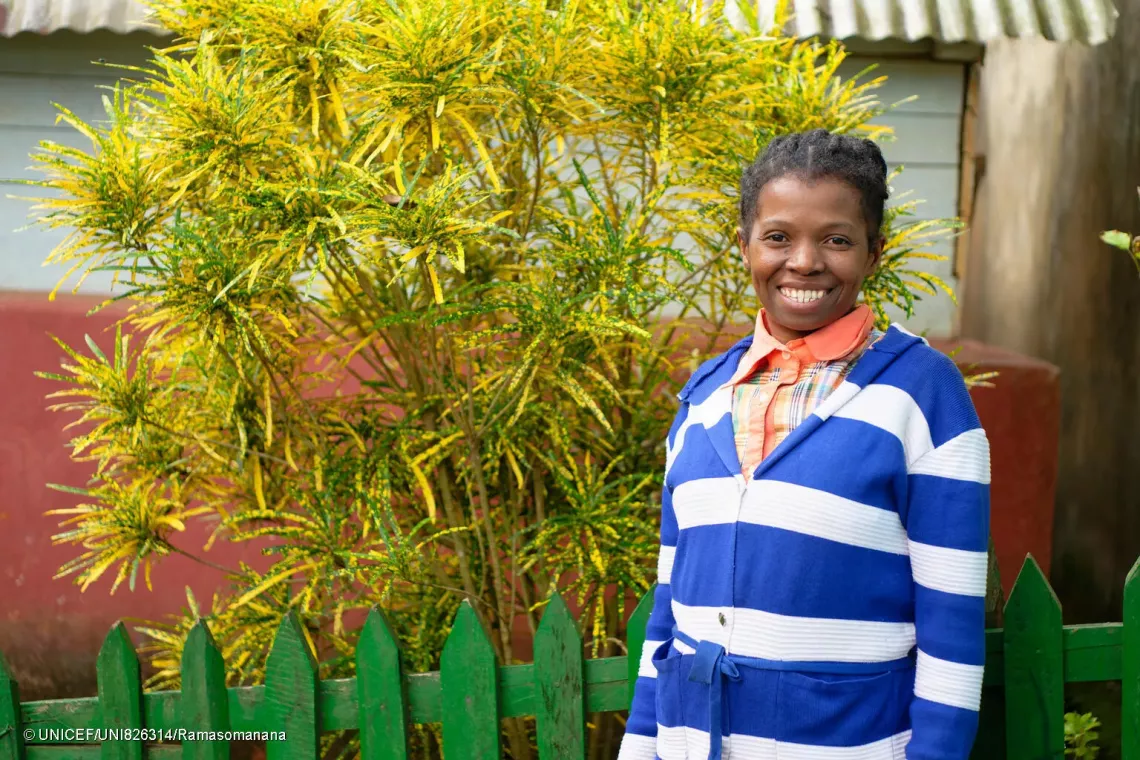
« As the village elder, I make sure that no violence is committed against the girls at the school." - Randriamanantena François, president of FEFFI in Vohilany.
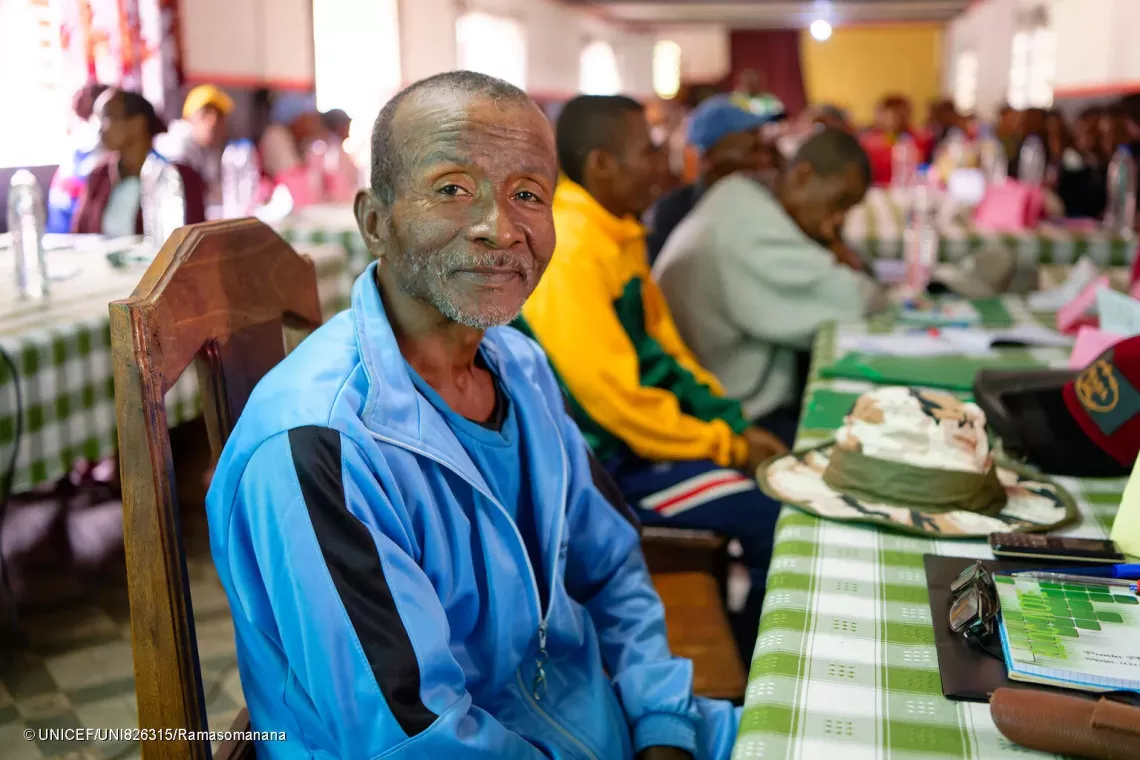
Note: The Let Us Learn program is made possible thanks to funding from the Findel Foundation and the German Committee for UNICEF. The same applies to the Zara mira universal child allowance and equal opportunity allowance program in the Tataho commune.