1000 days to grow up
Choose good practices to ensure the health and development of the child
- Français
- English
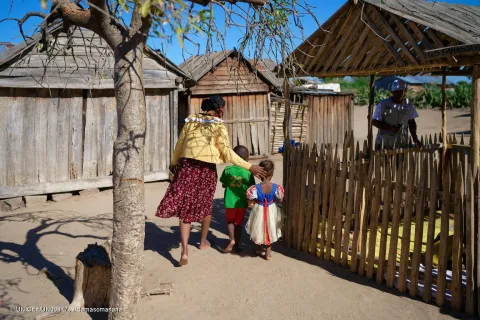
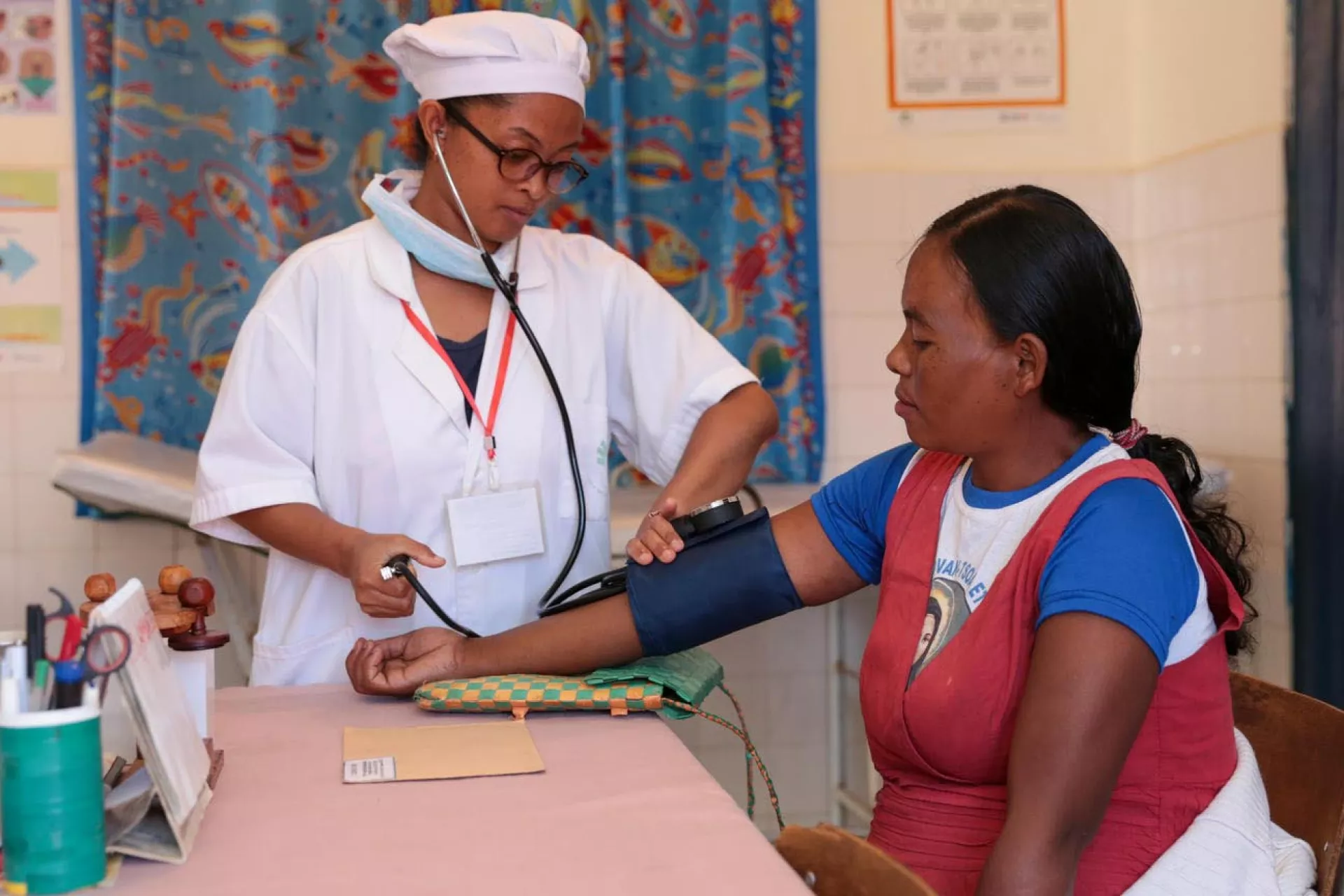
Raveloarisoa Lydia, 32 ans est enceinte de huit mois. Elle habite avec son mari et ses trois enfants dans la commune rurale d’Ambanitsena, à 20km de la capitale Antananarivo (Région Analamanga). La famille vit de l’agriculture notamment de la culture de manioc, de patate douce, de haricot et d’autres légumineuses. Durant sa grossesse, Lydia n’a jamais oublié ses rendez-vous de suivi du bébé et de sa santé auprès du centre de santé d’Ambanitsena malgré les tâches ménagères qui l’accaparent au fil des journées. D’autre part, elle fait aussi régulièrement des visites de proximité au niveau du site de nutrition communautaire, mis en place par le gouvernement, pour bénéficier des conseils de l’agent communautaire en matière de santé et de nutrition. Désormais, elle met en pratique ces conseils à la maison et toute la famille mange des aliments sains, variés et diversifiés comme les légumes verts, la viande, les produits laitiers, les fruits, …
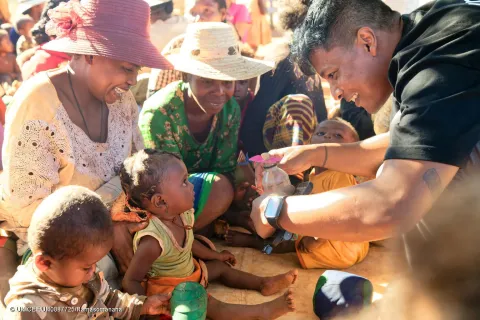
Dans la région d’Analamanga, les agents communautaires et les agents de santé travaillent main dans la main pour offrir aux mères et aux enfants les conseils et les services adéquats en santé et en nutrition. De ce fait, 5042 agents communautaires ont reçu la formation sur la malnutrition chronique dans cette région.
All my sisters gave birth at home with the help of my mother.
Despite the fact that her mother is a matron, Lydia has always delivered at a basic health-care centre because she is convinced that only the health centre can offer her the necessary services to ensure better health for herself and her child. In Madagascar, matrons are traditional birth attendants who are highly respected in the communities. "All my sisters gave birth at home with the help of my mother. Since my first child, I have decided to come to the Basic Health-care centre because it reassures me to see the equipment and qualified staff who take care of monitoring my health and that of the baby," explains Lydia.
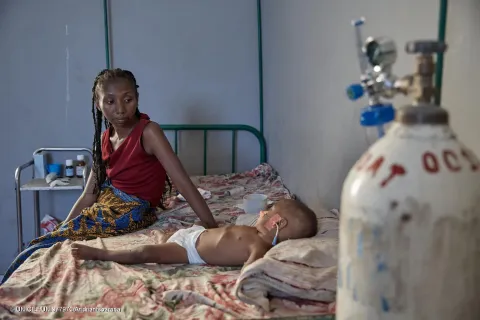
In Madagascar, despite the fact that more than 86% of pregnant women have kept their appointments at the health centre, only 51% have completed the 4 prenatal consultations recommended by the World Health Organization (WHO) for better monitoring of pregnancy and its outcome. In addition, about one in two children (47%) is chronically malnourished (or stunted), which means that they are small in size for age. Stunting is not just a child who is too small for his or her age, it is a child who is more likely to get sick and more likely to die. It is a child who will suffer from an irreversible reduction in cognitive development and a reduction in school performance.
Ensure the first 1000 days to fight chronic malnutrition
Good infant and young child feeding (IYCF) practices and good maternal nutrition are essential to reduce the burden of disease and death among infants and young children. The period between the beginning of pregnancy and the first 24 months of a child's life provides a unique window of opportunity in the life cycle to effectively combat malnutrition in the short and long term. After the age of 2 years, growth retardation can no longer be caught up.
The best way to combat this scourge is to adopt a multisectoral approach with interventions that include health, nutrition, water, sanitation and hygiene (WASH) and early childhood development in the critical first 1000 days of life. The first 1,000 days of life, the approximate period between conception and a child's second birthday, is a unique time to lay the foundation for optimal health, growth and neurodevelopment throughout life.
Thus, through its programmes, UNICEF, together with partners and donors such as Takeda, is working at this time to improve the health of women and their children through the provision of quality promotion, prevention and care services at the community and health centre level.
To this end, various good practices are recommended, including prenatal consultation during pregnancy, childbirth and postnatal consultation (PNC) at the Health Centre, good nutrition for pregnant and breastfeeding women, exclusive breastfeeding for the first six months and breastfeeding until the child reaches two years of age, varied and diversified nutrition for the child. Other prevention interventions are equally important for both mother and child, such as vaccination rounds, screening for sexually transmitted infections/HIV, use of intermittent preventive treatment for malaria and long-lasting insecticide-treated nets.
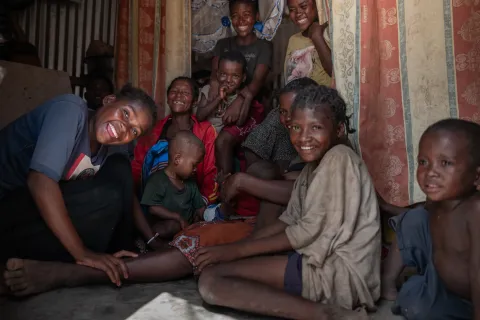
Like Lydia, many mothers follow these practices. "Families in our community are starting to follow good practices because people are now aware of the importance of monitoring their health and having a healthy child who has reached his or her full developmental potential," says Lydia.