STEAM4Girls Phase III Launched to Expand Opportunities for Girls in Science, Technology, Art and Innovation
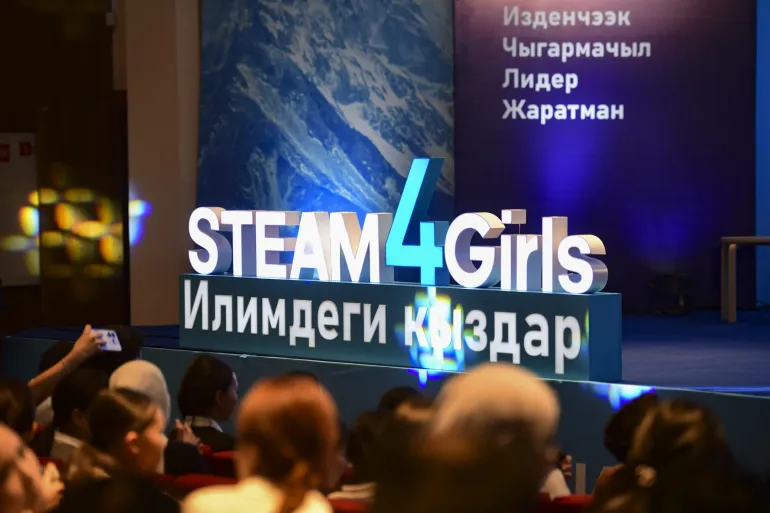
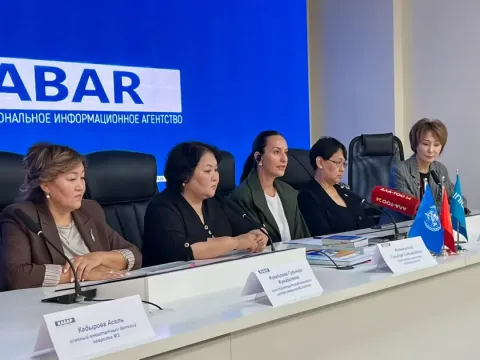
Bishkek, 1 October 2026 – UNICEF, and the Ministry of Education and Ministry of Culture, Information and Youth Policy of the Kyrgyz Republic today launched the third phase of the STEAM4Girls: Girls Shape the Present and the Future programme at the National Historical Museum of the Kyrgyz Republic.
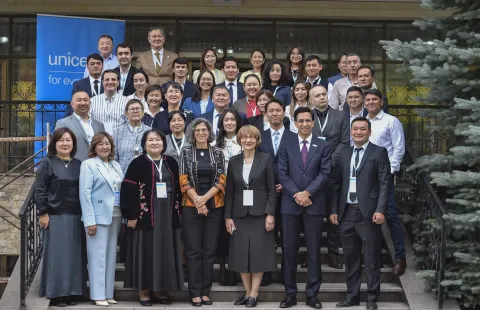
The event brought together government representatives, educators, young people, development partners and the private sector to celebrate girls’ achievements in science, technology, engineering, arts and mathematics (STEAM) and explore opportunities to expand their participation in these fields.
The official opening was attended by Asel Chynbaeva, Commissioner for Children’s Rights of the Kyrgyz Republic; Dogdurkul Kendirbaeva, Minister of Education of the Kyrgyz Republic; Aibek Daiyrbekov, Deputy Minister of Culture, Information and Youth Policy of the Kyrgyz Republic; and Samman Jung Thapa, UNICEF Representative to the Kyrgyz Republic.
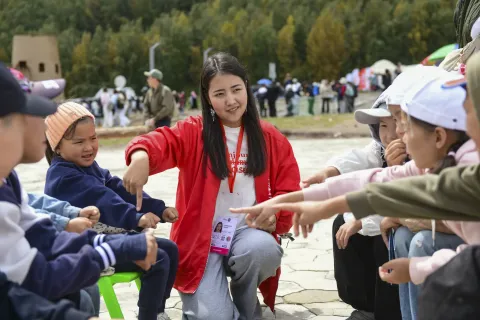
Participants also visited a STEAM exhibition featuring innovative projects and ideas developed by young innovator boys and girls. The exhibition demonstrated the creativity, talent and potential of adolescents when they have access to opportunities, skills and support.
“We must create the conditions for girls to confidently choose any profession, reach the heights of science, and bring their most ambitious projects to life, without limiting their potential by the constraints of prejudice,” noted Asel Chynbaeva, Commissioner for Children’s Rights of the Kyrgyz Republic.
The launch marks a new chapter for STEAM4Girls, which has been supporting adolescent girls across Kyrgyzstan to strengthen their skills in science, technology, engineering and mathematics, while also building leadership, creativity, digital competencies and self-confidence.
Over the past six years, STEAM4Girls has helped more than 52,000 adolescent girls strengthen their technical knowledge, soft skills and confidence. Through improved teaching approaches and expanded learning opportunities, the programme has also benefited more than 200,000 adolescents across the country.
“Science, technology, engineering, arts and mathematics have no gender. Our responsibility as a state is to give girls every opportunity to choose their careers in STEAM, explore and succeed. Through the Altyn Kazyk education reform, we are working together with UNICEF to institutionalize STEAM approaches across the education system, ensuring that girls and boys alike can develop the skills, creativity and confidence they need for the future,” said Dogdurkul Kendirbaeva, Minister of Education of the Kyrgyz Republic.
Building on these achievements, the third phase will focus on creating stronger pathways for girls from school to further education and future careers in STEAM.
“Over the next three years, STEAM4Girls will expand school-based STEAM clubs, strengthen teachers and help thousands of girls pursue education and careers in STEAM. UNICEF is committed to supporting the Government to scale up these approaches through the Altyn Kazyk education reform,” said Samman Jung Thapa, UNICEF Representative to the Kyrgyz Republic.
He emphasized that the programme’s impact goes beyond numbers, helping girls gain the confidence to pursue their ambitions, innovate and take on leadership roles.
“Do not limit yourselves to one field. Explore science, embrace technology, engage with the arts, discover your country’s rich culture, create your own projects, and never be afraid to bring different ideas and disciplines together,” said Aibek Daiyrbekov, Deputy Minister of Culture, Information and Youth Policy of the Kyrgyz Republic, addressing the young people at the event.
As Kyrgyzstan advances the Altyn Kazyk education reform and implements its National Development Programme, investment in education, innovation and skills development remains critical to preparing young people for a rapidly changing future.
Media contacts
About UNICEF
UNICEF promotes the rights and wellbeing of every child, in everything we do. Together with our partners, we work in 190 countries and territories to translate that commitment into practical action, focusing special effort on reaching the most vulnerable and excluded children, to the benefit of all children, everywhere.
For more information about UNICEF and its work for children, visit www.unicef.org.