World Breastfeeding Week: Only 44% of babies under six months in Kyrgyzstan receive exclusive breastfeeding
Bishkek, 3 August 2026 – According to UNICEF's Multiple Indicator Cluster Survey (MICS 2023), breastfeeding rates in the Kyrgyz Republic remain below the country's national targets. Only 44 per cent of infants under six months are exclusively breastfed, well below Kyrgyzstan's commitment to increase exclusive breastfeeding during the first six months of life to 70 per cent by 2030, made under the Nutrition for Growth (N4G) Summit in Paris in 2025. Continued breastfeeding also remains low, with only 27 per cent of children aged 20–23 months still receiving breast milk.
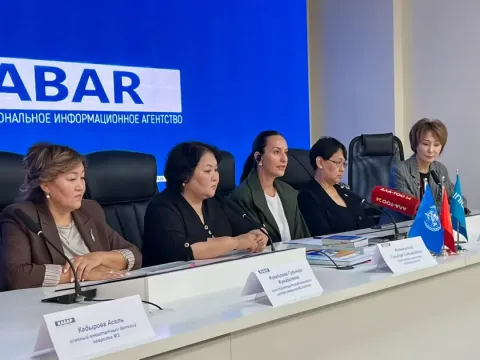
"Breastfeeding is one of the most important ways to protect a child's health from the very first days of life. Ensuring that every mother receives timely, high-quality support during pregnancy, after childbirth, and throughout the breastfeeding journey is a key responsibility of the health system. The Ministry of Health is strengthening breastfeeding counselling through primary health care, building the capacity of health workers, expanding public awareness, and promoting measures to protect the rights of breastfeeding women," said Gulbara Ishenapysova, Deputy Minister of Health of the Kyrgyz Republic, during the press conference.
Breastfeeding provides infants with optimal nutrition, strengthens their immune systems, and protects them from common infectious diseases. It is also a safe, reliable, and environmentally sustainable source of nutrition, including during emergencies.
"Breastfeeding is not only a health intervention—it is an investment in Kyrgyzstan's future. Supporting mothers to breastfeed helps children survive and thrive, improves learning and productivity later in life, and delivers substantial economic returns. Every 1 KGS invested in key nutrition interventions, including breastfeeding, can generate between 22 and 25 KGS in economic returns in a longer-term perspective,” said Samman J. Thapa, UNICEF Representative to Kyrgyzstan.
Globally, the cost of implementing the WHO/UNICEF Global Strategy for Infant and Young Child Feeding has been estimated at approximately US$130 per live birth, while investments in effective breastfeeding support services can generate returns within just a few years—and in some cases, within the first year.
“Breastfeeding is not solely a mother’s responsibility. It requires supportive health services, families, workplaces, and communities. WHO remains committed to supporting the Ministry of Health and partners in strengthening breastfeeding support through evidence-based policies, quality counselling and Baby-friendly health services. By investing in breastfeeding today, Kyrgyzstan is investing in a healthier and more prosperous future," said Ms. Zhanara Bekenova, WHO Representative in Kyrgyzstan (OiC).
Successful breastfeeding requires sustained support throughout pregnancy, childbirth, and early childhood. Strengthening health systems, enforcing the International Code of Marketing of Breast-milk Substitutes, expanding the Baby-friendly Hospital Initiative, protecting breastfeeding in the workplace through paid maternity leave, and fostering family and community support will help every child get the best start in life while strengthening the nation's health, human capital, and future prosperity.
Background information: Observed annually from 1 to 7 August, World Breastfeeding Week highlights the importance of creating an enabling environment for breastfeeding and strengthening support for women to breastfeed successfully.
Media contacts
About UNICEF
UNICEF promotes the rights and wellbeing of every child, in everything we do. Together with our partners, we work in 190 countries and territories to translate that commitment into practical action, focusing special effort on reaching the most vulnerable and excluded children, to the benefit of all children, everywhere.
For more information about UNICEF and its work for children, visit www.unicef.org.