A new beginning: The journey of Ana and her family towards hope and support
Read how Ana’s journey takes a hopeful turn
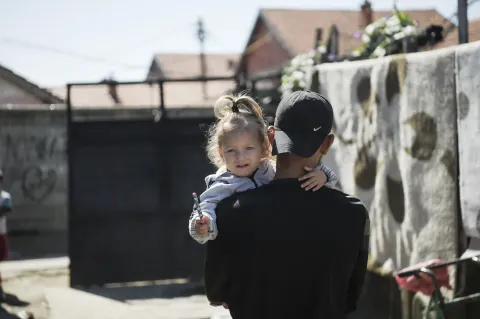
Ana[1] is a lively eight-year-old girl who, along with her five siblings, has already faced significant challenges in her young life. Found on the streets, Ana wasn’t alone; she was with four of her siblings—two brothers who washed car windows at traffic lights and two older sisters who begged for money and sold small chocolates. The family, struggling just to get by, lived under difficult conditions, doing whatever they could to survive.
Globally, UNICEF and other child welfare organizations estimate that 150 million children experience some form of street involvement worldwide, with numbers rising in areas facing poverty, urbanization, and displacement due to conflict and crises. The situation is notably severe in Eastern Europe and Central Asia (ECAR) regions, where economic challenges and social exclusion impact children from marginalized communities, like the Roma, pushing many into street situations. Efforts to address this involve a multi-faceted approach, focusing on social protection, inclusive education, healthcare access, and protective policies to provide a pathway out of street situations for affected children.
Ana’s journey took a hopeful turn when she and her family connected with a daycare center in Prishtina dedicated to supporting children in street situations and their families. This center became a beacon of hope, providing Ana and her siblings with essential services, including psychosocial counseling, educational activities, and basic necessities like clothing and school supplies. The center’s holistic approach ensured that each of Ana’s siblings received the support they needed, emphasizing a comprehensive path toward a brighter future for the entire family.
[1] Ana is a fictive name.
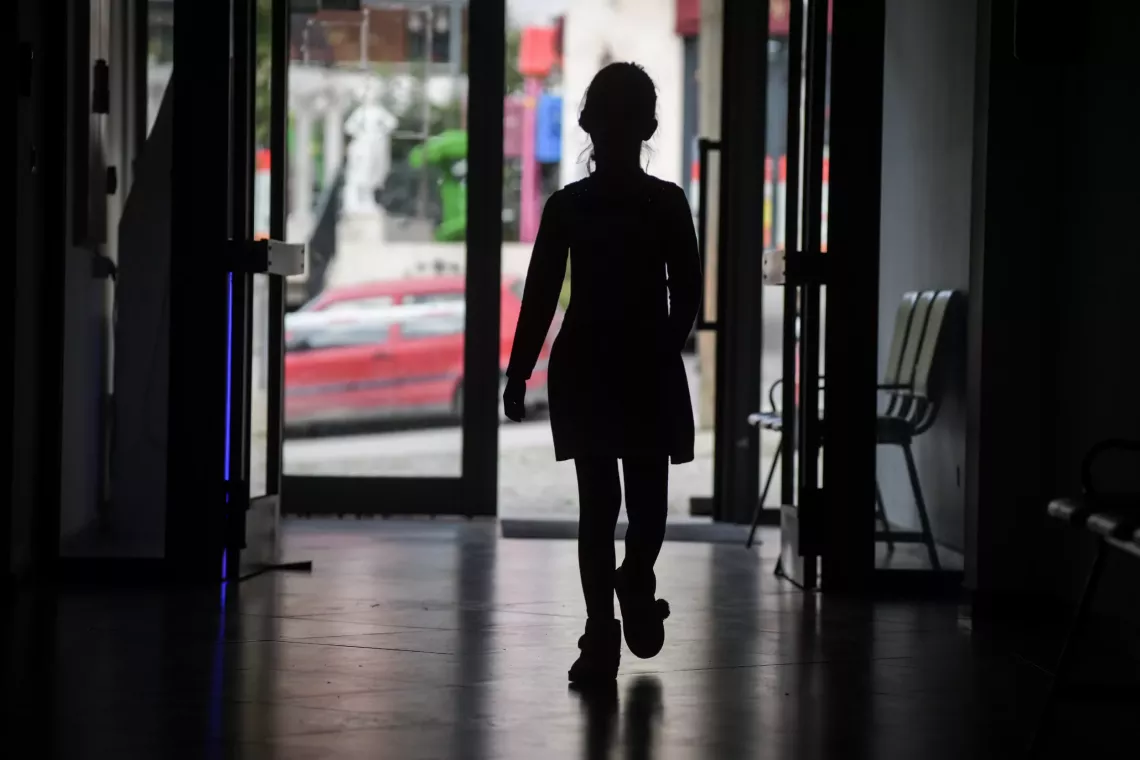
Children in street situations are among the most marginalized. They experience severe violations of their rights before and during their time on the streets, facing multiple deprivations, including a lack of access to basic services, violence, abuse, neglect, and exploitation, as well as vulnerabilities to alcohol and substance abuse. Addressing their needs requires a child rights-based approach, aligned with the Committee on the Rights of the Child General Comment No. 21 on Children in Street Situations (2017).
The recent study Children in Street Situations in Kosovo of UNICEF Kosovo reveals a concerning statistic: only 1 in 4 children in street situations currently attends school. Although over half of the 130 children interviewed had been enrolled in school at some point, around 75% now report that they do not attend, a figure consistent among both boys and girls. Ana is one of the children identified on the streets by Terre des hommes and is now receiving the essential support she needs through this initiative supported by UNICEF.
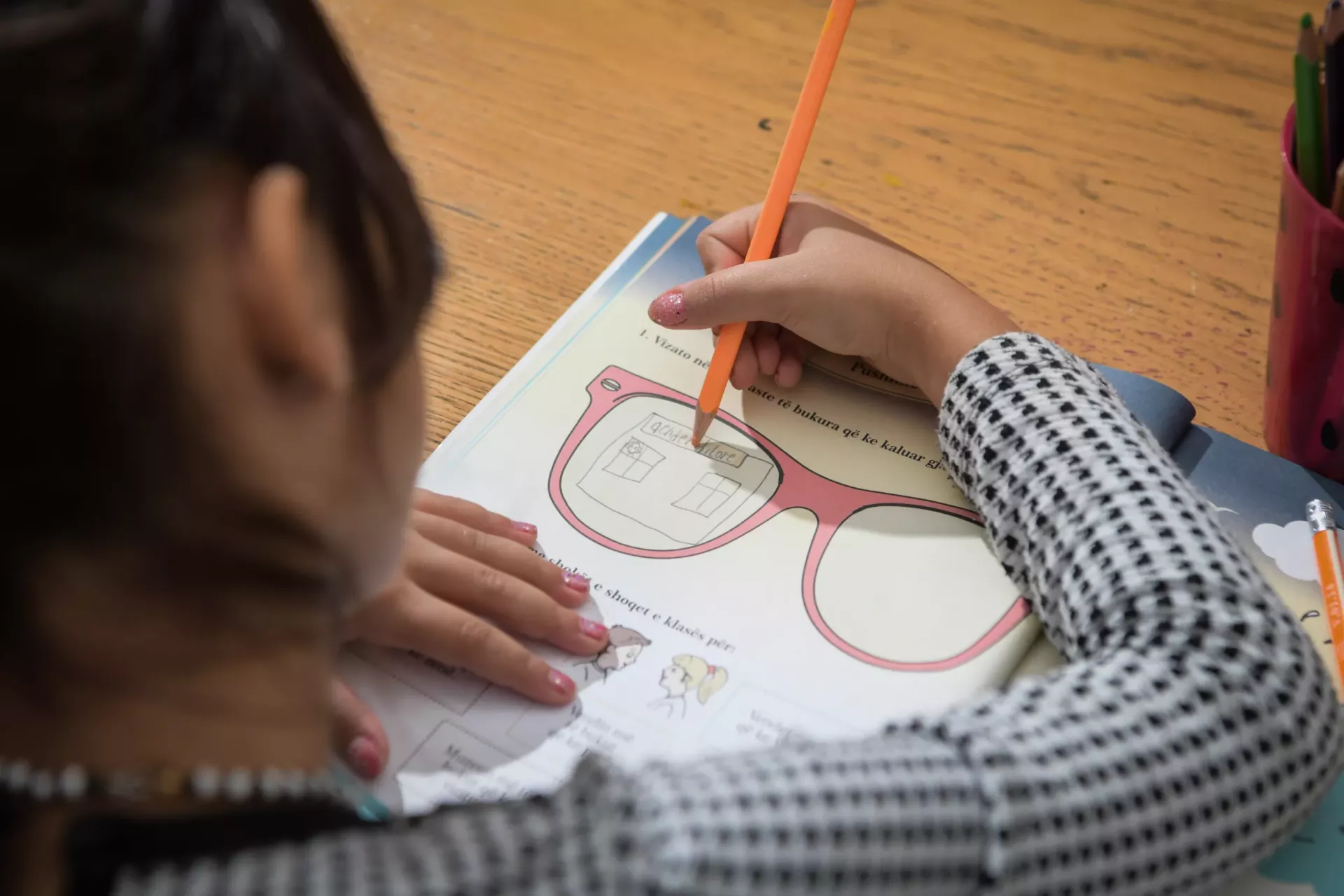
During their time at the center, each family member received individualized support tailored to their specific needs. Ana began receiving age-appropriate psychosocial and nutritional care, and by the age of five, she started her basic education, learning letters, numbers, and engaging in hands-on activities. The center provided her with essential school supplies and clothing, crucial as she prepared to enter the formal education system. With the support of her dedicated teachers and the resources offered, Ana soon became one of the top students in her class.
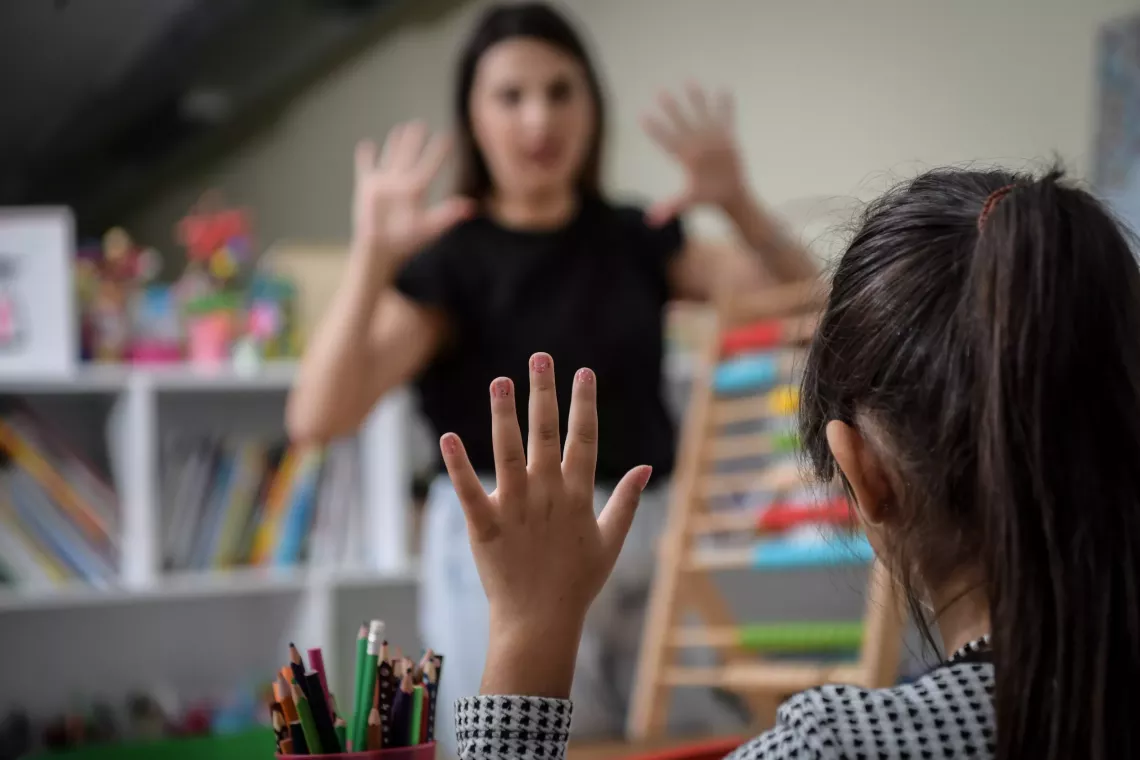
At the same center, alongside Ana, around 40 children receive daily support, with a total of about 200 children registered. Here, children receive tailored educational lessons based on their knowledge levels and benefit from both individual and group psychological counseling. The center also works continuously with each child and their family to facilitate school reintegration, assisting them throughout the registration process. Additionally, some children have had the opportunity to participate in robotics courses at “BoneVet,” designed to help them develop skills in programming and robotics.
Ana’s siblings also gained tremendously from the center's support. Her older sister, M.B., received extra educational assistance in vocabulary, reading, and writing, enabling her to excel academically despite previous disruptions. Another sister, E.B., joined a non-formal education program and, with intensive support, learned to read and write, overcoming obstacles that had kept her out of school. She also took part in vocational training in hairdressing, an initiative designed to help her build skills for future employment and achieve financial independence.
Recognizing the importance of supporting the whole family, the project provided essential aid, including food and hygiene supplies, to help them navigate challenging times. Ana’s mother, who had faced mental health challenges and past trauma, received individual counseling sessions. Through these sessions, she began to work on her emotional well-being, ultimately gaining awareness about the unacceptability of domestic violence. With the center’s support, she found the courage to report the abuse, leading to positive changes and a safer environment for the family.
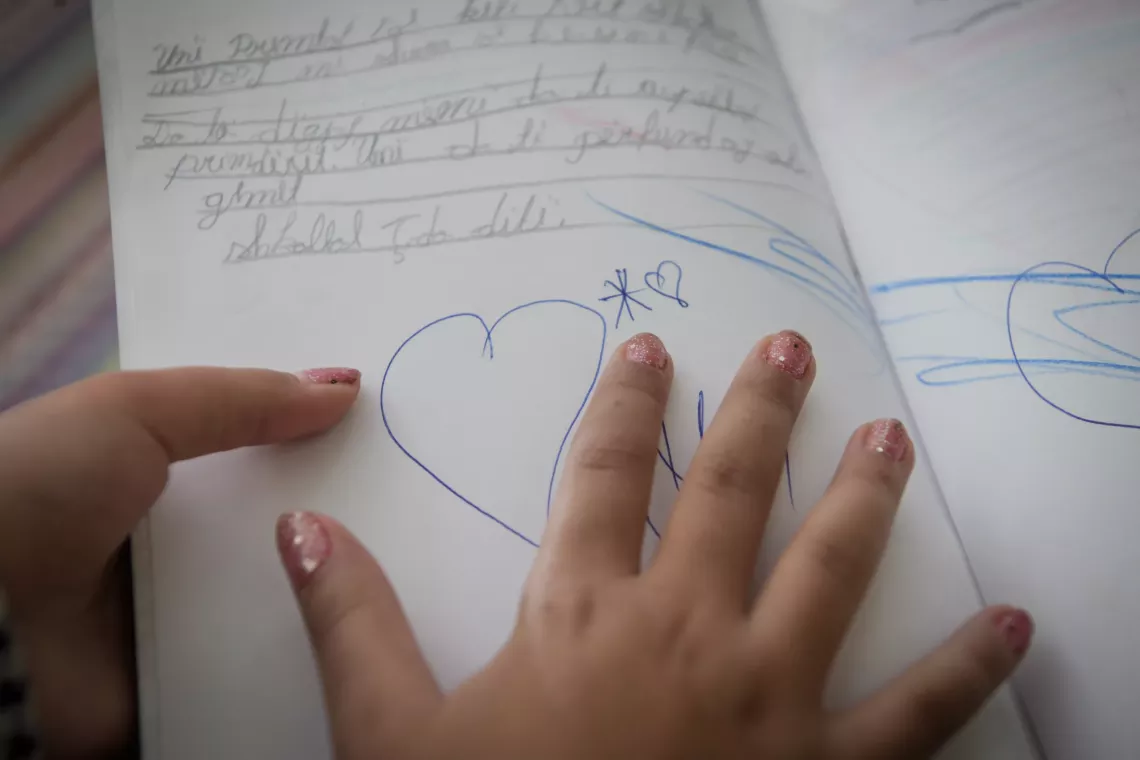
The center’s impact goes far beyond educational and material support. With support from UNICEF, and working closely with the Center for Social Work, the daycare center in Prishtina fosters a safe, inclusive environment where children feel supported, and families receive counseling. This initiative not only strives to reintegrate children into the school system but also works with parents to recognize the long-term value of their children’s education.
Ana's journey illustrates the transformative power of community support and the importance of addressing the needs of the entire family, paving the way for brighter futures filled with hope and opportunity. Her story is not only a testament to the impact of such programs but also a call to action to support similar initiatives that help children in street situations.
“As a Child Protection Officer, I advocate for the rights of children in street situations through a holistic approach that prioritizes their dignity, safety, and well-being. This involves addressing the root causes of their circumstances—such as poverty, family breakdown, and social exclusion—while ensuring access to essential services like education, healthcare, and psychosocial support. It's crucial that we listen to the voices of these children and involve them in decision-making processes that affect their lives, ensuring their rights are upheld and their needs are met comprehensively," says Feride Dashi from UNICEF Kosovo.
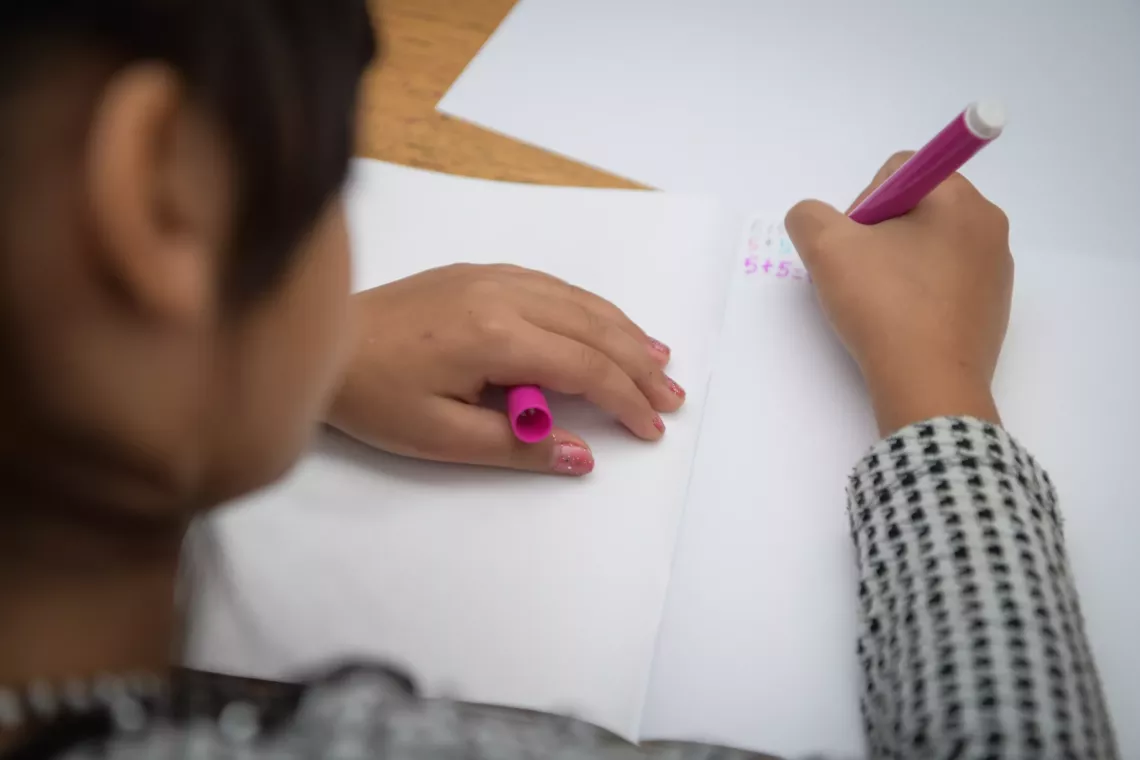
Ana is now part of the school system and dreams of becoming a police officer to help her friends leave the streets and go to school.
"Protecting vulnerable children in Kosovo" is financially supported by the European Union in Kosovo and implemented by UNICEF in Kosovo in partnership with Terre des hommes.