Empowering Kosovo’s Education System with Green Skills
Children and young people in Kosovo contribute the least to climate change, yet they are among the most exposed to its impacts.
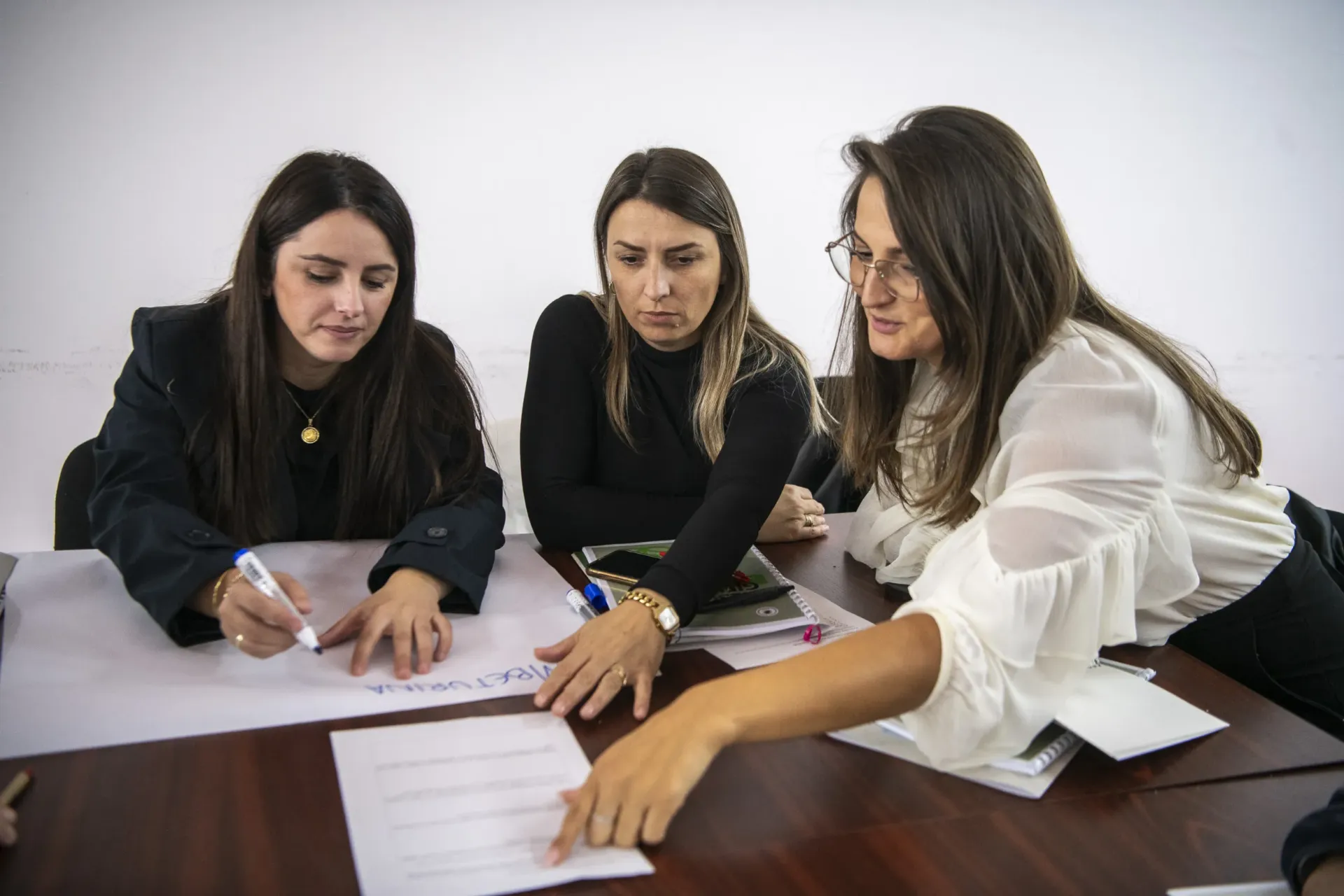
Children and young people in Kosovo contribute the least to climate change, yet they are among the most exposed to its impacts. Increasingly frequent extreme heat, floods, and environmental degradation disrupt their education, health, and livelihoods. At the same time, the education system has struggled to equip students with the practical green skills needed to understand, adapt to, and respond to these challenges. Climate and environmental topics are often taught primarily in theory, with limited hands-on learning opportunities, leaving young people underprepared for green jobs, civic engagement, and climate action. Without targeted intervention, these gaps risk widening inequalities and limiting Kosovo’s ability to build a climate-resilient and environmentally skilled workforce.
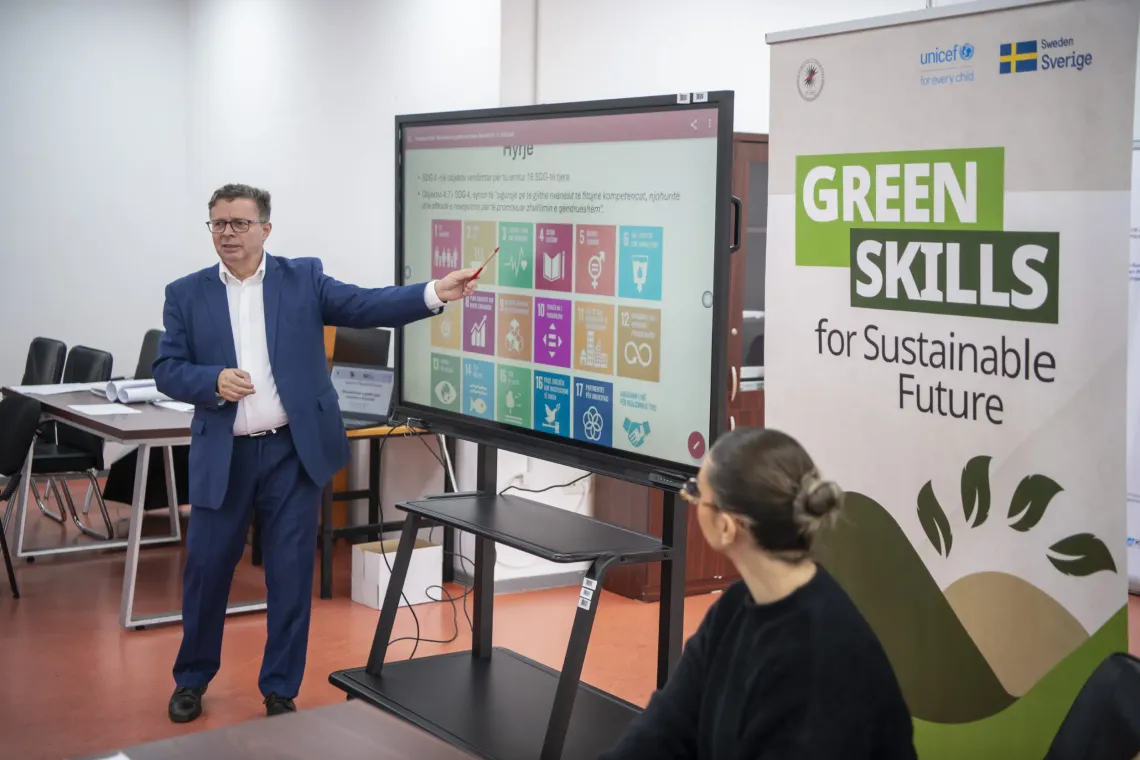
To address this challenge, UNICEF collaborated closely with the Ministry of Education, Science, Technology, and Innovation (MESTI), the Faculty of Education, and Academia, while also leveraging partnerships with other key central and local stakeholders actively promoting green skills on the ground, including education institutions, civil society organizations, and development partners. These partnerships helped ensure that green skills initiatives were contextually relevant, practically oriented, and aligned with Kosovo education priorities.
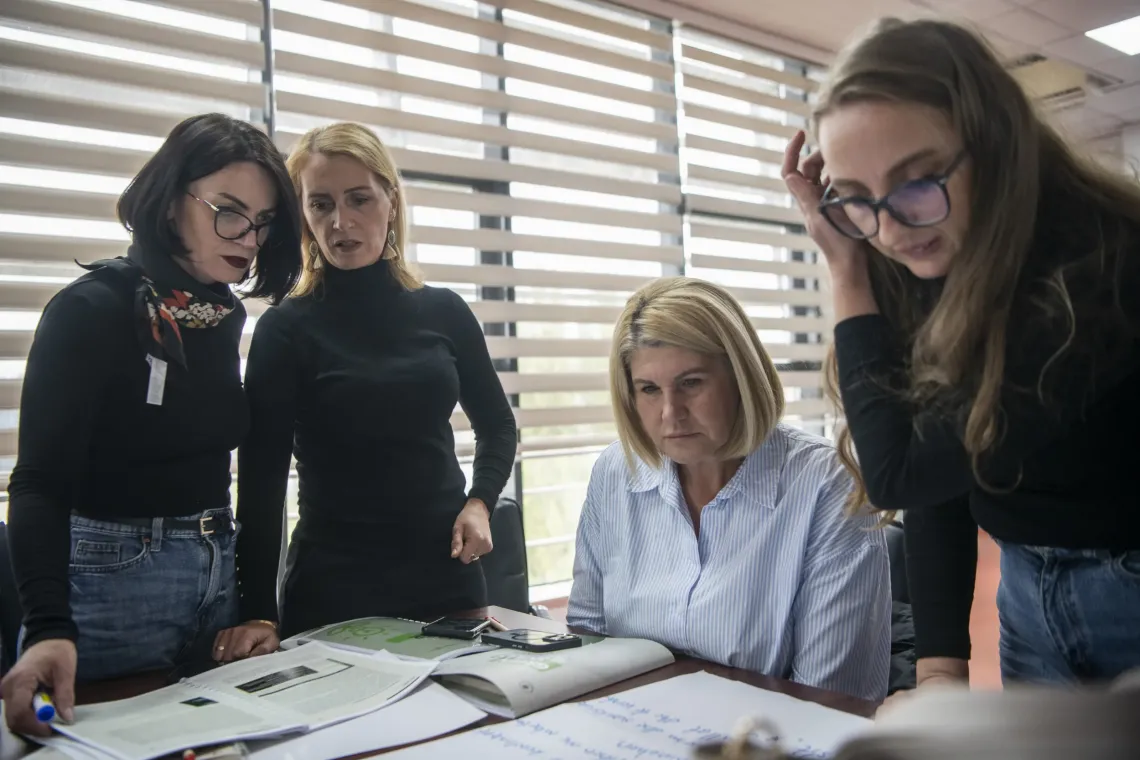
In 2025, these efforts translated into concrete system-level progress. At the Kosovo level, with support from Education Thematic Funding, a roadmap was developed to guide the provision and scale-up of skills-based programmes for in-service teachers, ensuring a coordinated, sustainable, and system-wide approach to professional development. Building on this foundation, UNICEF, with the support of the Government of Sweden, partnered with MESTI and the Faculty of Education to develop and accredit three training manuals on green skills. These manuals directly supported the assessment and strengthening of the National Curricular Framework, contributing to the mainstreaming of green competencies across subjects and school practices.
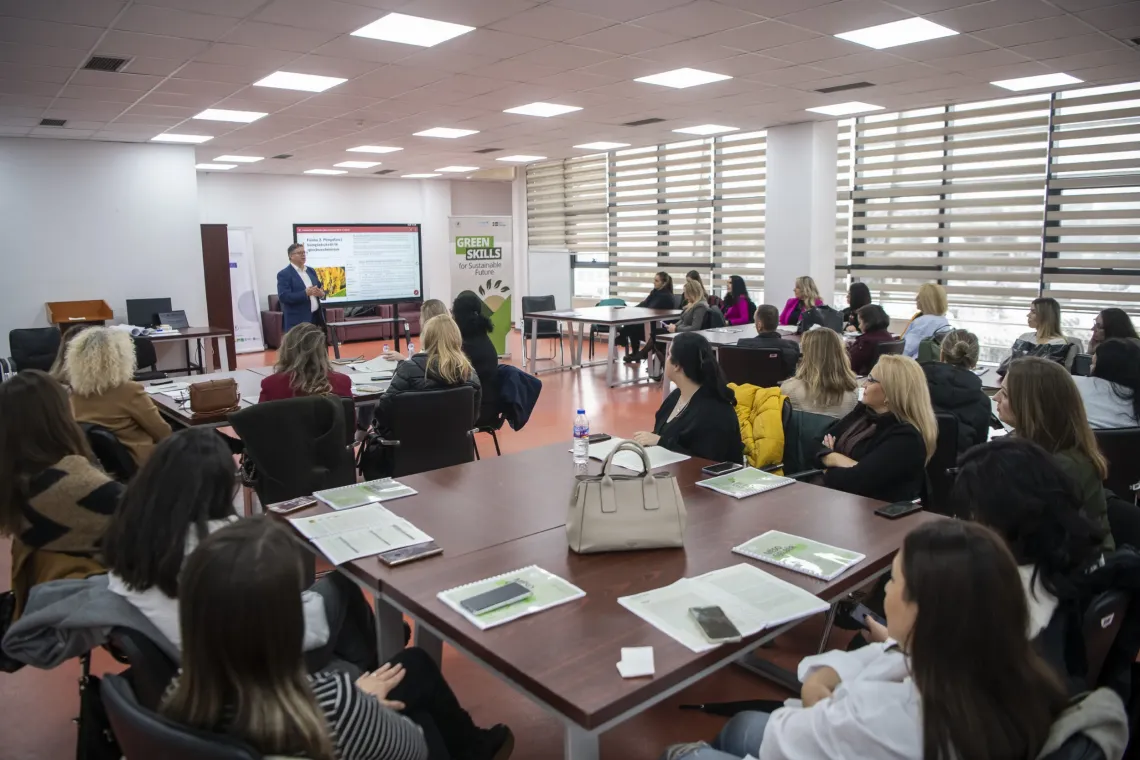
To ensure effective implementation and long-term sustainability, a pool of nine Master Trainers was certified to lead the rollout of the new training modules nationwide. As a result, 202 teachers—148 in-service and 54 pre-service—were trained in green skills and practical climate education approaches. Through these strategic investments and partnerships, UNICEF is helping transform classrooms into spaces of action, empowering teachers and students alike to build a more resilient, sustainable, and climate-ready future for Kosovo.