

What works to prevent child marriage?
What the evidence tells us
Globally, 12 million girls marry before the age of 18 each year.1 Child marriage is a violation of human rights that threatens girls’ well-being and futures. Girls who marry in childhood are more likely to be out of school, suffer domestic violence, and experience pregnancy and childbirth complications.2,3The harmful effects extend across generations and societies, hindering economic progress, restricting women’s productivity and earnings, and negatively affecting child and maternal health.4
While the global prevalence of child marriage is declining from one in four girls to one in five, accelerated action is urgently needed. At the current pace, no region is on track to meet the Sustainable Development Goals target to end child marriage by 2030. Additional challenges lie ahead including the enduring impacts of COVID-19, climate change, conflicts and other crises, which increase girls’ vulnerability and threaten to reverse progress made.
Robust evidence is critical to guide programming, policymaking and advocacy towards accelerated action to end child marriage. The evidence base on what works to end child marriage has grown substantially over the past decade and provides greater clarity on policy and programme directions than ever before.5

What does the evidence suggest?
- Supporting girls’ secondary schooling through cash and in-kind transfers contributes to the effective prevention of child marriage. For example, when tailored to context and delivered through programmes with additional ‘cash plus’ services such as education, health or livelihood interventions alongside cash transfers, they can also contribute to girls’ health, safety and well-being, to their sense of agency, and to a greater say in the decisions that affect them.6,7,8,9
- Investing in livelihood skills and training – including financial literacy and vocational training – empowers girls and enables their safe transition from school to productive employment, which helps to reduce child marriage. These efforts should be accompanied by economic policies to promote inclusive economic growth and girls’ economic participation.
- Transforming inequitable gender norms will create long-lasting change for girls. Preventing child marriage requires addressing harmful norms that diminish women’s and girls’ value in society, regulate their sexuality, and limit agency over their own lives. Addressing these root causes through gender-transformative approaches that challenge norms and unequal power within the family, communities, and institutions, is critical.
Note: These findings are key takeaways from evidence reviews undertaken by UNICEF Innocenti and partners. For more information on what works to prevent child marriage, check out UNICEF’s paper, “A synthesis of what we know works to prevent and respond to child marriage”.

Recommendations for policy and practice

“To accelerate global efforts to end child marriage we need greater coordination, especially at national levels. Governments play a critical role in tackling child marriage and prioritising girls’ futures. Country by country, there needs to be greater investment, collaboration, and sharing of lessons. Let’s not forget that civil society organizations, donors, religious and traditional leaders, youth activists, UN agencies, girls themselves, and other champions all have unique contributions to make. Once all these actors work together at national level, what might seem impossible becomes possible – and girls can be girls, not brides.”
“Ending child marriage is a fundamental step towards achieving a just and equitable world. We must make sustainable changes in systems, policy and service delivery for girls. Greater resources must be allocated to strengthen the social protection, education, health, and child protection systems for adolescent girls. A coordinated, multi-sectoral response that leverages existing systems and services to respond to the distinct needs of adolescent girls is key for accelerating the decline in child marriage.”
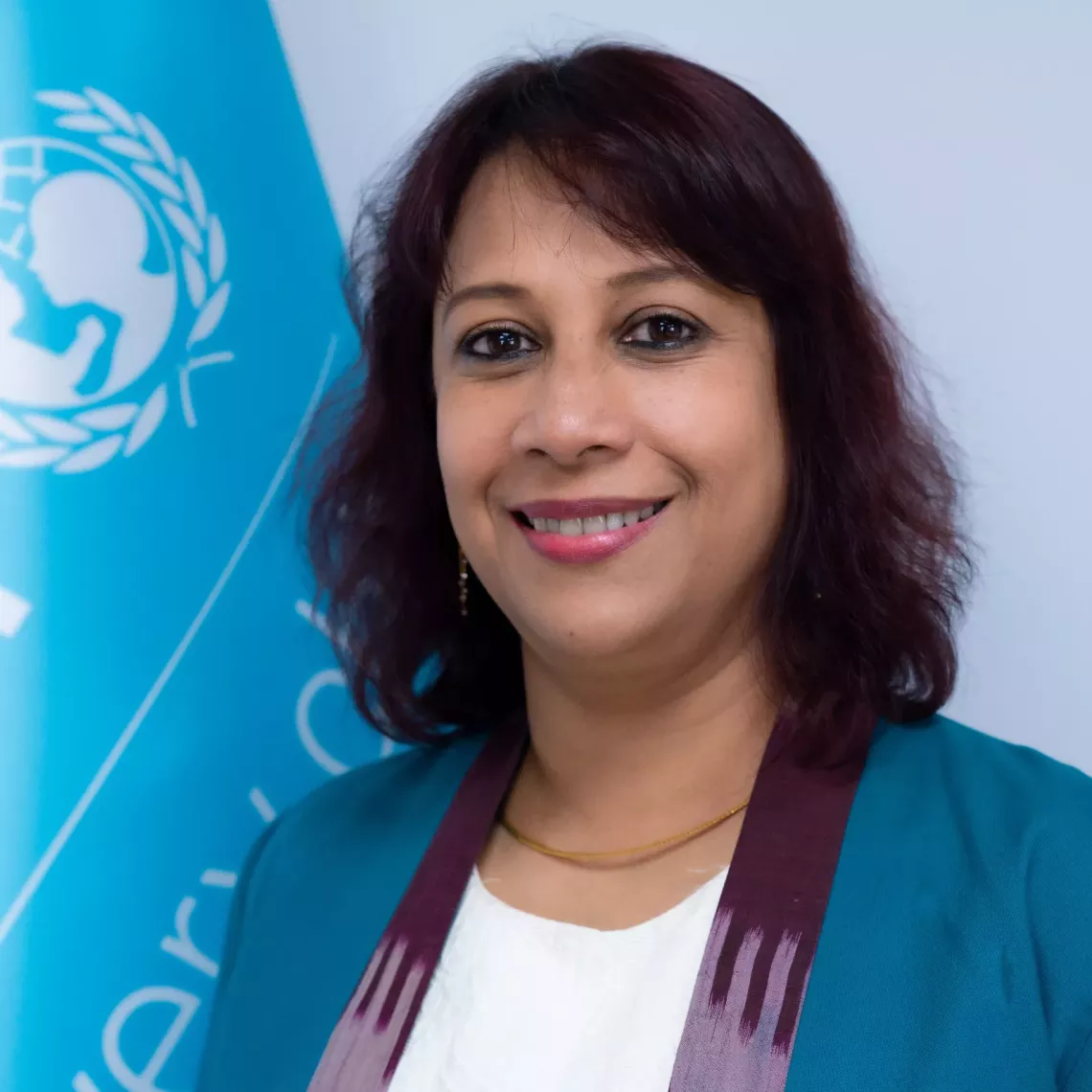

“To end child marriage, we need to better understand what works, how, and for whom. We need evidence to illuminate the best path forward and ensure meaningful and lasting improvements to girls’ lives. Rigorous and consistent research and evaluation generate such evidence and enable continued learning. We now know that, to achieve large-scale results, we must focus on girls' quality secondary education, economic empowerment, and the transformation of gendered social norms.”
References
1. UNICEF, 2023. Is an End to Child Marriage Within Reach? https://data.unicef.org/resources/is-an-end-to-child-marriage-within-reach/
2. Fan, Suiqiong, and Alissa Koski. "The health consequences of child marriage: a systematic review of the evidence." BMC public health 22.1 (2022): 309.
3. Hayes, Brittany E., and Michelle E. Protas. "Child marriage and intimate partner violence: An examination of individual, community, and national factors." Journal of interpersonal violence 37.21-22 (2022): NP19664-NP19687.
4. Wodon, Q., Male, C., Nayihouba, A. et al. Economic impacts of child marriage: global synthesis report. World Bank, Washington, DC, 2017.
5.Siddiqi and Greene, 2020. Mapping the Field of Child Marriage: Evidence, Gaps and Future Directions from a Large-scale Systematic Scoping Review, 2000-2019. Journal of Adolescent Health, Volume 70, Issue 3, S9-S16.
6. Siddiqi, M., & Mann, S. (2024) “A synthesis of what we know works to prevent and respond to child marriage” Evidence paper for UNFPA-UNICEF Global Programme to End Child Marriage.
7. Malhotra, A. & Elnakib, S. (2021). 20 Years of the Evidence Base on What Works to Prevent Child Marriage: A Systematic Review, Journal of Adolescent Health, 68(5), pp. 847-862.
8. Mathers, N. (2021). How cash transfers contribute to ending child marriage: review and synthesis of the evidence. Girls Not Brides.
9. Peterman, A. & Fiala, N. (2022). Rapid review and stocktaking of child marriage interventions research: Impact feasibility assessment for the UNFPA-UNICEF Global Programme to End Child Marriage.