

Teachers for all
Project | Finding effective strategies for teacher allocation across sub-Saharan Africa
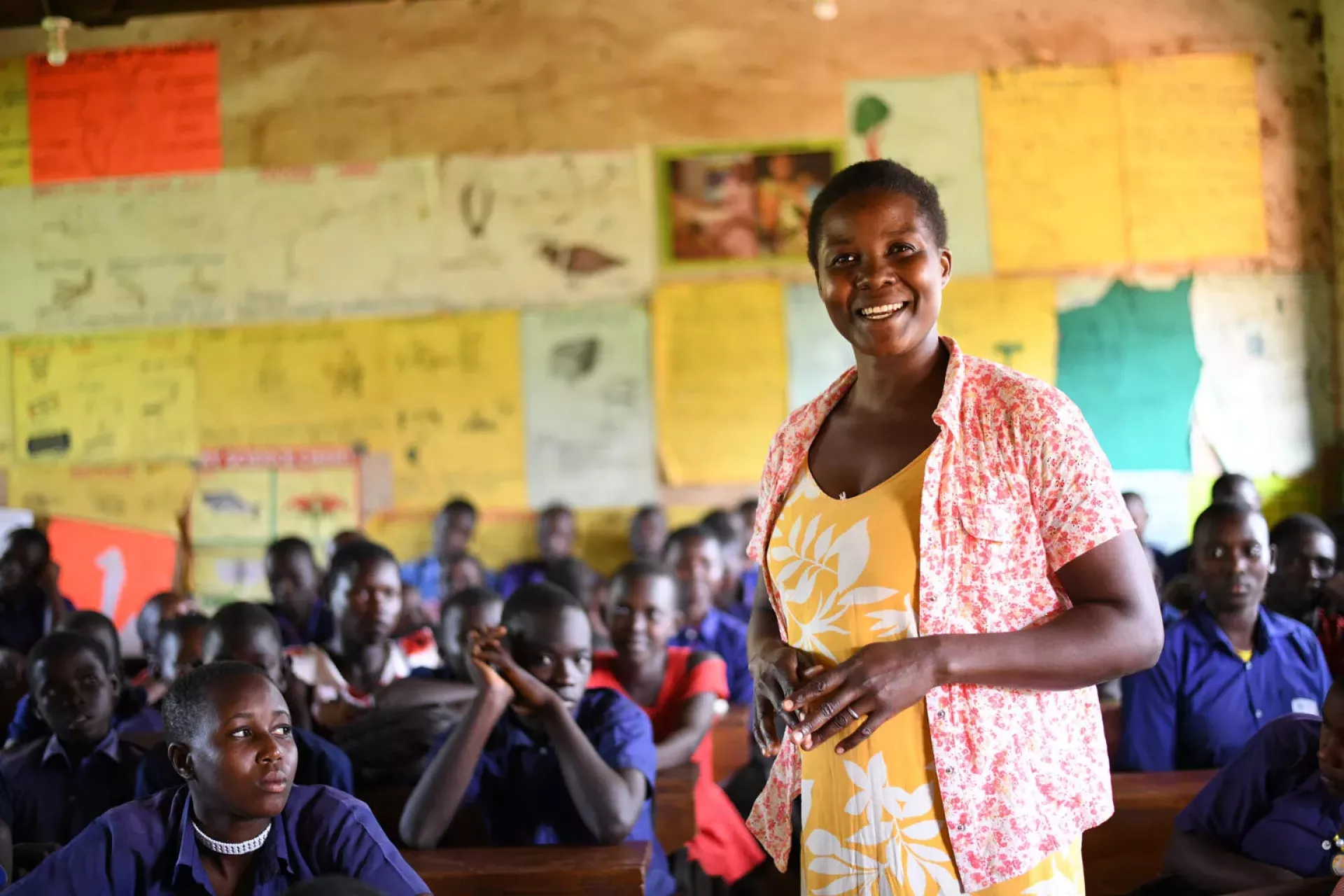
Teacher deployment is a key barrier to improving foundational learning for children in sub-Saharan Africa.
While teacher shortages are a critical bottleneck in some countries, the uneven distribution of existing teachers is a more pervasive challenge. This leads to disparities in class sizes and learning conditions, disproportionately disadvantaging children in rural and marginalized communities. Qualified teachers often remain in urban areas while unqualified teachers are sent to rural schools, fueling inequity in learning outcomes. This is further exacerbated by an uneven distribution of female teachers in certain areas, often to the detriment of girls in these regions.
Teachers represent the largest share of recurrent education expenditure, averaging 81 per cent for primary education in Africa. Their effective and equitable deployment can limit recruitment and training costs while maximizing public education investments. The challenge, however, is not solely about optimization but also involves addressing the preferences, experiences, and challenges faced by teachers and education officials.
The Teachers for All research project leverages multiple data sources and mixed methods to study effective strategies for teacher allocation across sub-Saharan African countries. It is currently active in 14 countries. By identifying concrete policy levers, the goal is to enhance teacher distribution across the continent, ensuring no child is deprived of quality education due to their school's location or area of residence.