Ready to Learn, Ready to Grow
An integrated journey to strengthen nutrition, learning and school readiness in Kupang District
- English
- Bahasa Indonesia
On a hot and sunny morning within the forested hills of Amabi Oefeto, a subdistrict in Kupang District, six-year-old Lani plays on the edge of a river, plucking leaves, snapping twigs and throwing rocks into the water. Naomi, her mother, remembers when this used to be Lani’s daily reality. “She didn’t have anyone to play with at home,” she reflects, watching her daughter wipe the sweat from her face.
With few opportunities to interact with other children, Naomi worried that Lani would become a shy and less confident person. Naomi decided it was time to enrol Lani in an Early Childhood Development (ECD) centre (known as PAUD in Indonesia). She hoped this would give her daughter what she could not provide at home: friends to socialize and play with. Naomi also believed early education would give Lani a stronger foundation for her future.
But another challenge soon emerged. Living in a remote village roughly 30 minutes on foot from the nearest city made it difficult for Naomi to prepare nutritious meals before school. “I had to travel [a long way] to Oesao market to buy what I needed for her breakfast,” Naomi recalls. Combined with financial constraints, Naomi was often left with nothing to cook – leaving Lani to begin school on an empty stomach.
The effects of this hunger soon became visible in the classroom. Hungry children struggle to learn, and Lani was no exception. She easily got agitated and found it difficult to concentrate. According to her teacher, Lani often lacked enthusiasm when playing and studying with her friends, making it harder for her to benefit fully from the activities designed to support her development.
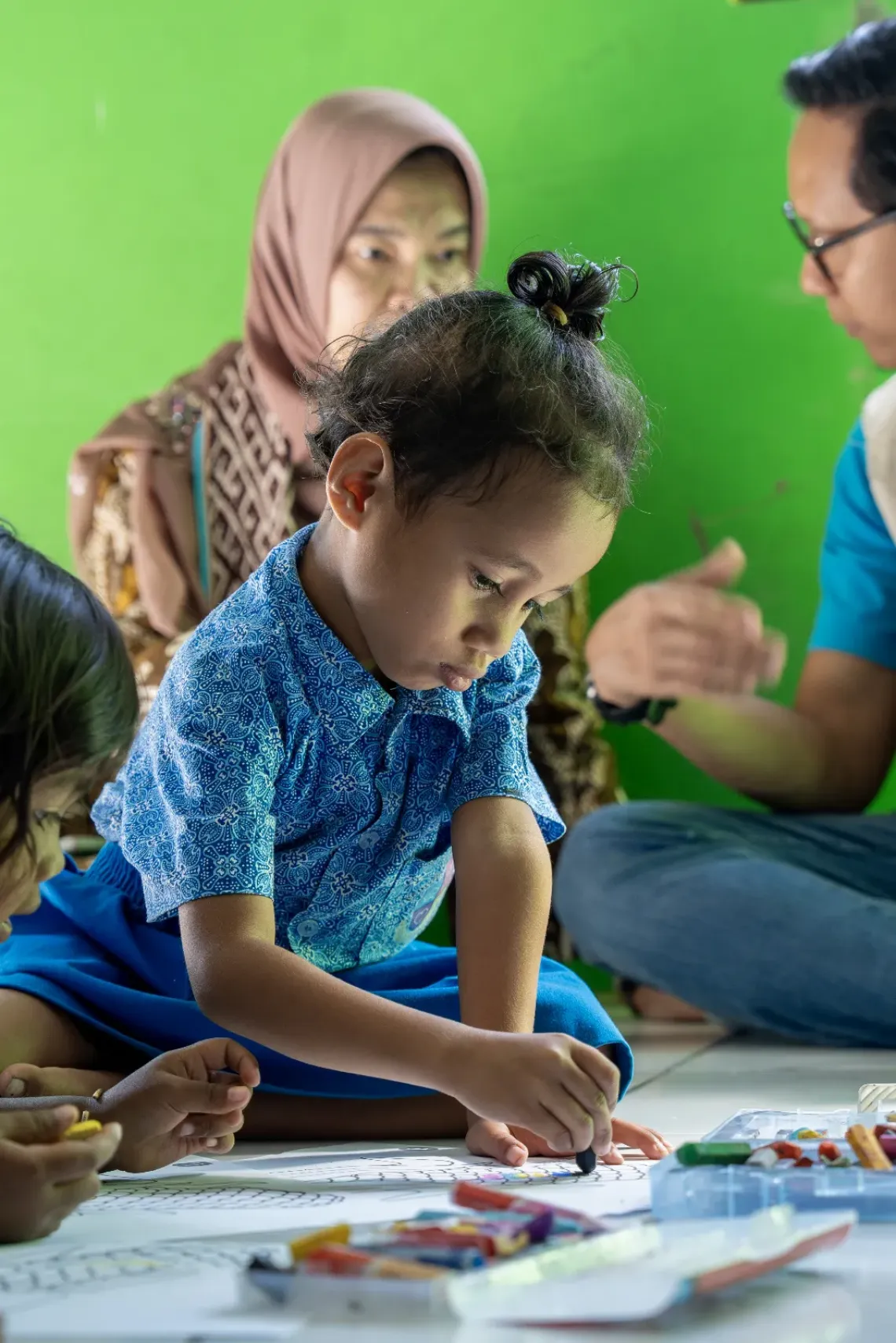
Lani's experience reflects a wider challenge facing many young children in the East Nusa Tenggara province. Access to quality ECD services remains limited, with the province recording a Gross Enrolment Rate of just 31.78 per cent (BPS, 2025) – meaning only three in ten children are enroled in an ECD centre. This is below the national average of 36.19 per cent.
Distance remains a significant barrier.
Access alone is not enough. Nutrition is also vital to ensure children can learn, grow, and reach their full developmental potential. Malnutrition – especially undernutrition and micronutrient deficiencies – remains a significant challenge for the province. More than one in three children under five are stunted, while one in six suffer from wasting. This is higher than the national average where one in five children under five are stunted, and one in 14 suffer from wasting (SSGI, 2024).
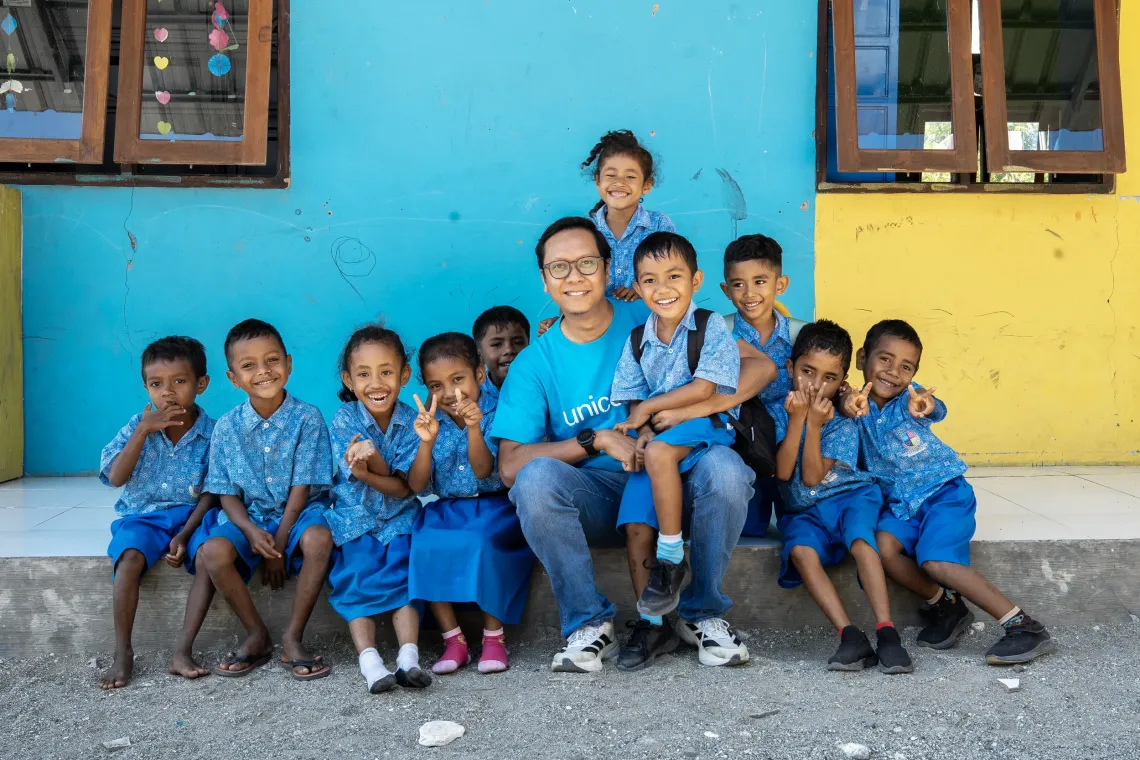
"Nutrition is vital for a child's brain development, especially during early childhood,” explains Nugroho Warman, UNICEF Indonesia Education Specialist. “When children have access to quality early learning alongside good nutrition and care, they are better able to participate, learn and build the skills they need for the future.”
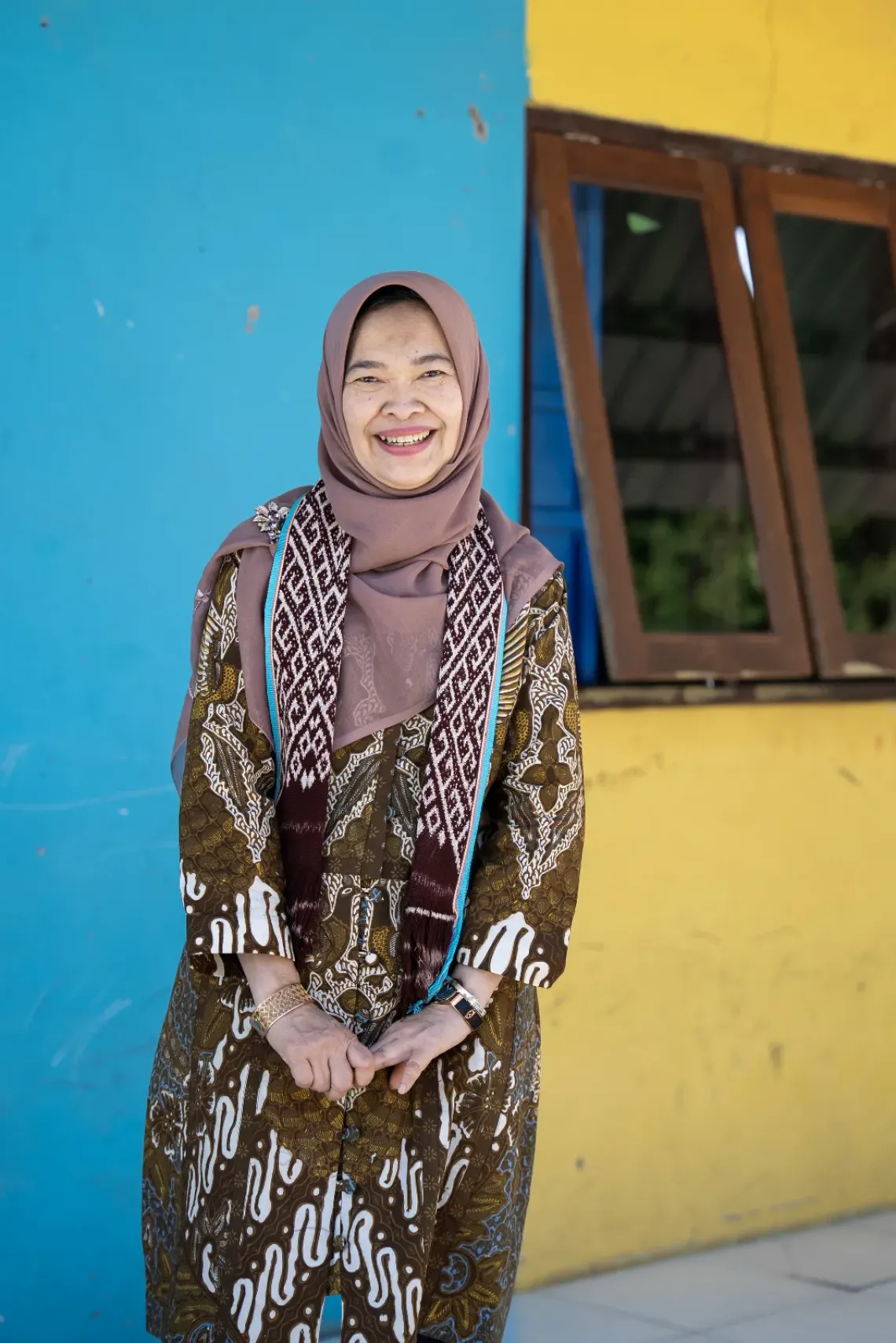
"Early childhood requires holistic, integrated services—not just protection, but also care, nutrition, health and education," says Mareta Wahyuni from the Ministry of Primary and Secondary Education. She emphasized that when partners from different sectors work together, they provide the best possible start for every child.
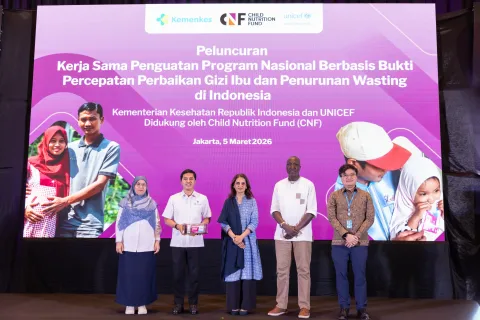
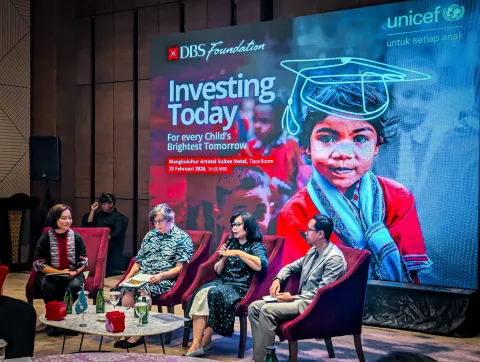
To address these interconnected challenges, the Government of Indonesia, with support from UNICEF, DBS Foundation, and in collaboration with local authorities, is strengthening integrated early childhood development services across Kupang District through a new initiative launched in 2026.
The integrated programme combines nutrition and education support to help ensure that children in ECD centres can grow healthier and learn better to help them become ready to transition well into primary school. The support aims to reach at least 5,270 direct beneficiaries through both direct support and efforts to strengthen systems. These include children enroled in ECD centres and primary schools, parents, as well as caregivers, teachers, and school principals.
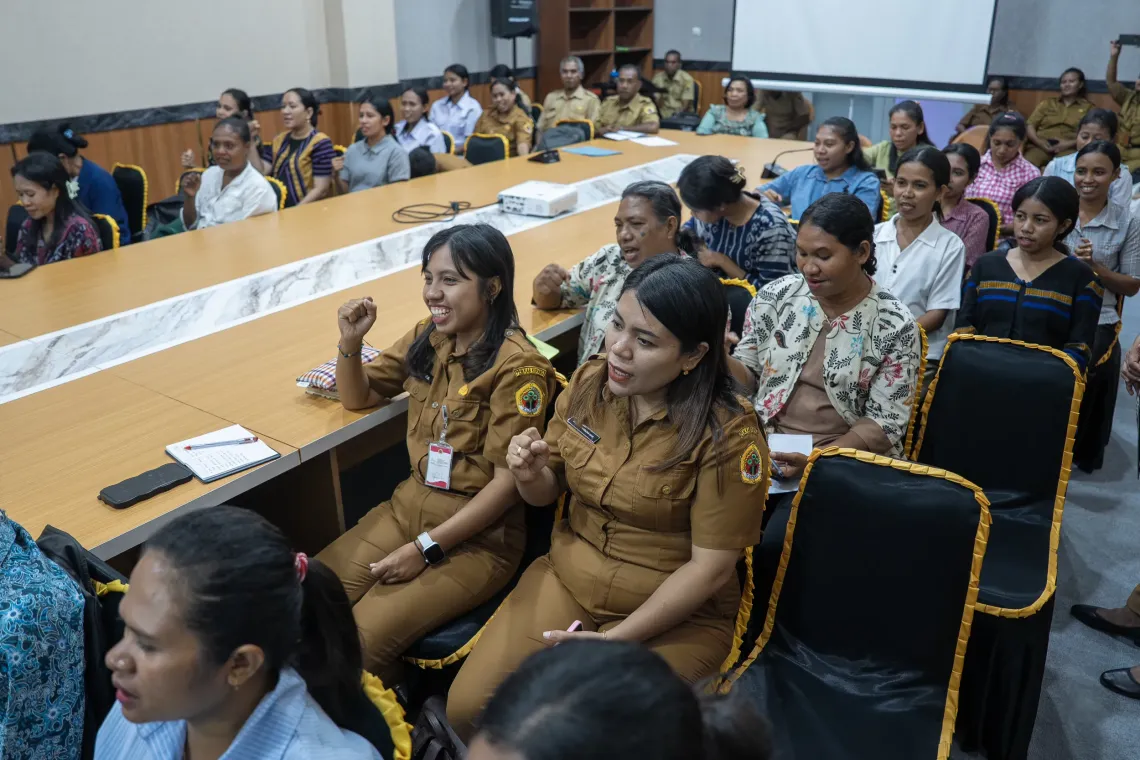
The education component focuses on improving the quality of learning. Through teacher training to strengthen classroom practices and the provision of ECD kits that contain educational play teaching and learning materials, the programme supports teachers to create more engaging learning experiences and help children to build strong foundational literacy and numeracy skills.
The nutrition component of this initiative focuses on improving the quality of the meals provided by the government and providing essential nutrition services, such as nutrition education, directly to the students and parents.
Recognizing that such a holistic approach requires strong cross-sectoral collaboration, the DBS Foundation emphasized its position.
“DBS Foundation is committed to providing basic needs through improved access to nutrition and learning quality, together with UNICEF. We hope this programme will not only provide short-term benefits, but will also help build systems in schools, ECD centres, and surrounding communities so that children have better opportunities in the future," says Mona Monika, Head of Group Marketing & Communications, PT Bank DBS Indonesia.
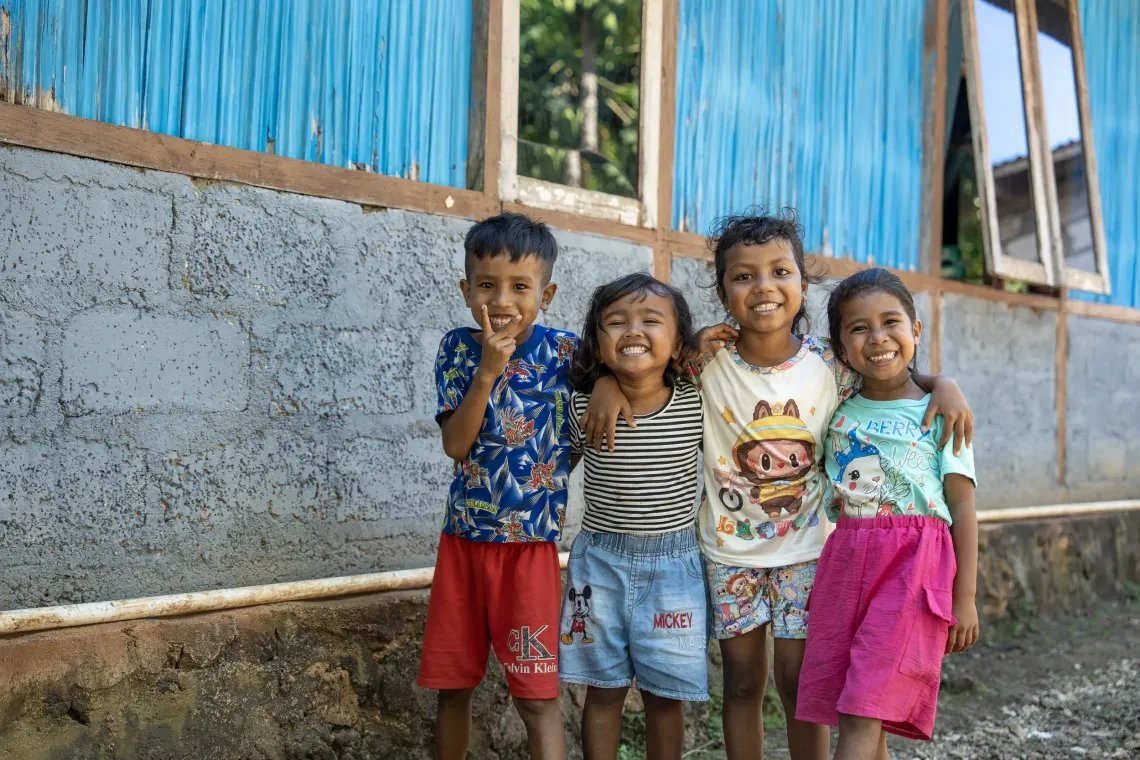
At Lani’s school, teachers are beginning to apply what they have learned from their training. Janet, one of the teachers, has seen children become more adept in language through storytelling. "Using the educational toys we introduced, like hand puppets, the children develop literacy skills through role-play and telling stories to their friends,” she says. Janet has also seen notable changes in Lani, who has made many friends and grown more confident, now happily standing in front of her classmates to sing and lead prayers before and after school.

Teachers and parents are also seeing the positive effects of improved nutrition and learning support on children’s ability to participate, concentrate and engage – both during class and at home.

For Naomi, the impact of proper nutrition shows the way Lani has blossomed. “When Lani gets nutritious food, the change in her is complete,” she says. The little girl who once spent her days playing alone is now eager to go to school to connect with friends, draw, sing, and learn alongside her classmates.

Although the programme is still in its early stages, the local government is already looking ahead to the long-term impact, to ensure that more children across Kupang District can thrive. “We will continue the good practices generated through this partnership by embedding them into the upcoming local programmes we design,” says Martin Rahakbauw, Head of the Kupang District Education, Youth and Sports Office.

Periodic monitoring will help assess how combined nutrition and learning support contributes to children's growth, development, and readiness for primary school. These insights will help stakeholders strengthen and refine the approach, laying out the groundwork for expansion to more ECD centres and primary schools across Kupang District.
This commitment aligns with Indonesia’s policy on holistic integrated early childhood development (HI-ECD), or PAUDHI, which recognizes that young children’s development requires access to integrated services across education, health, nutrition and protection. This approach is contributing to national efforts to strengthen pre-primary education, ensuring that children benefit from a strong foundation before entering primary school.

Naomi’s goal is clear – to help Lani continue learning, stay healthy, and to have the opportunity to fulfill her aspirations. “My hope is that her dreams will come true, like becoming a doctor,” she says. With stronger support for her nutrition and early learning, Lani now has a better foundation to reach her full potential — surrounded by friends, encouraged by teachers and supported by her family.