A future without cervical cancer: Protecting Indonesia’s girls through HPV immunization
National programme offers free immunization to students and out-of-school girls
- English
- Bahasa Indonesia
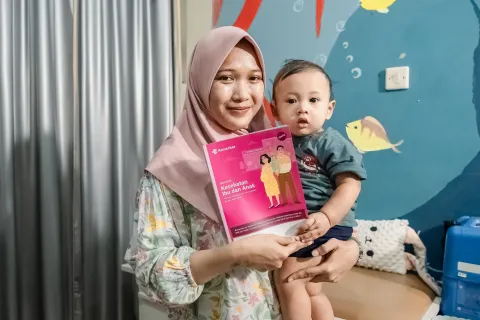
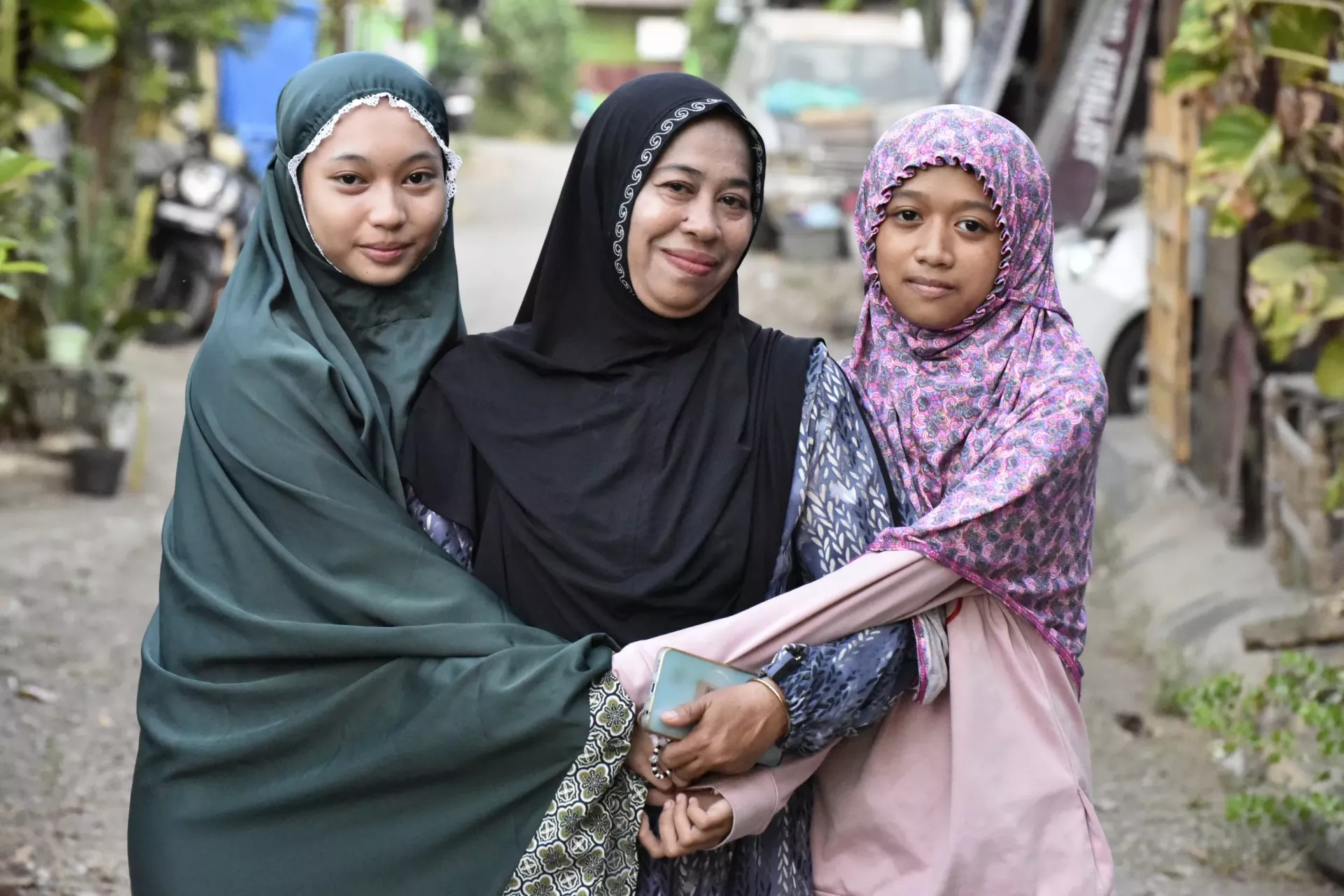
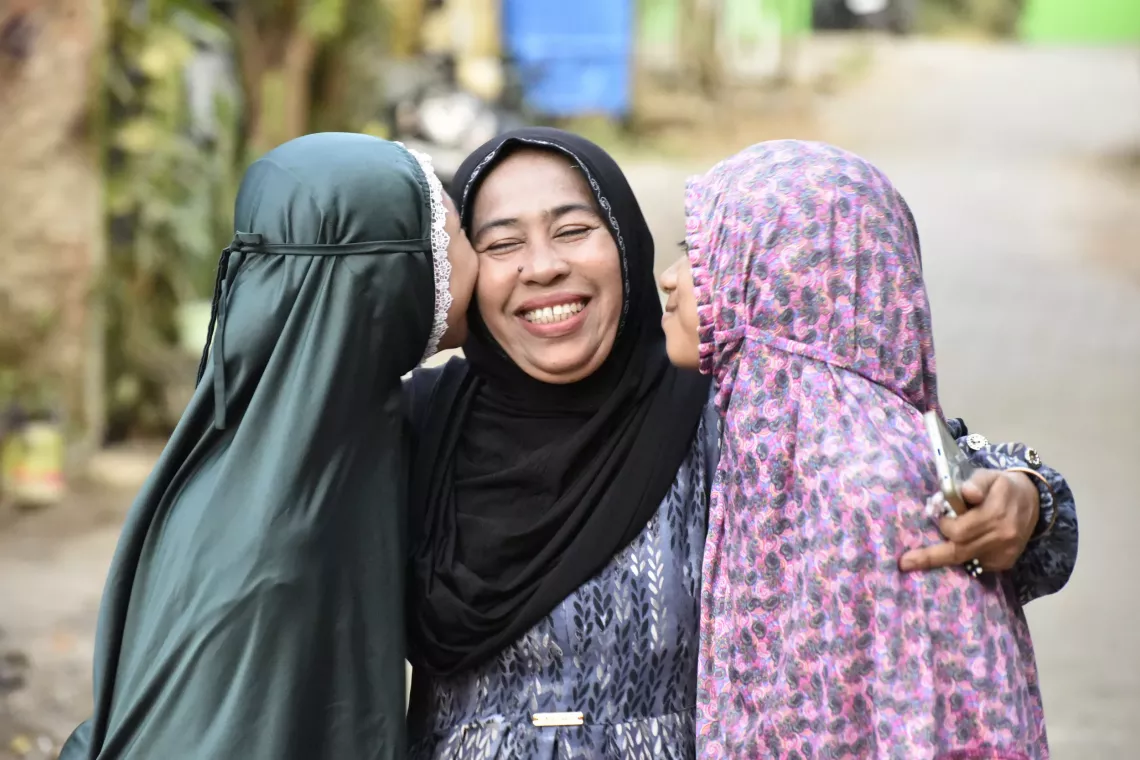
In a small community on the outskirts of Makassar, South Sulawesi, 47-year-old Yuli Yanti sits with her daughter and nieces, reflecting on the sudden news that changed her life and sent shockwaves through her family.
She recalls the early symptoms of illness—heavy bleeding and pain – accompanied by months of uncertainty. In 2021, Yuli was diagnosed with cervical cancer. Since then, her days have been filled with a grueling series of hospital visits and treatment sessions.
“I had to undergo 35 rounds of radiation and chemotherapy. It was exhausting. But I keep fighting, not for myself, but for my daughters.” Yuli is now determined to make sure the next generation of girls in her family – and in her community – don’t endure the same suffering. "I don’t want my daughters or nieces to experience this. The chemo, the hospital visits—it’s a nightmare," Yuli shares.
After three years of battling cancer, she understands the importance of prevention. When the government introduced the Human Papillomavirus (HPV) vaccination programme for adolescent girls, Yuli made sure to bring her daughter and nieces for their doses.
" Prevention is always better than cure. I’m protecting them from what I went through."
In August 2023, the Government of Indonesia, with UNICEF’s support, launched a nationwide HPV immunization programme to protect millions of girls from cervical cancer, the second leading cause of cancer deaths among women in Indonesia. The primary cause of cervical cancer is HPV infection, responsible for 95 per cent of cases.
Piloted in 2021 across 20 districts and expanded to 112 districts by 2022, the HPV vaccination programme offers free immunization to girls in 5th and 6th grade of primary school and to out-of-school girls aged 11 and 12 years. With more than 18,000 cervical cancer-related deaths annually in Indonesia, the HPV immunization programme provides a critical preventive solution with the potential to save thousands of lives.
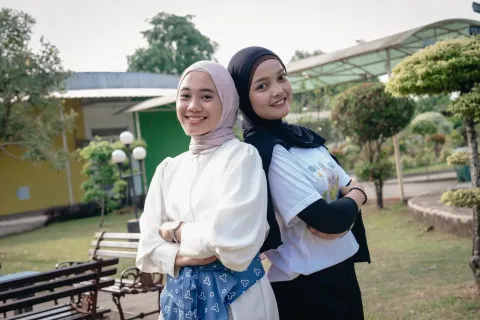
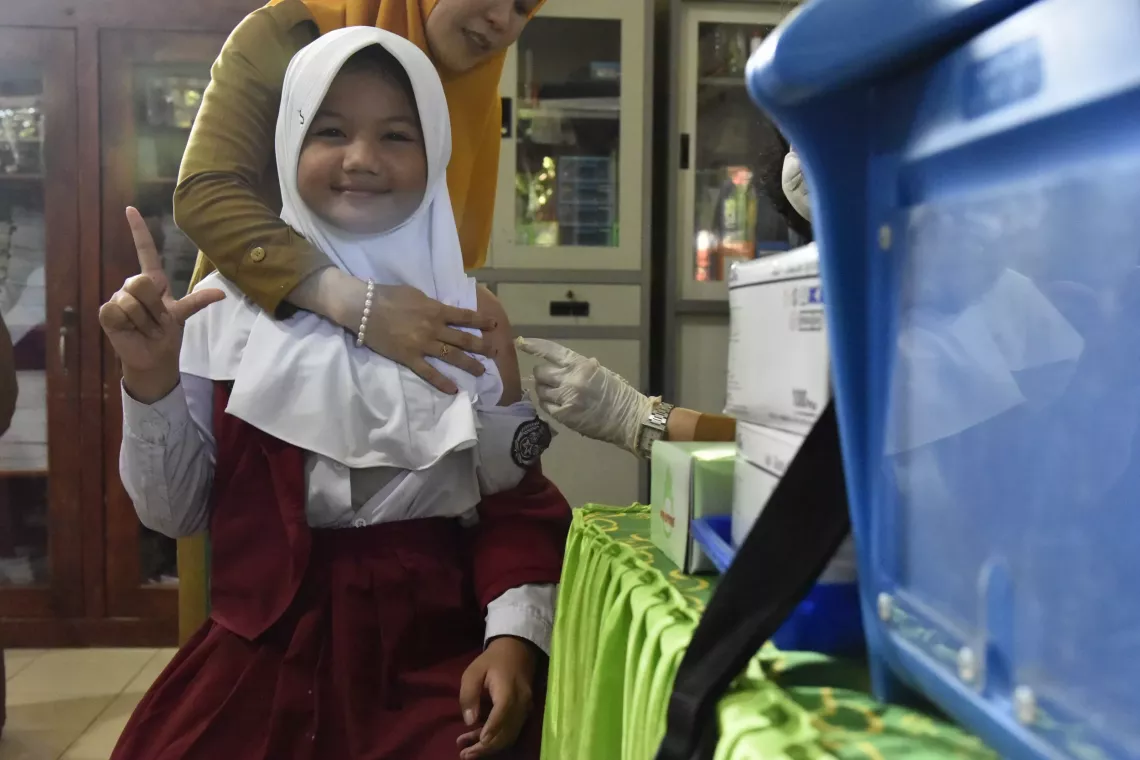
For girls like Akhila Naura Azamrah, a fifth-grade student at SD Negeri Sudirman IV, the HPV vaccine brings peace of mind. “The shot didn’t hurt much, just a little pinch, like an ant bite,” Akhila shares after receiving her first dose. “It’s important to get the vaccine so we don’t get sick with cervical cancer in the future.”
Her classmate, Azila Kinara Putri, echoes her sentiment. "At first, I was a little scared because I didn’t know what to expect. But after the vaccine, I realized it wasn’t so bad. I’m glad I got it."



Despite progress, the HPV immunization programme has faced significant challenges. Cultural barriers, misinformation and supply chain challenges, especially in rural and underserved communities, have threatened to slow progress. Many parents fear that vaccinating girls before puberty might encourage early sexual activity, a misconception that has led to resistance in some areas.
To help overcome these challenges, UNICEF and the Ministry of Health have joined forces to provide capacity building and resources to health workers, teachers and religious leaders, aiming to educate communities about the importance of HPV vaccination.
This includes interpersonal communication (IPC) training for educators like Sarwina, a teacher at SD Negeri Sudirman IV. “We learned how to explain the benefits of the HPV vaccine in a way that isn’t frightening,” Sarwina explains. “We use songs, games and creative methods to help parents understand why this vaccine is so important.”
These efforts have started to change attitudes. “At first, parents were scared. They thought the vaccine might cause infertility. But after our educational sessions, they began to see how vital it is to protect their daughters from cervical cancer. Now, they’re asking for the vaccine,” Sarwina says proudly.
Religious leaders have also played a crucial role in shifting perceptions. Professor Mustari Mustafa, Chair of International Relations at the Majelis Ulama Indonesia (MUI or the Indonesian Ulema Council) for South Sulawesi, has been a vocal advocate for the HPV vaccine in South Sulawesi.
"This vaccine is about prevention, it’s about protecting our daughters’ health, which aligns with Islamic values," says Professor Mustafa.
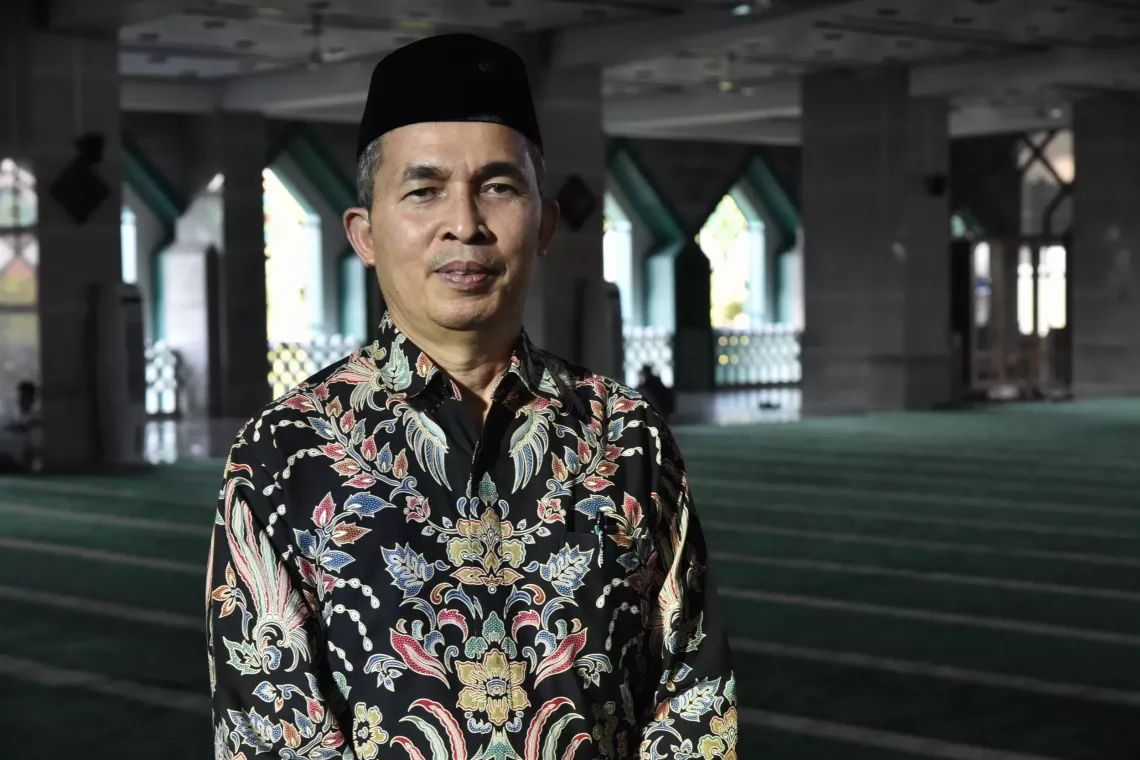
"As religious leaders, it is our responsibility to educate the community. We must support the government’s efforts and ensure our children are protected."
In urban centers like Jakarta, Makassar and Surabaya, schools have been essential in ensuring girls receive the vaccination as part of the School Based Immunization Month (BIAS), conducted in August and November every year. However, in more remote and rural areas, reaching out-of-school girls or those living in urban slums with limited access to healthcare is far more complex.
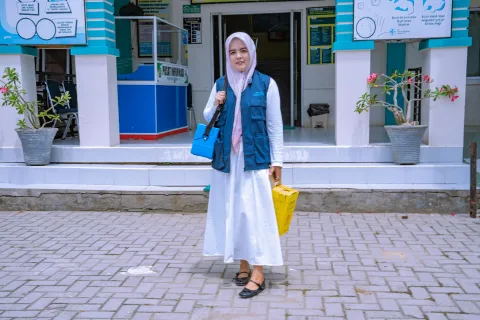
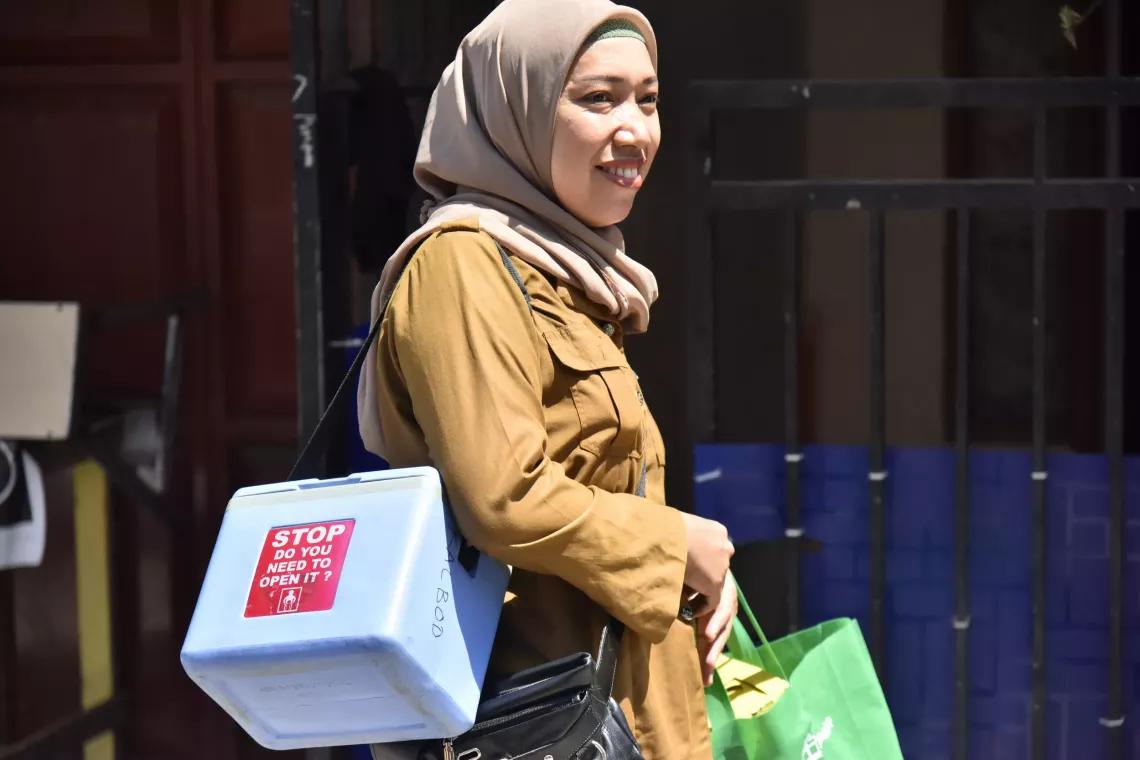
At Puskesmas Kaluku Bodoa in Makassar City, health workers like Irmawati are committed to ensuring no child is left behind. "We work with local volunteers to find out-of-school girls and ensure they receive the HPV vaccination," says Irmawati, the Health Coordinator. "Initially, there was resistance—parents feared the vaccine might cause infertility. But with ongoing education and UNICEF’s support, we’ve changed their minds."
Local non-governmental organizations (NGOs) have also played a vital role in the HPV immunization programme’s success. UNICEF has helped strengthen these organizations, enabling them to support the government in reaching remote and underserved areas. This collaboration builds trust and empowers local stakeholders to sustain this important effort long after the campaign ends.
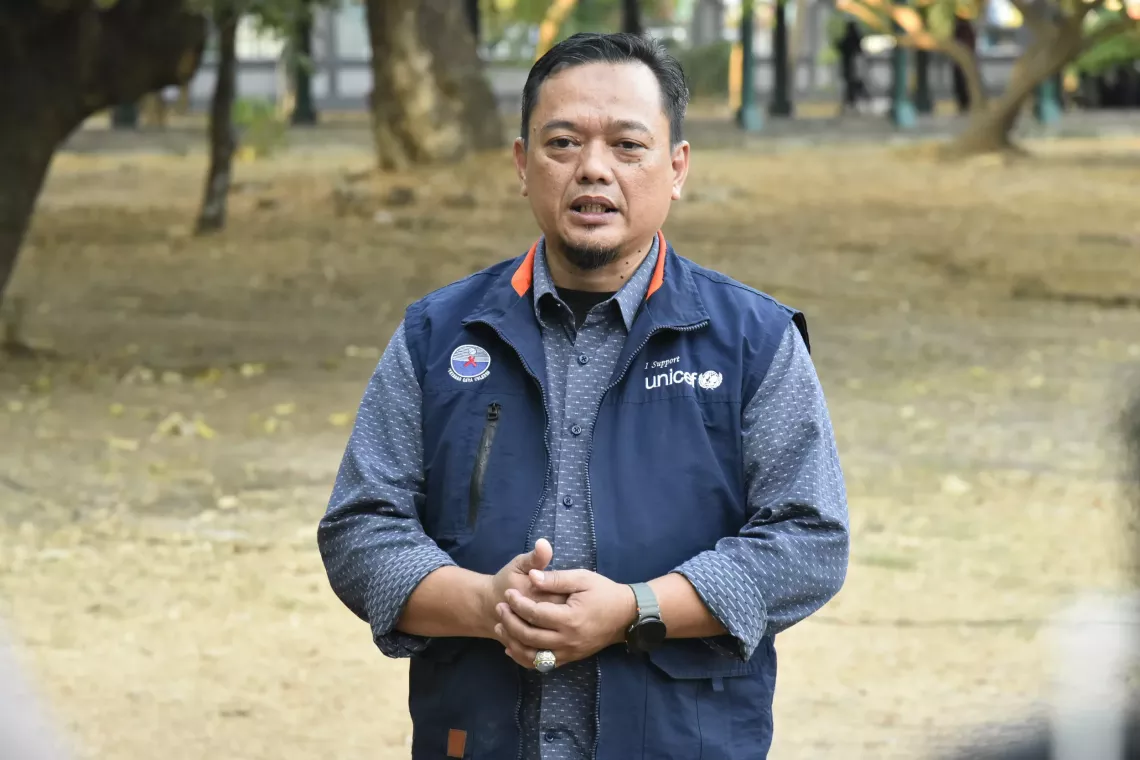
"We’ve worked with the District Health Department to address community concerns about vaccinating young girls," says Rahman Nur Syam, Programme Manager at Yayasan Gaya Celebes (YGC), a local NGO.
"Through education and involvement from trusted community members, we’ve dispelled misconceptions and protected more girls."
By reaching girls both in and out of formal education, HPV immunization has vast potential to support Indonesia with achieving its goal of eliminating cervical cancer by 2030. The nationwide HPV immunization programme has been administered to more than 89 per cent of the girls targeted for their first dose in 2023. The Government of Indonesia plans to do catch up immunization for 15-year-old girls in 2025 and to conduct HPV vaccination for boys in 2028.
As Yuli Yanti reflects on her journey, she feels hopeful.
“I wish I had known about this vaccine when I was younger. But now, at least I know my daughters and nieces are safe. This is how we can protect the next generation.”
Watch the full story