When Faith Fields a Shield
How Bhiwandi’s mosques are helping protect their children

Every single parent, no matter where they are in the world, wants the exact same thing. They want to see their child healthy, happy, and full of life. But when fear and rumors cloud the way, even the most loving parents can hesitate, stopping just short of giving their little ones the shield they need against dangerous illness.
In Shanti Nagar, a crowded and rapidly urbanizing pocket of Bhiwandi filled with migrant families and diverse communities, hesitation wasn't just an emotion. It was a quiet, daily reality.
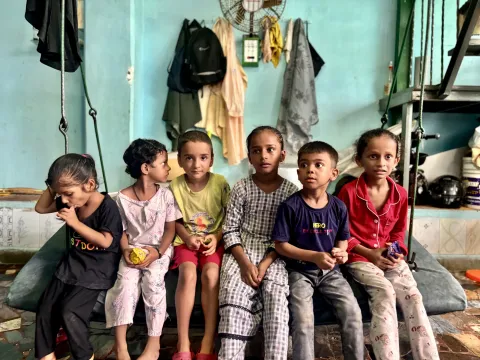
Take Shafiq Khan, for instance. Like any doting father, Shafiq wanted nothing but the best for his child. But the persistent myths about vaccination, combined with a very practical fear of a crying or feverish baby keeping the whole house awake and leaving the family too tired to work the next day, made him deeply hesitant. He flatly refused routine immunization, leaving his child completely unprotected, like several other zero - dose children living in the same neighborhood.
To tackle this kind of widespread misinformation and vaccine hesitancy, a community-based strategy was developed under the GAVI-supported Zero-Dose Implementation Plan (ZIP) in Bhiwandi. The work was implemented in close coordination with the Government health system, with support from UNICEF and its civil society organization partner, the Citizens Association for Child Rights.
The teams realized that to truly melt away such deep-seated fear, the message had to come not only from health workers, but also from voices the community already knew, respected and trusted.
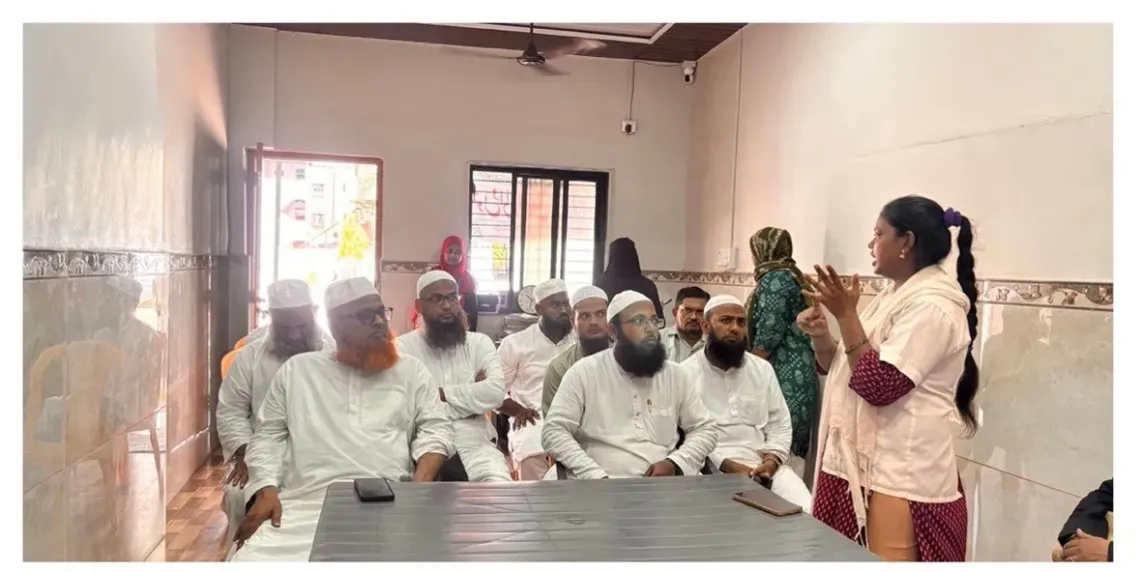
The core idea was simple yet powerful: invite local maulvis and imams as trusted community influencers. Through their deep moral authority and close connection with families, they could openly support routine immunizations during mosque sermons, Friday prayer announcements, and community meetings.
Voices of Trust from the Ground
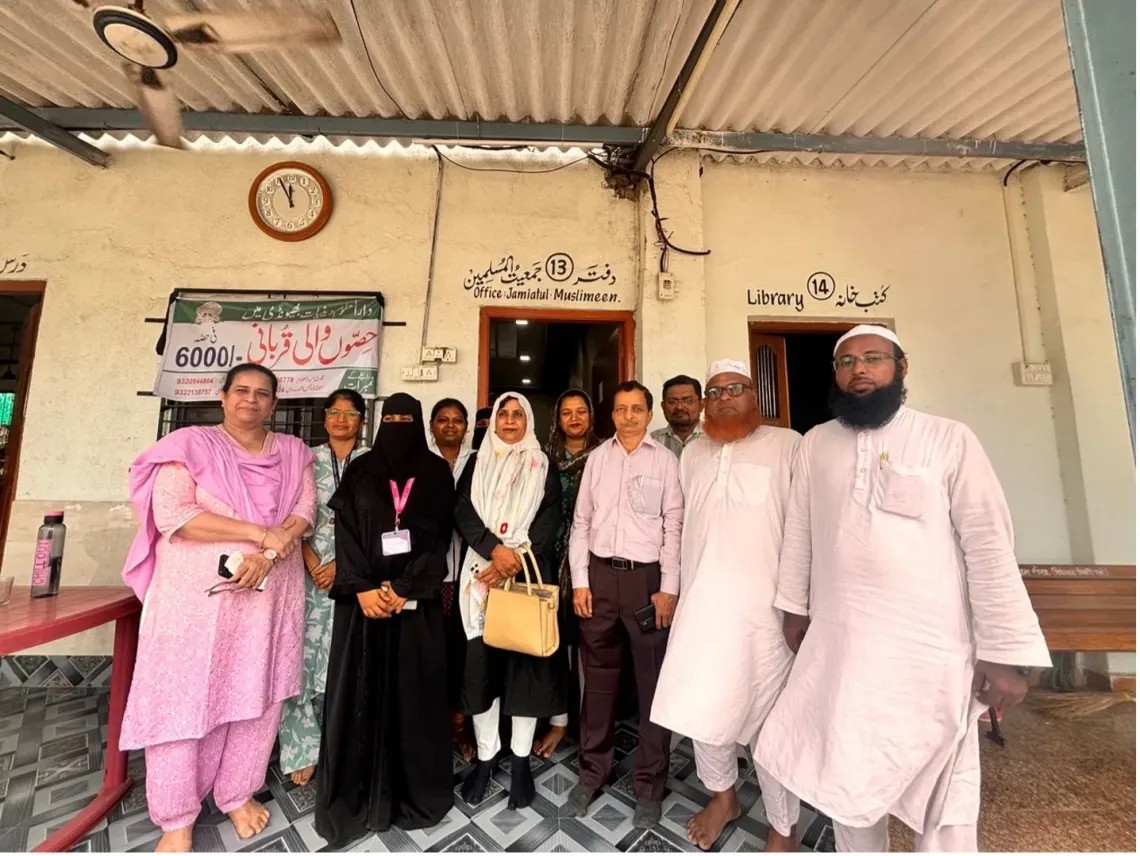
At the Deeniyat Masjid Madrasa in Shanti Nagar, we met Maulana Raees Ahmed Nadvi, the main caretaker of both the Madrasa and the mosque. He spoke with deep conviction about why he chose to support the initiative:
“Protecting a child’s health is an act of faith and humanity. With about 5,000 men attending Friday Prayers here, and 500–1,000 in surrounding mosques, we have a duty to open our holy spaces and shield children from disease is our duty. I proudly support boosting routine immunization and reducing zero-dose children, because a healthy community is a strong community."
Working alongside these faith leaders are frontline health workers, who provide medical reassurance to anxious parents and families during counseling sessions and immunization activities. The local ANM, Karuna Panga, patiently spent time counseling families like Shafiq’s and easing their worries about post-vaccination fever and other common side effects. She shared a beautiful perspective:
"Parents refuse vaccines out of fear, not a lack of love. Explaining normal side effects like mild fever reduces their anxiety. To maintain trust, our ASHA workers visit homes afterward to check on the little ones. If a child needs additional care, they connect the family to a doctor or health facility. Knowing they aren’t left alone after the vaccination changes everything for many families."
Reach and Attendance at a Glance
The weekly prayer gatherings provide an important opportunity to reach fathers, caregivers and other family decision-makers with accurate information on routine immunization.
| Location | Occasion | Estimated Attendance |
| Deeniyat Masjid Madrasa, Shanti Nagar | Friday Prayers | Around 5000 men |
| Around 10-15 Mosques in adjoining areas | Friday Prayers | Around 500 to 1000 men per mosque |
The Three Gamechangers of the Campaign:
What helped this approach move beyond a standard healthcare drive and become a trusted community movement? It boils down to three strategic pillars that helped change perceptions on the ground.
Trusted Community Influencers: Local maulvis and imams used their respected position to openly endorse routine immunization during sermons, prayer announcements, and community meetings, helping address fears and rumors.
Familiar community spaces: Local mosques and madrasas provided accessible and trusted spaces for counseling, community engagement, and vaccination activities.
Frontline Reassurance: ANMs and ASHA workers counseled parents, addressed concerns about fever, swelling, and other common side effects, and followed up with families after vaccination.
Overcoming the Fear
This gentle and reassuring approach was exactly what parents like Shafiq needed to hear.
When the message was delivered by the leaders they trusted and reinforced by health workers who answered their questions, the walls of doubt began to weaken. The fear of a restless night or brief fever started to fade when weighed against the longer-term protection vaccination could offer their children.
For Shafiq, the turning point came when reassurance from the faith leader was followed by practical counseling from the ANM and the promise of continued support from the ASHA worker.
He finally chose to vaccinate his child.
In Bhiwandi, faith leaders, frontline health workers, the Government health system and community partners are helping bridge that gap. Their collective effort is showing that when communities are approached with empathy, credible information, and sustained support, more children can receive the protection they need.
The Shield We Build Together
Ultimately, this is not a story about medical targets; it is about the quiet victories born when we stop judging and start listening.
Every time a hesitant parent chooses to vaccinate, they are choosing hope over the paralyzing whispers of fear, simply because someone met them with empathy. Today, the ancient promise of sanctuary lives in the tireless steps of an ASHA worker, the patient smile of a nurse, and the voice of a Maulana reminding his people that protecting a child is the ultimate act of devotion.
The true shield of Bhiwandi is woven from collective love. It reminds us that when healthcare is anchored in human connection, we don’t just save lives; we ensure no parent ever has to carry their fears alone.