UNICEF Guide: What can I do to help stop child marriage?
If you could stop a child marriage, would you? Maybe you can.
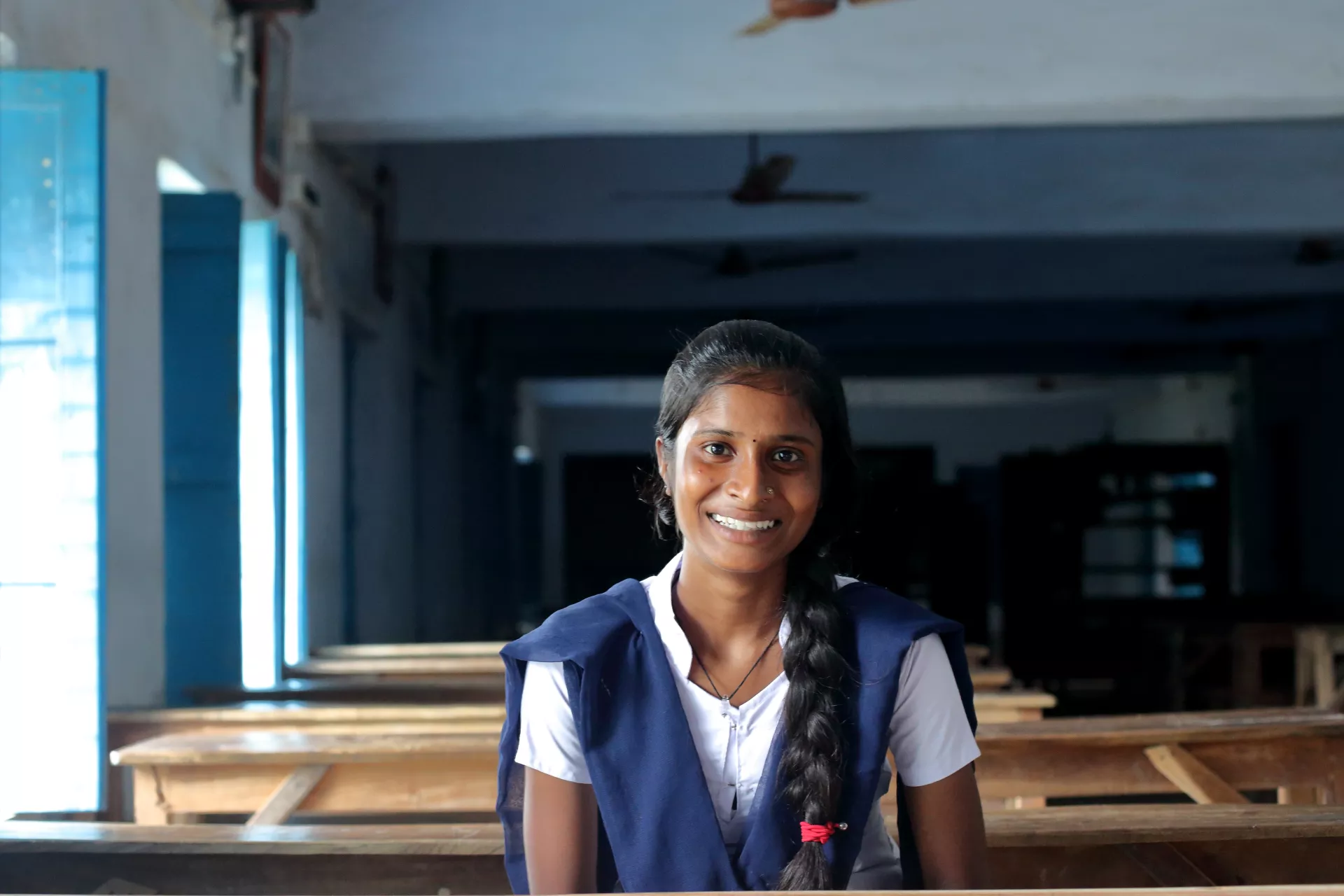
Every child in India has the right to finish school and to be protected from violence. Early and forced marriage still stops too many boys and girls from enjoying those rights, but together we can end this harmful practise for good.
Here’s our guide to reporting child marriage and raising your voice in your community.
Three simple actions against child marriage
Ending child marriage is no small task, but many small actions can create big change. We don’t have to stand by and accept practices that hurt children and communities - instead, here are three actions we can all take:
1. Report any child marriage happening around you to the proper authorities
2. Educate your friends, family and community about why child marriage is harmful
3. Promise to never be a part of any event that promotes child marriage
How to report a child marriage in India
If you hear about a child marriage happening in your school or neighbourhood, you can tell your nearest panchayat, closest police station, a nearby charity that works for children or your local leaders, representatives or MLAs. These adults have a responsibility to stop a child marriage happening.
What if I want to stay anonymous?
If you need advice or don’t want to be identified, you can also call the childline helpline on 1098. You’ll reach someone trained to help young people like you. You don’t need to tell them your name.
Don’t put yourself in danger
Be mindful of your safety at all times. If intervening directly in any incident could put you in danger, or you see someone who is being attacked physically or in serious danger, call an adult for help immediately. In some cases, it may even be necessary to call the authorities.
How to speak to my family and friends about child marriage
From your neighbor, to your aunty to your bus driver - there are many people around us who we can help to educate about child marriage.
Here are four strong messages you can share with anyone in your community about child marriage. If you’re trying to change someone’s mind, it’s a good idea to listen to their ideas, speak clearly and stay calm.
- Child marriage is illegal in India. Every child has a right to go to school and not face violence but getting married early often denies them these rights.
- Every child marriage hurts our entire family and community. When a girl or boy gets married before they turn 18, they are less likely to finish school. This can limit their chances at getting a skilled job, lower their lifetime income and create a worse life for their children in the future.
- We all want girls and babies in this community to be healthy and safe. When a girl gets married as a child, she’s more likely to give birth too early. When young girls have babies, they’re more likely to be in danger during childbirth and so are their babies.
- Every year, fewer and fewer children in India are getting married. More parents and community leaders are seeing the negative impacts of child marriage and are aware of the law. Our community can do the same.
What is UNICEF doing to help end child marriage in India?
UNICEF is working hand in hand with India to prevent child marriages and help children who’ve been impacted. We’re supporting social change through policies, empowering adolescents and strengthening services for the healing and recovery of survivors of violence.
In 2019, UNICEF and our partners helped:
- Expand the national flagship programme, Beti Bachao Beti Padhao, from 16 to 80 districts so that 5.4 million girls and 2.4 million boys gained access to information, gender-responsive services, and life skill programmes.
- Reach 33 million parents and community members with information on the harms of child marriage as well as parenting skills and adolescent issues.
- Bring together in a collective 120 youth-led organizations to enhance participation skills of adolescents and to establish an interface for district officials with adolescents.