Together at the Table: Breaking the “Last and Least” Rule for Women and Girls
Sharing meals equally isn’t just about fairness, it’s about health, dignity, and the future of generations
- English
- हिंदी
No One Should Eat Last — Especially Girls and Women
In many households, an unspoken rule dictates that women and girls eat last — often receiving the smallest portions. This practice, rooted in socio-cultural norms, robs them not only of proper nutrition but also of dignity and opportunity, with consequences that ripple across generations.
Men and boys are typically served first, leaving women and girls to wait for the leftovers. By the time they get to eat, the best portions are often gone, and the remaining food may be insufficient. This deeply ingrained tradition remains largely unchallenged, yet its consequences are significant.

“Nutrition equality starts at the dining table — no woman or girl should eat last or least.”
The second brief in UNICEF India’s Advocacy for Healthy Diets series highlights this urgent issue, showing how nutrition is central to the rights, well-being, and opportunities of adolescent girls and women — at school, at work, and in daily life. Drawing on evidence from CNNS and NFHS-5, it reveals the triple burden of malnutrition in India:
Undernutrition, micronutrient deficiencies, and rising overweight. For women and girls, these challenges are magnified by gender norms, unequal food distribution at home, limited food environments, and time poverty — all of which make accessing nutritious diets especially difficult during adolescence, pregnancy, and lactation.
A Tradition That Costs Health
This “last and least” custom is more than just unfair — it directly undermines the health of women and girls. Poor nutrition among adolescent girls can lead to stunted growth, weakness, and a reduced immune system.
For women of reproductive age, it increases the risk of complications during pregnancy and can result in low birth weight and malnourished babies. The cycle of undernutrition continues, silently passed from mother to child.
But the problem extends beyond hunger. With diets increasingly dominated by processed foods and fewer fresh, diverse options, women and girls are more vulnerable to both deficiencies and the rise of overweight and obesity. Small, practical shifts — such as ensuring a nutritious breakfast and healthy snacks — can make a world of difference.
Healthy Diets - Gender Equality
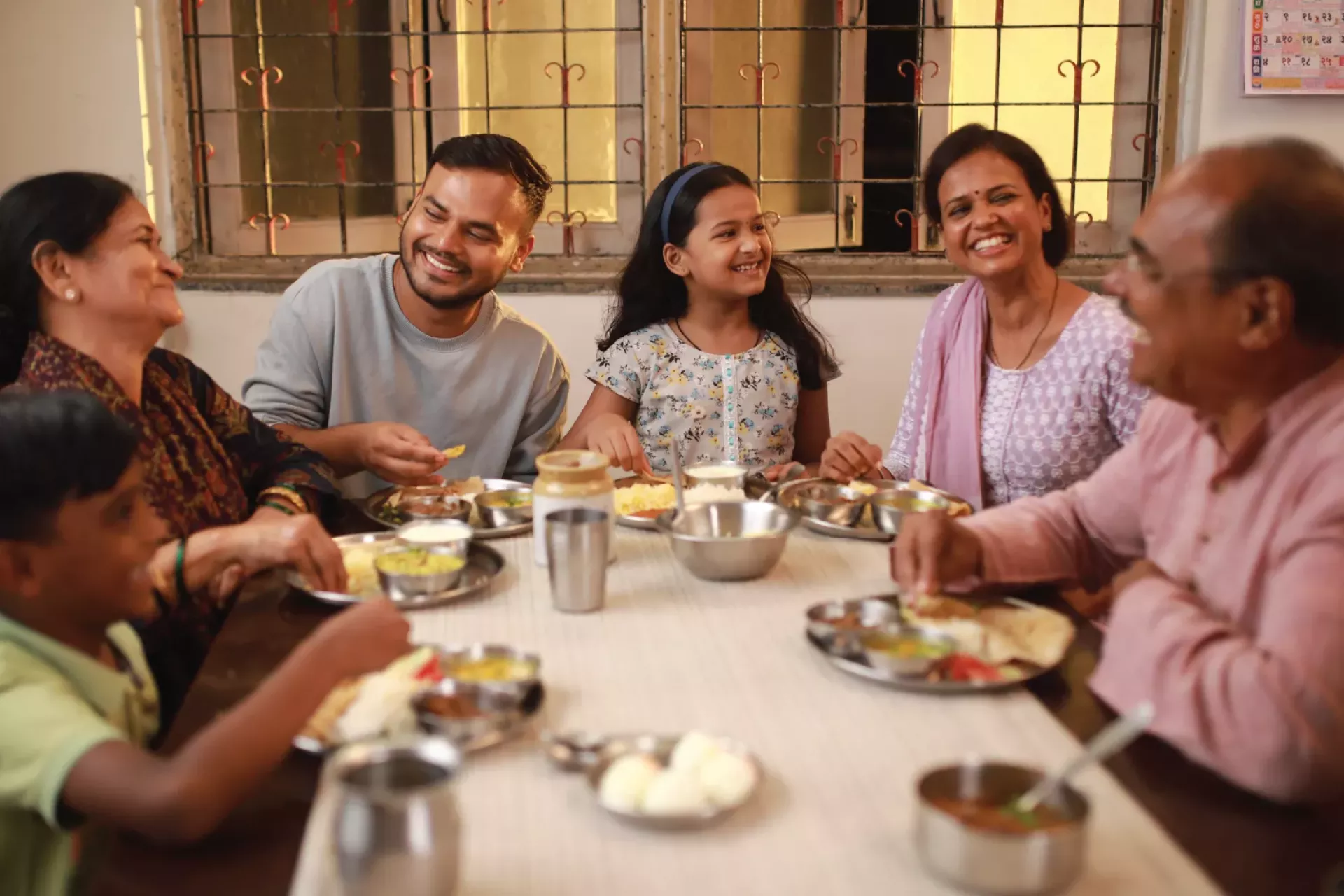
Family mealtimes are more than a tradition — they’re a safeguard for nutrition equity. When everyone eats together, women and girls are more likely to receive the same quality and quantity of food as men and boys. This simple act can improve maternal health, boost energy, and ensure healthier pregnancies and babies.
A Right, Not a Privilege
The right to food is a fundamental right for every family member, regardless of gender. Equal access to nourishing meals should be as non-negotiable as education or healthcare. Schools, workplaces, and frontline workers all have a role to play in supporting better diets for women and girls, but change must also begin in the home.
“Change begins where the family gathers — at the table. Serve women and girls first in respect, and equally in nourishment.”
A Healthier Future Starts Today
Breaking the “last and least” habit is not just about changing who eats when — it’s about reshaping health outcomes, uplifting dignity, and securing a healthier future for all. When women and girls are nourished, they are better learners, healthier mothers, and more substantial contributors to society.
By ensuring that no one in the family eats last or least, we nurture healthier women, stronger future mothers, and better outcomes for the next generation. Equality at the dining table today lays the foundation for equality in every sphere tomorrow.