The Neighbour’s Knock
How trust and community power are reducing zero-dose children in Bhiwandi

In Maharashtra, the biggest breakthrough in child healthcare isn’t medical — it’s social. It’s the power of community trust. And it all begins with a familiar face, a shared language, and a simple knock on a neighbour’s door.
Since October 2024, the Gavi-supported Zero-Dose Implementation Plan (ZIP) has supported intensified efforts across selected urban areas in Maharashtra, including BMC (34 UPHCs), Bhiwandi-Nizampur Municipal Corporation (19 UPHCs), Malegaon Municipal Corporation (14 UPHCs) and Pune Municipal Corporation (6 UPHCs).
At its core, the program focuses on three beautifully simple goals: finding "zero-dose" children to link them with healthcare, supporting our frontline health staff with the training they need, and bringing local leaders and community groups together to build a reliable safety net for every single child.
It is in Bhiwandi where this safety net faced its toughest test and achieved its most moving victories.
Moving from Resistance to Persistence
The scale of the challenge in Bhiwandi was immense. In October 2024, the Bhiwandi Nizampur Municipal Corporation identified 1,911 zero-dose and refusal children including 775 residing in the most challenging pockets.
To understand these numbers, we have to look at the human stories behind them.
Nasreen, a resident of the Bangalpura urban settlement, was once among the many parents harbouring a deep resistance to vaccination. For her, and for hundreds of other mothers in Bhiwandi, that hesitation wasn't random—it was rooted in deeply entrenched fears of post-vaccination fever, side effects, long-term misconceptions like infertility, and a pervasive lack of trust in health systems.
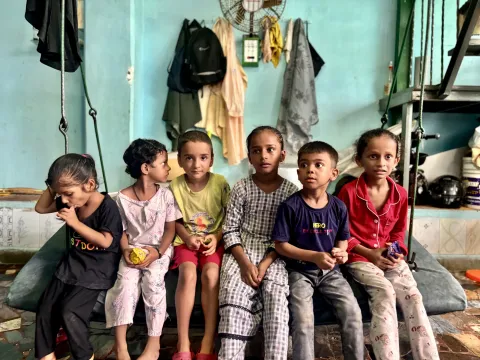
When fear takes over, systemic hesitation follows, leading to a rise in "zero-dose" children—little ones who have never received a single routine vaccine.
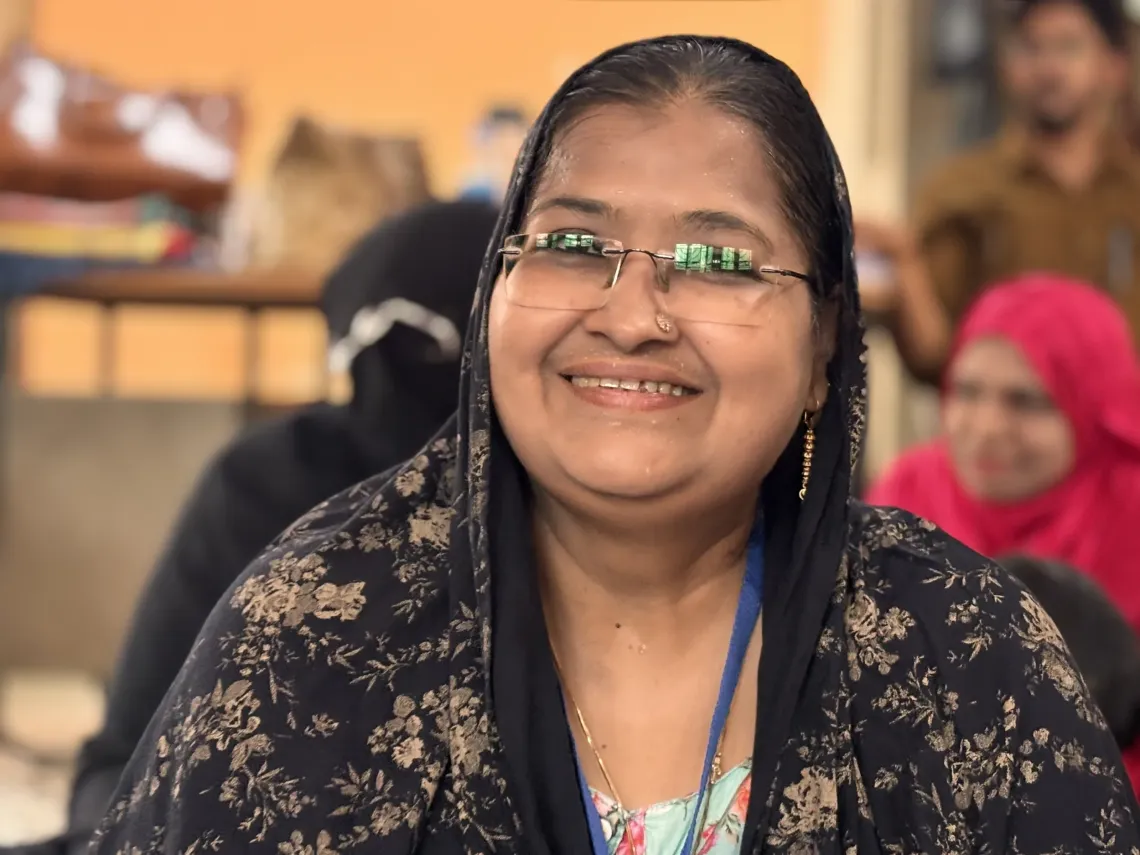
But walk through Bangalpura today, and you'll find that Nasreen’s perspective has changed significantly. She hasn't just realized the immense benefits of immunization for her own family; she has become one of its strongest advocates.
Today, Nasreen is no longer only a mother who overcame her own fear; she is one of the familiar neighborhood voices helping other parents take the same step. In a remarkable turn of events, her past refusal has transformed into a passionate persistence to protect every single child in her neighborhood.
The Power of the Neighborhood
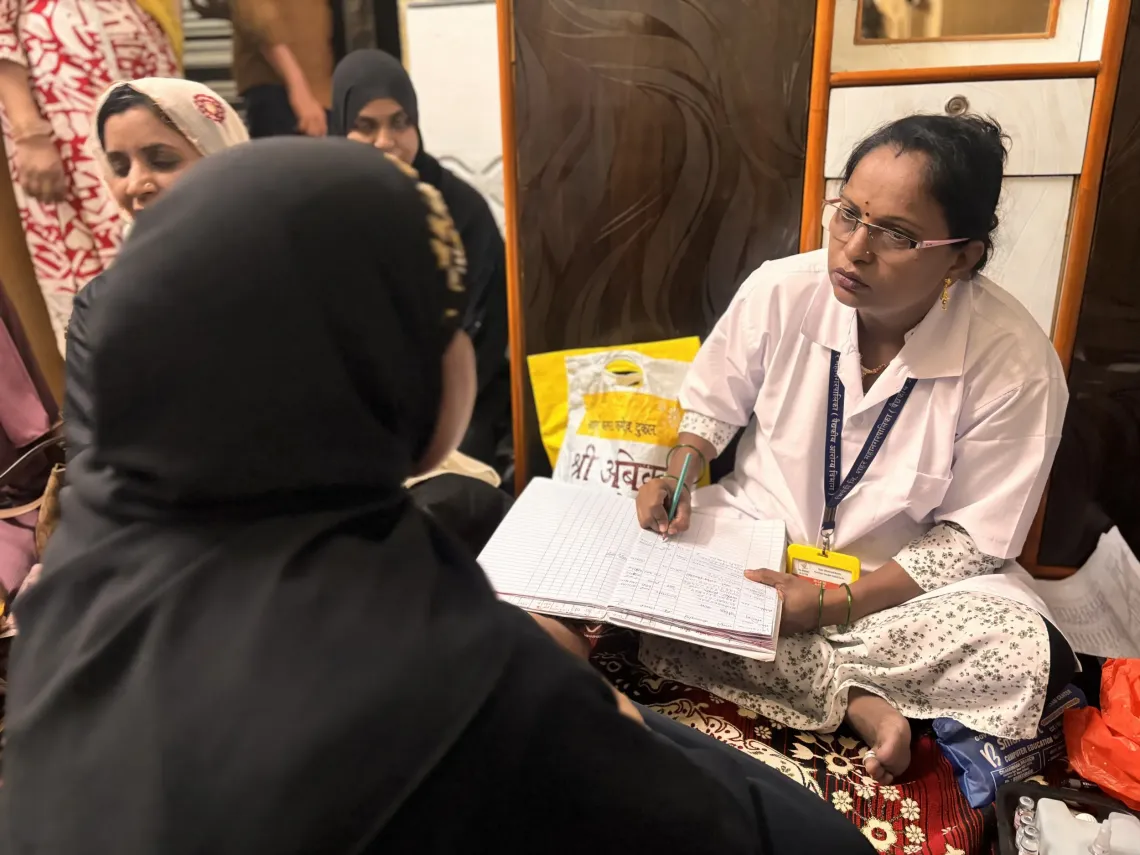
The person who helped make this shift possible was Shehzadi, the local ASHA worker, who understood that resistance could not be overcome through repeated messaging alone. It needed trust. The true turning point arrived in Bangalpura through the Mahila Arogya Samitis (MAS), an urban community platform under the National Health Mission, mobilized locally by ASHA worker Shehzadi in January 2025.
Reflecting on the difficult early days, Shehzadi shares:
“When parents resisted door-to-door immunization surveys, I partnered with local women to build trust. This evolved into a formal, unpaid Mahila Arogya Samiti (MAS) group. Driven by passion, we successfully brought zero-dose children from 64 down to zero in the Bangalpura outreach area."
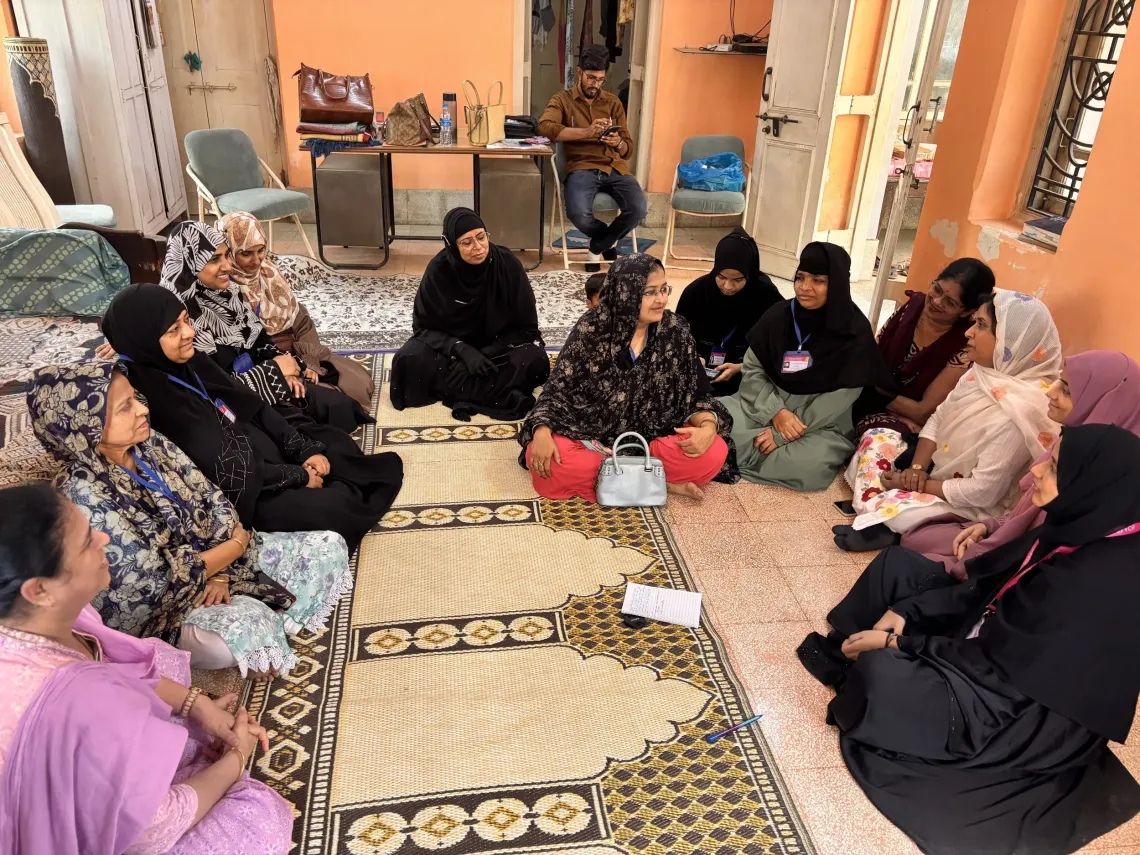
While Shehzadi possessed the community’s heart through close grassroots ties, she needed the tools and the confidence to truly lead. The Citizens Association for Child Rights (CACR), UNICEF’s civil society organization partner under the Gavi-supported ZIP, stepped in to fill this critical gap. They extensively trained Shehzadi and other members using interactive role-plays and simulations to hone their interpersonal counseling skills.
Through 126 hands-on workshops, 106 local women’s groups (Mahila Arogya Samitis) stepped up to become health leaders in their neighborhoods. They focused on the essentials: maternal care, periods, anaemia awareness, and community leadership. Armed with this knowledge, they didn't just sit on committees to co-plan local clinic strategies; they took to the streets.
These women became the heartbeat of local healthcare. They knocked on doors to find children who hadn't received a single vaccine, tracked down families who missed appointments, and stayed close to new moms to help with breastfeeding, prenatal visits, and newborn care. By hosting monthly mothers' circles, they didn’t just pass out information; they built a safe space of trust, understanding, and shared strength.
Supported by UPHC Coordinator Mr. Asrar Shaikh and PHN Rekha Patil, these women transitioned from hesitant residents into recognized, confident community partners, eventually receiving formal identity cards from the Health Department. This formal validation sparked a renewed sense of ownership. Even without financial remuneration, the government-issued identity card became a profound symbol of pride, recognition, and belonging.
Turning Data into Hope
Varsha Baroad, the Bhiwandi Municipal Corporation RCHO, highlights how unlocking community participation completely changed the narrative:
“To boost Routine Immunization (RI) from 40%, UNICEF, CACR, and frontline health workers scaled Mahila Arogya Samiti (MAS) from 20 to 123 groups. Today, 1,230 volunteers and 384 health workers have driven coverage to 88%, targeting 95% through sustained outreach and ANC clinics."
This collaborative, ground-level network helped reshape local outreach. To overcome low turnout caused by distant health centers, an Auxiliary Nurse Midwife (ANM) engaged Shehzadi to persuade local families to visit. She built trust by demystifying minor side effects, providing medicine, and sharing her phone number. Today, this personal approach ensures complete care through post-vaccine home visits by ASHA workers, with doctors stepping in for serious cases.
The Beautiful Proof of Change
The change was visible in the numbers as well. Through MAS-led outreach, 108 zero-dose, potential zero-dose, and dropout children were supported for vaccination, including 23 zero-dose children who were converted. At the same time, 141 community women became active drivers of social and behavioral change in their neighborhoods. Lifelines Beyond Immunization
The Unity MAS Group’s work has also extended beyond routine immunization. Since its formal establishment in March 2025, the group has supported monthly discussions on menstrual hygiene, ANC and PNC, healthy baby initiatives, neighborhood cleanliness drives, and anaemia screening camps, including one that reached 79 women and girls in May 2025. Through this tireless service, these women have earned the deep respect of the Health Department.
Walking Hand-in-Hand to Build Trust
Overcoming medical mistrust requires deep empathy. Nashra Khan from CACR recalled that many people initially lacked vaccine awareness. When incidents like swelling after a Penta-1 dose or a child having preexisting fits made parents hesitant, the team arranged direct doctor consultations to reassure them.
To bridge remaining trust gaps, a coordinated frontline team—comprising MAS members, ASHA workers, ANMs, PHNs, and Anganwadis—actively combats lingering myths. The impact of this localized approach is clear. As Razia, a local mother, shares: “When Shehzadi and Ms. Nasreen explained the benefits, I agreed to vaccinate my child.”
The Power of Triple A – Anganwadi, ASHA, ANM
The combined effort of ASHA workers, ANMs and Anganwadi workers, supported by MAS members and UPHC teams, became the real engine of change.
In Bhiwandi, the ultimate public health lesson is simple: when change is carried by a familiar face—a neighbor who understands your fears, speaks your language, and returns after vaccination to check on your child—the walls of resistance begin to crumble. By turning former skeptics into champions, the initiative is proving that real, lasting public health isn't just about medicine; it's about building trust, one conversation at a time.