Mother's milk is nectar for the child
Breastfeeding, while a natural and essential practice, often comes with challenges that require accurate knowledge and collective support to overcome
- English
- हिंदी
Every year, the first week of August is celebrated as World Breastfeeding Week to highlight the vital role of breastfeeding in infant health and well-being. This global event raises awareness, dispels myths, and supports mothers worldwide. The theme for 2024, "Closing the Gap: Breastfeeding Support for All," underscores the importance of providing inclusive support systems to ensure that every mother and child can benefit from breastfeeding.
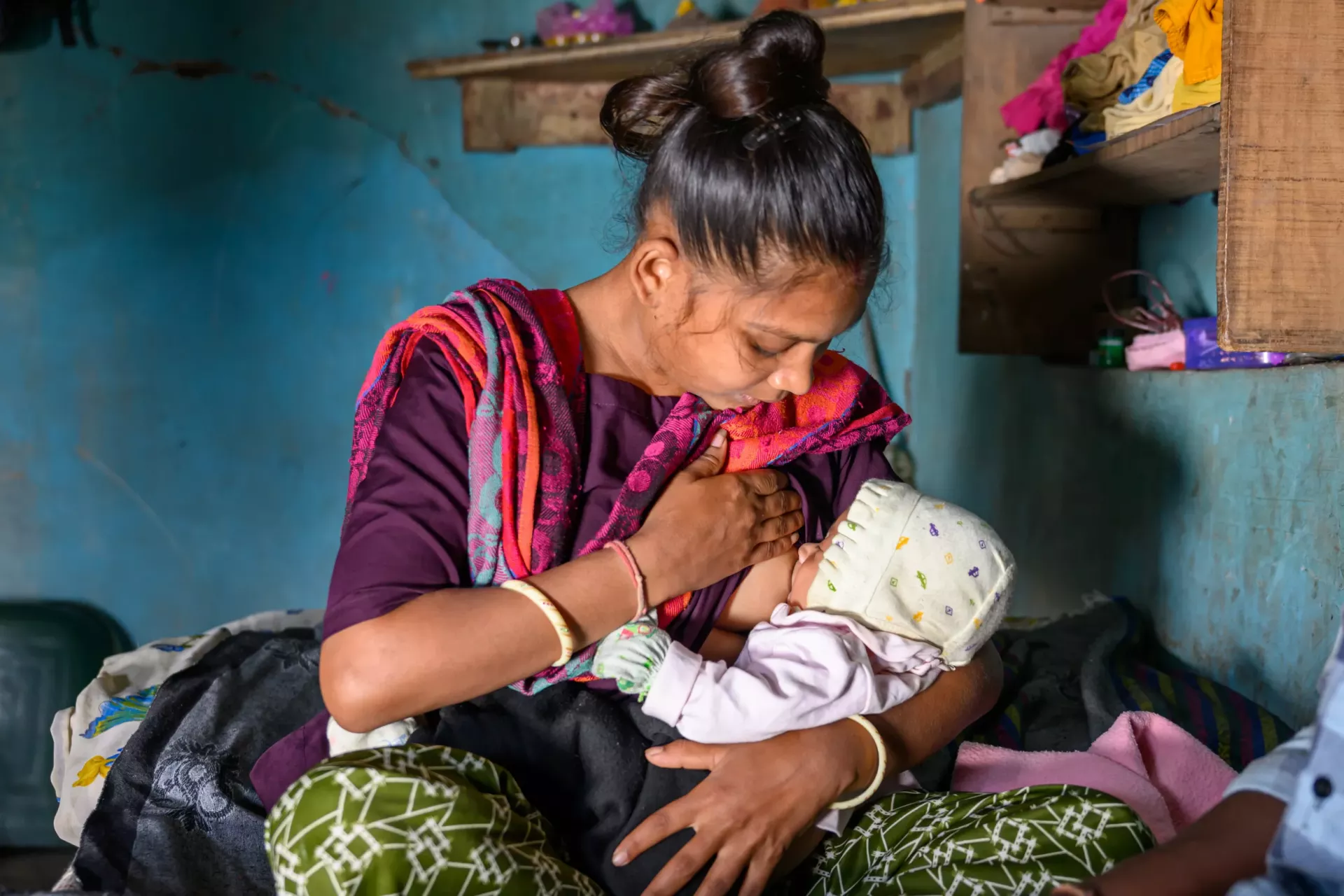
Breastfeeding is a natural and a beautiful journey that offers nutritional and emotional benefits to both the mother and the baby. However, many mothers face challenges and misconceptions that can make their breastfeeding journey difficult. Addressing these issues and providing the necessary information and support is crucial.
BURSTING MYTHS
Misconceptions about breastfeeding can hinder mothers from fully embracing this essential practice. Here are some common 10 myths and the realities that dispel them:
Myth: Breastfeeding is easy and natural for everyone
Reality: It requires practice and support for both mother and baby to master.
Myth: Formula feeding is just as good as breastfeeding
Reality: Breast milk is unique for the baby. It provides adequate nutrients, boosts immunity, protects babies from infections, and enhances children's IQ. Formula feeding can be harmful for babies.
Myth: You should separate a newborn and mother to let the mother rest.
Reality: Bringing your baby in direct contact with your skin within the first hour of birth is an especially important practice that helps her/him find and attach to the breast, as well as providing warmth and emotional bonding.
Myth: Babies need water or other fluids in hot climates
Reality: Breast milk alone is sufficient, even in extreme heat, providing all the necessary hydration for the baby.
Myth: Breastfeeding mothers must have a perfect diet
Reality: While a balanced diet is beneficial, mothers can breastfeed effectively without strict dietary restrictions.
Myth: Working mothers can’t breastfeed.
Reality: When the mother is absent, any caregiver can express, store, and feed breastmilk to the baby. However, for this to be successful, mothers need support from family members and healthcare workers who can teach them how to express and store breastmilk.
Myth: Breastfeeding will make breasts saggy
Reality: Sagging is more related to pregnancy itself and genetics, not breastfeeding.
Myth: Small breasts produce less milk
Reality: Breast size does not determine milk production; milk supply is based on demand and the baby's needs.
Myth: It is too difficult to breastfeed after a caesarean section.
Reality: With proper support and guidance, breastfeeding after a caesarean section is entirely possible and beneficial.
- Myth: Breastfeeding needs to be scheduled
Reality: Feeding on demand is best, responding to the baby's hunger cues rather than adhering to a strict schedule.
Dispelling these myths will empower mothers with accurate information, helping them confidently navigate their breastfeeding journey.
THE GOLDEN HOUR AND BEYOND
The "golden hour," the first hour after birth, is critical for initiating breastfeeding. UNICEF and WHO recommend breastfeeding within this period and exclusively for the first six months. Continued breastfeeding, along with appropriate complementary foods, until at least two years of age provides ongoing protection against illnesses and supports optimal growth.
BENEFITS FOR MOTHERS
Breastfeeding offers numerous benefits for mothers. It releases a hormone called oxytocin, promoting bonding and relaxation. Breastfeeding reduces the chances of mothers to develop certain cancers and diabetes. It saves time and money compared to formula feeding and provides a convenient, always-available food source for the baby. These benefits allow mothers to rest and bond with their infants while enhancing their own health and well-being.
Despite its well-documented benefits, millions of infants around the world are still not exclusively breastfed in their first six months, compromising their health. It is high time we realized that mothers need the support of their families, workplaces, and the entire community in the journey of nurturing their newborns.
INCLUSIVE SUPPORT FOR MOTHERS
Family members, especially partners, can offer emotional support, assist with household chores, and help care for older children, allowing the mother to focus on breastfeeding and get adequate rest.
Creating a family-friendly workplace is crucial for working mothers. Employers should offer flexible hours, options to work from home, and dedicated lactation rooms. Paid birth-related leave and additional breaks for breastfeeding or pumping are also important.
The community is vital in supporting breastfeeding mothers by creating a welcoming and encouraging environment. This support can come from local NGOs and healthcare providers, who can organize breastfeeding campaigns that make breastfeeding feel normal and accepted. Healthcare providers and Anganwadi workers must be trained to support mothers effectively. In public spaces, women should be given privacy for breastfeeding their accompanying babies.
UNICEF actively promotes and supports breastfeeding through different programs and initiatives. Healthcare workers are given resources and guidance to educate communities and advocate for policies protecting breastfeeding rights. World Breastfeeding Week is a time to celebrate achievements and renew our commitment to supporting breastfeeding worldwide. By working together to provide accurate information and comprehensive support, we can ensure that every child receives the best start in life. This collective effort will pave the way for a healthier and more equitable future for all.
Dr. Kaninika Mitra is the Chief of Field Office, UNICEF Jharkhand
Ms Astha Alang is a Communication Advocacy & Partnership Specialist, UNICEF Jharkhand