How to deal with anxiety before exams
Advice for children and teenagers
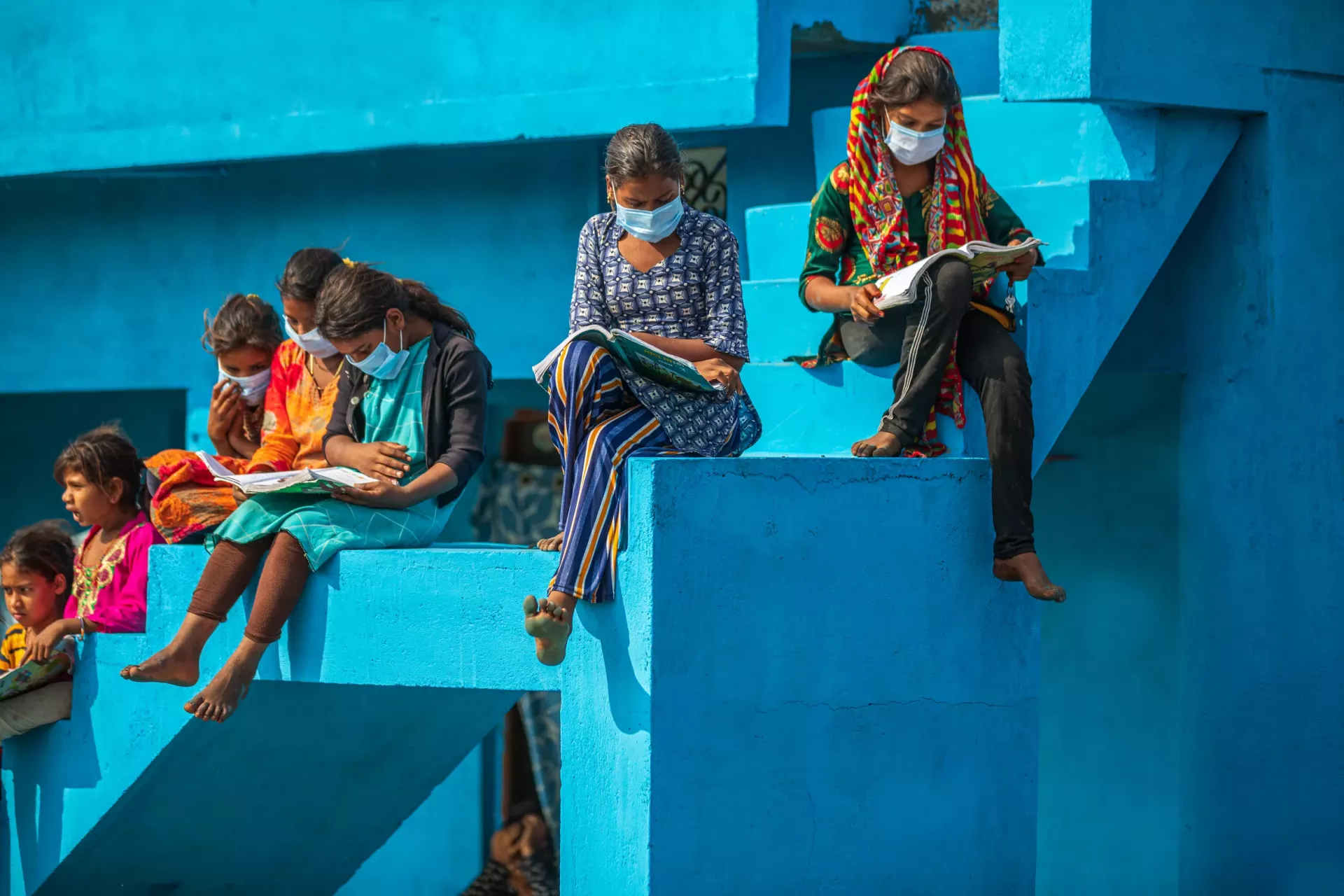
Even without the threat of COVID-19, the exam period is a stressful one for students. However, the pandemic complicated things, from several points of view.
We urge the latter to be there with their children, to be empathetic and to listen to them, to give them confidence and to observe all the signs that could indicate the need for psychological help felt by the children.
Rapid changes put a huge pressure on the psyche of students...., We offer the advice to students, which should be read not only by children and young people, but also by parents and teachers.
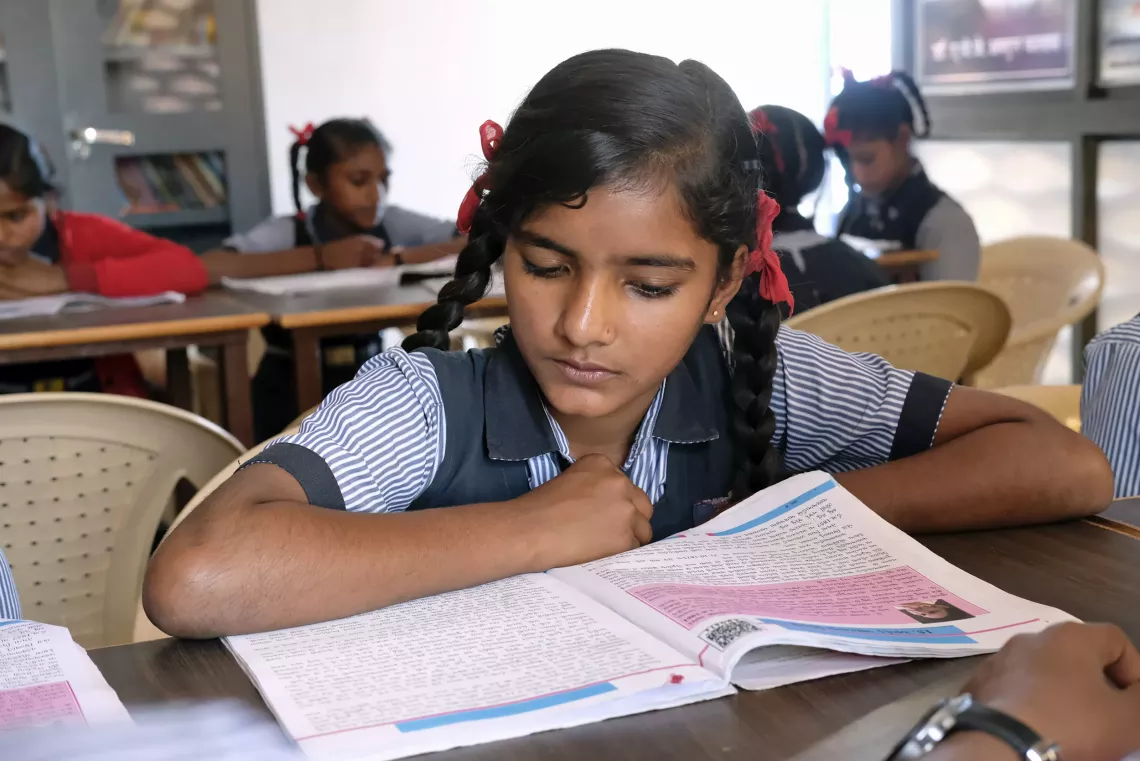
Talk about what worries you. It is normal to feel worried before exams, and the stress is even greater in the current situation, when you may feel scared and helpless. This is a difficult time for everyone and it can help if you talk to family and friends about how you feel and the things you do to deal with the situation.
Rest. Often, you do not sleep well when you are restless or worried before the exam. A good quality sleep helps you feel better mentally and physically, so it is important to get enough sleep.
- Try to see when you fall asleep the easiest and, a few nights in a row, go to bed at the same time. Avoid going to bed after 23:00, especially if you have to wake up early the next day. During adolescence, the body does not feel the need for sleep and it seems that you can stay awake as long as you want, but rest during sleep helps you to restore your body and develop your brain.
- Prepare your room for bed. It seems boring to gather the notebooks and books you studied all day, but you rest better in a clean and airy room.
- Take a break before ... sleep. Yes, it sounds funny, but it's good not to go to bed thinking about how much you have to learn and the problems of the next day. Read something you enjoy.
- Avoid taking another look at Instagram before falling asleep.
- If you feel restless, try some relaxation techniques: breathe slowly and deeply, visualize in your mind the parts of your body while you relax them or imagine that you are in a pleasant place, where you feel safe.
- Help others. Think about how you could help those around you. Try to accept the concerns, worries, or behavior of others.
- Take time to relax and focus on the present. This can help you get rid of difficult emotions, worries about the future and can make you feel better.
Take care of your physical health. The health of your body has a big impact on how you feel emotionally and mentally. In times like these, it's easier to adopt risky behaviors that actually make you feel worse.
Sometimes, stress and anxiety are manifested by physical symptoms, such as:
- stomach ache;
- nausea and vomiting;
- rapid or irregular heartbeats;
- dizziness;
- headache;
chest pain or loss of appetite.
In all these cases, do not ignore the symptoms and talk to an adult (parent, teacher, nurse or doctor) about how you feel and what worries you.