Everything You Need to Know About Anaemia
Spot the signs and treat the cause. Simple solutions for a healthier world.

What is Anaemia?
Anaemia is a condition in which your body lacks enough healthy red blood cells to carry oxygen to your tissues. This can make you feel tired or weak and is more commonly known as low haemoglobin.

Prevalence of Anaemia in India

CHILDREN IN SCHOOL
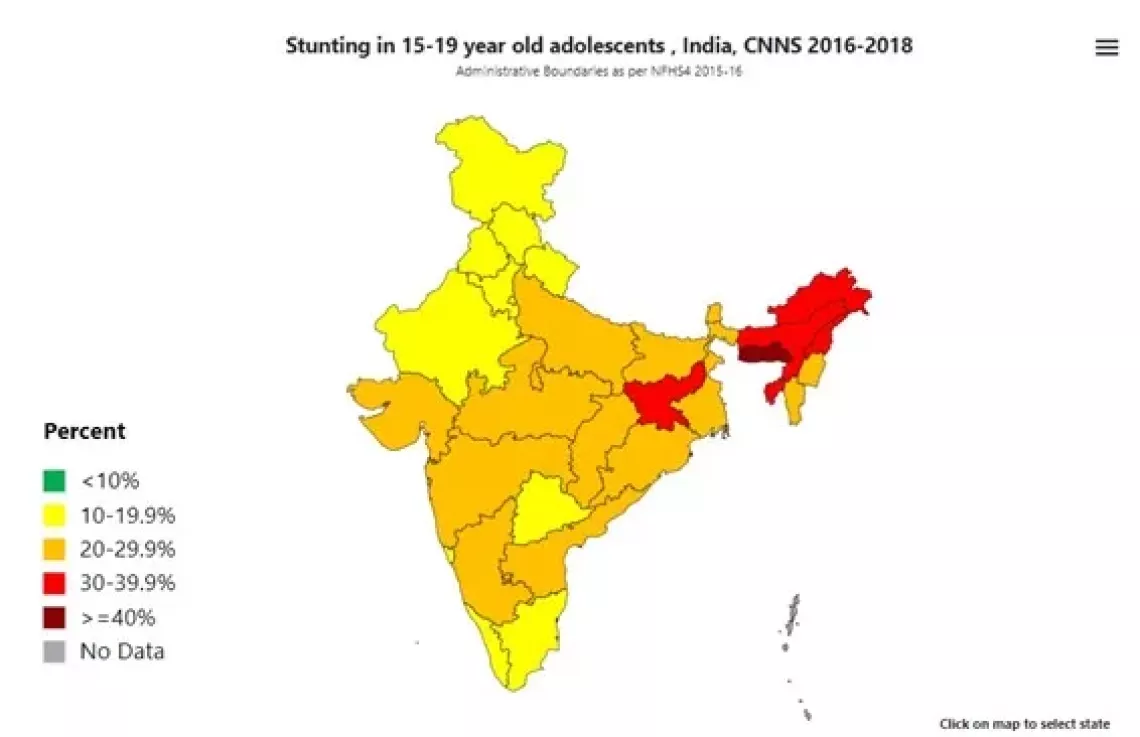
ADOLOSCENCE
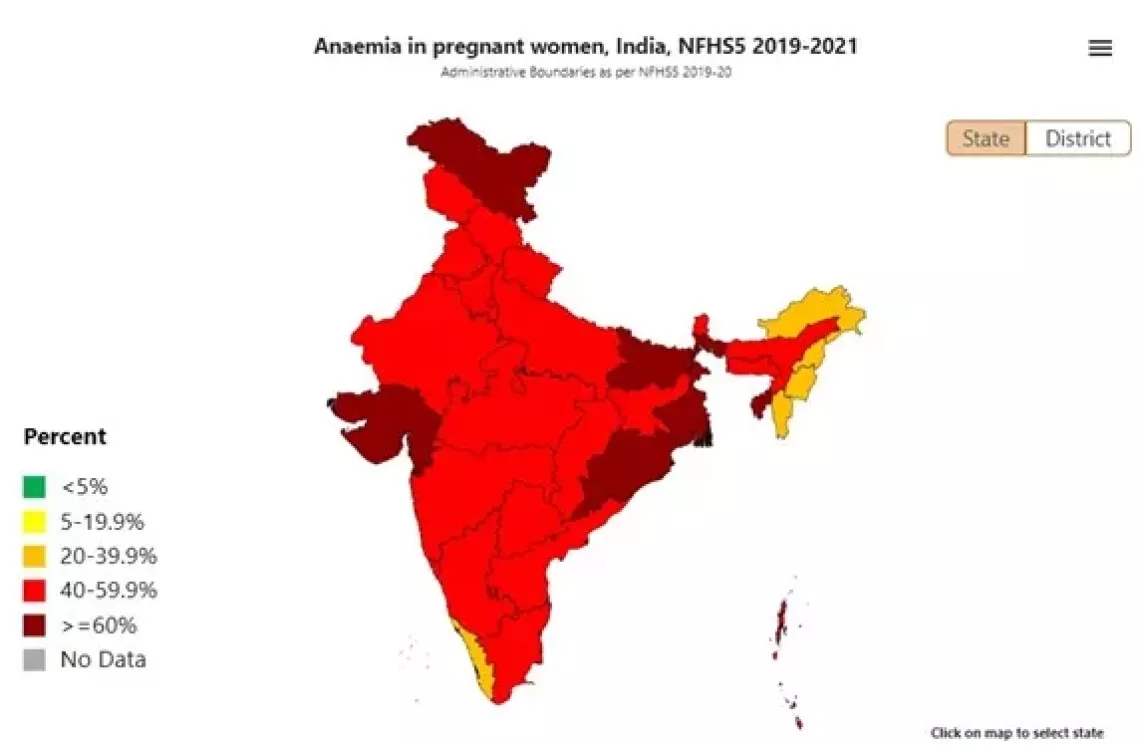
PREGNANT WOMEN
Subtext or Caption for maps: A state-level analysis of anaemia reveals a significant disparity in the incidence of anaemia between urban and rural areas.
Your blood is constantly pumped through your veins and arteries by your heart, and it delivers vital nutrients and oxygen to all the cells in your body. When something goes wrong with your blood, it can have a profound impact on your health and quality of life.
How to spot signs of Anaemia?
Anaemia manifests differently in different people, and the intensity can range from mild to moderate to severe. However, the most common symptoms are:
- Fatigue or Exhaustion
- Weakness
- Pale skin
- Shortness of breath or Dyspnea
- Dizziness
- Cold hands and feet
- Severe chest pain
- Change in colour of the stools
- Muscular pains
- Dry and damaged hair and skin
- Difficulty/ inability to concentrate
Lower resistance to infections
Why does Anaemia exist?
Anaemia can be temporary or chronic, and the severity can range from mild to severe. Most cases of anaemia are caused by more than one factor and lead to different symptoms for each case.
| ANAEMIA GUIDE | ||
| Types of Anaemia | What It Means | Who’s At Risk? |
| Iron-deficiency Anaemia | Your body needs iron to make haemoglobin. Sometimes, during pregnancy or blood loss, your body requires more red blood cells than usual. |
|
| Pernicious Anaemia | Your body also needs B12 and folate to make healthy red blood cells. Sometimes, the diet we consume is not diverse or balanced enough to get enough vitamin B12. |
|
| Aplastic Anaemia | When your body has lower than normal numbers of other blood cells too, it can’t make enough red blood cells, white blood cells and platelets. This type of anaemia can also be acquired or inherited. |
|
| Hemolytic Anaemia | Red blood cells have a lifespan of 120 days. Sometimes, your RBCs die before their lifespan is up. This type of anaemia occurs if your body cannot make enough RBCs to replace those destroyed. |
|

How to stop Anaemia?
If anaemia goes undiagnosed or untreated for a long time, it can lead to some serious health complications. These include restless legs syndrome, heart problems, complications during pregnancy and even stunted growth and development in children.
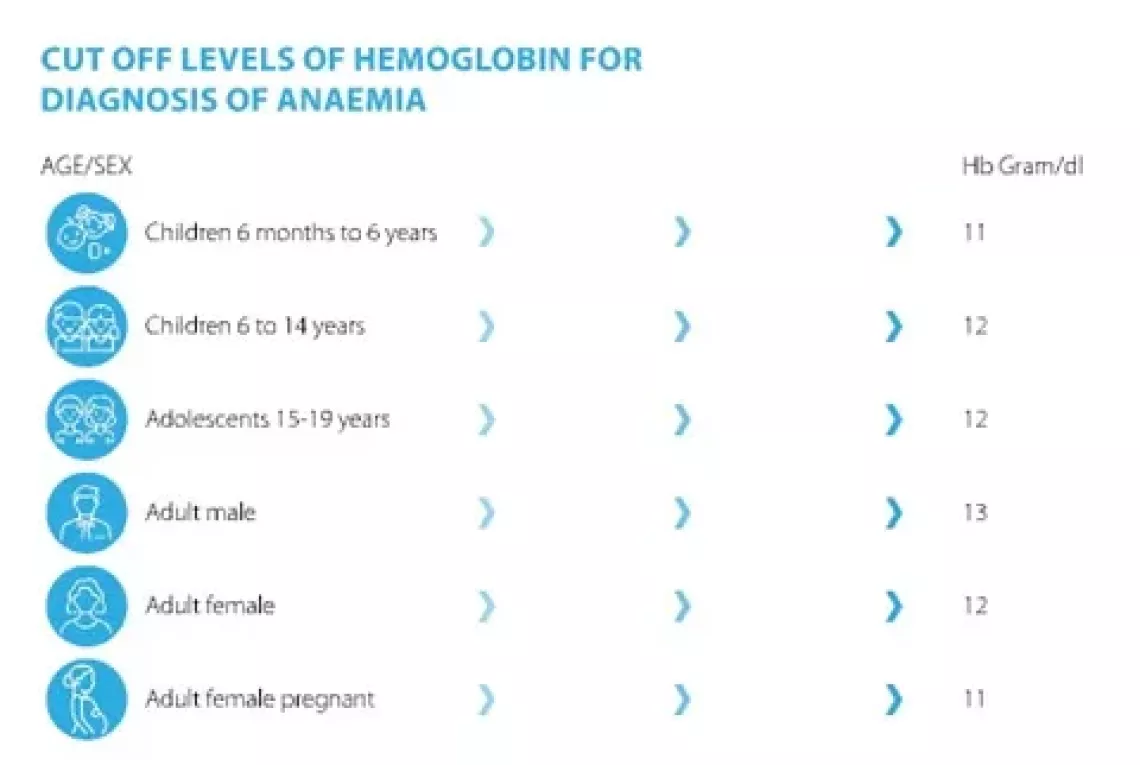
A blood test is a clinical indicator of haemoglobin levels and can help spot early signs of anaemia.
Here’s a quick look at the cut-off levels for prompt Anaemia diagnosis and action:
What can you do?
- Consume a Balanced Diet
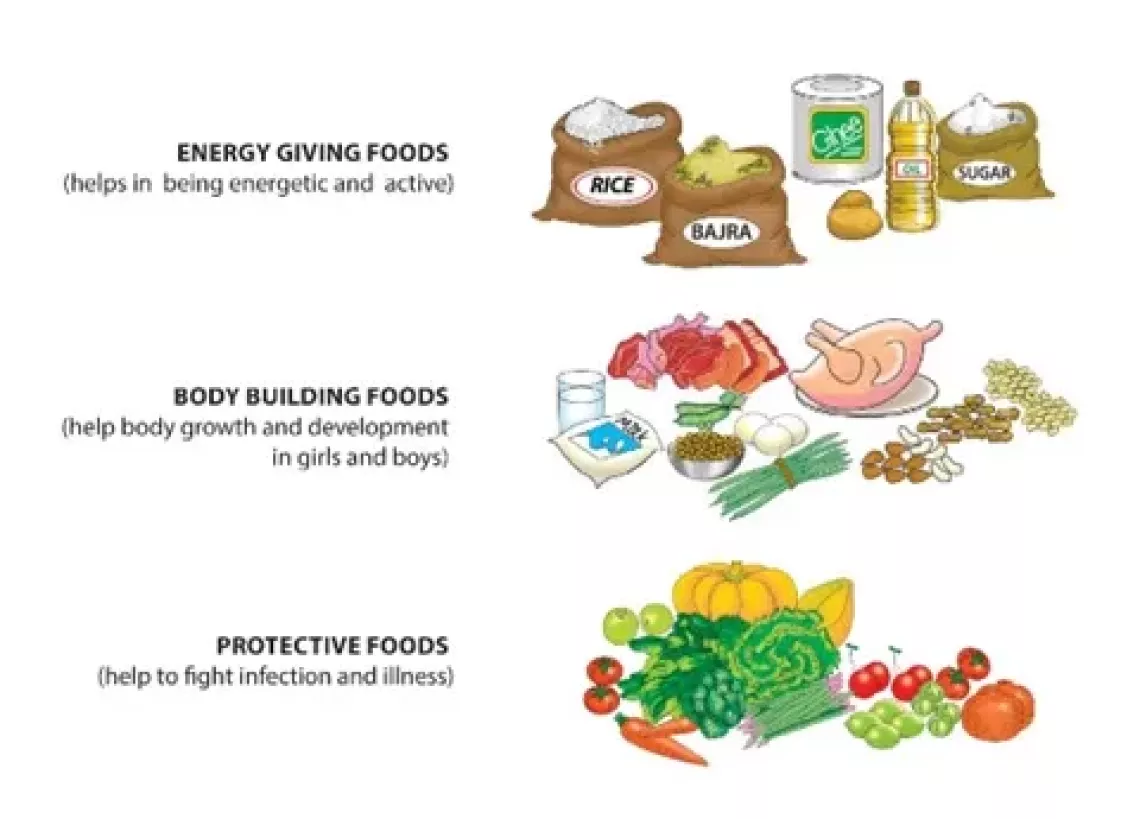
A balanced diet includes a healthy combination of “energy giving”, “bodybuilding” and “protective” foods.
Energy-giving foods like rice, wheat, millets such as jawar and bajara, potato, jaggery, sugar, oil and ghee help you stay energetic and active.
Body-building foods like pulses (dal), lentils, legumes, peas, horse gram, soyabean, groundnuts, beans, milk, eggs and meat help the body grow. These foods are especially critical for adolescents (young boys and girls) as they act as building blocks for physical and cognitive development.
Protective foods like spinach, fenugreek, bathua, mint, mustard leaves, drumstick leaves, guava, gooseberries, papaya and orange enable the body to fight infection and illness. Eating leafy greens, and red-yellow vegetables like carrot, pumpkin, tomato and lemon fortifies the body by boosting immunity.
2. Take Iron Supplements
Sometimes our diet may not provide enough iron that our body requires. In such a scenario, taking ferrous and folic supplements can help. This is especially critical for:
- Pregnant women
- Infants and young children
- Women who experience heavy periods
- People undergoing chemotherapy
- Frequent blood donors
- People with gastrointestinal disorders
- People who engage in strenuous physical activities
- People with blood disorders like thalassemia
3. Other Interventions
It is advisable to get tested for iron deficiency once a year, even if you show no symptoms. This helps detect a potential deficiency in early stages. Once you start iron supplements, it may take up to three months to maintain optimal levels of haemoglobin and even longer to replete the ferritin levels. In addition, taking deworming medication periodically helps prevent sickness while ensuring optimal nutrition.
DO
- Consume Vitamin C rich foods
- Take vitamin B12 supplements
- Consult your local physician for supplements advice
- Take a blue iron folic acid (IFA) tablet once a week
- Take a deworming tablet every six months
- Cook food in a cast-iron skillet
- Always use footwear to avoid worm infestation
DON’T
- Consume tea, coffee or caffeine immediately after a meal
- Consume IFA supplements on an empty stomach
- Swallow IFA tablet with milk
- Consume tea, coffee or milk up to one hour after taking an IFA tablet
- Overcook your vegetables
- Take IFA tablets when you are ill