Challenging to Championing: My Menstruation Journey
I have witnessed four generations of women in my family, who have undergone menstruation. All of them had different ways of looking at it
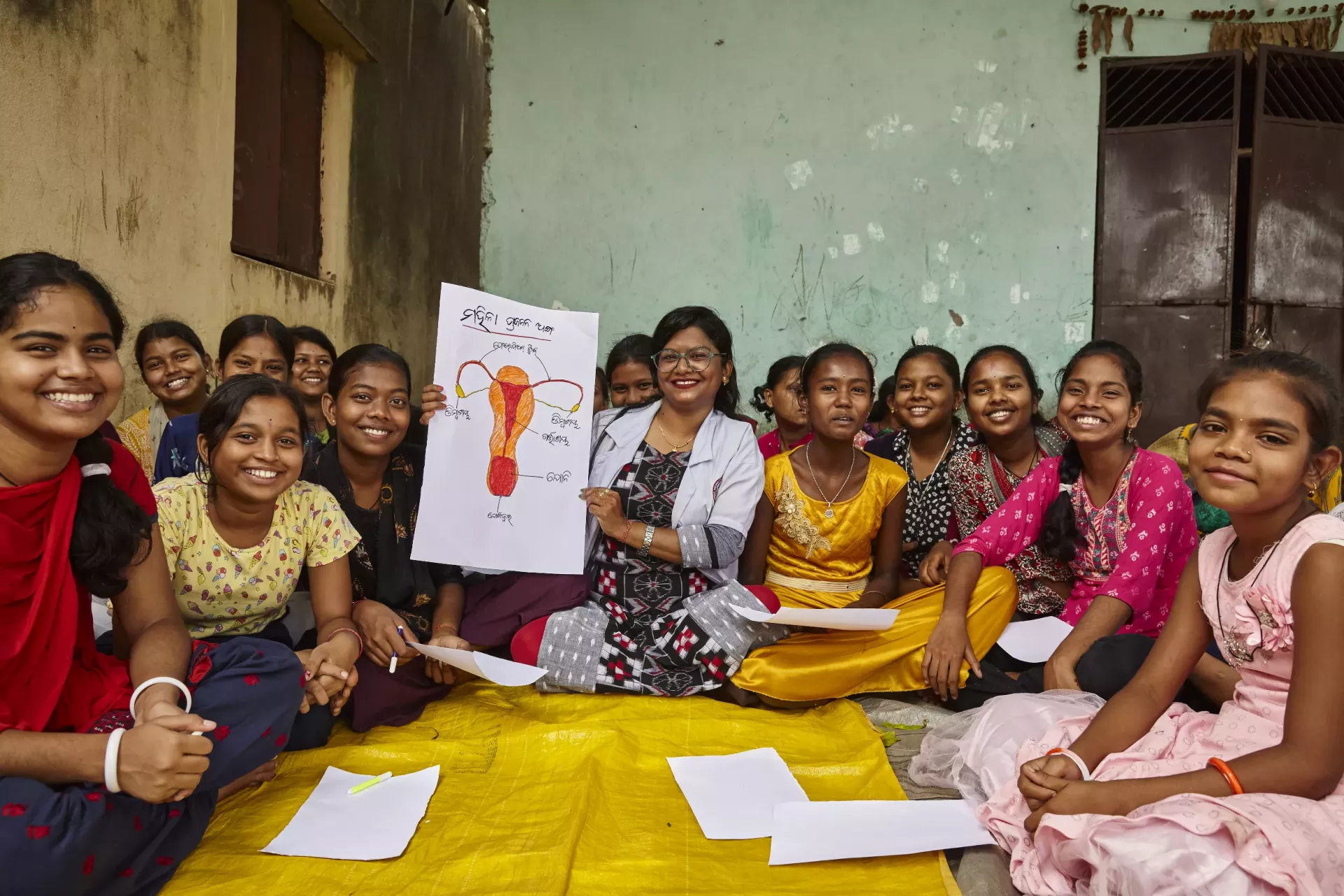
Indian society offers a fascinating mix of attitudes towards menstruating girls and women. From imposing various restrictions to publicly celebrating menarche, these diverse perspectives pose unique challenges for making the world period-friendly.
Thanks to recent efforts by sectors, discussions about menstruation and its impacts are now widespread. At workplaces, there is a heated debate about menstrual leave. Some women advocate for it as a right, arguing that women should be able to take leave or work from home during their periods. Others worry that monthly leave requests could harm women's career prospects, which are already hindered by family care responsibilities.
Also, each generation may have different perspectives and practices regarding menstruation, primarily influenced by cultural norms, access to information, and advancements in products for menstrual hygiene management.
I have witnessed four generations of women in my family, who have undergone menstruation. All of them had different ways of looking at it.
My grandmother's generation did not see menstruation as something to be celebrated, though they recognised its importance for two reasons. Firstly, its onset was a sign of fertility. Secondly, in the absence of medical methods to determine pregnancy, a missed monthly cycle was the only indication before other, more visible signs surfaced.
These days, women were generally considered something to endure, with little concern for hygiene or health. The hygiene movement was also in its early stages. Management of menstruation typically involved using old clothes, which were kept out of sight. During this time, women would avoid the kitchen, and other women in the family would take care of the food. Overall, menstruation was regarded as a women's issue.
My mother’s generation witnessed rapid social changes, especially in urban India. My own family migrated to an urban centre, forming a neo-local nuclear family. Many traditional taboos became difficult to maintain, so my mother began entering the kitchen during her menstrual cycle, avoiding only a few items.
Menstrual pads were introduced during this time but were not readily available, so she rarely used them. Television commercials began promoting these products, and conversations among women in the neighbourhood became more common. However, communication about menstruation between couples or between mothers and their adolescent daughters was still largely absent.
My initiation into menstruation was not easy. Despite attending one of the best schools in the city, I had no orientation whatsoever. Products were available, but they were discreetly wrapped in old newspapers and put in black polythene bags, much like the topic itself, which was shrouded in secrecy. My mother insisted on maintaining traditional taboos, but I was neither compliant nor willing to be dictated to.
Communication at the time still focused primarily on the availability of products, with other associated issues rarely addressed. Schools were also not menstrual hygiene-friendly, offering little support or information.
My daughters are about to enter that phase soon and are far more informed than I was. Information flows freely, with television commercials promoting menstrual products. Most of the taboos have disappeared, though a few still linger. Shopkeepers now comfortably provide pads without wrapping them, and male family members do not feel shy about bringing them home from the market.
The third generation is challenging social norms and attempting to start conversations. Meanwhile, Generation Z is navigating and adjusting through its own mechanisms, drawing on the more open and informed environment it grew up in.
I see the presence of all four generations still prevalent in today’s India. Rural areas often continue to face many challenges that our first two generations encountered despite collective efforts such as celebrating the "red dot challenge" every year. These challenges are often perpetuated by external factors.
It is crucial to foster dialogues among family members, engage men in the family, and assure menstruating women that it is a normal process and that the family is there to support them. Ensuring comfort, providing healthy food, rest, and proper hygiene management, including access to pads, toilets, water, and handwashing facilities, can all be facilitated within the household.
This approach could bring all four generations together and transform the perception of the "red dot" from a challenge to be overcome into a celebration to be embraced.
Together for a #PeriodFriendlyWorld.