The role of trendsetters in the popularization and adoption of the Swachh Bharat Mission (2020)
The influence of key individuals was a major contributor to SBM success, with a cascade of influence flowing down from the prime minister to other parties, from government officers down to village leaders
Highlights
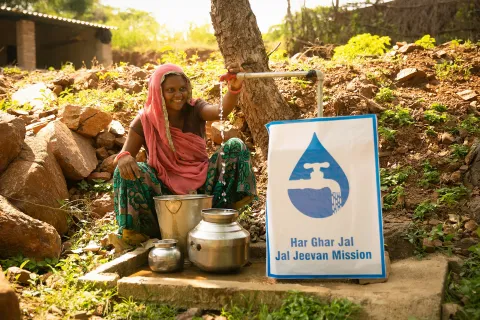
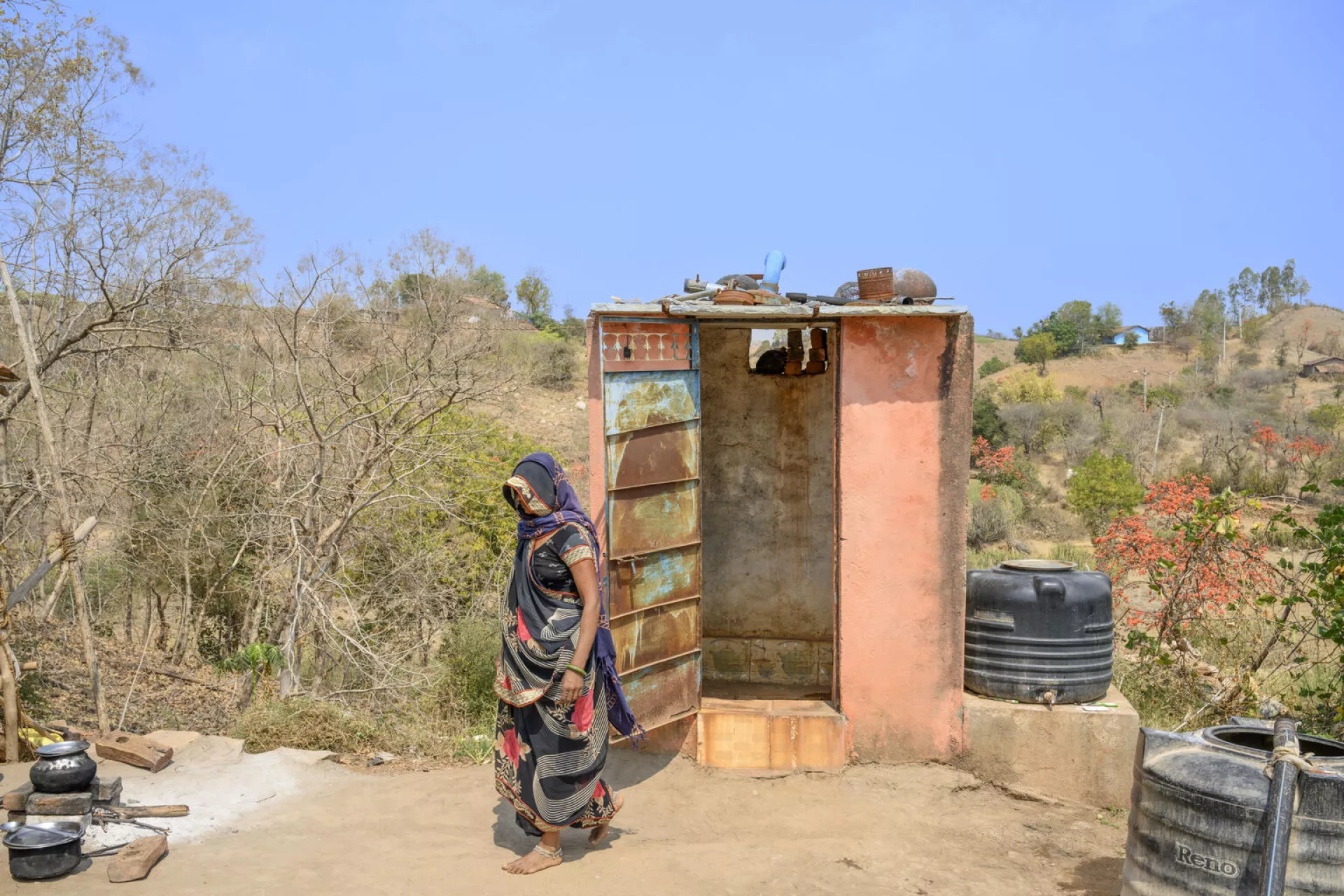
The Swachh Bharat Mission (SBM), launched in 2014, spread across the country at an unprecedented rate. The programme focuses on both toilet ownership through subsidies, and community-based behavioural change interventions to encourage toilet use and maintenance.
The Government of India’s Department of Drinking Water and Sanitation, Ministry of Jal Shakti reports that over 110 million toilets have been constructed since the programme’s inception. In addition to meeting infrastructural goals, the programme aims to move millions of Indians to use the toilets once they were constructed, making it possibly the world’s largest behaviour change campaign in history.
What accounts for the impressive growth of SBM? This study suggests that the influence of key individuals was a major contributor to its success, with a cascade of influence flowing down from the prime minister to other parties, from government officers down to village leaders.
For the study, interview data from thirty-two participants to understand their characteristics and role in the Swachh Bharat Movement was analysed. Participants were chosen according to specific selection criteria to represent a wide range of decision-making power, methods of influence, networks, and roles in the Swachh Bharat Mission.
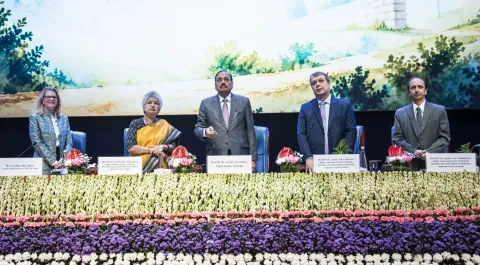
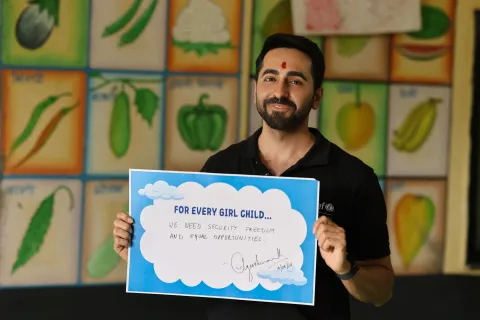
The respondents had diverse backgrounds, ranging from high-ranking government officials and influential Bollywood celebrities to grassroots leaders and NGO workers. Each interview examined the nature of the respondent’s role in the movement, the broader structure in which they were embedded, and whether they exhibit the characteristics of an effective trendsetter.