Advika: A Path to Adolescent Empowerment in Odisha
From programme to state-wide scheme, Advika is reaching millions by combining participation, life skills and cross-departmental convergence

Highlights
India’s continued progress toward ending child marriage reflects growing recognition that prevention must go beyond awareness and address the broader empowerment of adolescents. Multi-sectoral strategies that combine participation, skills development, and system convergence are increasingly central to sustainable change.
In Odisha, where a large adolescent population and significant tribal communities shape local realities, the state has adopted comprehensive approaches to strengthen adolescent empowerment and prevent early marriage. Through the Global Programme to End Child Marriage (GPECM), UNICEF supports government-led initiatives that integrate community engagement, service linkages, and institutional coordination.
UNICEF and UNFPA support national efforts to combat child marriage and promote adolescent empowerment in 14 states at the national and state levels through the Global Programme to End Child Marriage.
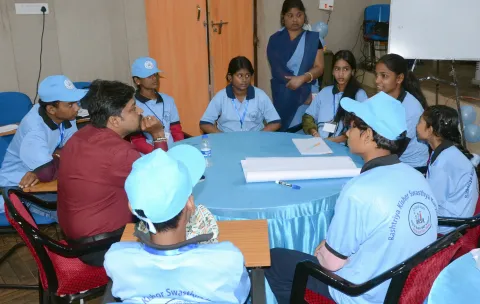
This case study highlights Advika – A Path to Adolescent Empowerment, which evolved from a programme into a state-wide scheme reaching millions of adolescents. By combining life skills, participation platforms, social protection linkages, and cross-departmental convergence, Advika demonstrates how a lifecycle approach to adolescent development can produce sustainable reductions in child marriage risks.
Odisha’s experience shows that investing in adolescents as future citizens and leaders can transform both individual life trajectories and community norms.