Ranchi, Jharkhand 14 May 2025:
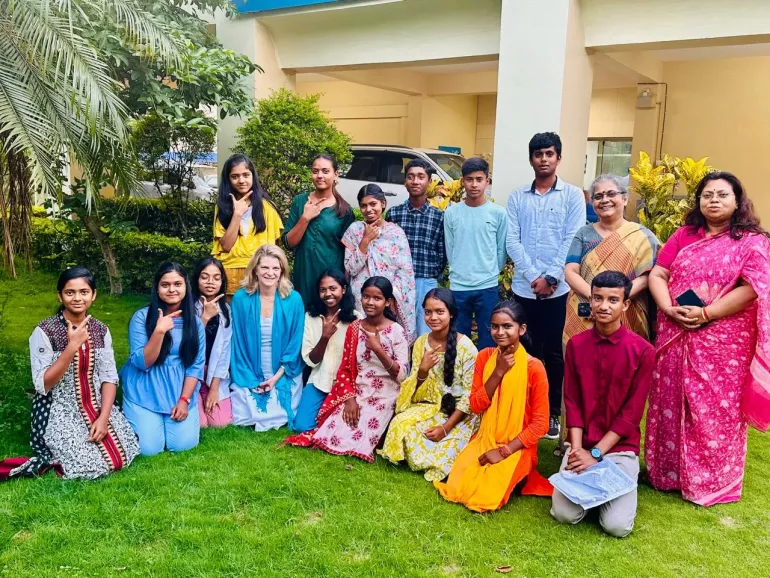
Today, on the first day of my visit to the eastern Indian state of Jharkhand, I met a group of young journalists in the UNICEF Ranchi Office, along with four youth leaders who are part of UNICEF’s Child Reporters Programme.
Over the years, the Child Reporters Programme has trained thousands of children across the state, especially children from diverse tribal populations, comprising 26 per cent of the Jharkhand population.
The hands-on training in journalism had a transformative influence on the girls and boys. They found the voice to question the inequalities affecting them. They have learned to deeply engage with their communities, raise awareness, and advocate for access to education, ending child marriage, and the impact of climate change—not only for themselves but also for their peers and the community.
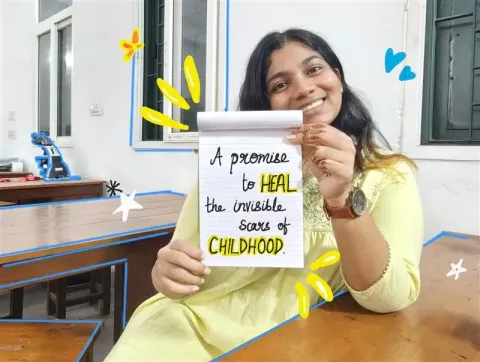
My conversation with the young reporters was enlightening. One of the reporters was fourteen-year-old Richa, a student at BIT Mesra school and a class topper. Richa shared her story with me.
“When I came home from school, starving and ready to eat, my mother said the same thing every day, ‘Wait, Richa, let your brothers eat first.’ I watched them eat with an aching stomach. I wanted to ask why! Why was I always the last and had the least to eat after everyone else finished eating? But I couldn’t. Not for a long time. Then came the day when I did.”
Things began to shift for Richa after she joined the Child Reporters Programme. She learned about child rights, nutrition, health, education, equality, and dignity. She began to see the discrimination – and found the courage to question and change.
“It was just like any other day at home. I went home from a child reporters’ session on gender discrimination. My mother routinely said, ‘Serve your brothers.’ But I didn’t move. I said, ‘No, Ma. Let me eat with them. I study like they do. I’m hungry just as they are. I need food to grow, learn, and live just as much.”
It wasn’t defiance. It was a moment of truth, and it unlocked the door. That moment didn’t magically erase the inequality around Richa, but it started the conversation—first at home, then in her community, and finally at school.

Last week, she interacted with the District Collectorate of Ranchi on issues affecting girls and children in Jharkhand. Today, Richa helps other girls speak up, helps children get back to school, and advocates for equality—not with anger but with clarity of purpose and a firm resolution.
The ten child reporters and the four youth leaders I met today were confident, insightful, articulate, and inspiringly committed to child rights. Some have interacted directly with the Chief Minister of Jharkhand, the Chief Executive of the State, raising children’s issues on the radar of policymaking.
Richa’s story is not only about hunger or gender. It is about dignity, voice, and the ripple effect children can create when offered the opportunity and equipped with the right tools and platforms to voice and lead. Through the 76-year-strong partnership with India, UNICEF continues creating spaces where children learn and lead.
The young people of Jharkhand, the land of forests, with its rich natural beauty, mineral resources and diverse tribal populations, hold the key to India’s transformative journey marching toward 100 years of nationhood in 2047.
UNICEF has been working closely with the Government and people of Jharkhand over the past decades to promote and protect the rights of children. Before and after Jharkhand emerged as a new state in 2000, a new UNICEF state office was set up in the state capital, Ranchi, in 2006 to focus on programmes and advocacy support in Jharkhand.